
Mazda G-Vectoring Control and Mazda G-Vectoring Control Plus are vehicle dynamics and motion control systems that respond to steering inputs with subtle engine torque and braking changes. In response, the ride and handling feel smoother and more natural, making it more pleasurable to drive a Mazda and more comfortable and enjoyable to ride in a Mazda.

Mazda introduced North American consumers to G-Vectoring Control in the 2017 Mazda6, and debuted G-Vectoring Control Plus in the 2019 Mazda3 and Mazda CX-5. Today, most Mazdas have the technology.
Mazda G-Vectoring Control responds to steering input and adjusts engine torque to manage the effects of lateral, longitudinal, and vertical forces on a vehicle’s ride and handling as it turns. By adjusting engine torque in response to the steering, Mazda is able to shift weight on the vehicle’s suspension depending on the requirements of the situation.
As a driver or a passenger, you are not aware of G-Vectoring Control as it works. Rather, Mazda’s intent is to enhance your driving or riding pleasure without making system operation obvious.
To illustrate, imagine you’re driving on a country road and there is curve up ahead that doesn’t require braking input. When you turn the steering wheel to enter the curve, G-Vectoring Control instantly adjusts engine torque to cause a subtle shift of weight onto the front wheels, improving cornering response and making the vehicle feel better balanced and more natural to the driver and the passengers.
In the middle of the curve, as the driver holds a consistent steering position, G-Vectoring Control reassesses engine torque requirements and adjusts it to shift weight onto the rear wheels. This makes the vehicle feel more stable through the curve and when accelerating out of it.
Mazda upgraded this technology starting with the 2019 Mazda3 and Mazda CX-5, adding a “Plus” to the system’s name. Mazda G-Vectoring Control Plus adds subtle and momentary braking to the equation with the goal of better stabilizing the vehicle as it exits a curve or corner.
When the driver straightens the steering after turning the vehicle, G-Vectoring Control Plus applies light, subtle braking only to the front wheel on the side opposite of the direction of the curve or corner. In other words, if the driver steered left, G-Vectoring Control Plus would apply braking to the right front wheel as the vehicle exits the turn. This helps to reduce some of the weight transfer to the rear wheels, making the car feel more stable and natural to the driver and passengers.
Mazda says G-Vectoring Control Plus also works during lane changes and when driving on slippery surfaces during rain and snowstorms.
For the 2020 model year, all Mazdas have G-Vectoring Control except for the MX-5 Miata, which requires no artificial sweeteners. Not only that, G-Vectoring Control Plus is standard on all other 2020 Mazda models except for the small CX-3 crossover, which uses the original version of G-Vectoring Control.
If you or someone you know suffers from motion sickness while in a vehicle, a modern Mazda might help to lessen the problem. For everyone else, Mazda G-Vectoring Control Plus aims to put an even wider smile on a driver’s face while making passengers feel safe and secure.
The information in this article is from Mazda. It was accurate as of May 6, 2020 but may have changed since that date.


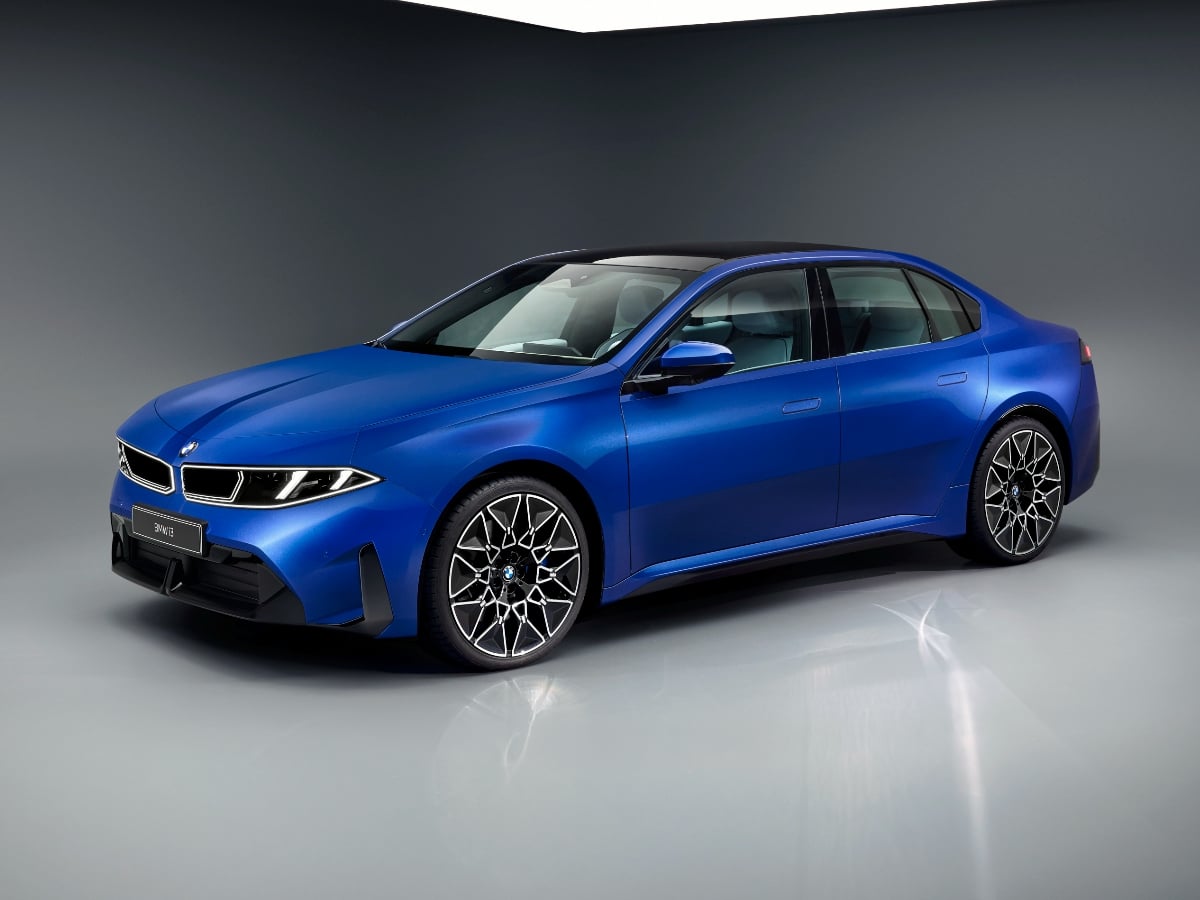
The new 2027 BMW i3 boasts an estimated range of up to 440 miles, 400-kilowatt DC fast charging capability, bidirectional charging to a home or the grid, and next-generation technology.
Read the Full Article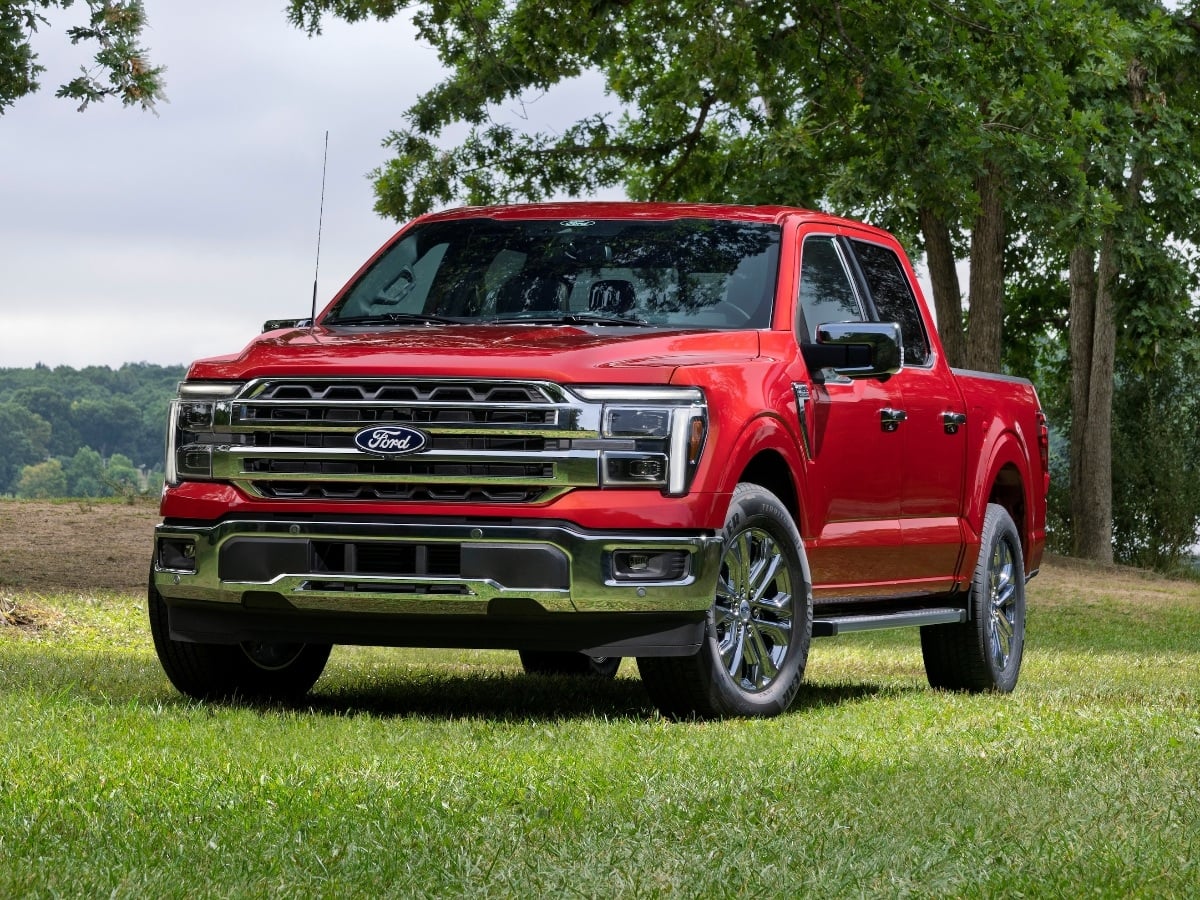
Facing renewed competition in the full-size, light duty pickup truck segment, the 2027 Ford F-150 receives subtle styling updates, a new standard engine, broader availability of its 5.0-liter V8, and ...See More
Read the Full Article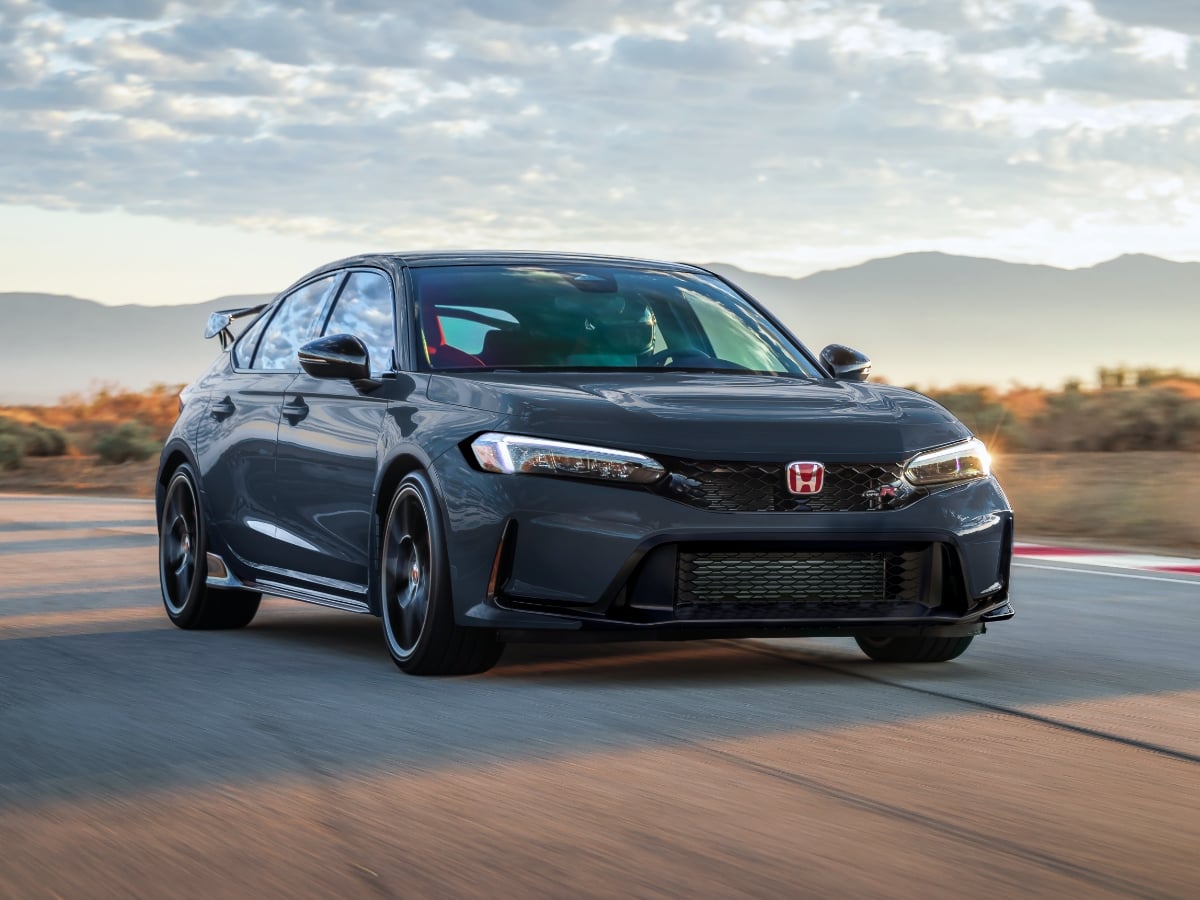
The 2027 Civic Type R goes on sale in October 2026, and it starts at $49,990, including the $1,295 destination charge.
Read the Full Article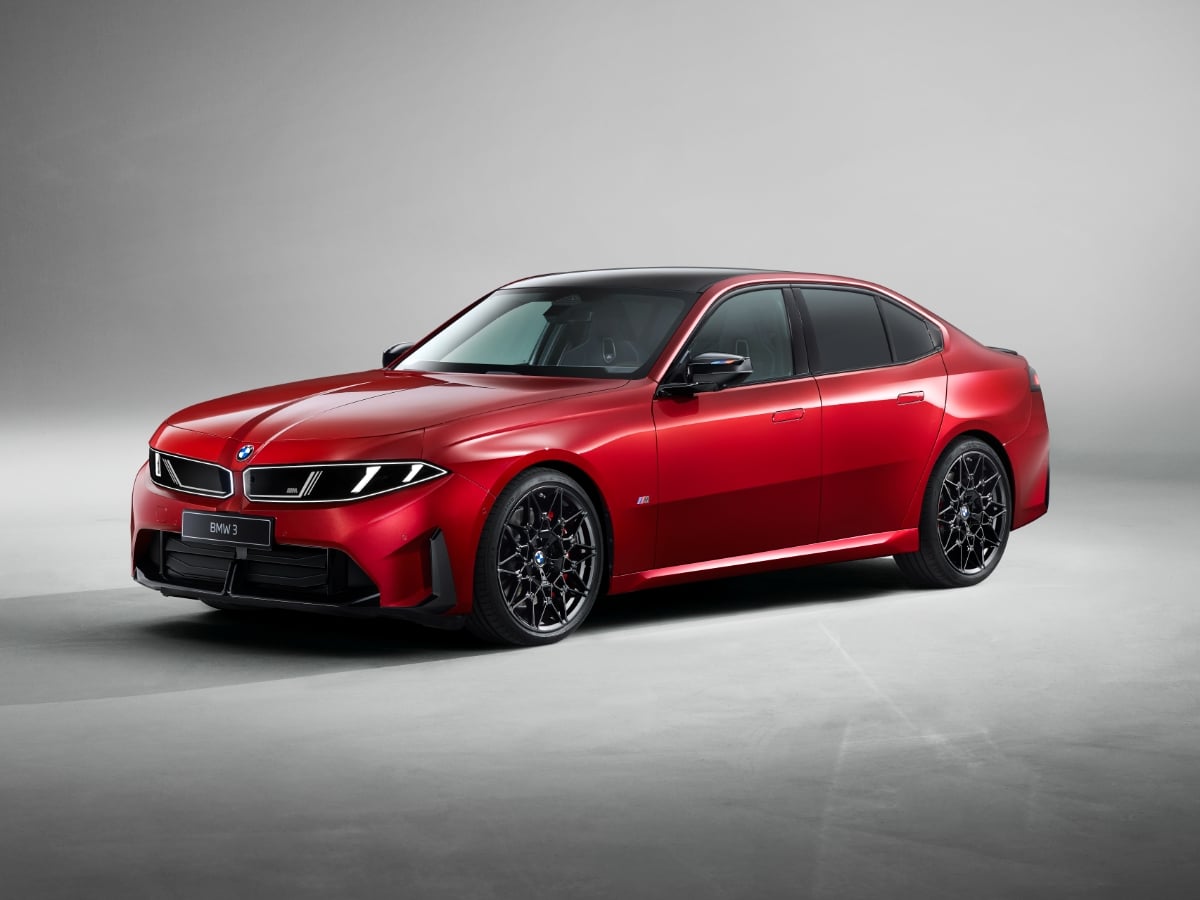
Part of BMW’s Neue Klasse (new class) rollout of redesigned models, the 2027 BMW 3 Series is all-new and goes on sale in the first quarter of 2027.
Read the Full Article