
General Motors discontinued its original Hummer lineup of SUVs back in 2010. More than a decade later, an all-electric (EV) version of the ultra-rugged truck has arrived, and it's more capable than ever. One reason for that is Extract Mode, designed to help you clear obstacles when off-roading.

For true off-road prowess, a vehicle needs the extra ride height to clear terrain,
obstacles (rocks, brush), and water. The higher the ride height, the greater a vehicle can climb and crawl through the wilderness.
The GMC Hummer EV already has an impressive ride height of approximately 10 inches. But the vehicle's Extract Mode allows it to raise another 6 inches above normal ride height using its air suspension system.
Aside from traversing terrain, Extract Mode helps keep the Hummer EV dry. In standard mode, the Hummer can ford up to 26 inches of water, but in Extract mode, it can handle a water crossing up to 32 inches deep.
Engaging Extract Mode is straightforward and requires only a few simple steps. You can engage/disengage Extract Mode through the Driver Mode Control dial in the center console. The 'Raise' button is at the top of the dial, and the 'Lower' button is at the bottom. The steps are as follows:
Extract Mode only operates at speeds under 12 miles per hour, which underscores its purpose of traversing rugged terrain at low speeds. Before selecting Extract Mode, the driver should center the steering wheel and have all four wheels planted on the ground. After Extract Mode disengages, the active suspension system may take some time to cool down.
Hummer EV buyers after July 1, 2022, benefit from having Extract Mode fully operational with their vehicles. Owners who received their Hummer EV before that date must manually add Extract Mode. This add-on process requires two steps. First, the owner will have to activate an over-the-air (OTA) software update through GMC. Secondly, they must visit their local dealership to change the vehicle's ride-height sensor.
In addition to Extract Mode, the Hummer EV touts a roster of impressive off-road technology. One of the most innovative off-road features is the vehicle's CrabWalk functionality. Thanks to its 4-wheel steering system, the Hummer EV can move sideways, like a crab, to avoid obstacles and otherwise impassable terrain.
Another impressive tech highlight is the Hummer EV's Ultravision feature, consisting of 18 cameras, including waterproof underbody forward and rear-facing cameras. The system gives drivers a real-time 360-degree view so the driver can see and assess obstacles and terrain in every direction.
Lastly, the new Hummer EV comes with full underbody armor. Solid steel plates shield the differential and the battery pack from possible impact damage. For this reason, drivers have little to worry about while driving over rough ground, through river beds, or across rocks and boulders.
Big, heavy vehicles like the Hummer EV can be more challenging to drive off-road than lightweight vehicles. Technologies like Extract Mode are GMC's solution to that challenge. When drivers need to get over or out of a tough spot, they can simply initiate Extract Mode, and the Hummer EV will be ready to surmount even the toughest of obstacles.


Toyota redesigned the RAV4 for the 2026 model year, switching to an all-hybrid lineup ranging from an affordable entry level LE trim to rugged Woodland and performance-oriented GR Sport variants.
Read the Full Article
The redesigned 2027 Volkswagen Atlas Cross Sport is a mid-size, five-passenger crossover SUV that is based on the seven-seat Atlas model. It has a sportier look than its family-friendly sibling, ...See More
Read the Full Article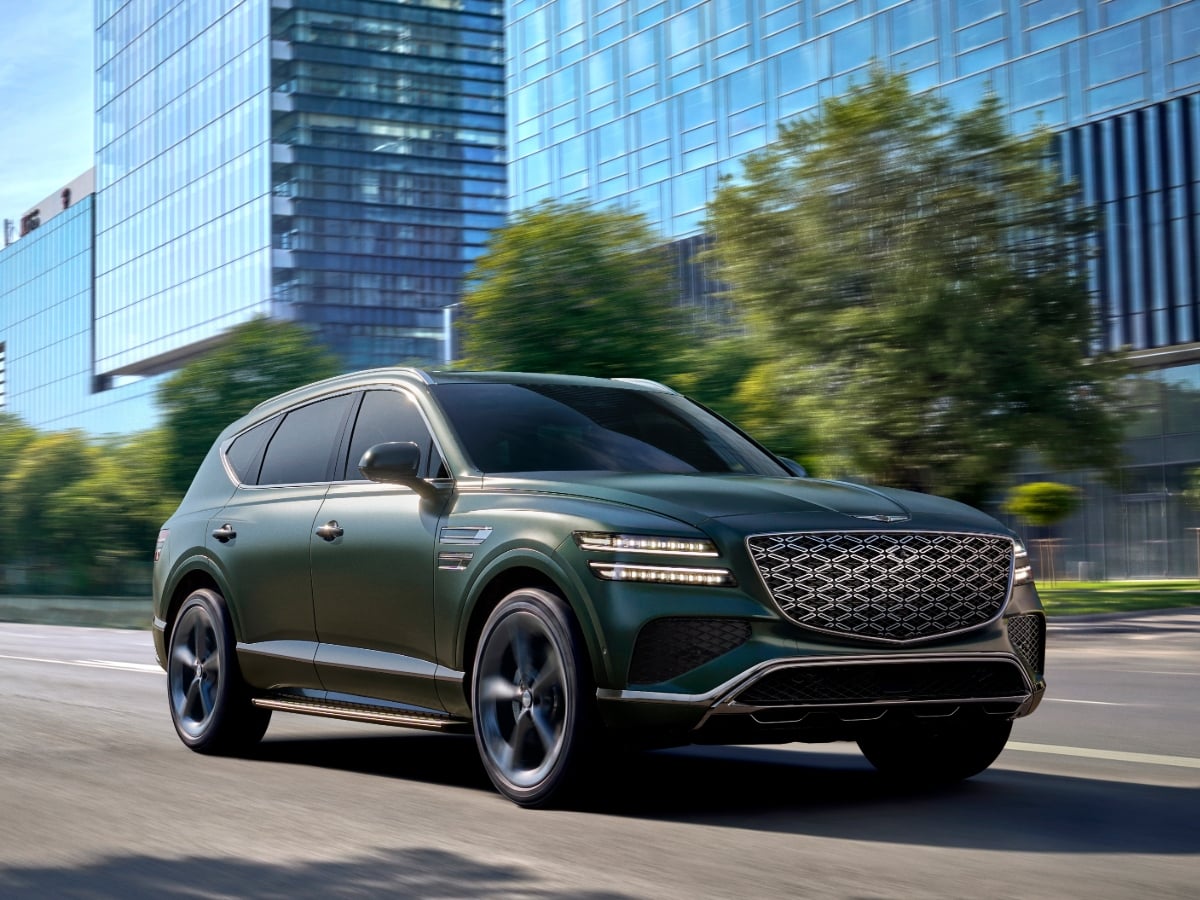
Genesis is adding its first hybrid powertrain to its portfolio, and the 2028 Genesis GV80 luxury SUV will be one of the first models in the lineup to get this powerful, efficient drivetrain.
Read the Full Article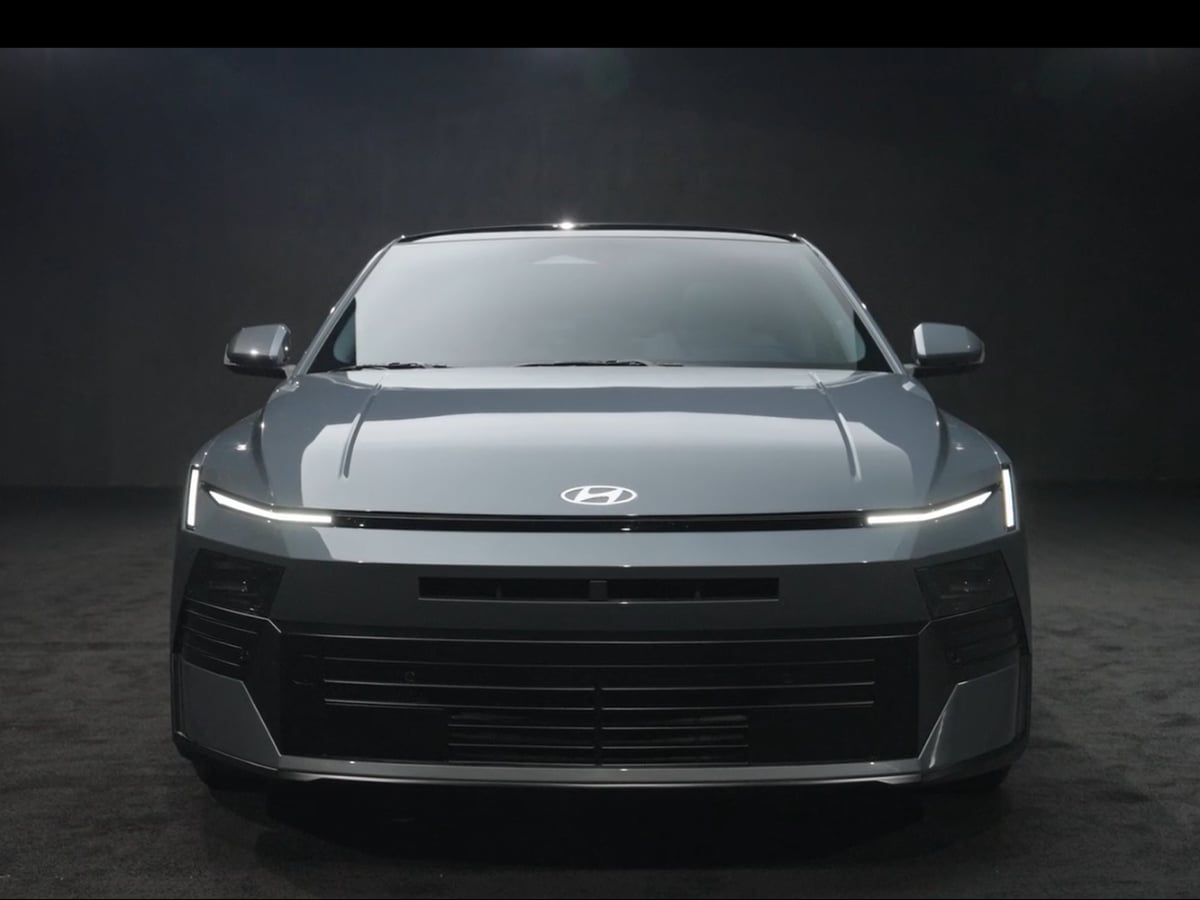
With a completely new design inside and out, the 2028 Hyundai Elantra Hybrid features advanced technology, a more spacious cabin, and improved performance from its updated hybrid powertrain.
Read the Full Article