
The Department of Transport and Main Roads looked into a new car safety technology called forward collision assistance technology (FCA), also known as autonomous emergency braking, to lessen the frequency and severity of forward collisions. Forward collision assistance decreases front-to-rear crashes with injuries by 27%, according to the Insurance Institute for Highway Safety (IIHS) and the Highway Loss Data Institute (HLDI). The system reduces accident rates with injuries by 56% when combined with automatic braking.

Even though forward collision assist has been around for more than 15 years, you might need to become more familiar with it or what it does. This article will examine this technology in more detail.
Forward collision assistance is a driver safety feature that alerts the driver to the presence of other cars in the driver's car's front region using radar, lasers, or cameras. The system automatically responds to potential collision threats or with the driver’s help. This includes priming brake systems, alerting the driver, and employing softer or more forceful braking.
If your car has the forward collision avoidance safety feature, the system warns the driver by sensory, audio, or visual methods. Sometimes it warns in only one of these ways, while other times, it warns in several different ways. It depends on the system's layout and how the car's owner has set up the system.
However, they all operate in different ways. If automatic emergency braking is used, the technology can slow or stop the car if the driver does nothing before it hits something. The system will only issue a warning if automatic emergency braking is not connected. In this case, the driver will then need to operate the vehicle by himself.
Some forward collision warning systems can only work at moderate speeds. Others operate at faster rates. Some systems detect large animals, bicycles, and pedestrians and others do not. You should read your owner's manual if you need help determining which system works on your vehicle. It will describe your car's capabilities. You must understand how a warning system functions if you purchase a car with one. To assist you in avoiding an accident, you need to be aware of what it can and cannot do.
According to the American Automobile Association, 40% of drivers who drive a car equipped with the technology need to be aware of its limits. They must understand that automatic emergency braking and forward collision avoidance are different.
Forward collision avoidance systems are provided by a variety of automakers, frequently as a part of a combined advanced driver aid system that may also feature other crucial features like:
Regardless of the vehicle in front of you changing speeds, adaptive cruise control is meant to keep a safe distance.
If the system detects the vehicle strays off the indicated lanes, it will alarm the driver.
The driver gets a reminder or sees a visual display to tell them that the vehicle in front has moved or is beginning to move.
Suppose a driver applies full throttle near a barrier or large object in front of the vehicle, such as a car park wall or vehicle directly ahead at close range. In that case, the system stops the throttle opening, potentially reducing or avoiding a crash. This will also aid in lowering implications when 'drive' is accidentally selected instead of the 'reverse.' button.
Vehicle sway warning warns the driver if the vehicle begins to wander from one side of the road to the other, which can happen when driver tiredness sets in.
We often concentrate on the most significant incidents, fender benders, sideswipes, and other minor collisions occurring daily. These little accidents add up over time, costing a lot of money. One approach to help reduce minor accidents is via collision avoidance technology.
According to research, forward collision avoidance technology would have decreased the number of fatalities and the severity of injuries. According to crash statistics, the adoption of Forward collision avoidance systems might lead to the following:
Vehicles equipped with collision avoidance technology frequently receive discounted rates from insurers.
Always maintain caution behind the wheel. If you own a car with a forward collision avoidance system, the systems that supply information to the technology may not function properly. Consider your options before deactivating the front collision warning system. It is a safety feature that will save your life.
Manufacturers may refer to forward collision avoidance systems under various terms, such as automatic emergency braking. For a list of models that include these systems, contact your dealer. Enquire with your insurance company about discounts for vehicles equipped with collision avoidance technology.



The new 2027 BMW i3 boasts an estimated range of up to 440 miles, 400-kilowatt DC fast charging capability, bidirectional charging to a home or the grid, and next-generation technology.
Read the Full Article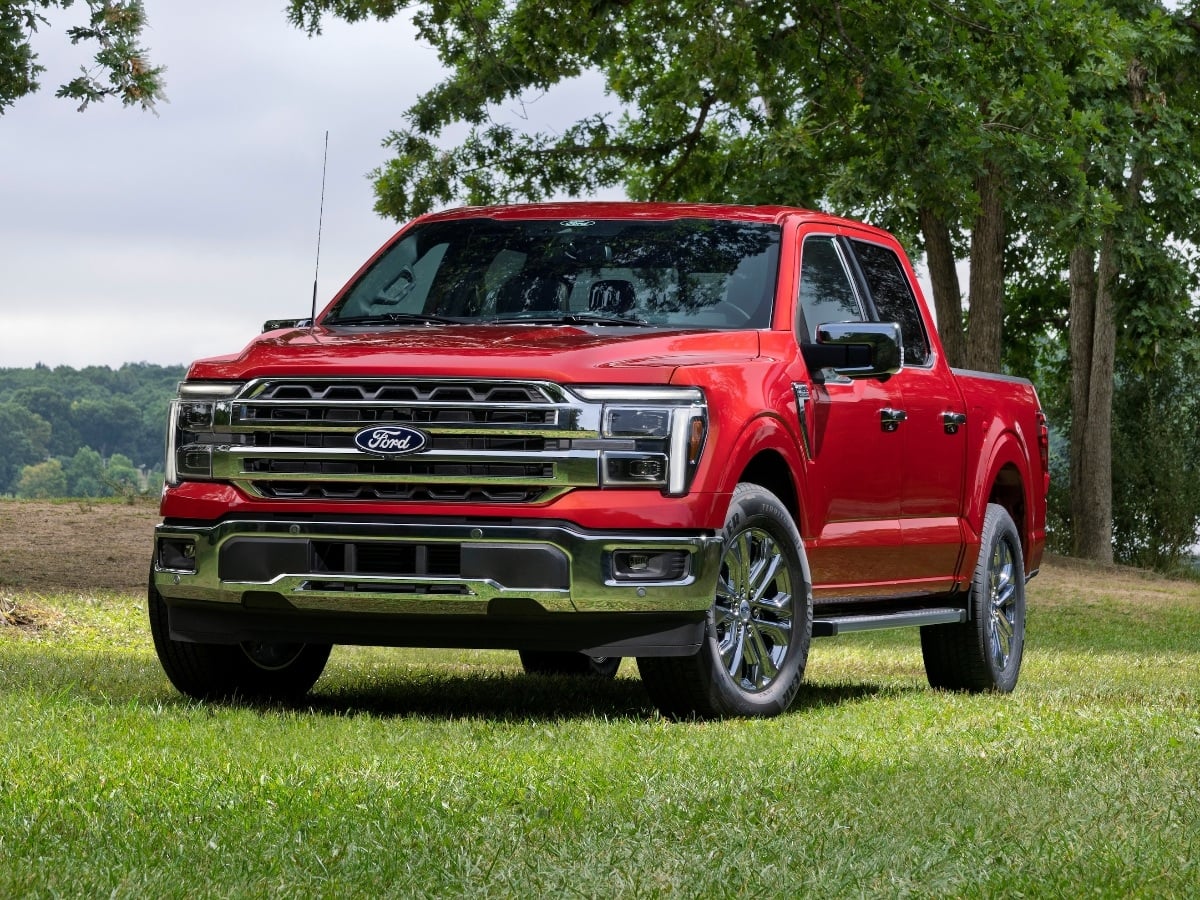
Facing renewed competition in the full-size, light duty pickup truck segment, the 2027 Ford F-150 receives subtle styling updates, a new standard engine, broader availability of its 5.0-liter V8, and ...See More
Read the Full Article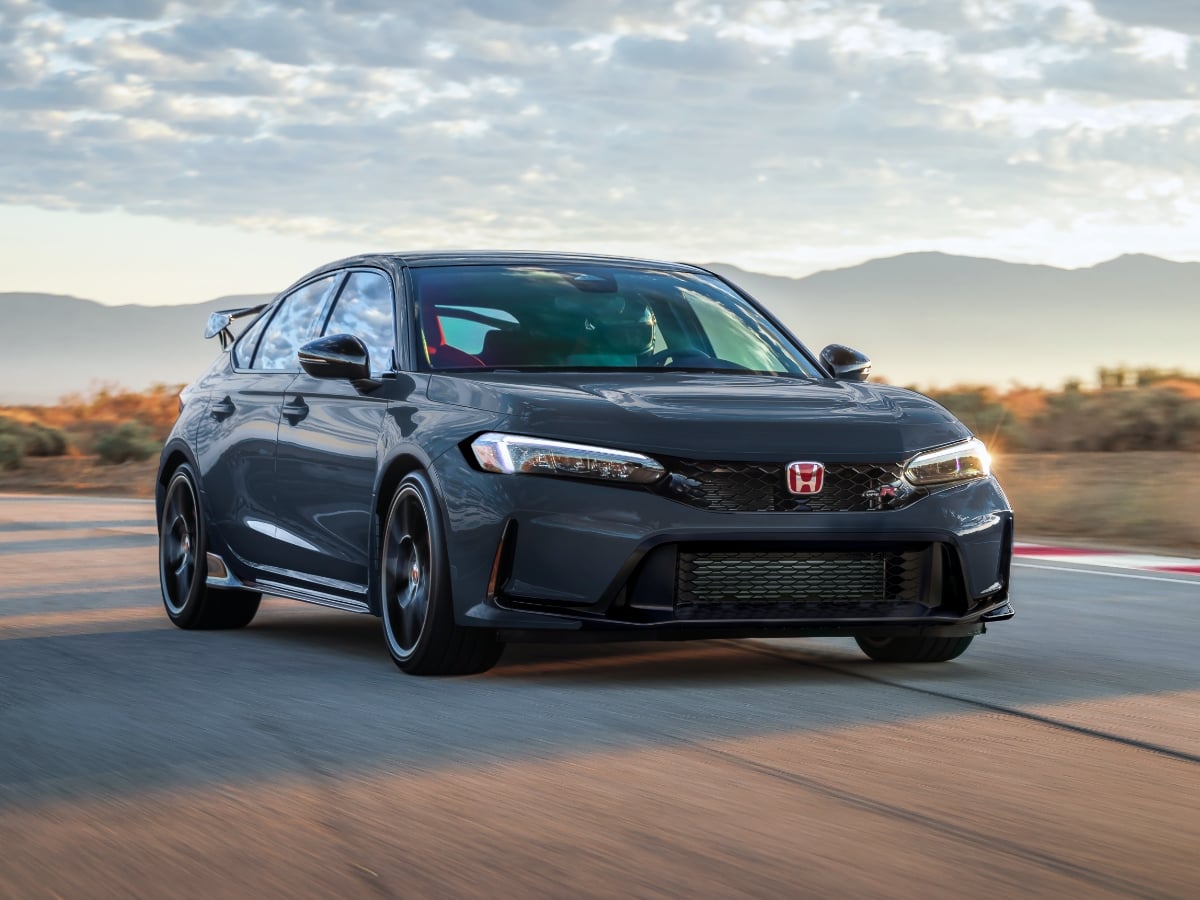
The 2027 Civic Type R goes on sale in October 2026, and it starts at $49,990, including the $1,295 destination charge.
Read the Full Article
Part of BMW’s Neue Klasse (new class) rollout of redesigned models, the 2027 BMW 3 Series is all-new and goes on sale in the first quarter of 2027.
Read the Full Article