
Ford Trail Control is an off-road cruise control system that handles acceleration and braking in extreme off-roading conditions so the driver can focus on steering and choosing the best path forward. It debuted in the previous-generation F-150 Raptor and has since expanded to other vehicles in the Ford lineup of pickup trucks and rugged SUVs.

Ford Trail Control works similar to a highway adaptive cruise control system but operates only in low-speed, off-roading situations. To use Trail Control, the driver activates the 4-wheel-drive system, turns on the technology, and sets a speed between 1 mph and 20 mph.
From this point on, Trail Control manages throttle and braking inputs to maintain that set speed whether the vehicle is traveling up a hill, descending a grade, or powering across challenging terrain. It works in all 4WD modes and automatically directs engine torque to the wheels with traction.
Drivers can also adjust the set speed. For example, if you descend a grade at 4 mph, and then the trail levels out and becomes less challenging, you can increase the vehicle’s speed to up to 20 mph. Upon reaching another problematic portion of the trail, you can reduce the speed again.
If you’ve ever taken a pickup truck or an SUV on a challenging trail and encountered seemingly insurmountable hills, death-defying descents, or rain-carved crevasses, you know how hard it can be to accelerate, brake, and steer in the smoothest manner possible to maintain or limit momentum as is necessary. This difficulty is especially acute if boulders that require careful navigation are strewn across the trail.
In these situations, Ford Trail Control is instrumental. Drivers can choose a speed between 1 mph and 20 mph, and Trail Control takes over the acceleration and braking tasks to maintain a steady rate of speed up, down, over, and around the challenges that lay ahead. This action allows the driver to focus solely on steering the vehicle, ever mindful of roll angle to ensure the vehicle doesn’t slip sideways off the trail or roll over onto its side. Ford also says that Trail Control is helpful if your vehicle gets stuck in the sand.
Naturally, before you tackle any part of an unknown trail or section of terrain, you must scout the way forward. Assess your intended path of travel to ensure your vehicle can pass through or over the terrain, determine where you might turn around should you reach an impasse, and consider your vehicle’s approach, breakover, and departure angles in addition to ground clearance.
Ford Trail Control can help a driver, but it cannot rescue you from poor judgment.
Starting with the 2021 Ford Bronco, the automaker began offering a package of off-roading technology it calls the Ford Trail Toolbox. This collection of systems includes Trail Control and adds Trail One-Pedal Drive and Trail Turn Assist.
Trail One-Pedal Drive works similarly to one-pedal driving in an electric vehicle. You press on the accelerator to make the truck or SUV go, and when you release your foot, the brakes activate to slow the vehicle down. This technology is most effective in extreme off-roading situations, such as rock crawling.
Trail Turn Assist is also part of the Ford Trail Toolbox. This technology helps to make a truck or SUV more maneuverable when negotiating tight turns in a trail. It brakes the inside rear wheel to tighten the turning radius.
In addition to the Ford F-150 Raptor, Trail Control is available on several of the company’s trucks and SUVs. For example, the new-for-2021 Ford F-150 Tremor offers the technology, as do the Tremor versions of the F-250 and F-350 Super Duty. You can also get Trail Control on the Ford Ranger midsize pickup truck, the new 2021 Bronco, and the smaller Bronco Sport.
Ford Trail Control, and the other contents of the Ford Trail Toolbox, are helpful to anyone who plans to tackle challenging off-roading situations. To off-road driving enthusiasts, they’re akin to a launch-control or a drift-control system in a high-performance car, helping any driver take maximum advantage of a vehicle’s capabilities. Plus, they offer an extra measure of safety to handle unanticipated situations.


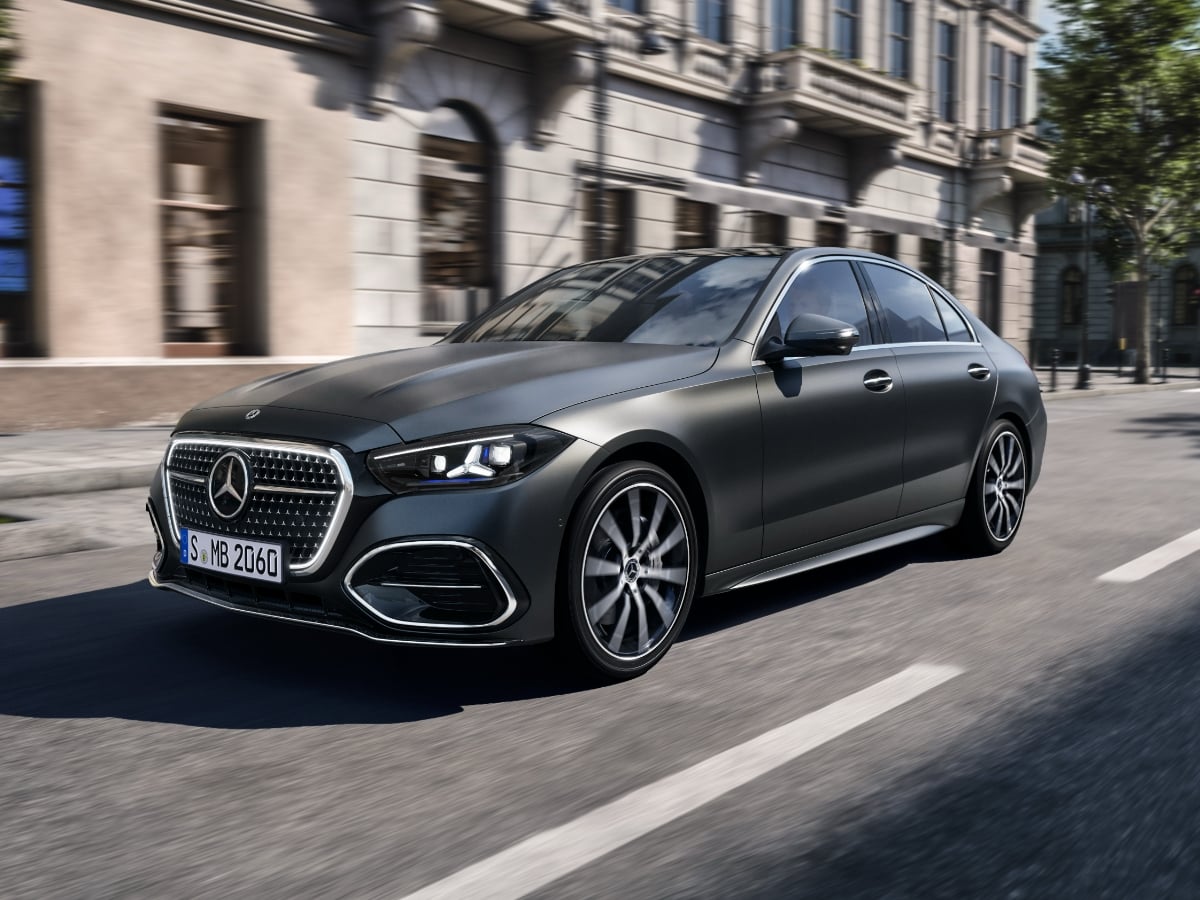
Luxury vehicle buyers prefer SUVs, but a contingent of people still prefer lighter, more efficient, nimbler sedans. The 2027 Mercedes-Benz C-Class serves them with a compact size and a nicer price ...See More
Read the Full Article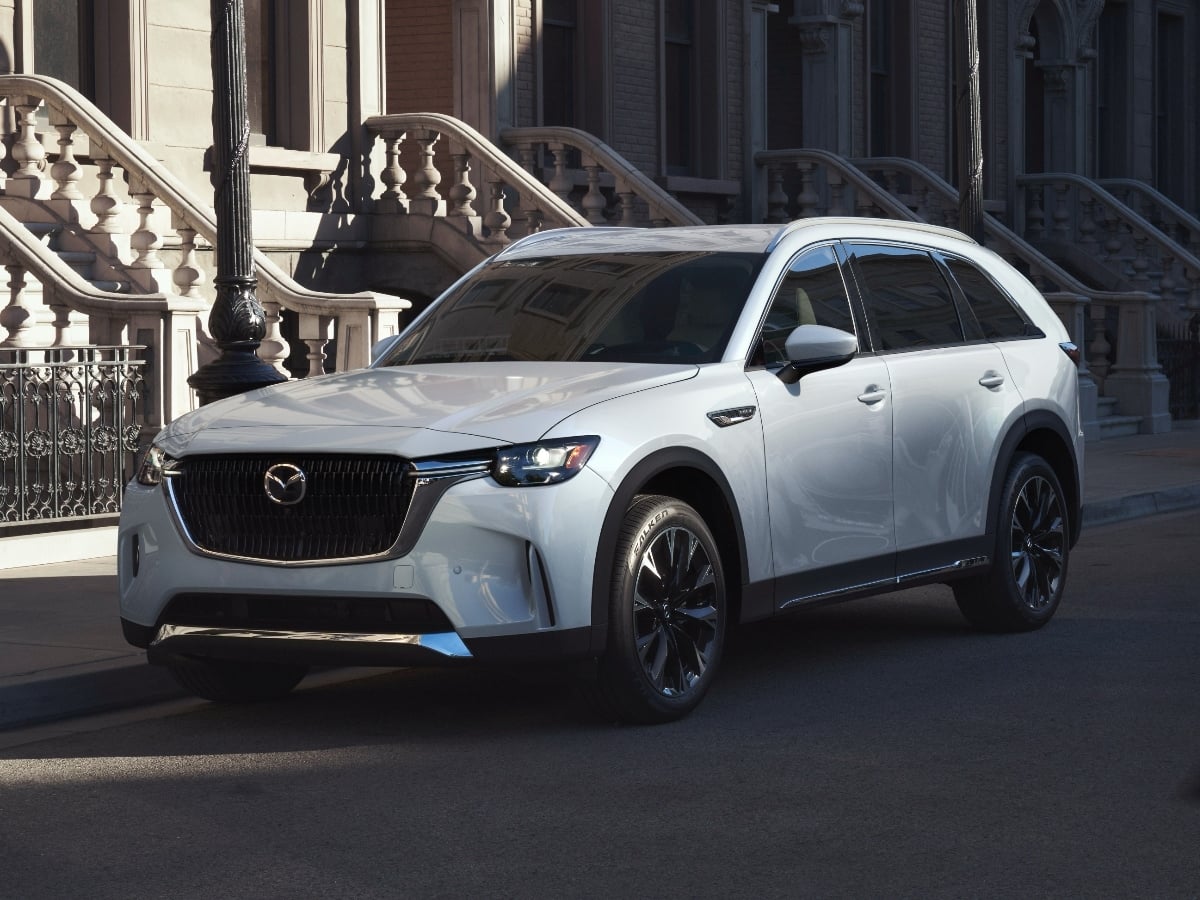
Mazda is discontinuing the five-passenger midsize CX-70 crossover SUV for the 2027 model year. But do not worry. The automaker is moving that configuration to the CX-90 lineup, where it will be ...See More
Read the Full Article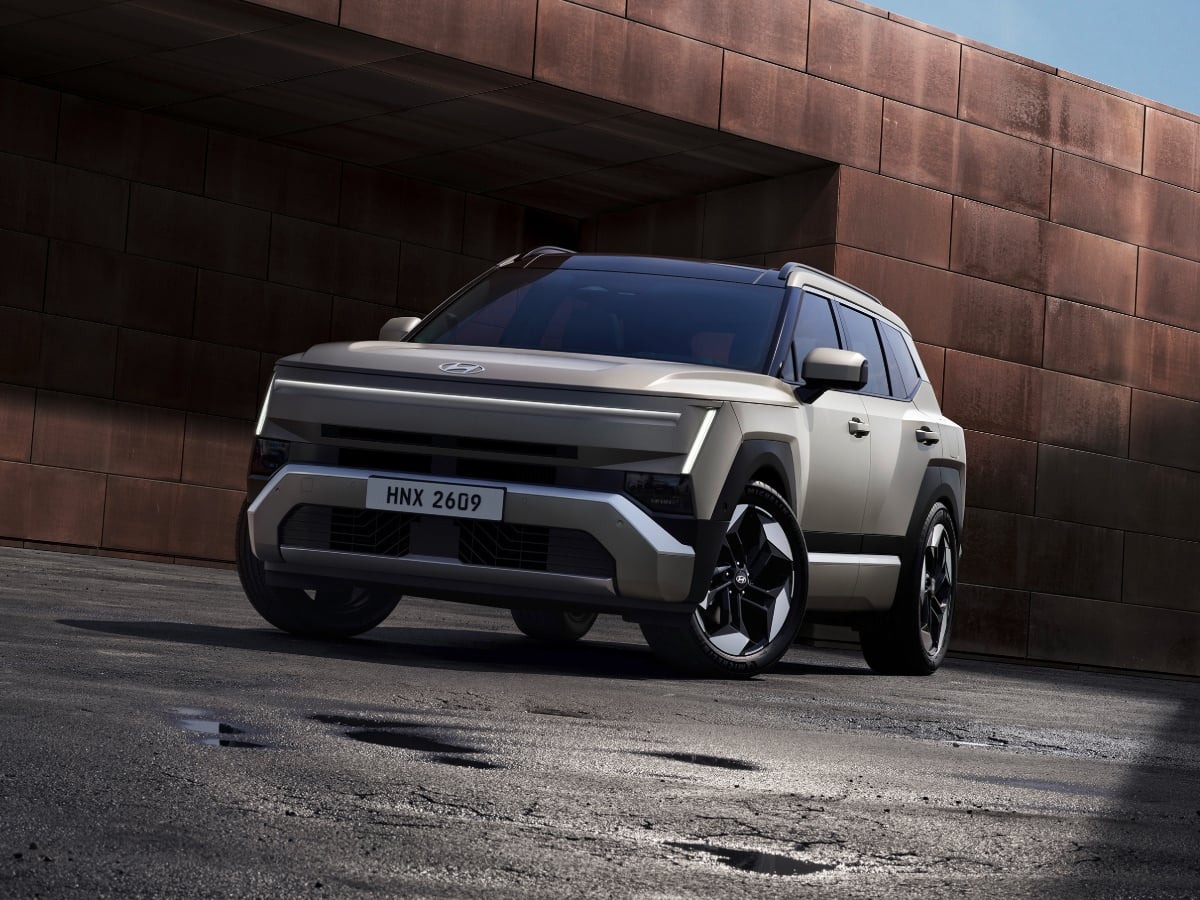
With a purposeful new design and some trail-ready upgrades, the 2027 Hyundai Tucson is pushing the brand's best-selling crossover SUV into more aggressive territory.
Read the Full Article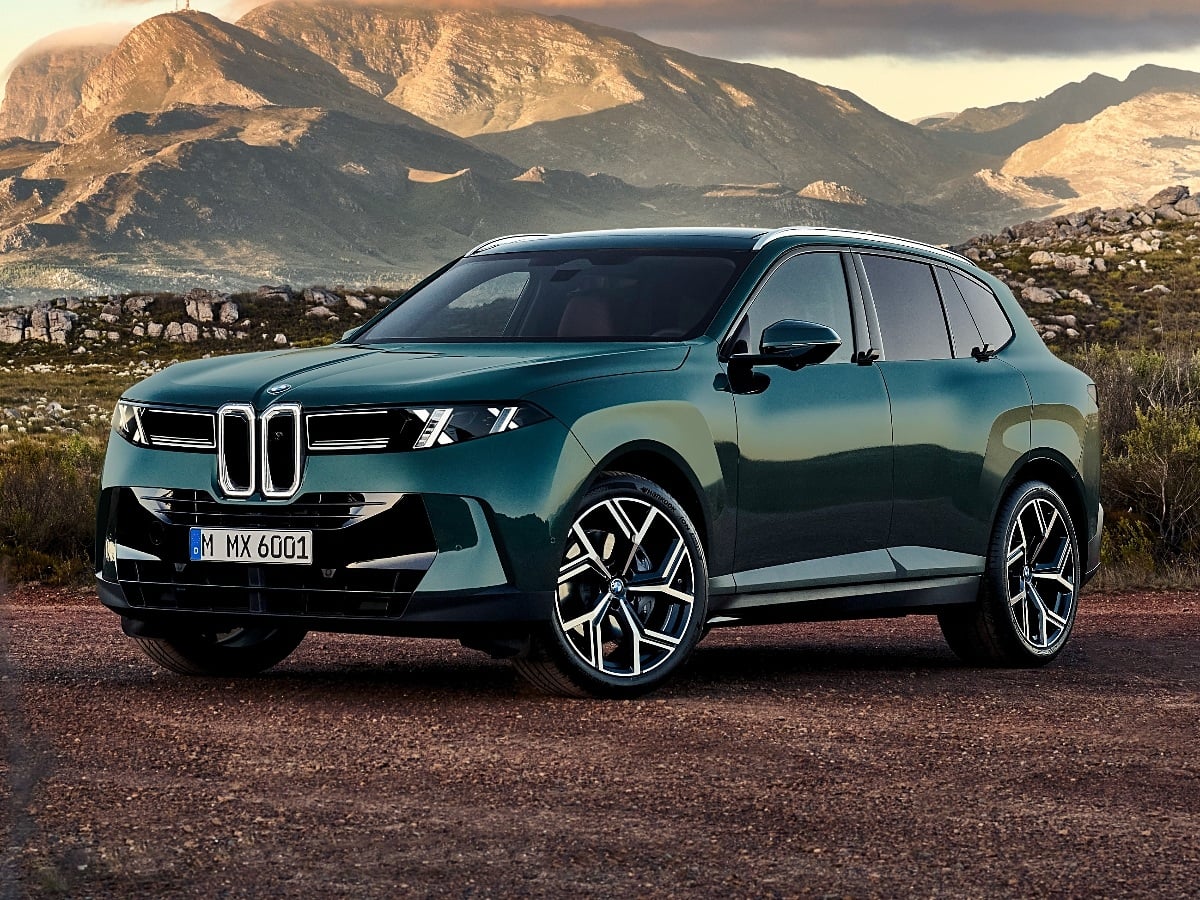
For more than 25 years, the BMW X5 has helped to define the luxury SUV segment. Now, the redesigned fifth-generation 2027 BMW X5 arrives with the automaker’s Neue Klasse styling, a roomier interior, ...See More
Read the Full Article