
Modern vehicles are equipped with various systems and technological features to deal with different challenges. You have cruise control that allows you to maintain a constant speed, and then there’s ABS that helps the driver not lose control of the vehicle during braking.
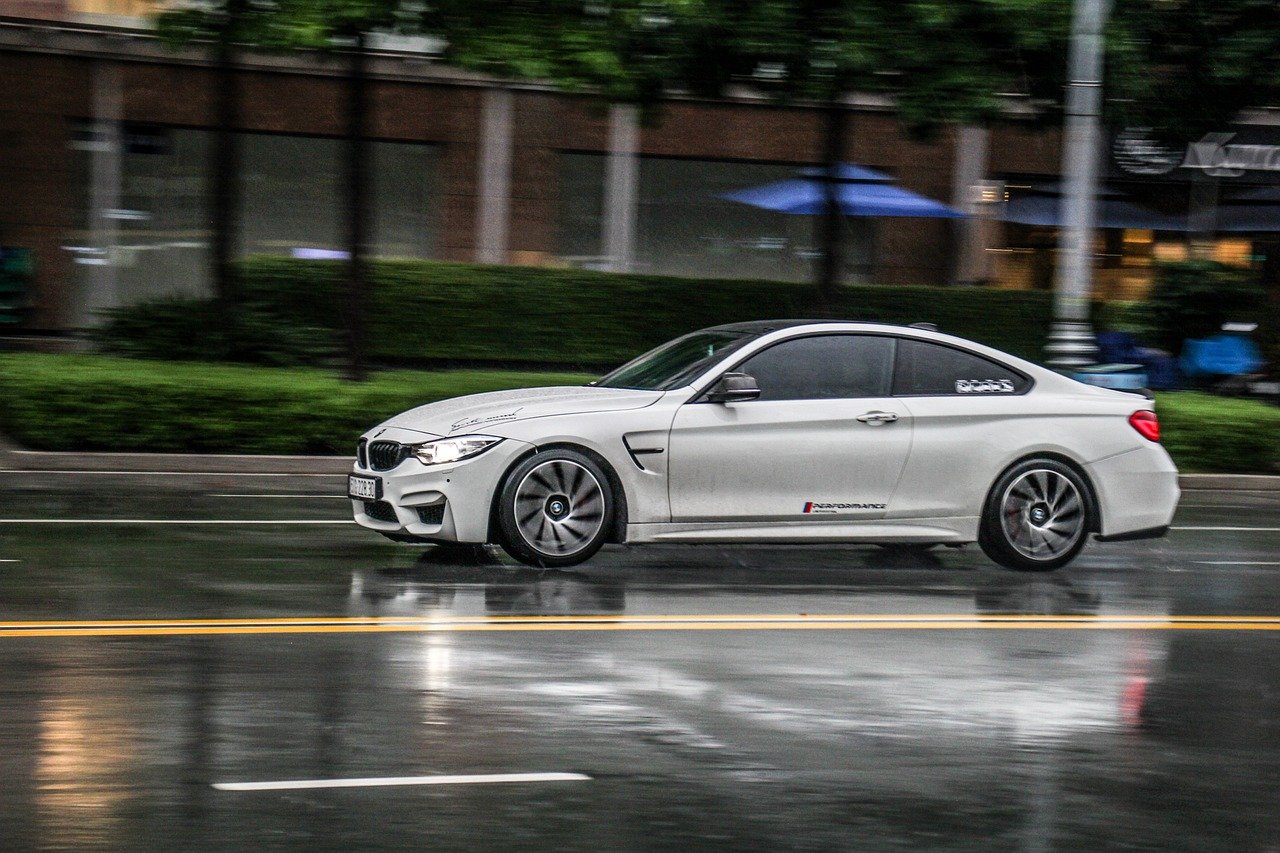
However, there is nothing more essential than an ESP (Electronic Stability Program) or ESC. Knowing how it works and what goes inside this system can help you troubleshoot or even fix it in certain situations. Let’s find out what the ESC is and what it does for your vehicle.
Practically every modern car model comes with ESC (Electronic Stability Control) installed. ESC works fast, so quickly that you may not even feel the need to correct your steering when driving. The system consists of several components, including the hydraulic unit, the engine unit, and a range of sensors.
What components go into the ESC? There are speed sensors under each wheel of your car. These ensure that your ride can slow its forward momentum properly. Then comes the control unit. It collects steering and rotation information so that it would know the direction you are heading in. If it notices that your driving trajectory does not match the steering wheel’s position, it starts to apply the brakes automatically.
ESC or ESP combines different technologies to keep the car on the road, such as anti-lock brakes (ABS) and TCS (traction control). As you keep moving, the sensors in your vehicle feed data into the onboard computer. Then the computer compares your input to how the car behaves, and if you’re rushing straight due to an icy road, it steps in and helps you out.
It also commands the ABS, telling the anti-lock brakes to “pulse” during sharp brakes and allowing the wheels to regain grip. ESC also manages traction control and directs just how much power is drawn from the engine. So, less power will be redirected towards the wheels if your tires spin uselessly.
Another vital part of ESC are light indicators that you can find on your dashboard. They light up in various situations, but it doesn’t always mean you’re in danger. They turn on for specific reasons. Let’s take a look at each of these:
When you are in a situation where intervention from the ESC system is needed, the lights will illuminate the dashboard. It indicates that your vehicle is slipping. There is nothing to worry about, and once you regain control, the light will turn off.
You can disable ESC with a press of a button, and you should from time to time. For instance, when you drive up an incline with an icy patch. Because the system is essential for safety, the light will remain until you re-enable it.
Without data from the steering angle sensor, your car’s ESC can’t function correctly. It can’t compare input from the brakes and wheels to the direction you are taking the car. So, unsurprisingly, the light will illuminate whenever the process does not go as intended.
The Anti-lock Braking System or ABS helps prevent your wheels from locking up, so you can steer your vehicle to safety in an emergency. Both ABS and the Wheel Speed Sensor feed into the overall control of ESC. Whenever there is something wrong with them, multiple lights may turn on your dashboard.
Your car could have an electrical issue that prevents one or more ESC components from functioning. Just like in other situations, it prompts the light to illuminate and requires some investigation on your part.
If you recently changed the battery, the tires, or had brake maintenance performed, you should ensure that everything was put back correctly. In some cases, the entire ESC system should be re-initialized as even minor changes disrupt its functioning.
In general, ESC is a handy system that will ensure you are always safe. It controls lots of other systems within your car and is extremely precise, which makes it a very reliable tool at your disposal.
That said, you should always pay attention to the dashboard to see if the indicator is on. It doesn’t necessarily mean something bad happened, but it never hurts to be careful, as it illuminates for various reasons.


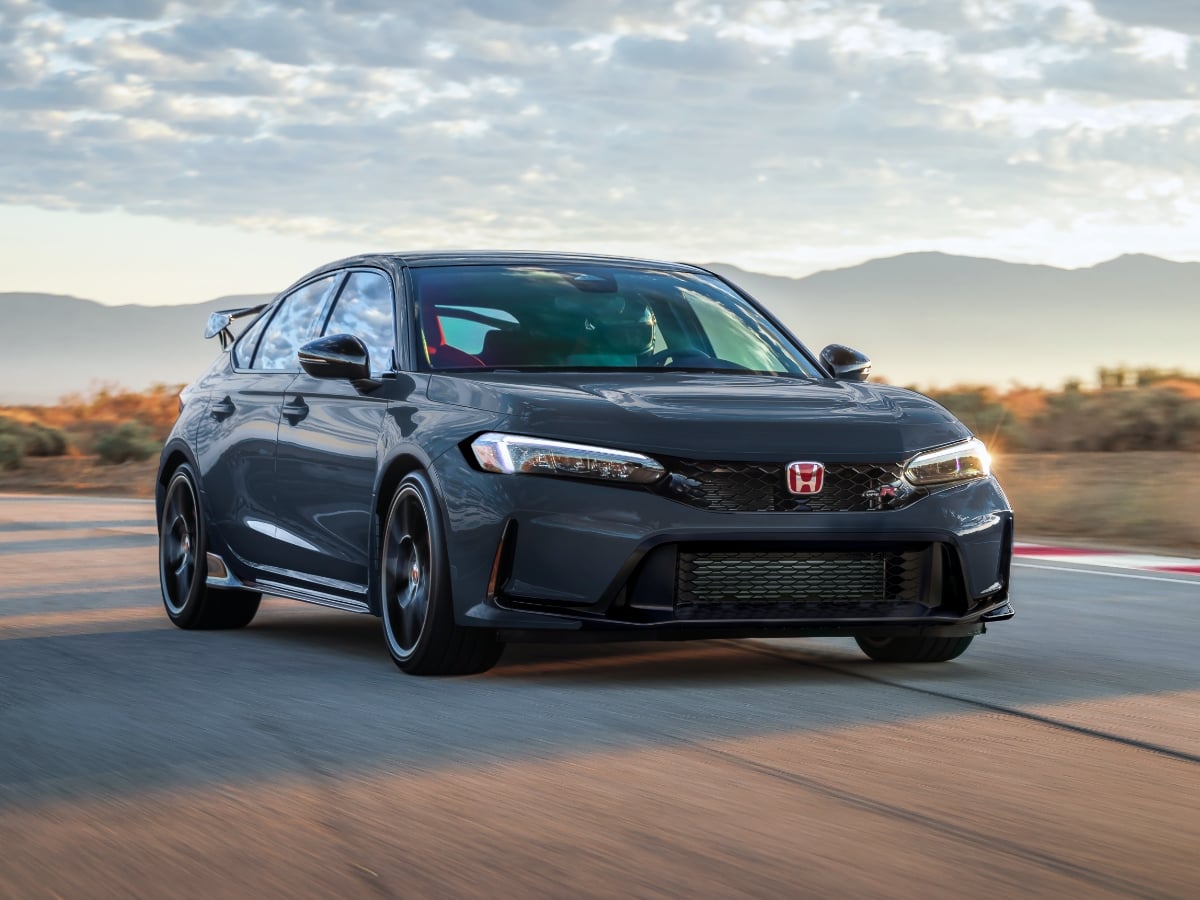
The 2027 Civic Type R goes on sale in October 2026, and it starts at $49,990, including the $1,295 destination charge.
Read the Full Article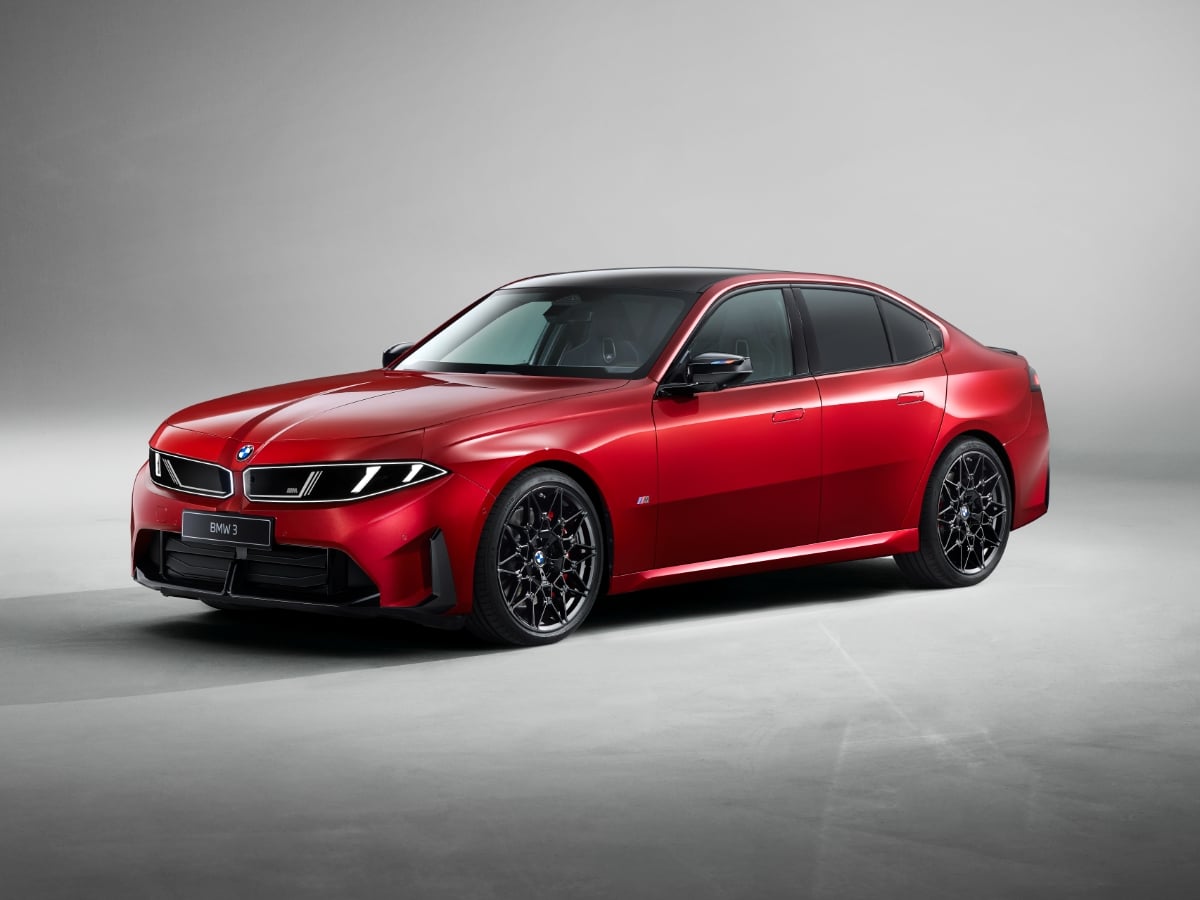
Part of BMW’s Neue Klasse (new class) rollout of redesigned models, the 2027 BMW 3 Series is all-new and goes on sale in the first quarter of 2027.
Read the Full Article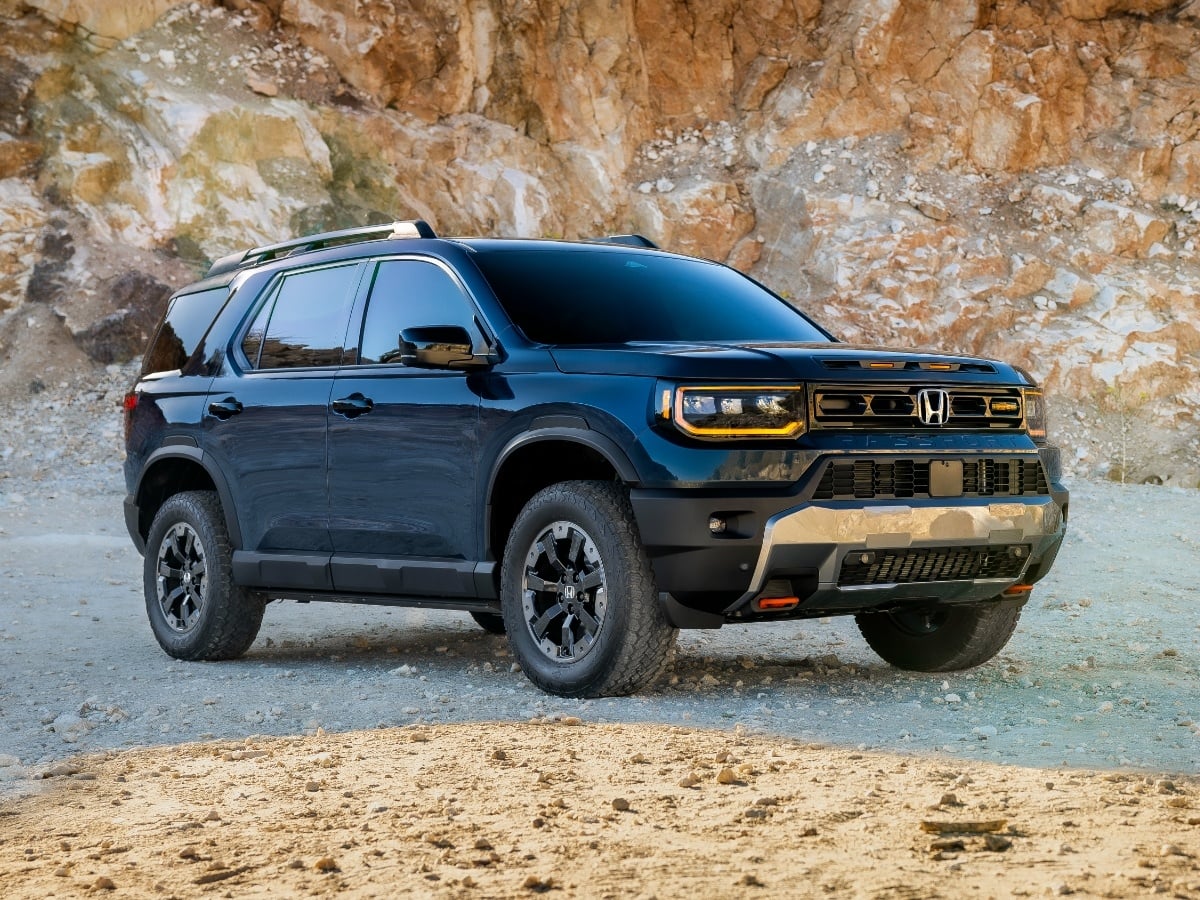
Updates to the 2027 Honda Passport TrailSport include a reworked suspension, improved steering, subtle styling enhancements, and added standard equipment.
Read the Full Article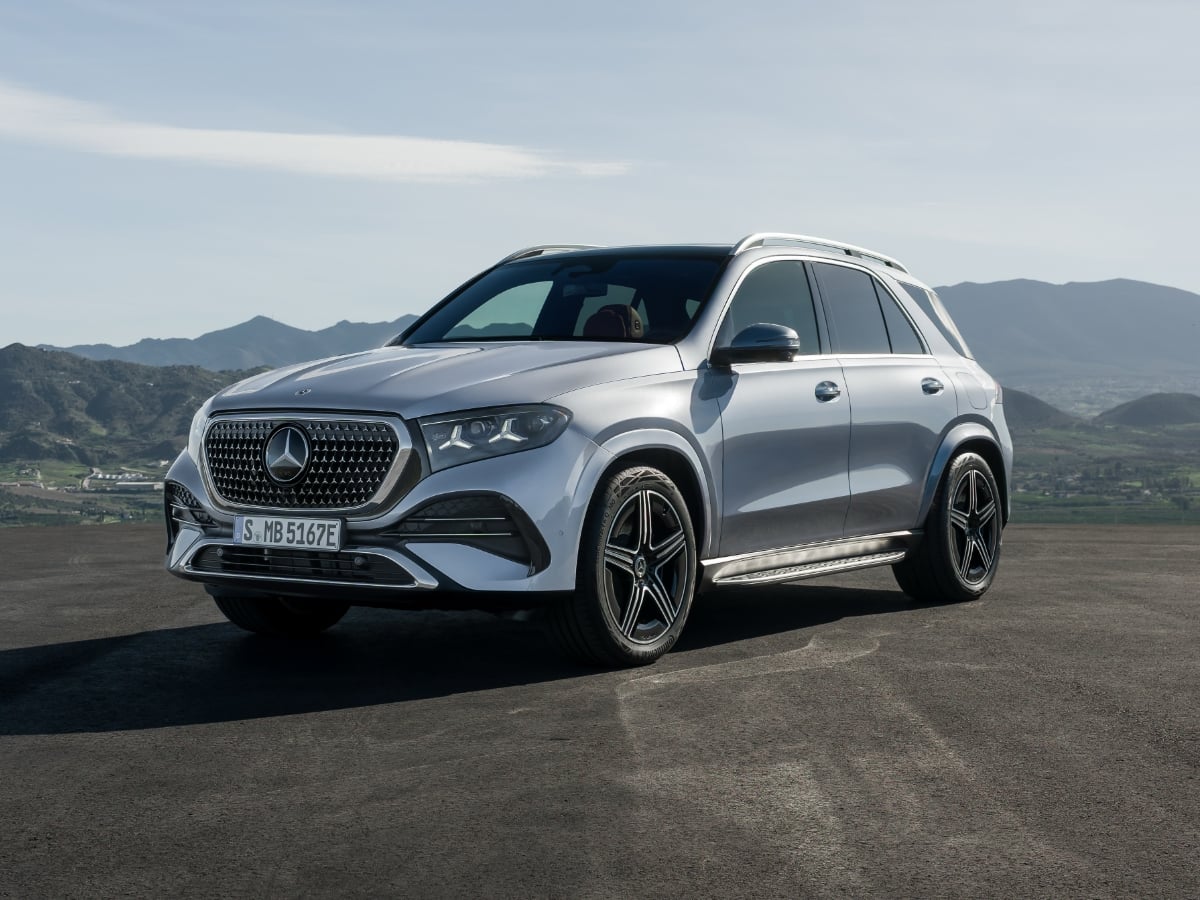
The midsize 2027 Mercedes GLE remains available in original and spicy Coupe recipes, now with standard 4Matic all-wheel drive (AWD), MBUX Superscreen technology, and a panoramic glass sunroof for ...See More
Read the Full Article