
Pretty much every modern car is equipped with a driving mode selection system. Usually, this choice implies at least three modes: standard, sport, and eco. The truth is, in most cases, the difference between them may not be that significant. Sometimes, it is hardly noticeable. Car manufacturers decided to contribute to ecology preservation, adding the so-called Eco mode to the vehicles’ system. Although it is said to help save fuel, it definitely doesn’t save you money, as the engine’s service life may be reduced when using this mode.

Many modern cars are meant to teach the driver the principles of economical driving. The system shows motorists how fuel consumption changes depending on their driving style and tells them what to do to reduce consumption.
In Eco mode, the operation of some energy-intensive car systems, such as air conditioning and steering system, changes. In addition, the operation of some control functions, including acceleration, gear shifting, deceleration, and others, changes as well.
In this mode, the driver is almost forced to drive the car smoothly, not to press the accelerator pedal sharply at the moment of driving in intermediate gears, use a high gear more often, try not to accelerate intensively, drive so that it is not necessary to brake sharply and frequently, and not to change speed when driving on hills.
So how effective is Eco mode in reducing carbon emissions and saving fuel? In fact, there is no exact data. Each manufacturer understands Eco in their own way. For example, Ford claimed that following its driving recommendations, the 2012 Focus saves as much as 24% fuel in the said mode. Hyundai reported that Active Eco mode improved fuel economy by up to 7%.
Experienced motorists claim that Eco mode does indeed use less gasoline. Moreover, it optimizes the driving characteristics of your vehicle, promoting a more economical and environmentally friendly driving style. When you use this driving mode, you save fuel and take care of the environment.
Although Eco mode saves you some money due to decreased fuel consumption, it leads to additional wear and tear. Driving at low speeds and low rpm increases the intensity of engine, clutch, and gearbox wear. Low-volume engines in particular suffer from this, as they have to strain hard and drag a heavy car when operating in Eco mode at low speeds.
The lower the speed at which the engine is running, the lower the volume of oil that passes through the entire engine system. In Eco mode, the engine does not receive enough lubrication. Due to friction and high temperatures in conditions of oil starvation, the wear of engine components increases manifold. At the same time, almost all components of the cylinder-piston group are hit. The cost of replacing them can more than outweigh the savings on fuel.
The transmission also suffers. When driving in eco-mode, the automatic transmission, even at a low speed, switches from a higher gear to a lower one and back again. Such sharp and frequent transitions additionally load the gearbox and all its components. In particular, not only automatic transmissions but also robotized transmissions suffer from such modes of operation.
Do not go to extremes and think that the Eco mode is definitely bad for the car. Use this function in small increments and understand that it will be useful for the engine to work in a more intensive manner, for example, in a sports mode. If you change the mode from "Eco" to "Sport" for long enough, the engine will have time to warm up, and the exhaust system will have time to burn off soot and carbon deposits that are formed in the catalyst when driving in economy mode frequently.
Also, note that there are many ways to achieve moderate fuel consumption without the activation of Eco mode. Even in the standard mode, the motorist can drive without creating additional wear and tear factors for the engine.


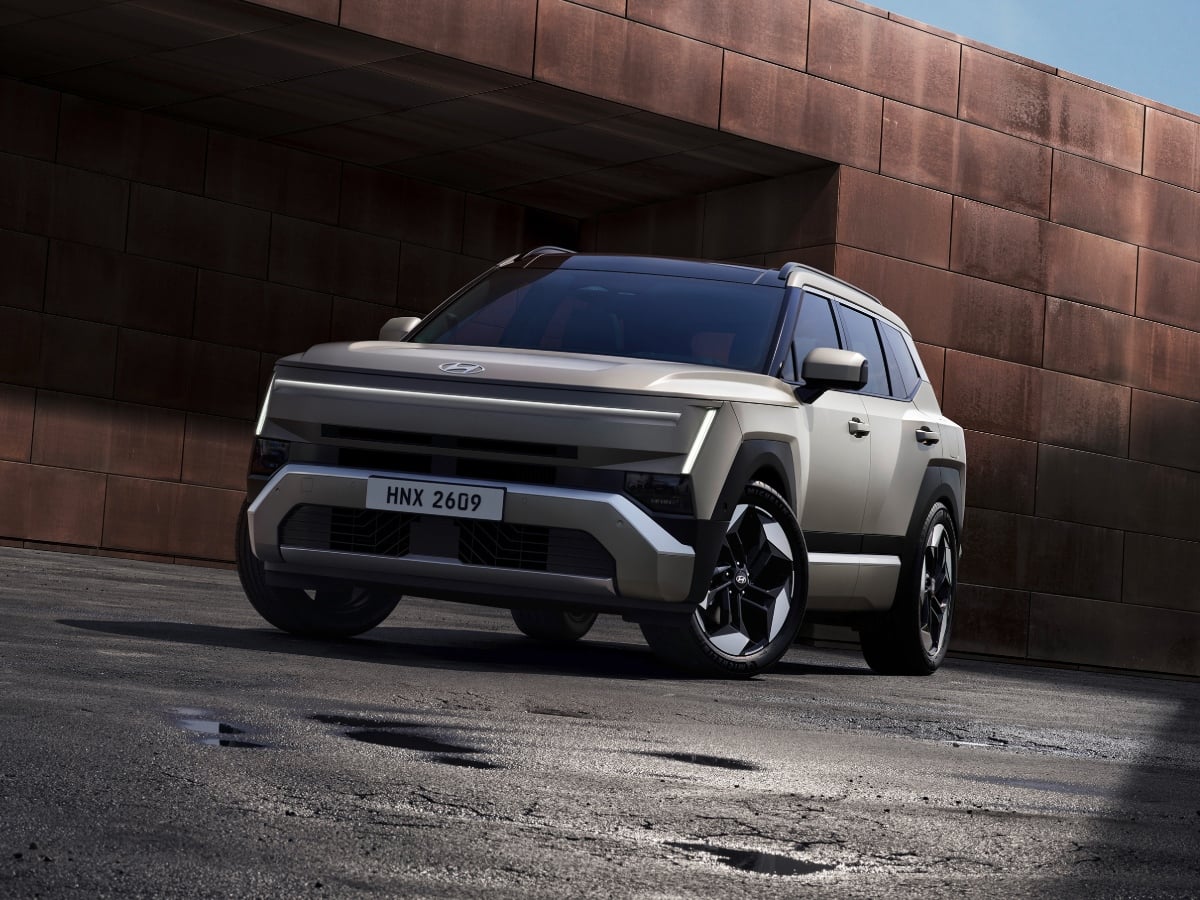
With a purposeful new design and some trail-ready upgrades, the 2027 Hyundai Tucson is pushing the brand's best-selling crossover SUV into more aggressive territory.
Read the Full Article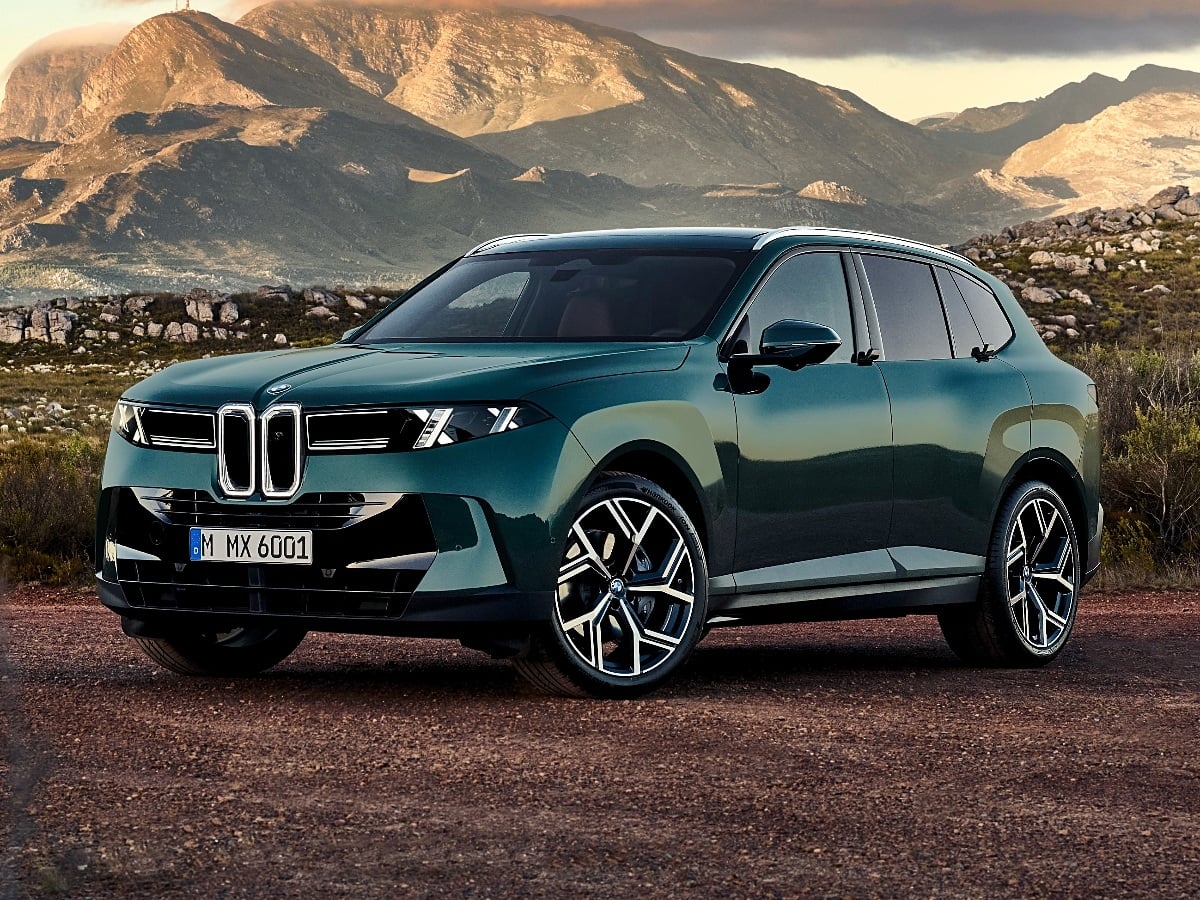
For more than 25 years, the BMW X5 has helped to define the luxury SUV segment. Now, the redesigned fifth-generation 2027 BMW X5 arrives with the automaker’s Neue Klasse styling, a roomier interior, ...See More
Read the Full Article
One of Lexus's most popular models, the NX crossover SUV is also one of the most affordable in the company’s lineup. The 2027 Lexus NX transitions to hybrid-only powertrains, and gets revised ...See More
Read the Full Article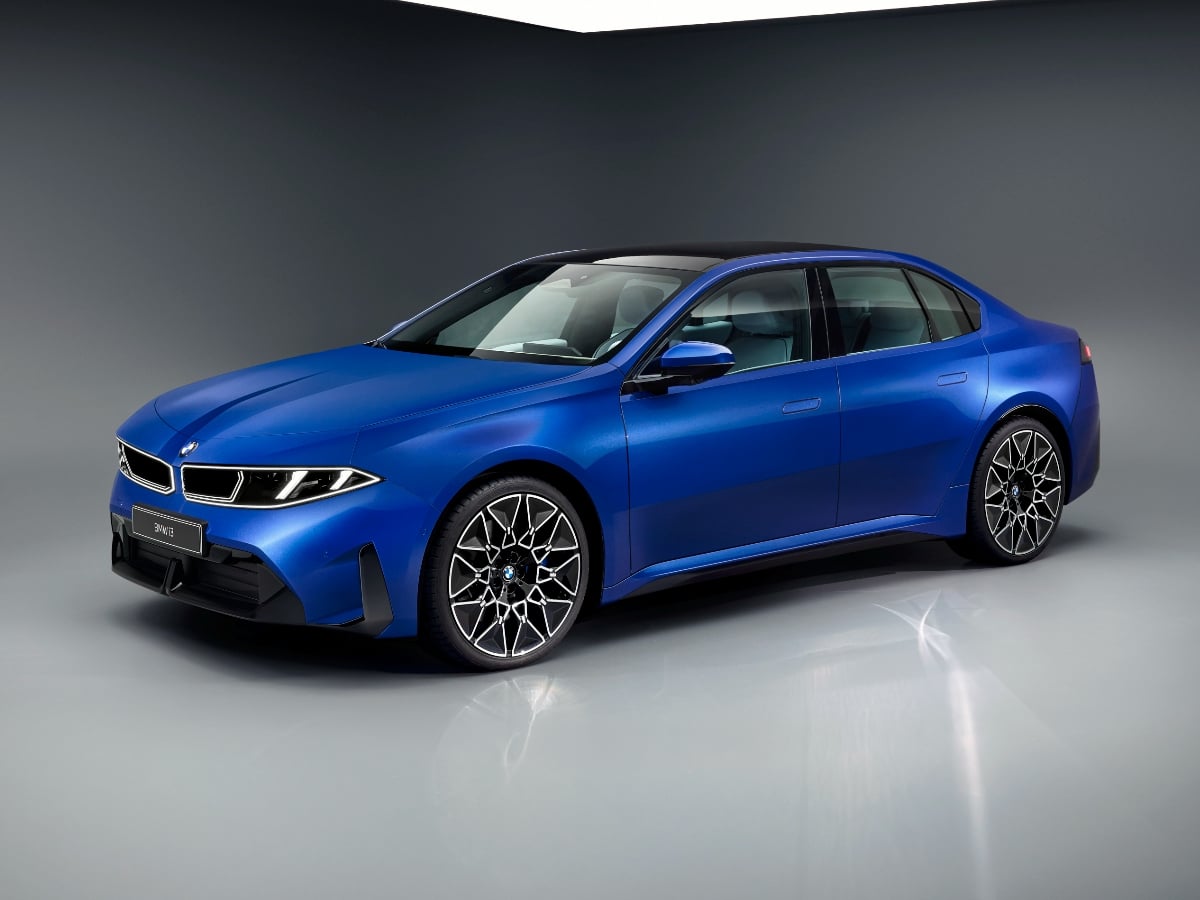
The new 2027 BMW i3 boasts an estimated range of up to 440 miles, 400-kilowatt DC fast charging capability, bidirectional charging to a home or the grid, and next-generation technology.
Read the Full Article