
When considering advanced driver assistance systems (ADAS), it's crucial to remember the extensive array of technologies that work tirelessly to prevent accidents, from blind-spot warning to lane-keeping assistance to rear cross-traffic warning, and many more. However, there are instances where accidents are inevitable. This is where the significance of automatic collision notification (ACN) comes into play. Automatic collision notification is a post-crash system designed to evaluate an accident's severity and promptly call for assistance.

Automatic collision notification technology first appeared as part of the OnStar telematics system in General Motors (GM) vehicles in the mid-1990s. It quickly became a household term.
Fast forward almost three decades, and today, most car manufacturers incorporate some form of ACN. This could be in the form of a built-in or smartphone-paired cellular technology. In the event of an accident, this technology automatically triggers a call to a live emergency call center agent, who reaches out to the vehicle's occupants within moments. Additionally, there's usually an in-cabin “SOS” button, typically located near the rearview mirror, that allows occupants to establish this connection manually.
The ACN system springs into action when the vehicle detects a collision through airbag deployment or impact sensor trigger. The call center agent will attempt to speak with the vehicle's occupants to assess potential injury and damage.
In much the same way a 9-1-1 operator would stay on the line with you in an emergency, the ACN agent will ask questions to gain as much information as possible about the welfare of the occupants.
Once the response center agent determines what emergency assistance is needed, they notify local emergency services to dispatch the appropriate first responders—fire, police, or emergency medical services. Global positioning satellite (GPS) technology allows the response center to know the vehicle's exact location.
If the vehicle's occupants cannot respond, the agent will automatically notify emergency services. The ACN system is on-call 24 hours a day, 365 days a year because accidents can happen anytime.
According to Consumer Reports, a 2019 National Highway Traffic Safety Administration (NHTSA) study estimated that ACN could save upwards of 700 lives each year. Based on that, this technology would likely help thousands more in non-life-threatening accident scenarios.
In many cases, quick response and medical care can help lessen the severity of an injury and even be the difference between life and death. First responders and medical professionals often refer to the "Golden Hour"—the first minutes after trauma occurs—and the urgency of receiving medical attention during this critical time. To that end, ACN helps get first responders to accident victims as quickly as possible.
Although ACN technology is reliable, its operation depends upon the vehicle's telematics device being in operative condition, having good cellular connectivity, and having GPS signal reception. Deficiencies in any of these areas can limit the ability to reach the response center and receive emergency support.
As such, an accident in a remote area may not allow ACN to assist. Drivers should be conscious of this when traveling through areas where the cellular connection is weak.
Advanced ACN (AACN) refers to an evolution in ACN technology. Although not yet widespread, AACN will provide more critical data regarding the collision, including vehicle speed, number of occupants, and airbag deployment specifics. This information can help prepare first responders better before reaching the accident location.
Some automakers offer ACN free, while others charge for the service. Below is a list of each auto brand and whether it charges extra for ACN.
Car brands with free ACN:
Car brands with a free ACN trial period followed by a paid subscription:
With automatic collision notification, or ACN, drivers and passengers can take comfort knowing that help is on the way when needed.
To learn more about various automotive technologies, visit the Shopping Guides section of the website.
Jessica Shea Choksey is an experienced writer in the automotive field. In addition to JDPower.com, she was a correspondent for PBS's MotorWeek and her work has appeared in AutoTrader.


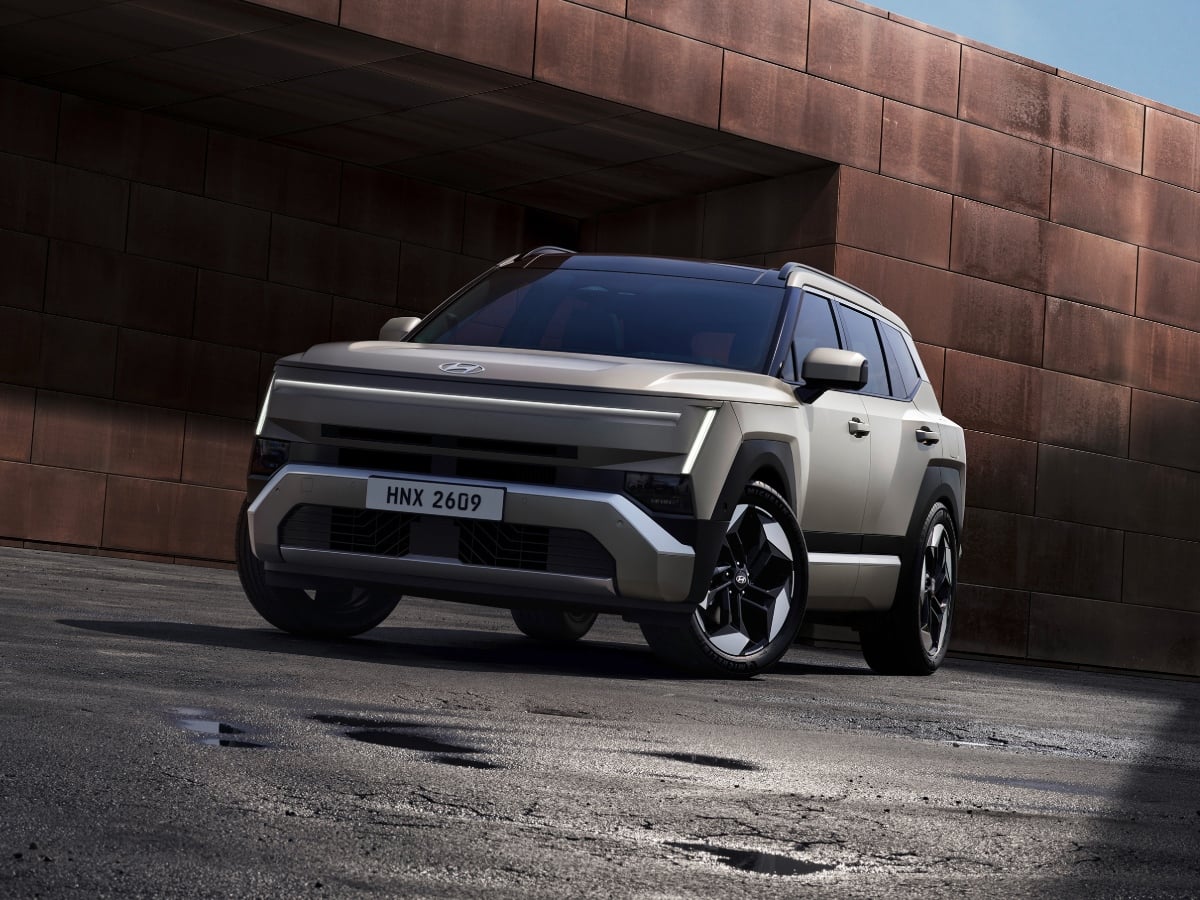
With a purposeful new design and some trail-ready upgrades, the 2027 Hyundai Tucson is pushing the brand's best-selling crossover SUV into more aggressive territory.
Read the Full Article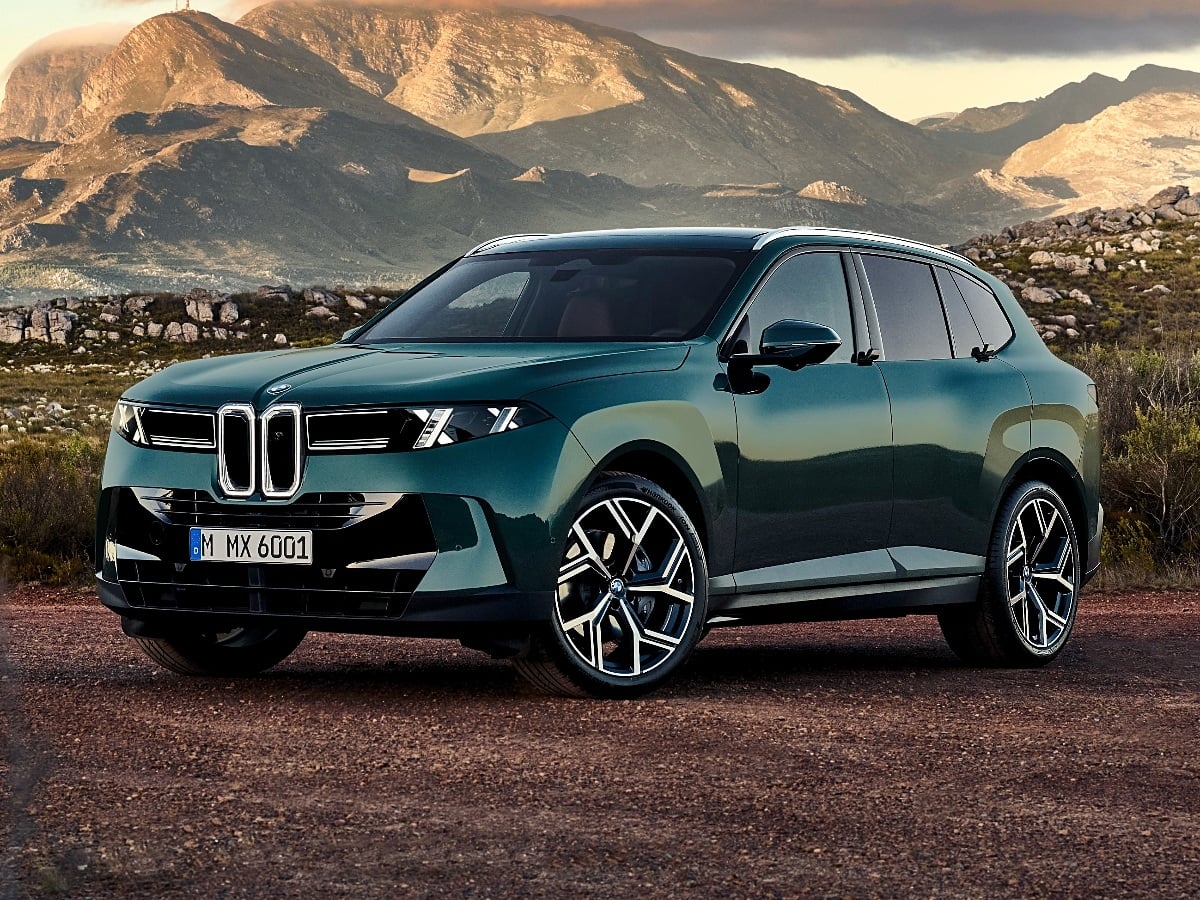
For more than 25 years, the BMW X5 has helped to define the luxury SUV segment. Now, the redesigned fifth-generation 2027 BMW X5 arrives with the automaker’s Neue Klasse styling, a roomier interior, ...See More
Read the Full Article
One of Lexus's most popular models, the NX crossover SUV is also one of the most affordable in the company’s lineup. The 2027 Lexus NX transitions to hybrid-only powertrains, and gets revised ...See More
Read the Full Article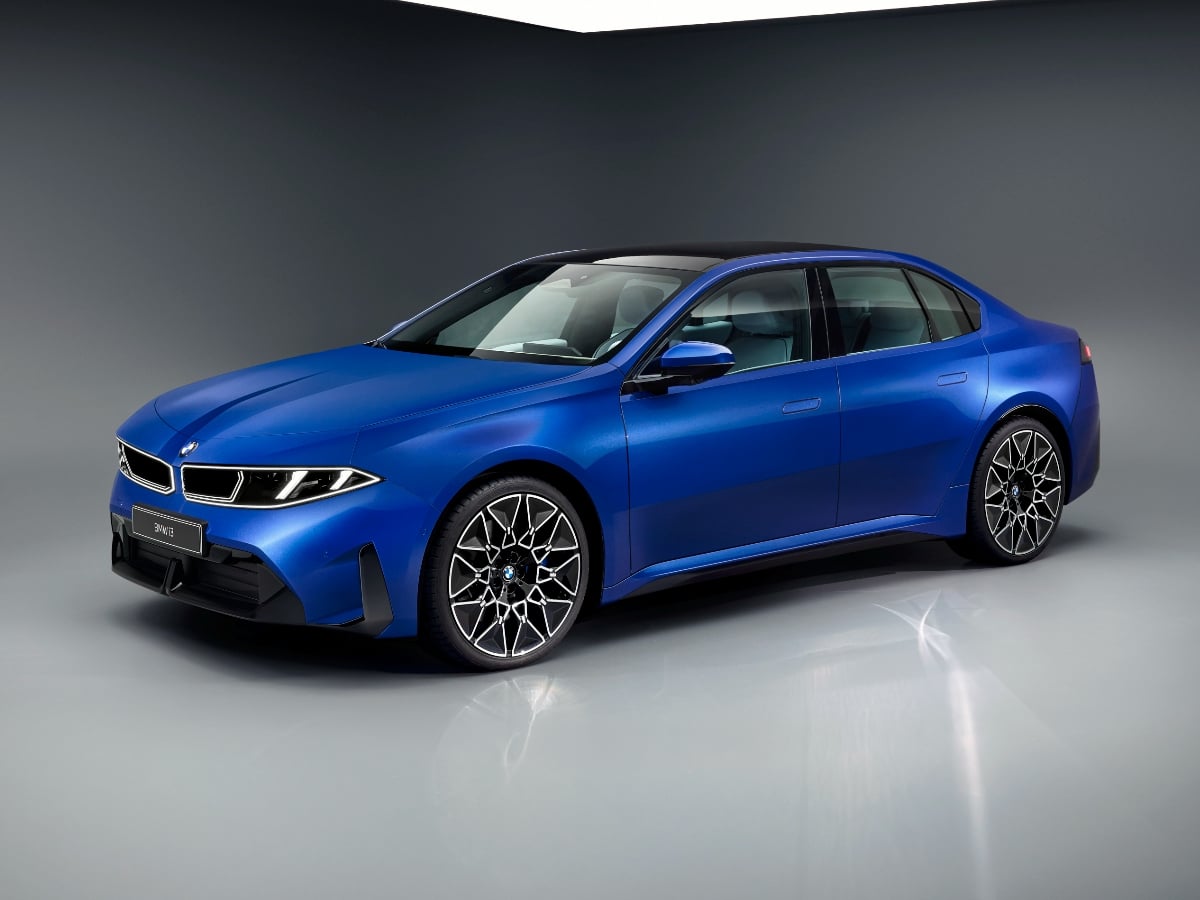
The new 2027 BMW i3 boasts an estimated range of up to 440 miles, 400-kilowatt DC fast charging capability, bidirectional charging to a home or the grid, and next-generation technology.
Read the Full Article