
The ignition control module is a crucial component of a vehicle's ignition system. It is a control unit responsible for regulating the ignition timing and generating sparks to ignite the fuel-air mixture in the engine cylinders. In simpler terms, it is the brain behind the ignition system's operation.

Without a properly functioning ignition control module, a vehicle's engine would fail to start or run inefficiently. The module plays a vital role in ensuring that the spark plugs fire at the right moment and with the correct intensity, allowing for efficient combustion and power delivery. It controls the ignition timing, ensuring the engine runs smoothly and optimally.
To grasp the functioning of an ignition control module, it's essential to have a basic understanding of the ignition system as a whole. The ignition system is responsible for igniting the fuel-air mixture in the engine cylinders, initiating the combustion process that powers the vehicle. It consists of several components working in synchronization.
The ignition control module plays a pivotal role in the ignition system by controlling the ignition timing and generating sparks at the right moment. It receives signals from various sensors, such as the crankshaft position sensor, to determine the engine's position and rotational speed. Based on this information, it calculates the optimal timing for spark generation.
Once the ignition control module determines the ideal timing, it sends a signal to the ignition coil, instructing it to produce a high-voltage pulse. This high voltage is then distributed to the spark plugs by the distributor or coil packs, generating sparks. These sparks ignite the compressed fuel-air mixture, initiating combustion and powering the engine.
The ignition control module closely interacts with other ignition system components, such as the ignition coil and distributor. The ignition coil, which is responsible for transforming the low voltage from the battery into the high voltage required for spark generation, receives instructions from the ignition control module regarding the timing and intensity of the sparks.
In older vehicles equipped with a distributor, the ignition control module works together to distribute the high voltage from the ignition coil to the appropriate spark plug. However, the ignition control module directly controls each coil's operation in modern vehicles with coil packs or individual coil-on-plug systems.
Two main types of ignition control modules have been used in vehicles: traditional mechanical and electronic modules.
In the past, mechanical ignition control modules were commonly used in vehicles. These modules relied on mechanical components and points to control the ignition system. The points would open and close to create the electrical signals for spark generation. However, these mechanical modules were prone to wear and required regular maintenance, including adjustments and replacement of the points.
Technological advancements have made electronic ignition control modules more prevalent in modern vehicles. These modules utilize solid-state electronics to control the ignition system. They feature electronic components such as transistors, capacitors, and integrated circuits to manage ignition timing and spark generation precisely.
Electronic ignition control modules offer several advantages over their mechanical counterparts. They are more reliable and durable since they have no moving parts susceptible to wear. Additionally, electronic modules provide more accurate and consistent ignition system control, leading to improved engine performance and fuel efficiency. They also require less maintenance compared to mechanical modules.
There are notable differences in performance and reliability when comparing traditional mechanical ignition control modules with electronic modules. Mechanical modules may be simpler in design, but their reliance on mechanical parts makes them prone to wear and degradation over time. Regular maintenance and adjustments are necessary to ensure optimal performance.
On the other hand, electronic ignition control modules offer enhanced reliability and durability. Their solid-state construction means they are less susceptible to mechanical failure. Additionally, electronic modules provide more precise control over ignition timing, improving engine performance and reducing emissions.
However, one potential disadvantage of electronic modules is their higher initial cost than mechanical modules. Advanced electronics and integrated circuits increase manufacturing and replacement costs. Electronic modules often require complete replacement in the event of a failure, while mechanical modules may allow for individual component replacement.
Ultimately, the choice between traditional mechanical ignition control modules and electronic modules depends on the vehicle's specific requirements, budget, and desired performance. Modern vehicles predominantly utilize electronic ignition control modules due to their improved reliability and performance advantages.
The ignition control module is a crucial component of a vehicle's ignition system. It controls the ignition timing and spark generation, ensuring efficient combustion and optimal engine performance. It interacts with other components, such as the ignition coil and distributor, to generate sparks immediately. There are two types of ignition control modules: traditional mechanical modules and electronic modules. Electronic modules offer enhanced reliability and precise control, while mechanical modules require more maintenance. The choice between them depends on factors such as cost and desired performance. Overall, the ignition control module is essential for the proper functioning of a vehicle's ignition system.


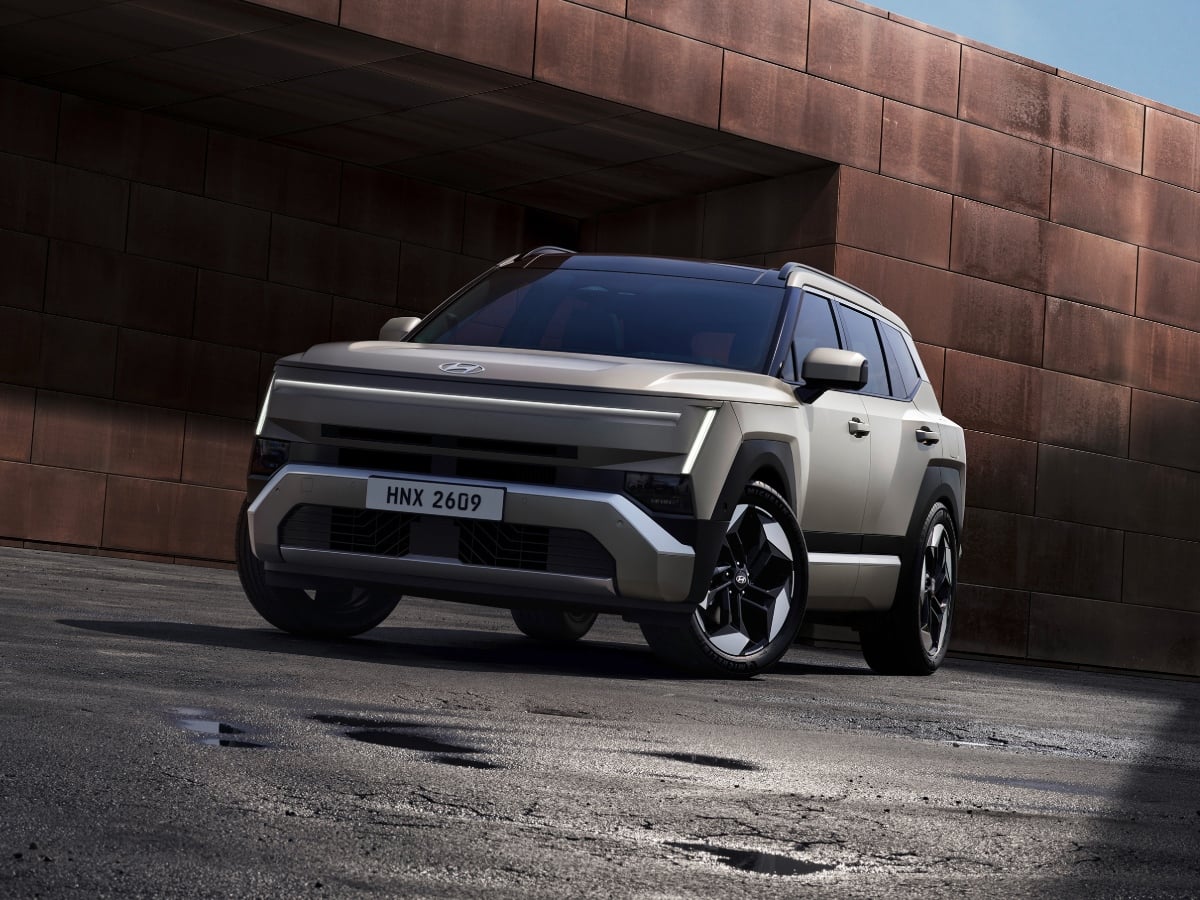
With a purposeful new design and some trail-ready upgrades, the 2027 Hyundai Tucson is pushing the brand's best-selling crossover SUV into more aggressive territory.
Read the Full Article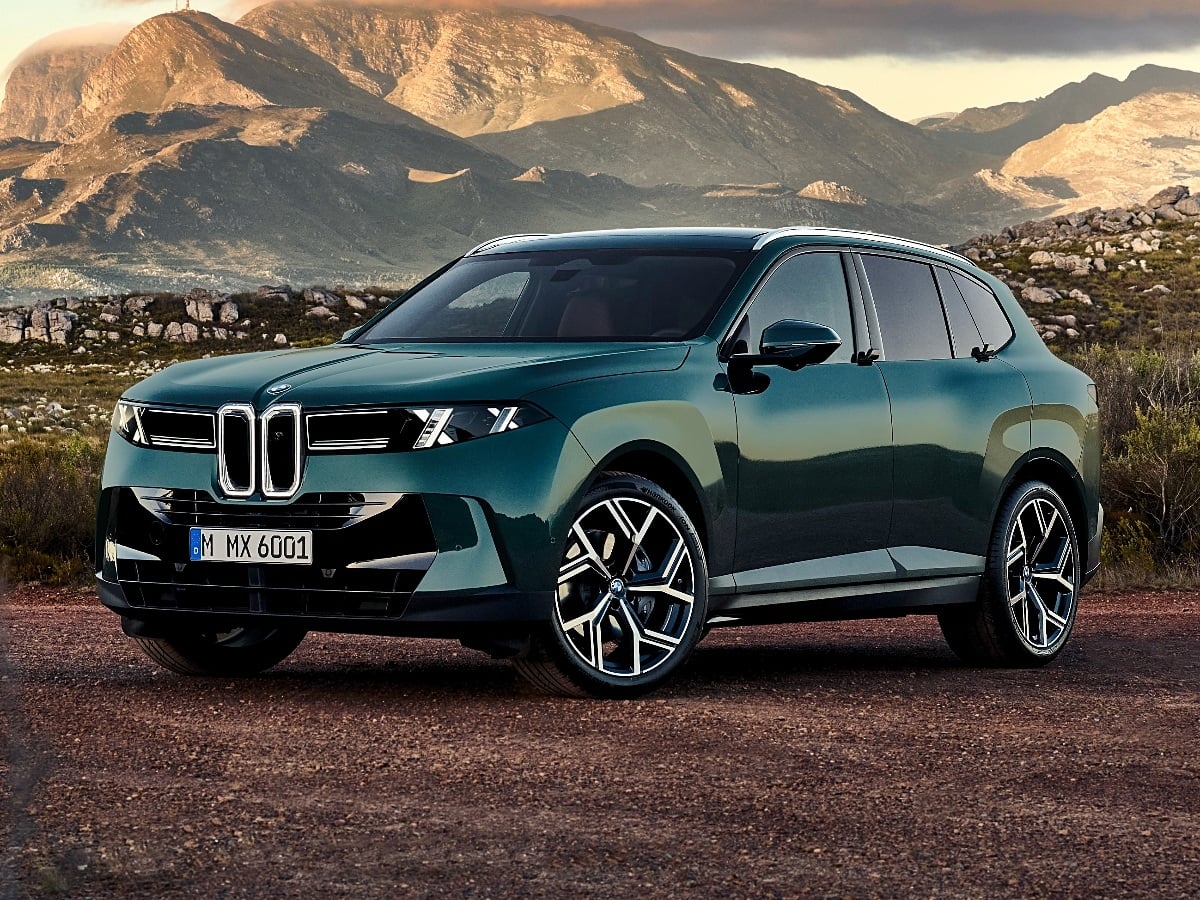
For more than 25 years, the BMW X5 has helped to define the luxury SUV segment. Now, the redesigned fifth-generation 2027 BMW X5 arrives with the automaker’s Neue Klasse styling, a roomier interior, ...See More
Read the Full Article
One of Lexus's most popular models, the NX crossover SUV is also one of the most affordable in the company’s lineup. The 2027 Lexus NX transitions to hybrid-only powertrains, and gets revised ...See More
Read the Full Article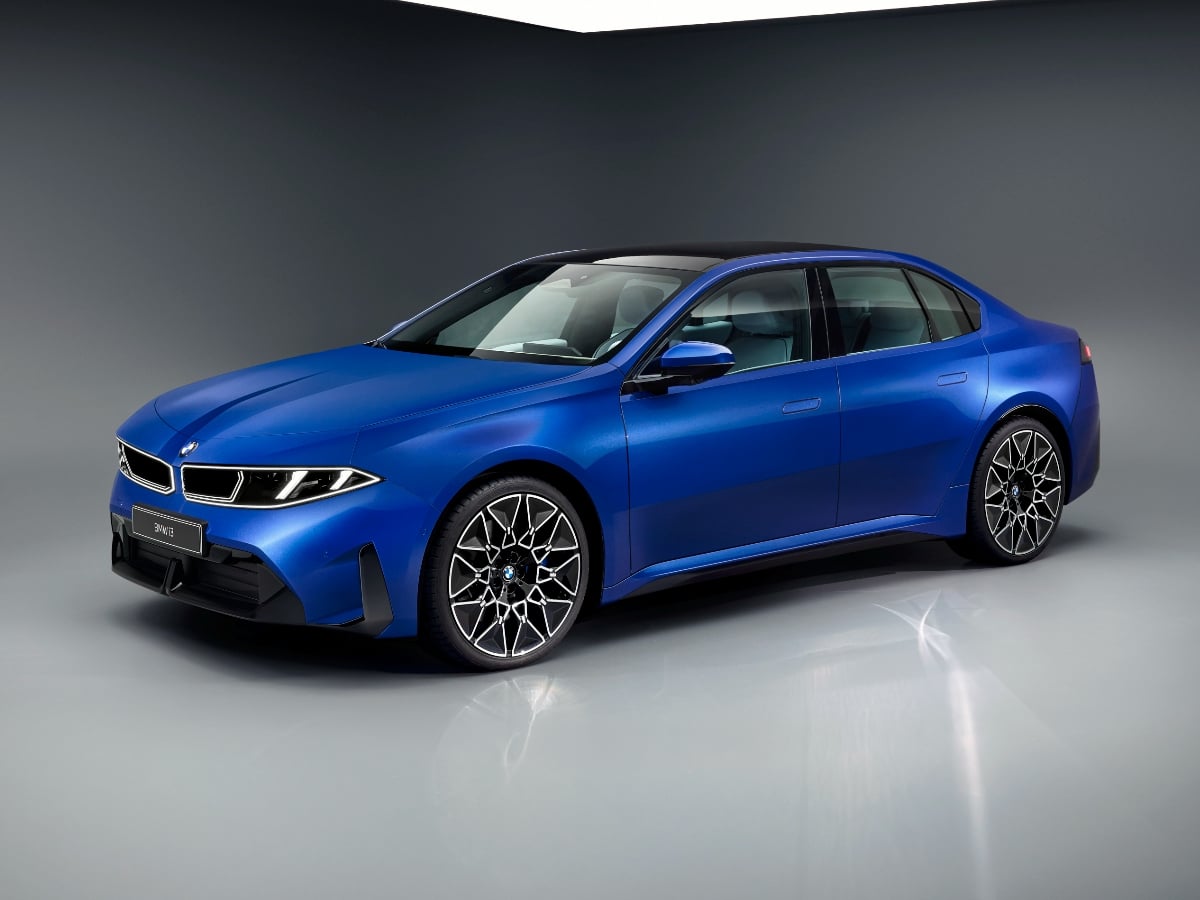
The new 2027 BMW i3 boasts an estimated range of up to 440 miles, 400-kilowatt DC fast charging capability, bidirectional charging to a home or the grid, and next-generation technology.
Read the Full Article