
An ignition coil is a vital component of a vehicle's ignition system. It is responsible for converting the low voltage from the battery into the high voltage needed to produce sparks at the spark plugs. The ignition coil acts as a transformer, utilizing electromagnetic induction to generate the high voltage required for efficient combustion in the engine.

The ignition system is a crucial part of a vehicle's engine, initiating combustion. It comprises several components, including the ignition coil, spark plugs, distributor (in older systems), and control module.
The ignition coil plays a pivotal role in the ignition system by generating the high voltage required to produce sparks at the spark plugs. It is typically connected to the vehicle's battery and ignition switch. When the ignition switch is turned on, a low-voltage current flows through the primary winding of the ignition coil.
The ignition coil transforms the low voltage from the battery into a high voltage output through electromagnetic induction. The primary winding creates a magnetic field when the current flows through it. This magnetic field collapses rapidly when the current is interrupted, inducing a high voltage in the coil's secondary winding. The high voltage output from the secondary winding is sent to the distributor (or directly to the spark plugs in newer systems) to create sparks.
The transformation of low voltage to high voltage through induction in the ignition coil is a crucial step in the ignition process. It ensures that the spark plugs receive a high-voltage pulse, which ionizes the air-fuel mixture in the engine cylinders, creating a spark that ignites the mixture and initiates combustion. The ignition coil's ability to generate high-voltage sparks is vital for efficient engine operation and power delivery.
The ignition coil consists of two primary components: the primary winding and the secondary winding. The primary winding is made of thick wire with relatively few turns. In contrast, the secondary winding is composed of much finer wire with a significantly higher number of turns. The primary winding is connected to the vehicle's electrical system, while the secondary winding generates the high-voltage output.
The core material of the ignition coil plays a crucial role in its construction. It is typically made of a ferromagnetic material such as iron or steel, which helps to intensify the magnetic field generated by the primary winding. The core is often shaped like a hollow cylinder or a stack of laminations to minimize energy losses through magnetic saturation and eddy currents.
The ignition coil features a high-voltage output terminal where the high voltage generated in the secondary winding is delivered. This terminal is typically connected to the distributor (in older systems) or the spark plugs (in newer systems) through high-tension wires. It is designed to withstand the coil's high voltages without electrical leakage.
The different types of ignition coils have their own advantages and disadvantages. Conventional ignition coils are known for their simplicity and reliability. However, they may not deliver the same level of performance and efficiency as DIS and COP coils. DIS coils offer improved ignition performance and better control over spark timing. They eliminate the need for a distributor, simplifying the ignition system. COP coils provide the highest level of ignition performance and efficiency. They deliver stronger and more consistent sparks, improving engine response and fuel economy. However, COP coils can be more expensive and require more frequent maintenance.
an ignition coil is a crucial component of a vehicle's ignition system that transforms low voltage from the battery into high voltage for spark production. It is vital in generating sparks at the spark plugs to initiate combustion. The ignition coil consists of primary and secondary windings, a core material, and a high-voltage output terminal. Different types of ignition coils include conventional coils, distributorless ignition system (DIS) coils, and coil-on-plug (COP) ignition coils. Each type has its own advantages and disadvantages, with DIS and COP coils offering improved performance and efficiency. The choice of ignition coil depends on factors such as the vehicle's make and model, performance requirements, and budget.


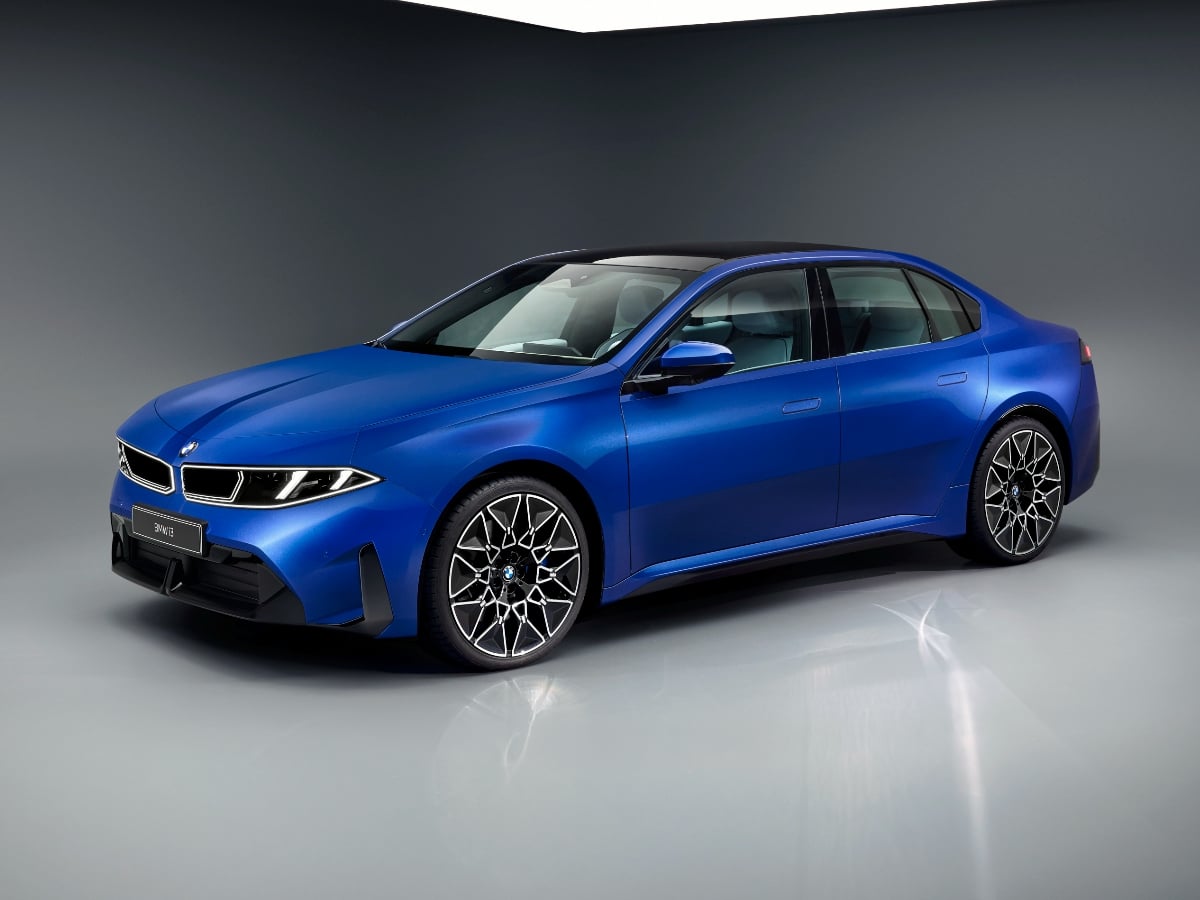
The new 2027 BMW i3 boasts an estimated range of up to 440 miles, 400-kilowatt DC fast charging capability, bidirectional charging to a home or the grid, and next-generation technology.
Read the Full Article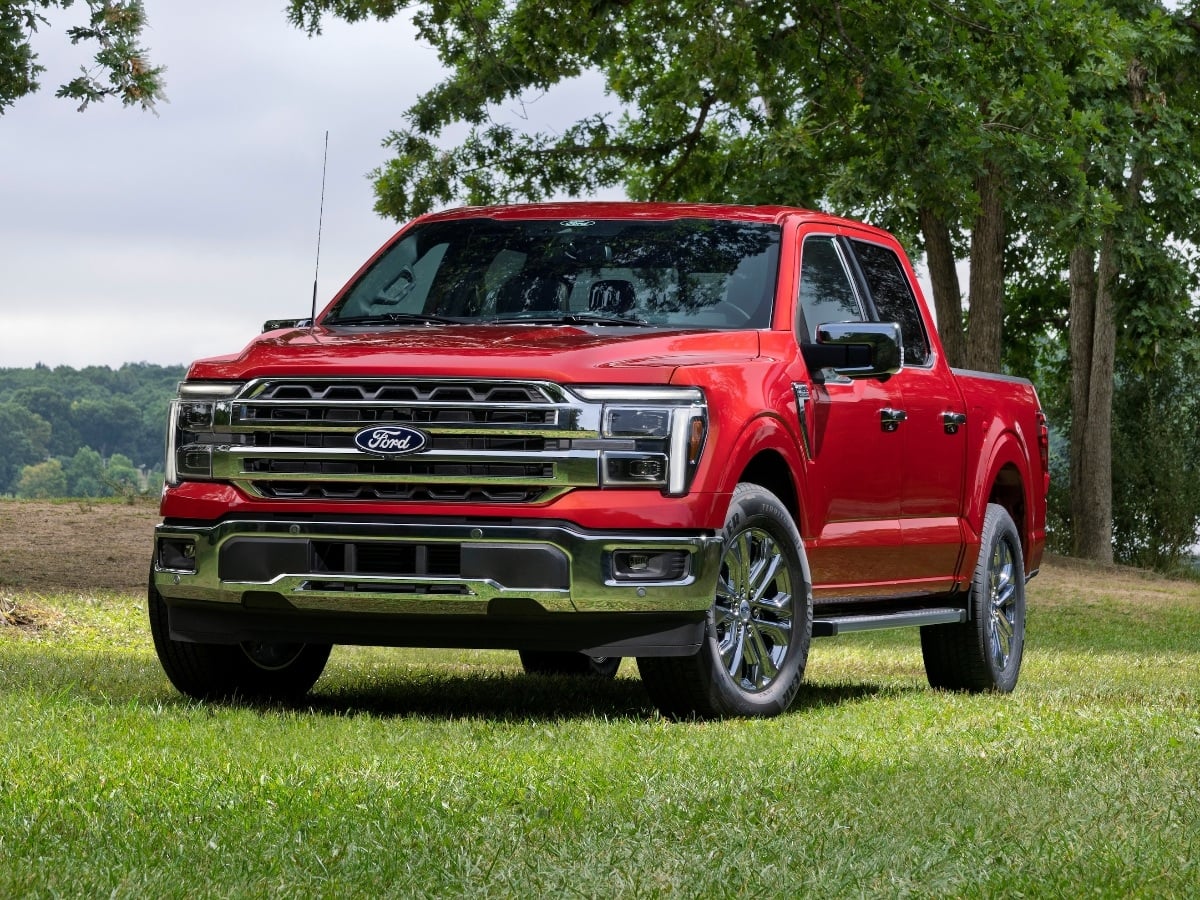
Facing renewed competition in the full-size, light duty pickup truck segment, the 2027 Ford F-150 receives subtle styling updates, a new standard engine, broader availability of its 5.0-liter V8, and ...See More
Read the Full Article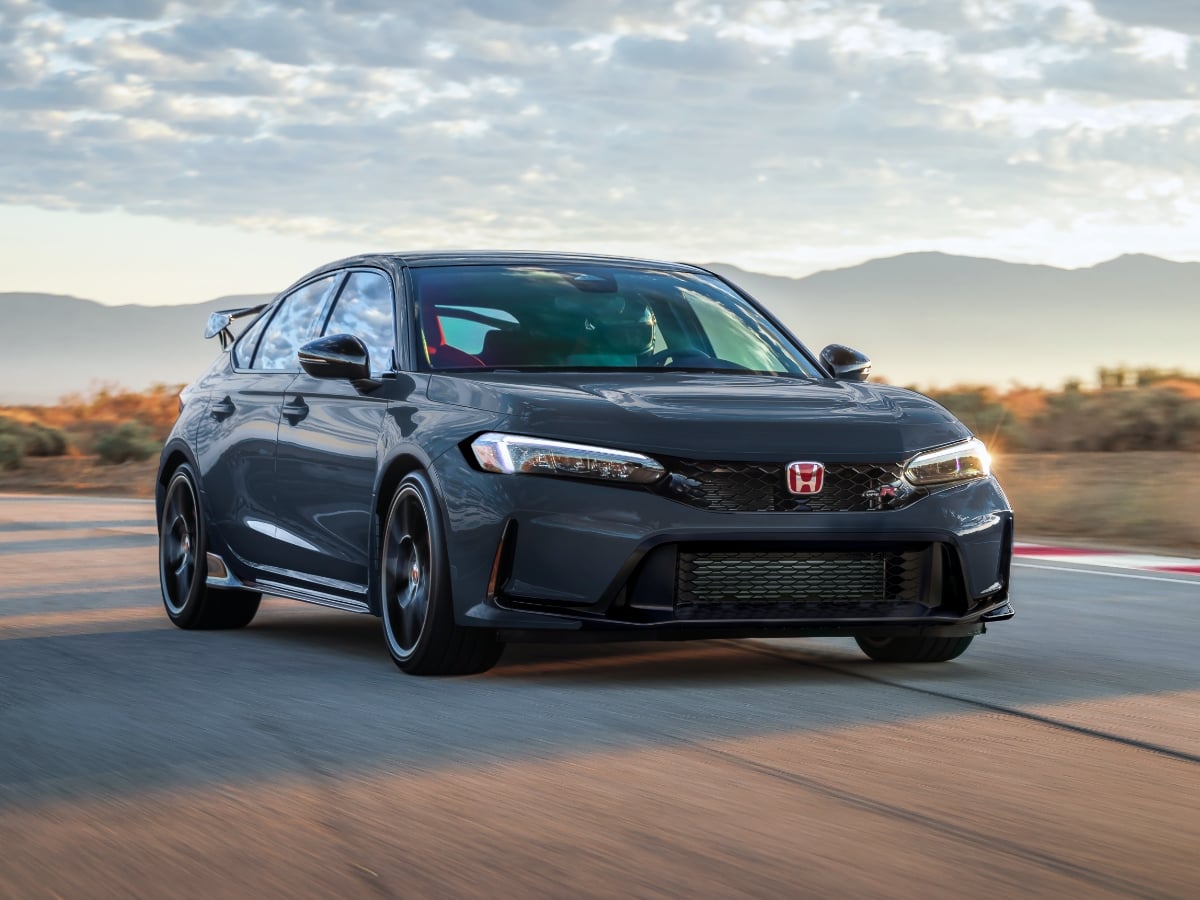
The 2027 Civic Type R goes on sale in October 2026, and it starts at $49,990, including the $1,295 destination charge.
Read the Full Article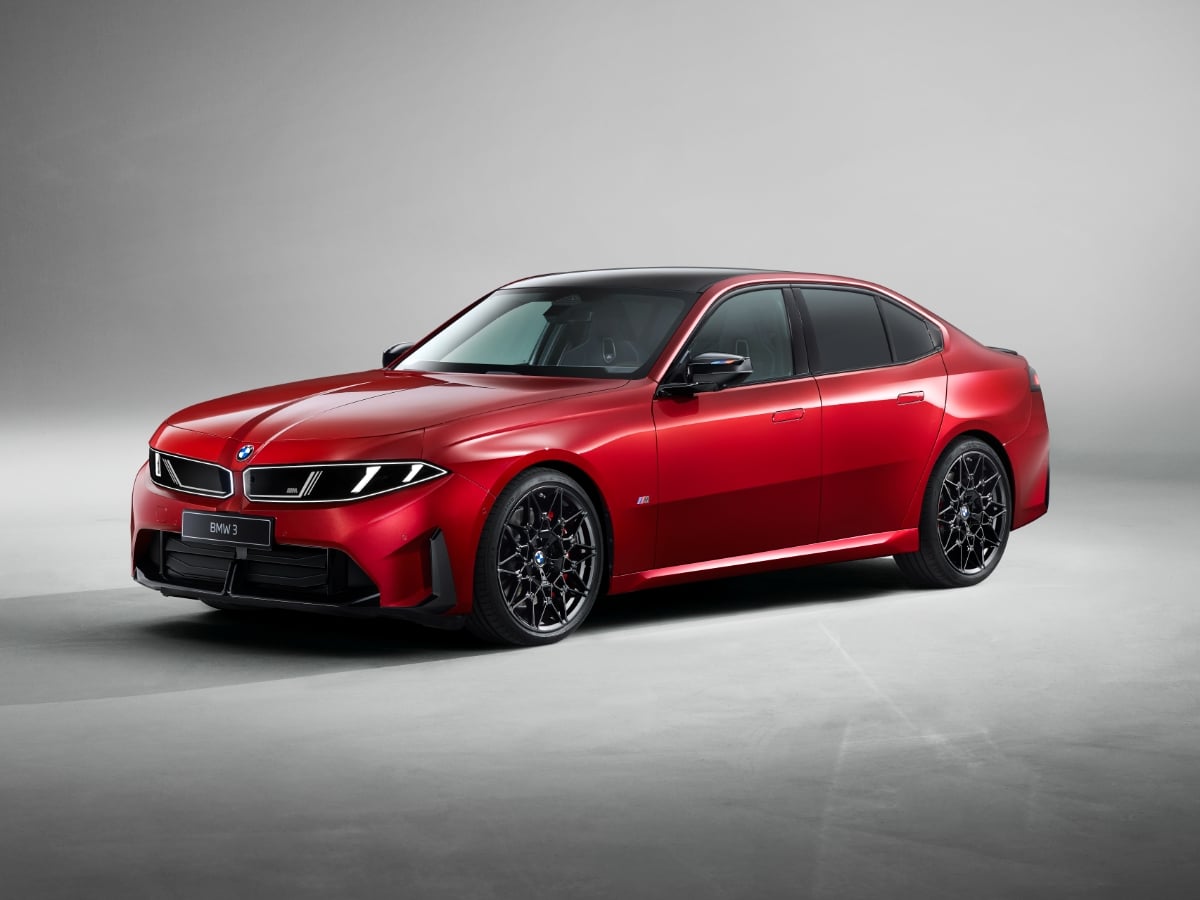
Part of BMW’s Neue Klasse (new class) rollout of redesigned models, the 2027 BMW 3 Series is all-new and goes on sale in the first quarter of 2027.
Read the Full Article