
Toyota has made a name worldwide for fuel-efficient and powerful high-performance vehicles. Variable Valve Timing with Intelligence or VVT-i is Toyota’s name for the variable valve technology used in many Toyota vehicles. Variable valve timing or VVT continuously changes the frequency at which the valve opens and closes. VVT-i ensures that the valve timing allows for minimum combustion and emissions. There are several benefits of a VVT-i engine like increased torque, elevated output, better fuel economy and emission reduction.

Today’s article will discuss the emergence of VVT-i, the difference between VVT and VVT-i engines, and their advantages and drawbacks.
Toyota upgraded from the WT system to the VVT-i technology in 1996. The VVT-i technology varies the timings of the intake valves. This adjustment in the overlapping timing between the exhaust valve closing and intake valve makes the engine more efficient. VVT-i is highly reliable and easy to adapt to existing engine designs. This technology has many uses in the future. Toyota conducted tests on the VVT-i engines, and it is safe to say that the results are positive. The results indicate that the technology increases fuel economy by about 6% and increases low and medium-range torque by 10%.
Variable Valve Timing or VVT is the timing for which the valves open. The VVT system controls the duration for which the intake and the exhaust valves open and the incline of the lift. All this activity happens within the engine while it's operating. The valve timings of a VVT engine vary according to the engine speed and load. The valves only open as much as the engine needs, based on the speed and the load. These minor changes in the intake and exhaust valves make a significant difference to engine performance, efficiency, and power.
VVT-i, where the I stands for intelligence, is an implementation of VVT technology along with microprocessors to control VVT functionality using actuators. The adjustments in overlap time enabled by VVT-i are responsible for many of its key benefits. Toyota developed this technology in 1996, and it is similar to BMW VANOS. Toyota designed VVT-i to replace the VVT technology introduced in 1991 for 4A-GE engines. There are various versions of this technology, including VVT-iE (For electric cars), Valvematic, VVTL-i, and Dual VVT-i.
VVT-i technology has been around for over two decades, and one of its main advantages is how it improves your vehicle’s efficiency. It helps with slow emissions and combustion, which proves to be economical. The oil control valve or OCV constantly controls the hydraulic pressure for advancing and retarding the valve timing.
The VVT-i is designed in a way that’s highly reliable and easy to adapt to pre-existing engine designs. VVT-i enhances the vehicle's performance greatly by increasing the torque and the output as well.
Some of the drawbacks of the VVT-i engines include a higher upfront cost for maintenance.
The technology is mainly dependent on oil pressure via the actuators. If there is a malfunction in the system due to dirt particles or sludge, the system will come to a standstill. The system is mainly dependent on just a couple of components, and even a slight malfunction in those parts will lead to inconvenience and a heavy hole in your pocket.
VVT-i is a technology that helps engines be more efficient and powerful. Although a little higher in maintenance and upkeep than standard VVT, VVT-i engines are a boon in the long run with proper care and maintenance.


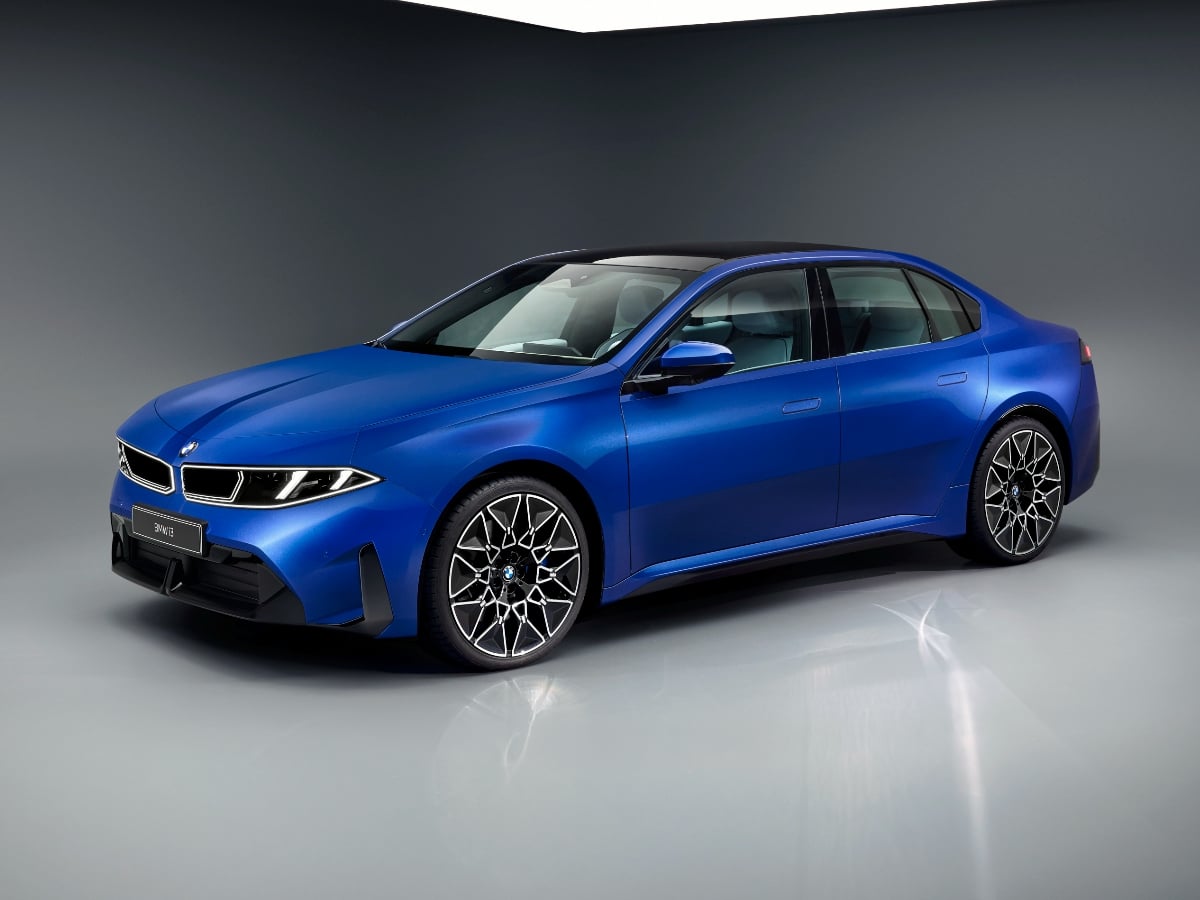
The new 2027 BMW i3 boasts an estimated range of up to 440 miles, 400-kilowatt DC fast charging capability, bidirectional charging to a home or the grid, and next-generation technology.
Read the Full Article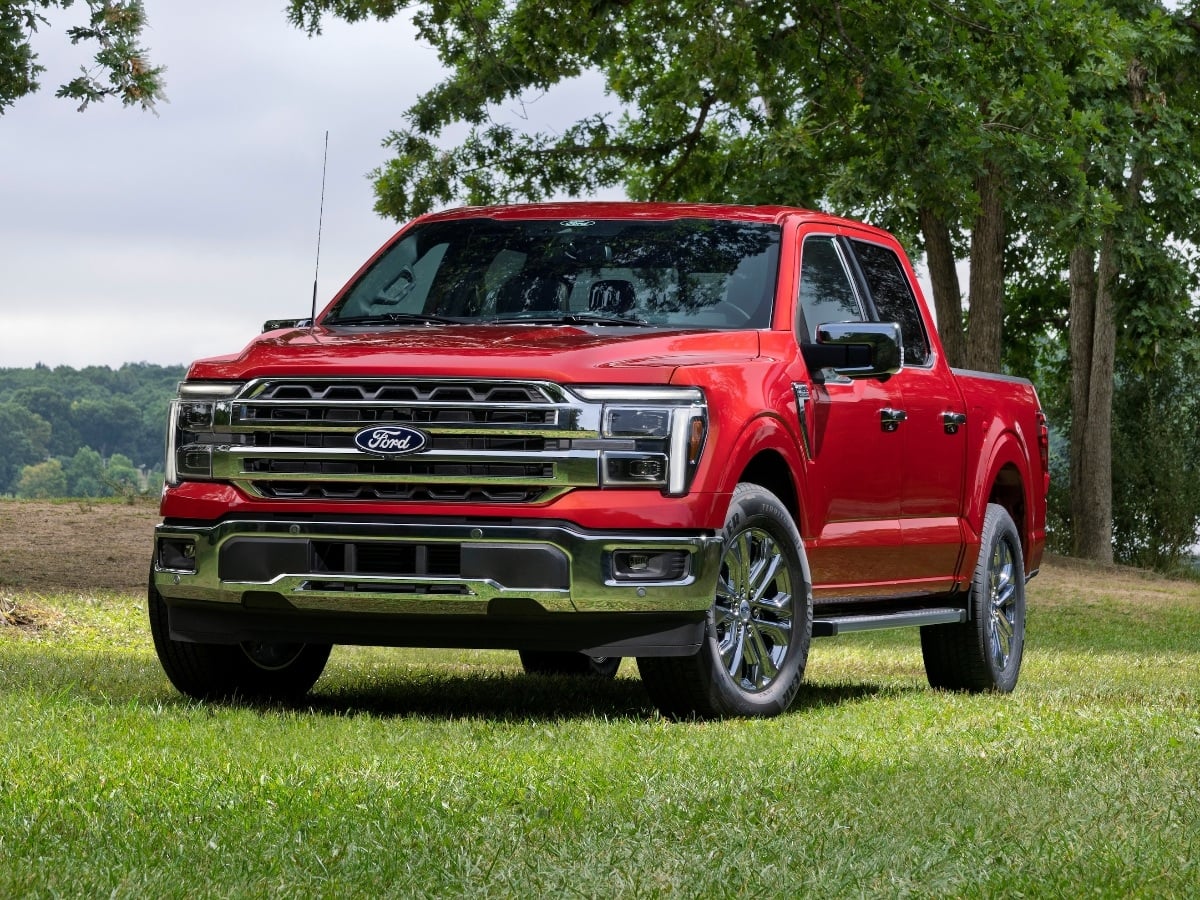
Facing renewed competition in the full-size, light duty pickup truck segment, the 2027 Ford F-150 receives subtle styling updates, a new standard engine, broader availability of its 5.0-liter V8, and ...See More
Read the Full Article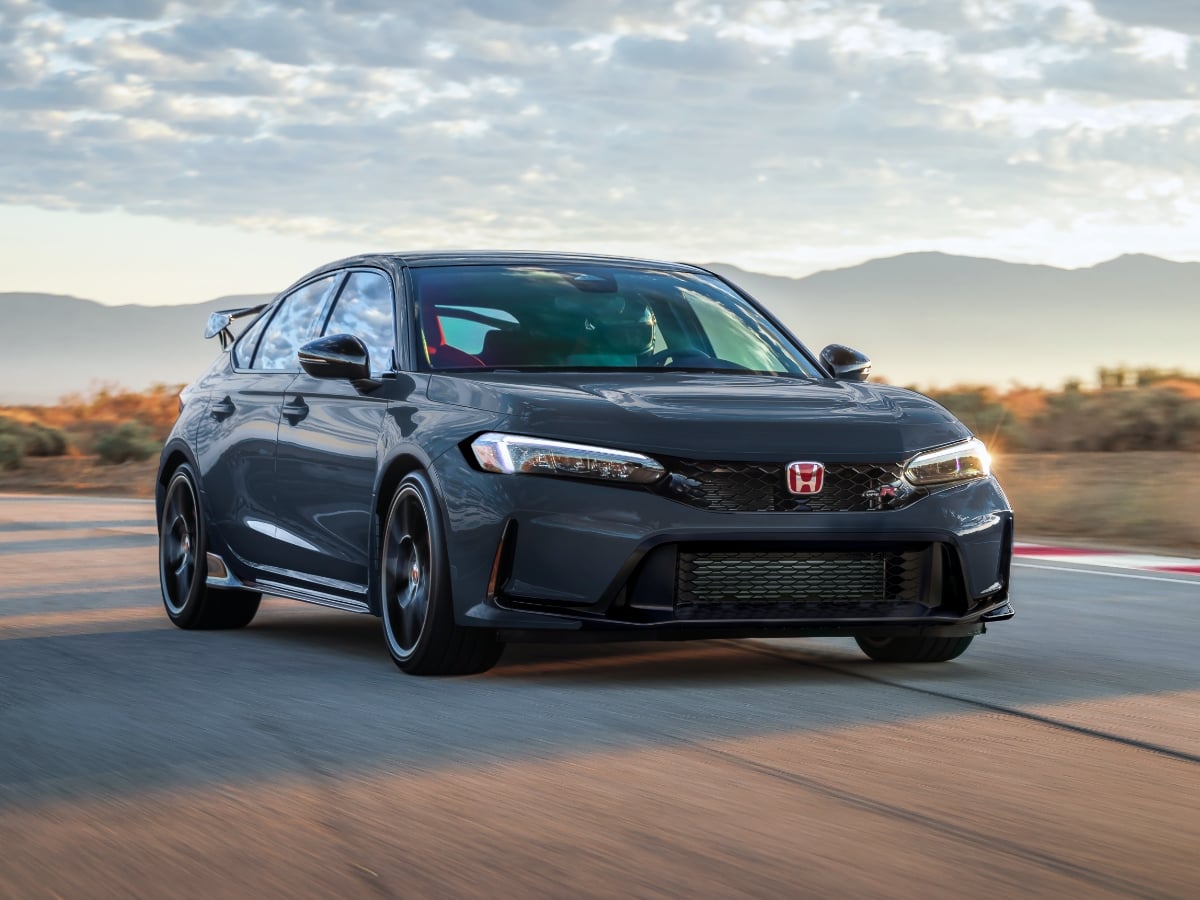
The 2027 Civic Type R goes on sale in October 2026, and it starts at $49,990, including the $1,295 destination charge.
Read the Full Article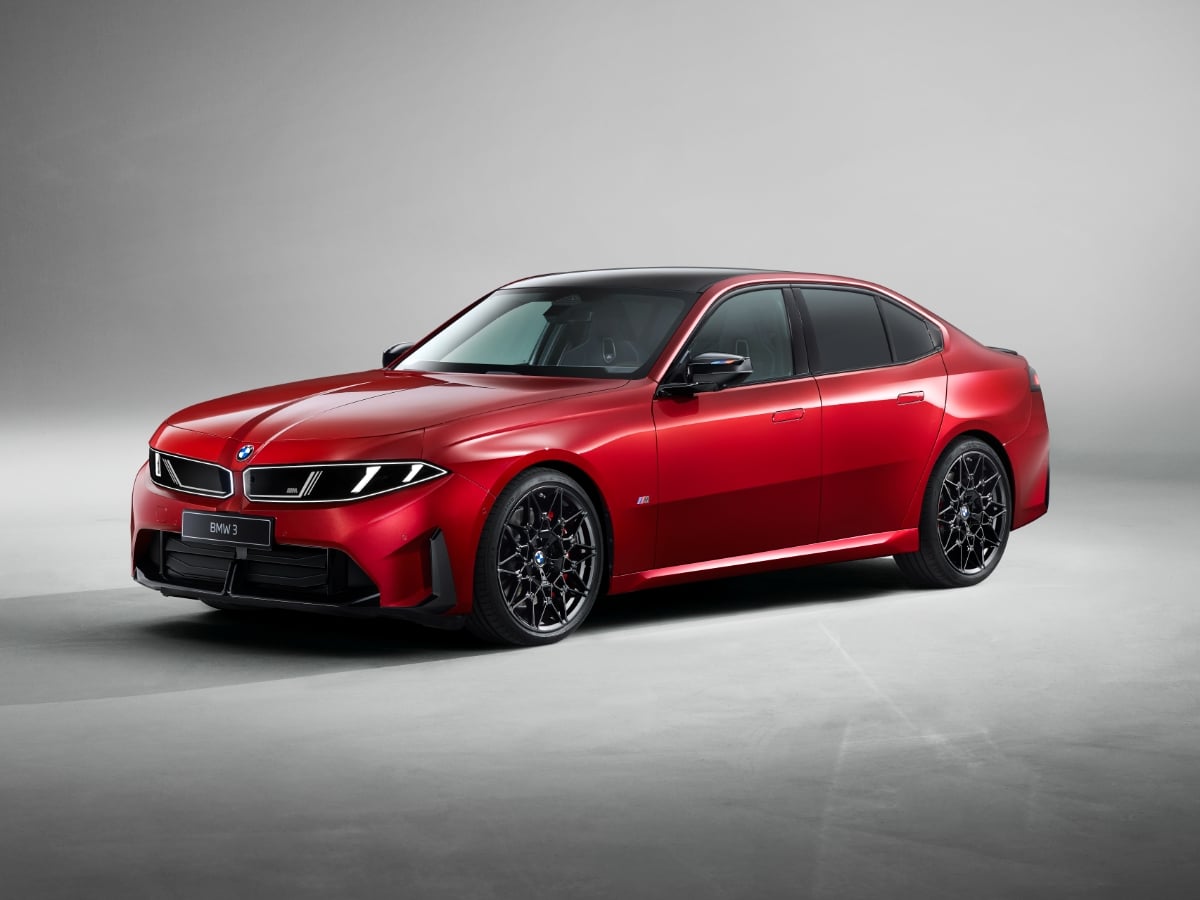
Part of BMW’s Neue Klasse (new class) rollout of redesigned models, the 2027 BMW 3 Series is all-new and goes on sale in the first quarter of 2027.
Read the Full Article