
Manual transmission cars, which are becoming increasingly scarce, have a clutch pedal with the brake and accelerator pedals. The clutch pedal is an assembly of a clutch plate, pressure plate, flywheel, and a throw-out bearing that connects it to the engine wheels. The throw-out bearing is responsible for disconnecting the wheels from the engine while shifting gears.

The throw-out bearing or the clutch release bearing is a vital car component. It is a comparatively small part, about the size of a doughnut, but it has a massive impact on the car. The throw-out bearing helps the engine disengage from the wheels when the clutch pedals are depressed. The feature enhances the safety and security of the driver. If there's something wrong with the throwout, it might hamper the gear shift and transmission.
Today’s article discusses how a throw-out bearing works and the symptoms of a bad throw-out bearing and throw-out bearing maintenance.
The throw-out bearing is responsible for temporarily disengaging a car’s engine from the transmission during a gear shift. Once you press the clutch pedal, the throw-out bearing gets closer to the flywheel. This action, in turn, drives the release fingers of the pressure plates towards the inside. This causes the pressure plate fingers to push against the spring’s force. This disconnects the engine from the wheel, allowing you to shift gears.
However, once you release the pedal, the throw-out bearing comes back to its original position, and the connection between the transmission and the engine is formed again.
You should not ignore any wear and tear or signs of throwback bearing failure. Here are some key symptoms indicating that you might need to pay attention to your throw-out bearing.
If the clutch pedal makes a noise when you depress or release it, the gap between the rollers inside your clutch has increased. There are rollers within the clutch pedal that are supposed to be close together. The increased space between these rollers results in noises of all kinds, which might seem to be coming from the transmission area. This mostly happens due to the wear and tear of the car over some time. If the throw-out bearing is responsible for this noise, you’ll hear it when you push the brakes. The sound will stop when you release the brakes.
If the clutch pedal starts to vibrate when depressed, your throw-out bearing needs a check. This happens when the throw-out bearing cannot align with the pressure plate.
Do you feel stiffness or a lag in the gear shift? The chances are that the throw-out bearing is failing to engage correctly and is no longer working. Before experiencing this issue, you will likely go through the stages where the throwout bearing makes a noise and vibrates before it fails and results in problems with gear shifts.
Does your clutch pedal need a lot more strength on your part to depress it? All clutches are manufactured with special lubricants to keep them running for a more extended period. However, there might be some wear and tear with time and usage.
The throw-out bearing is pre-lubricated and sealed for the car's lifetime when it is manufactured. Changing the throw-out bearing is a difficult task because it requires removing the transmission from the flywheel bell housing to clear the throwout bearing of the input shaft. It is advisable to change your clutch pedal if the throw-out bearing malfunctions to minimize risk and further potential costs.
The throw-out or clutch release bearing is a critical component of your car and affects car handling and driving. It is important to make sure that you take note of small noises coming from inside your car to be able to determine the ones you should be worried about. The wear and tear of a throw-out bearing is not a common problem. However, it depends on driving style, the age of the car, the condition of the roads, and other related factors. Make sure to keep a check for those noises when you start your car the next time.


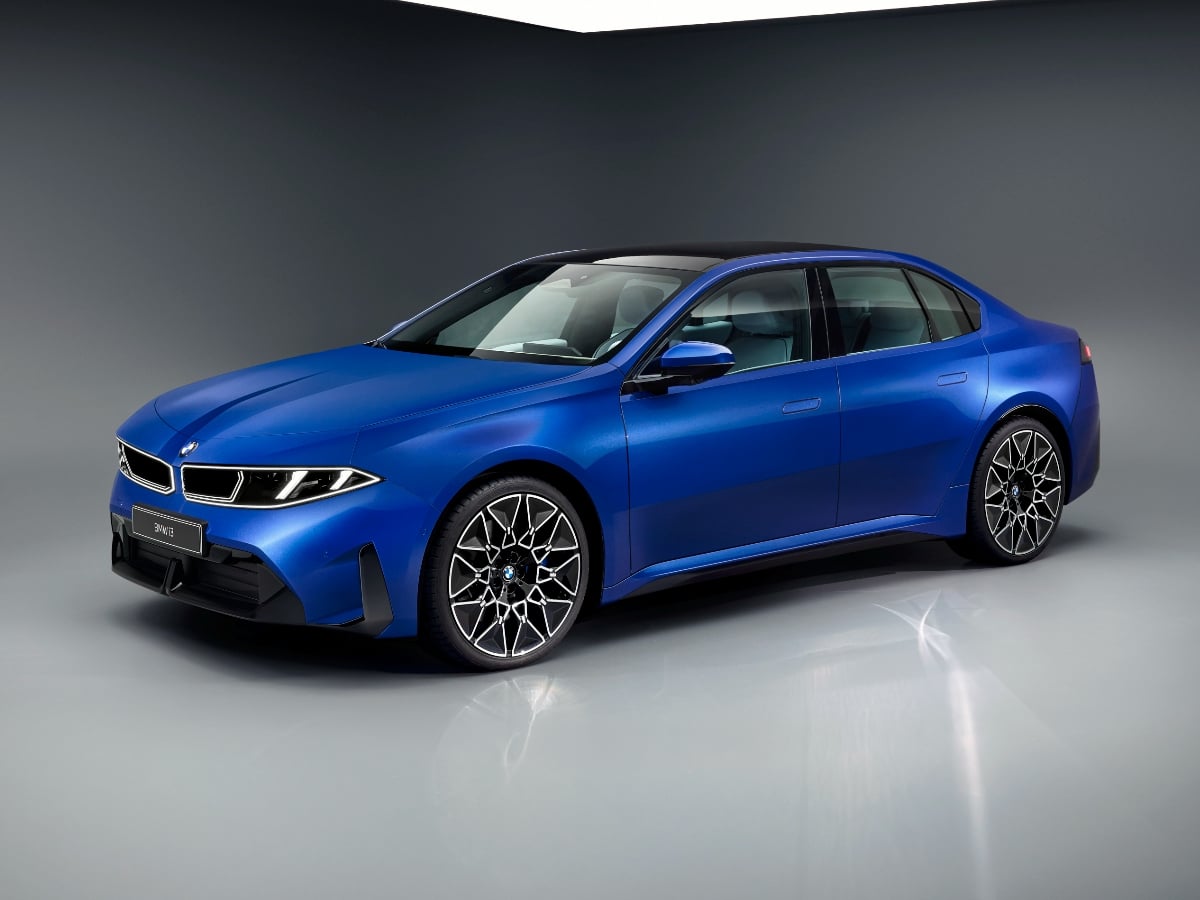
The new 2027 BMW i3 boasts an estimated range of up to 440 miles, 400-kilowatt DC fast charging capability, bidirectional charging to a home or the grid, and next-generation technology.
Read the Full Article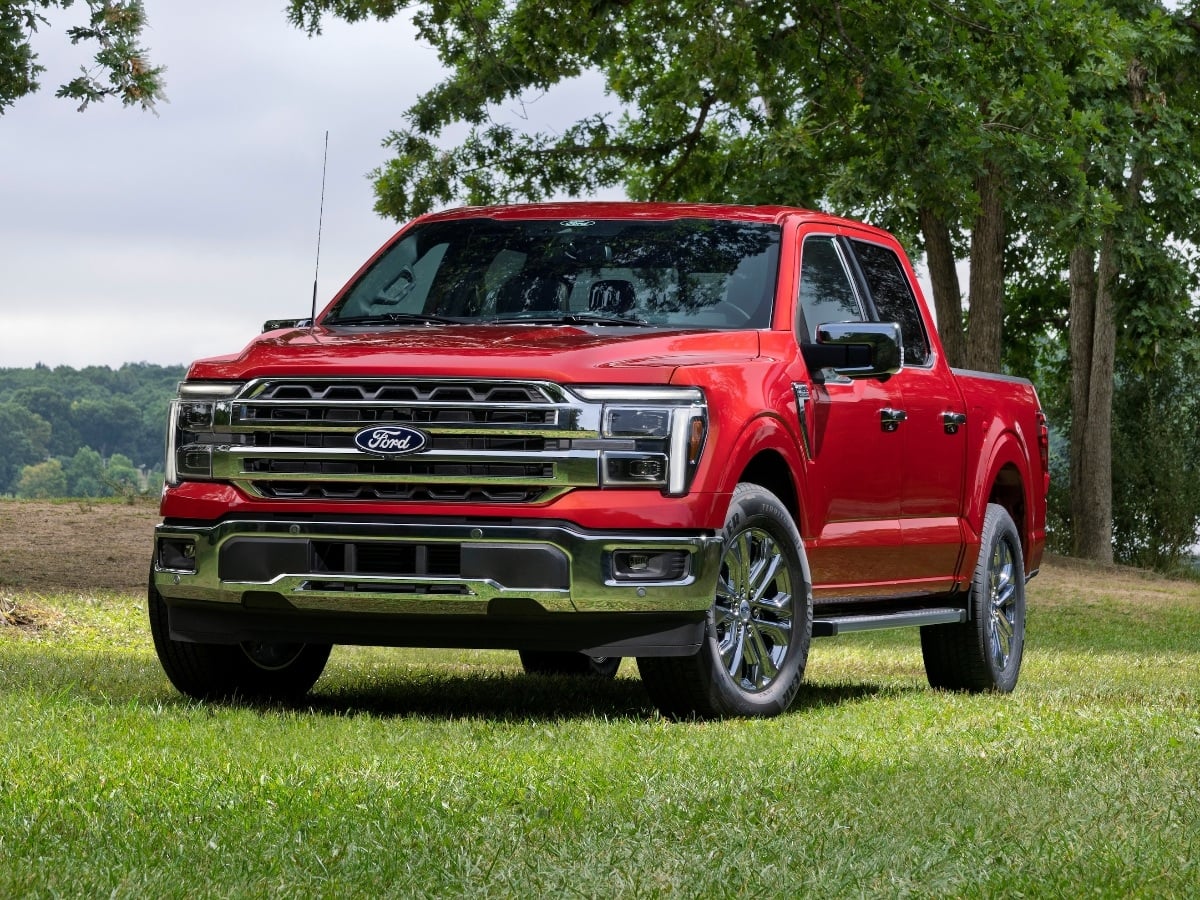
Facing renewed competition in the full-size, light duty pickup truck segment, the 2027 Ford F-150 receives subtle styling updates, a new standard engine, broader availability of its 5.0-liter V8, and ...See More
Read the Full Article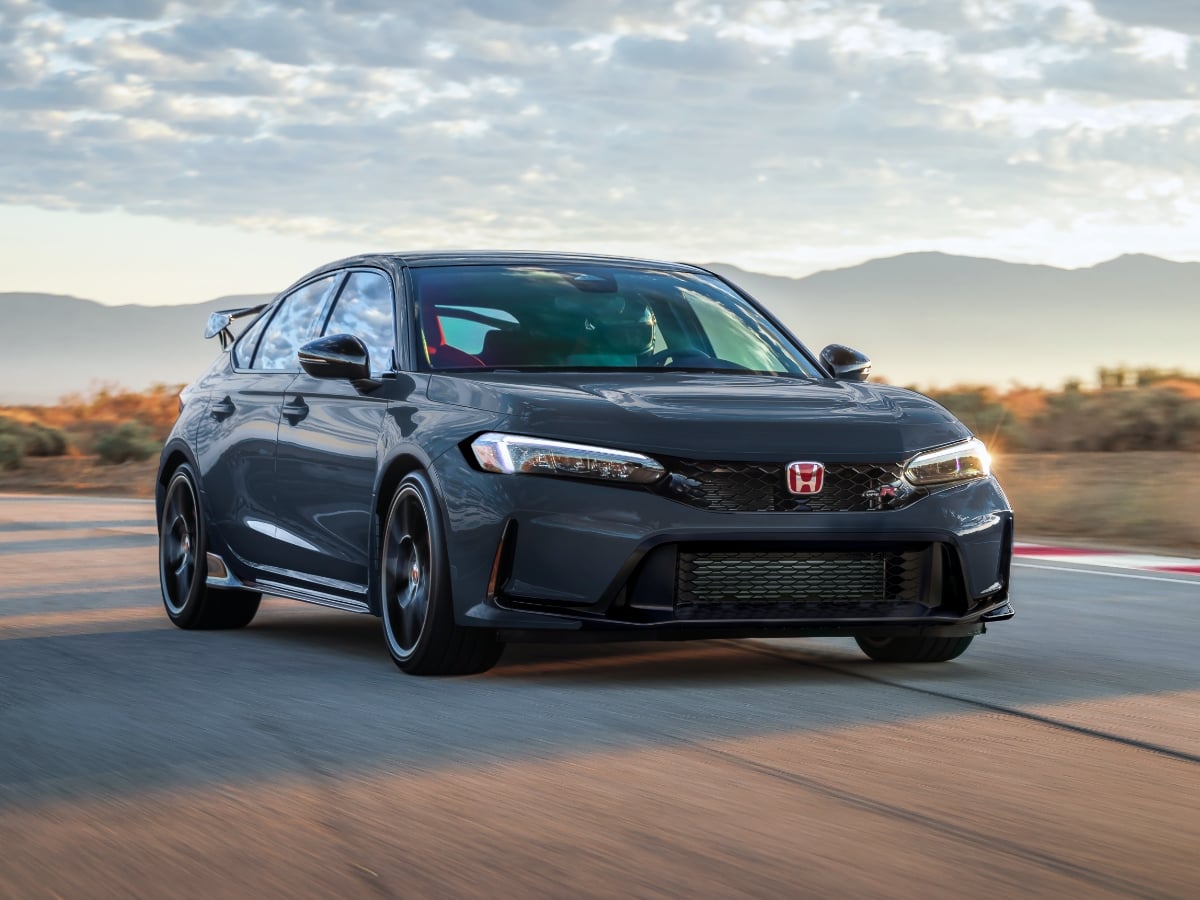
The 2027 Civic Type R goes on sale in October 2026, and it starts at $49,990, including the $1,295 destination charge.
Read the Full Article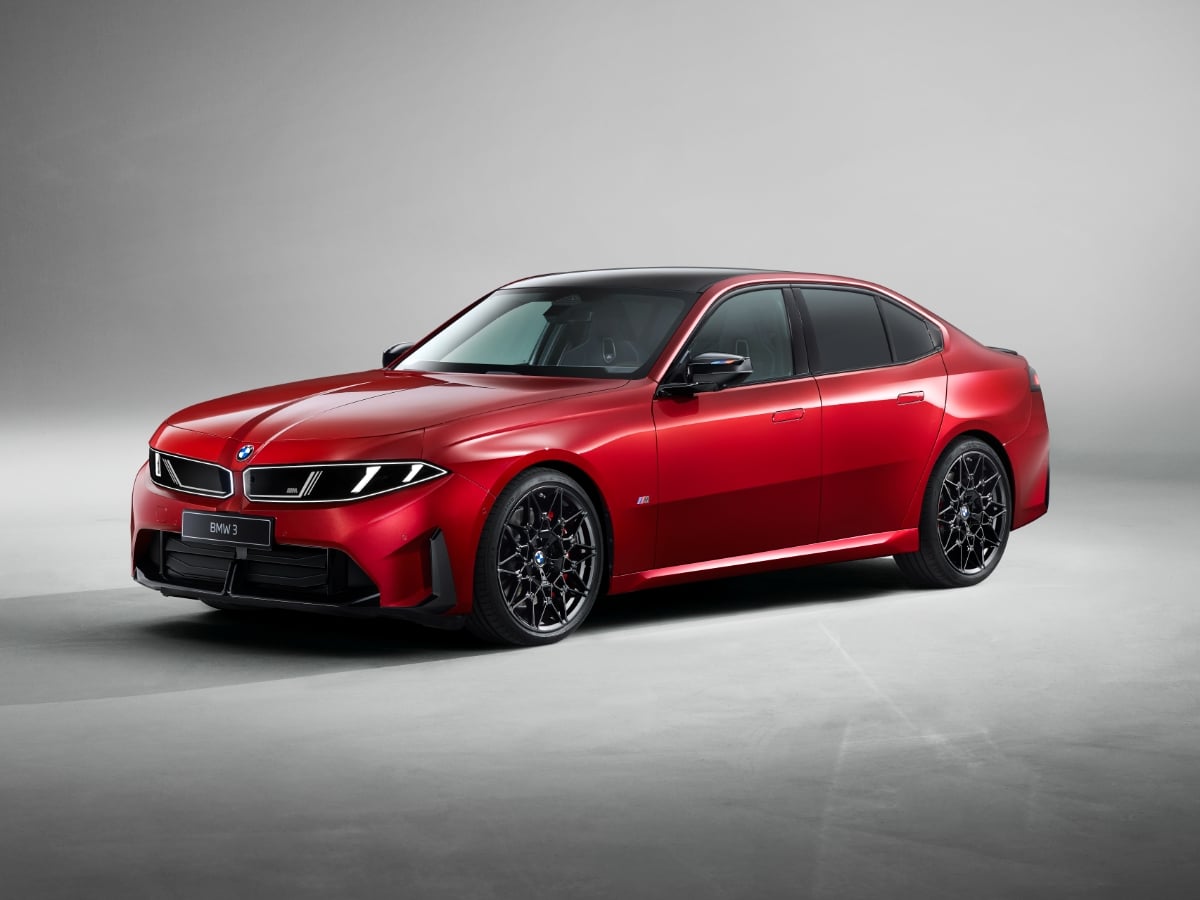
Part of BMW’s Neue Klasse (new class) rollout of redesigned models, the 2027 BMW 3 Series is all-new and goes on sale in the first quarter of 2027.
Read the Full Article