
St. George Evans and Edward Birkenbeul created the engine immobilizer, an anti-theft system integrated into the engine control unit, in the early 1900s. A car immobilizer system is a common anti-theft device in the majority of vehicles manufactured in the past 20 years. When it works properly, the probability of your car being stolen is significantly low.

How does a device immobilizer operate? And how do you know whether our vehicle is equipped with an immobilizer? Well, this article will answer these questions.
The engine immobilizer sometimes referred to as a car immobilizer system is a fantastic piece of electrical security equipment that prevents vehicle theft. Its objective is to prevent a vehicle from being stolen by someone who does not have the key to turn the engine. According to reports, car thefts have decreased since immobilizers were put in vehicles.
This device stops car thieves from starting the vehicle using a technique known as hot wiring.
Most new vehicles come fitted with an immobilizer. This system has the significant advantage of not requiring the car owner to activate it; it functions automatically. An immobilizer is seen to provide far more effective anti-theft security than an audible alarm alone, and many car insurance companies give discounts for vehicles fitted with one.
An immobilizer, which acts as an anti-theft device, turns off one of the systems required to start a car's engine, often the gas supply or the ignition. This is done through the use of radio frequency identification between an ignition key transponder and a radio frequency reader in the steering column.
When you turn the key in the ignition, the transponder transmits a signal to the reader, which sends it to a receiver in the vehicle's computer control module.
One may consider the vehicle keys of today to be additional security measures. A transponder chip is a component of smart keys and key fobs. These chips send a passcode to the vehicle's immobilizer system while the engine is running or the key fob is in the car. The key fob's pin code must match the immobilizer system's pin code for the car to start. Otherwise, it won't start your car.
If the incorrect code is used to start the ignition, the majority of immobilizers will sound an alert. Some digital vehicle systems will alert a security provider if a theft attempt is made. When an attempted theft has occurred, the security company will contact the user to verify that they are not in the vehicle.
A fixed and changeable code are the two levels of protection that some companies have added to their immobilizers. The second code is stored in the transponder and is changed each time the vehicle is started. The immobilizer examines the permanent code when you try to start the car, then requests the second changing code, compares it to the one kept in the database, and starts the vehicle. If the second code is missing, the car won't start.
You can check the owner's manual to discover if your vehicle has a factory-installed immobilizer. This book should contain all of the information on your car, including whether or not it has an immobilizer.
If you acquire a secondhand car, the immobilizer may have been deactivated or uninstalled by a previous owner or the previous owner may have installed a new or replacement immobilizer. This means that, even if the manufacturer did not install it, the vehicle can still have an immobilizer.
You should be able to discover all information regarding the immobilizer in your car's owner's manual, including if it has been removed or replaced. If this information needs to be clarified, any skilled technician should be able to assess the car and confirm it for you.
One of the most significant benefits of an immobilizer system is that the owner of the vehicle does not need to remember to turn it on because it operates automatically. In comparison to an audible alarm, which offers less security when used alone, an immobilizer provides more effective protection against theft.
One problem with the system is that vehicle keys are more expensive and time-consuming to replace in the event of loss, and often require a visit to a car technician.
Immobilizers can malfunction. Watch out for the following indicators:
A battery powers the transponder chips in the key fob or smart key. Replacing it may prevent the anti-theft security system from failing. However, if the problem persists, speaking with an authorized dealer is advised.
As technology advances, manufacturers have created or improved newer methods to combat car theft. Today's vehicle anti-theft systems must include engine immobilizers, engine management systems, smart keys, and transponder chips to keep cars safe all over the world.


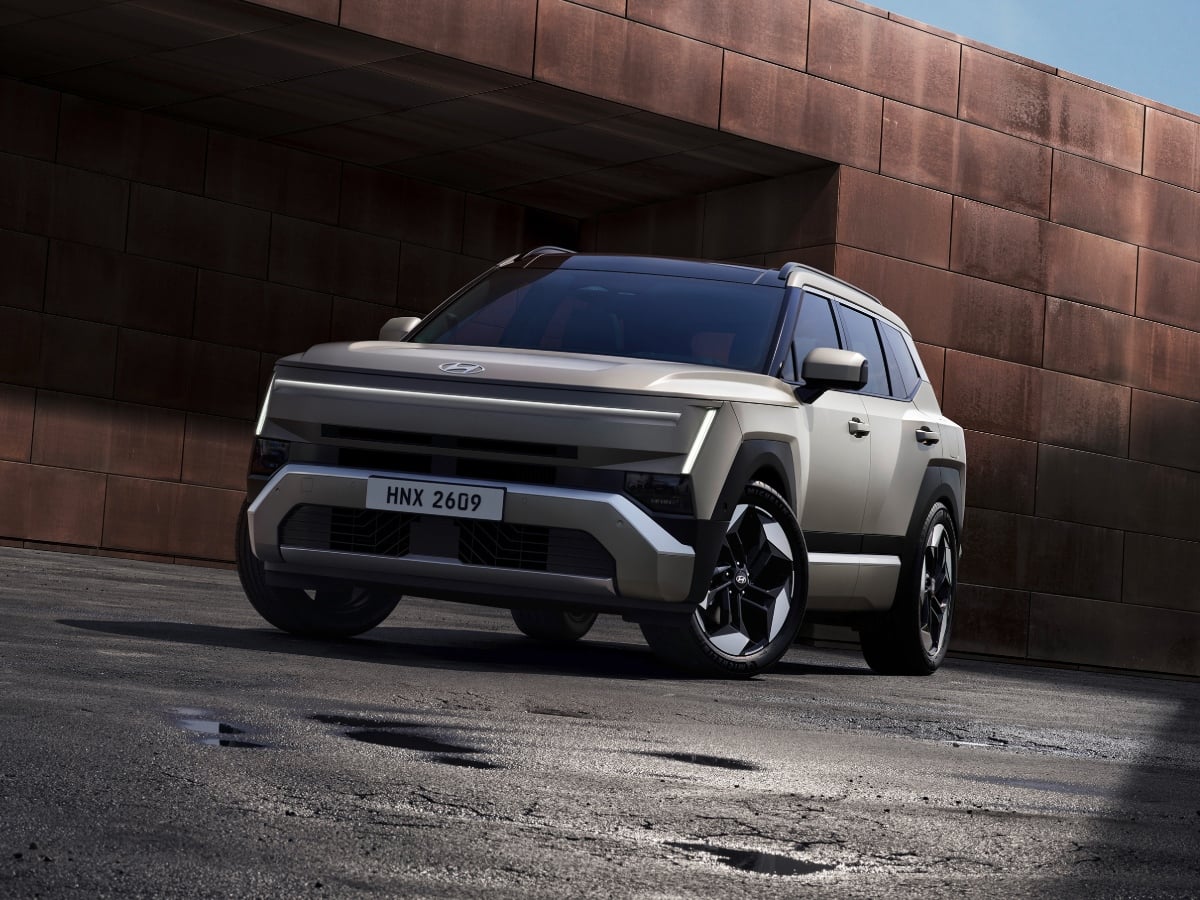
With a purposeful new design and some trail-ready upgrades, the 2027 Hyundai Tucson is pushing the brand's best-selling crossover SUV into more aggressive territory.
Read the Full Article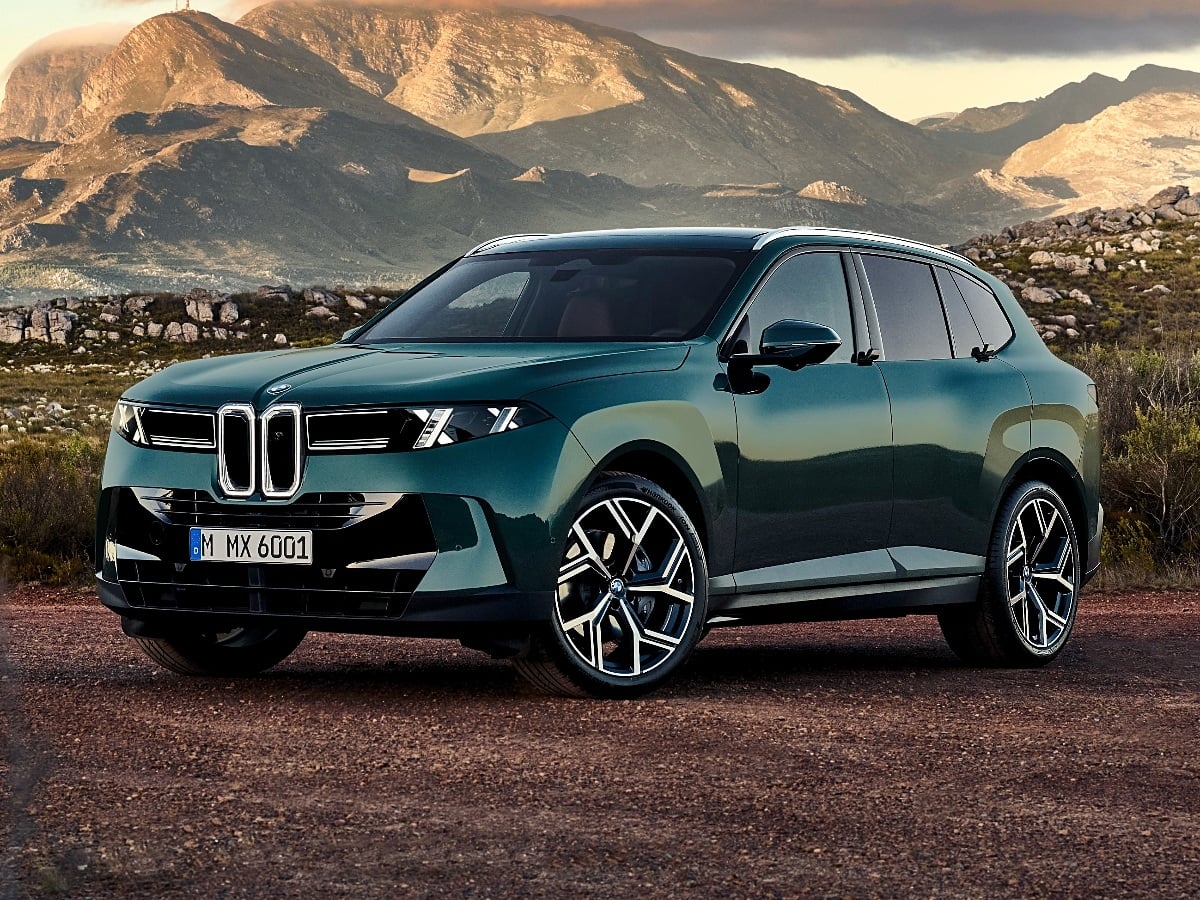
For more than 25 years, the BMW X5 has helped to define the luxury SUV segment. Now, the redesigned fifth-generation 2027 BMW X5 arrives with the automaker’s Neue Klasse styling, a roomier interior, ...See More
Read the Full Article
One of Lexus's most popular models, the NX crossover SUV is also one of the most affordable in the company’s lineup. The 2027 Lexus NX transitions to hybrid-only powertrains, and gets revised ...See More
Read the Full Article
The new 2027 BMW i3 boasts an estimated range of up to 440 miles, 400-kilowatt DC fast charging capability, bidirectional charging to a home or the grid, and next-generation technology.
Read the Full Article