
A purge valve is a vital component of a vehicle's evaporative emission control (EVAP) system. Its function is to control the flow of fuel vapors from the fuel tank and evaporative canister into the engine, where they can be burned off as part of the combustion process. A properly functioning purge valve is essential for maintaining a vehicle's performance, fuel efficiency, and compliance with emissions regulations.
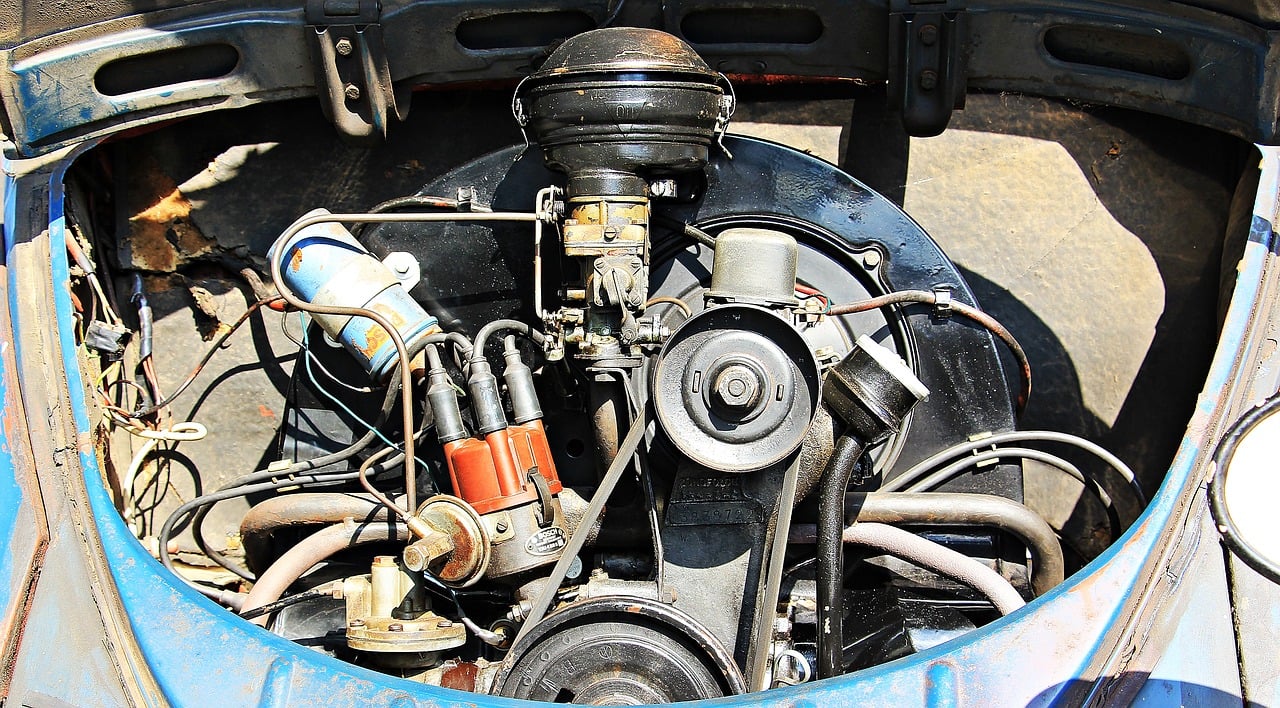
The purge valve is typically located between the fuel tank and the intake manifold and is connected to the EVAP system's hoses and tubing. It is controlled by the engine's powertrain control module (PCM) and typically opens at a specific temperature and RPM. When the valve opens, the fuel vapors flow from the evaporative canister into the intake manifold. This process helps reduce harmful hydrocarbon emissions and improves fuel efficiency.
When the PCM sends a signal to open the valve, the valve allows the fuel vapors to flow into the engine. When the valve is closed, the fuel vapors are trapped in the evaporative canister and held until the next time the valve opens.
Some purge valves also have a pressure sensor to detect when the EVAP system leaks. When this happens, the PCM will signal the check engine light to come on, indicating that the system is not functioning correctly and needs to be checked by a technician.
A faulty purge valve can cause a variety of issues including:
These symptoms could also mean that you’re dealing with other car problems: a professional technician should make a proper diagnosis. A malfunctioning purge valve should be addressed promptly to avoid further damage to the engine and prevent the vehicle from emitting higher emissions levels.
Diagnosing a faulty purge valve typically involves a combination of visual inspections and diagnostic tests. Here are some steps that a professional technician may take to diagnose a faulty purge valve:
Based on the results of these diagnostic tests, the technician can determine if the purge valve is faulty and needs to be replaced.
A purge valve is a device used to remove excess fuel vapor from a vehicle's evaporative emission control system. It is typically located on the fuel tank and opens to allow fuel vapor to be drawn into the engine to be burned rather than released into the atmosphere as pollution.
The valve is controlled by the engine control module. It is typically opened during certain operating conditions, such as when the engine is running or when the vehicle is being refueled. The purpose of the purge valve is to reduce emissions and improve the vehicle's overall performance.



The 2027 Civic Type R goes on sale in October 2026, and it starts at $49,990, including the $1,295 destination charge.
Read the Full Article
Part of BMW’s Neue Klasse (new class) rollout of redesigned models, the 2027 BMW 3 Series is all-new and goes on sale in the first quarter of 2027.
Read the Full Article
Updates to the 2027 Honda Passport TrailSport include a reworked suspension, improved steering, subtle styling enhancements, and added standard equipment.
Read the Full Article
The midsize 2027 Mercedes GLE remains available in original and spicy Coupe recipes, now with standard 4Matic all-wheel drive (AWD), MBUX Superscreen technology, and a panoramic glass sunroof for ...See More
Read the Full Article