
The Ford Mustang is a series of American automobiles manufactured by Ford. In continuous production since 1964, the Mustang is currently the longest-produced Ford car nameplate. There are currently six generations of the car, with the most recent being launched in 2014. For the first time in the history of Mustangs, the vehicle received an independent five-lever rear suspension instead of a continuous axle.

The cars remained popular amongst collectors, racers, and customizers thanks to their winning combination of affordable horsepower, easy modification, and sheer availability.
But there are many parameters and body styles (notch, hatch, convertible body styles, etc.), and it may be challenging to differentiate between them. However, this article will focus on a single style − notchback.
Ford Mustang is an iconic Pony Car made by Ford Motor Company. The original model 11233 (1964/65−1973) was based on units of the Ford Falcon family sedan created by Lee Iacocca and his team. The car does not carry the Ford emblem but has a special Mustang emblem.
A 90-horsepower German 1.5-liter V4 engine installed behind the seats powered the experimental Mustang (1962). Oddly enough, the name Mustang derives not from the wild horse but from the P-51 fighter plane, as its long hood and the cockpit moved to the tail were very reminiscent of the new car's body silhouette.
This car style has a three-box body, two main rows of seats, four doors, and a horizontal trunk lid. Such cars also have a rigid roof, the level of which does not change along its entire length. Approximately since the 1940s, it has established itself as a classic. Most passenger cars in the world have this body style. As a rule, the notchback is present in the model ranges of all car brands, but the design may differ.
While many car models have notchback characteristics, the category is mainly unused outside North America, with different terms used for the body style. For example, a three-box sedan is generally known as a “saloon” in British English, even though “notchback” appeared in a few British English publications. However, it is not a term used in common parlance in Britain. In Italy, “Berlina” passes as a substitute, and in France, it’s “Berline.” There are even sedans with a long base, the name of which has the letter L.
One of the first cars marketed as a notchback is the 1938 Cadillac Sixty Special. Then, In 1952, a notchback version of the Nash Ambassador was sold on the market. In 1971, Chevrolet marketed the three-box sedan models of the Chevrolet Vega as a notchback to differentiate them from the fastback Vega models. For the 1973 model year, the name for the model changed to“Vega Notchback.”
Features like fixed glass and trunks in place of removable hatches differentiate Mustang as a notchback. The rear window and trunk are independent of each other, meaning you don’t have to deal with the glass when entering the cargo area. The trunk hides your personal possessions well and may even serve as a potent anti-theft measure.
But above all, notchbacks are safer for racing due to body design. For example, when it comes to hatchback design, Mustang owners sometimes complain that their rear hatches randomly open at launch on the drag strip. Even though the large hatch on the rear makes things more practical as there’s more storage space, it is not the ideal setup for racing. On the other hand, notchbacks offer better speeds and a lighter-weight design.
On the contrary! Mustang notchbacks are pretty common, but some models are not that easy to find nowadays. For example, some of the least owned cars are 5.0 LX notchback coupes. They have a 5-speed manual transmission, rear-wheel drive, V8 cylinders, and a 5.0 L engine.
But, a unique Shelby GT500 EXP prototype, Little Red, has been recently found and identified. It is the only copy of the GT500 in the coupe body built by Shelby American and the only car with two four-chamber carburetors. As you imagine, this particular find excited all vehicle enthusiasts across the US.
Shelby GT500 EXP was another experimental prototype built by Ford Motor Company and Shelby American to test new ideas, from modified body panels to a Paxton supercharger. Supposedly, it was last seen in 1968 at Mustang California Special.
The Mustang car produced by Ford is an entirely American invention. With over 10 million vehicles produced, it represents the American ideal of a stylish sports car. And, sometimes, it comes in the notchback form.
However, notchbacks are very similar to sedans and aren’t used outside North America that much. It should only add more uniqueness to the Mustang and make potential owners more satisfied with their purchase.


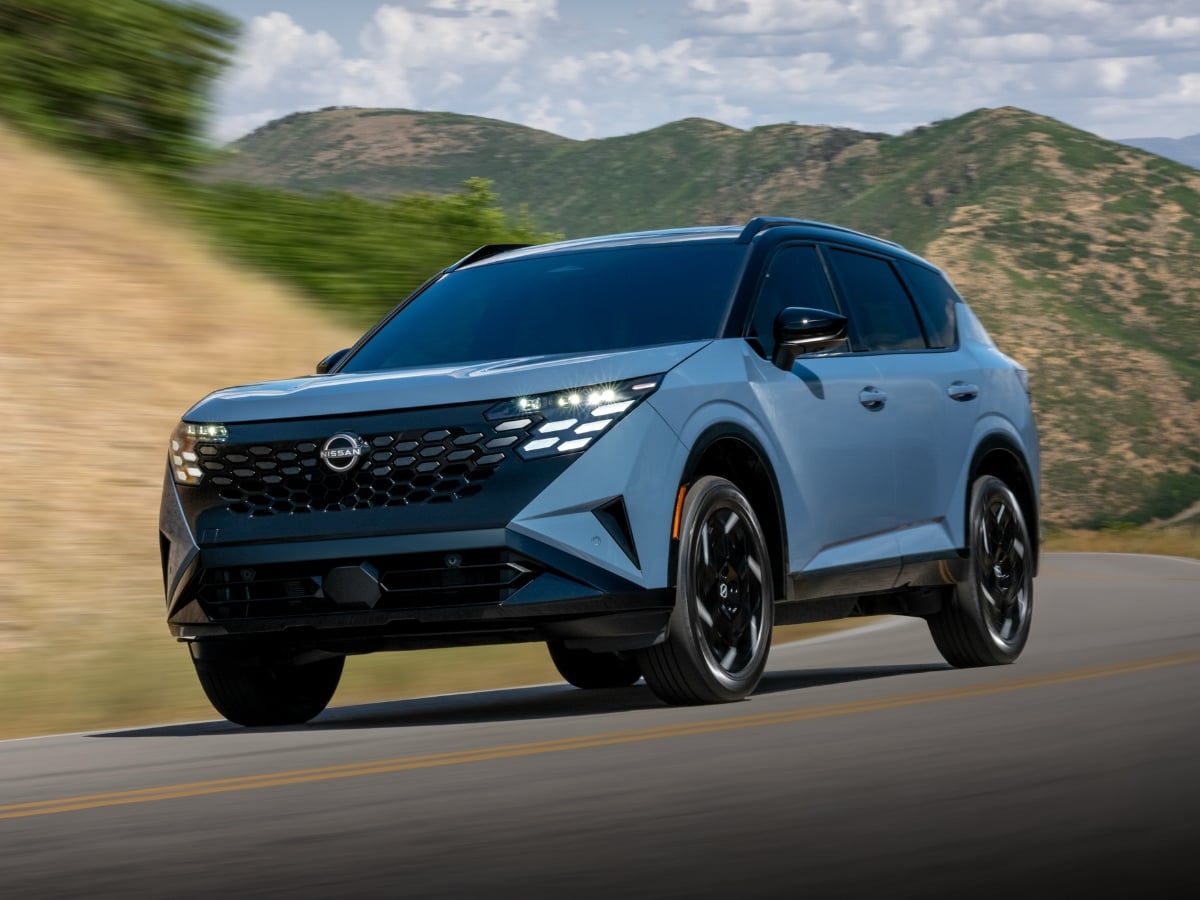
Nissan is about to introduce an innovative new SUV. The 2027 Nissan Rogue Hybrid has a gasoline engine, but it does not power the wheels. Instead, electric motors at each axle provide propulsion, ...See More
Read the Full Article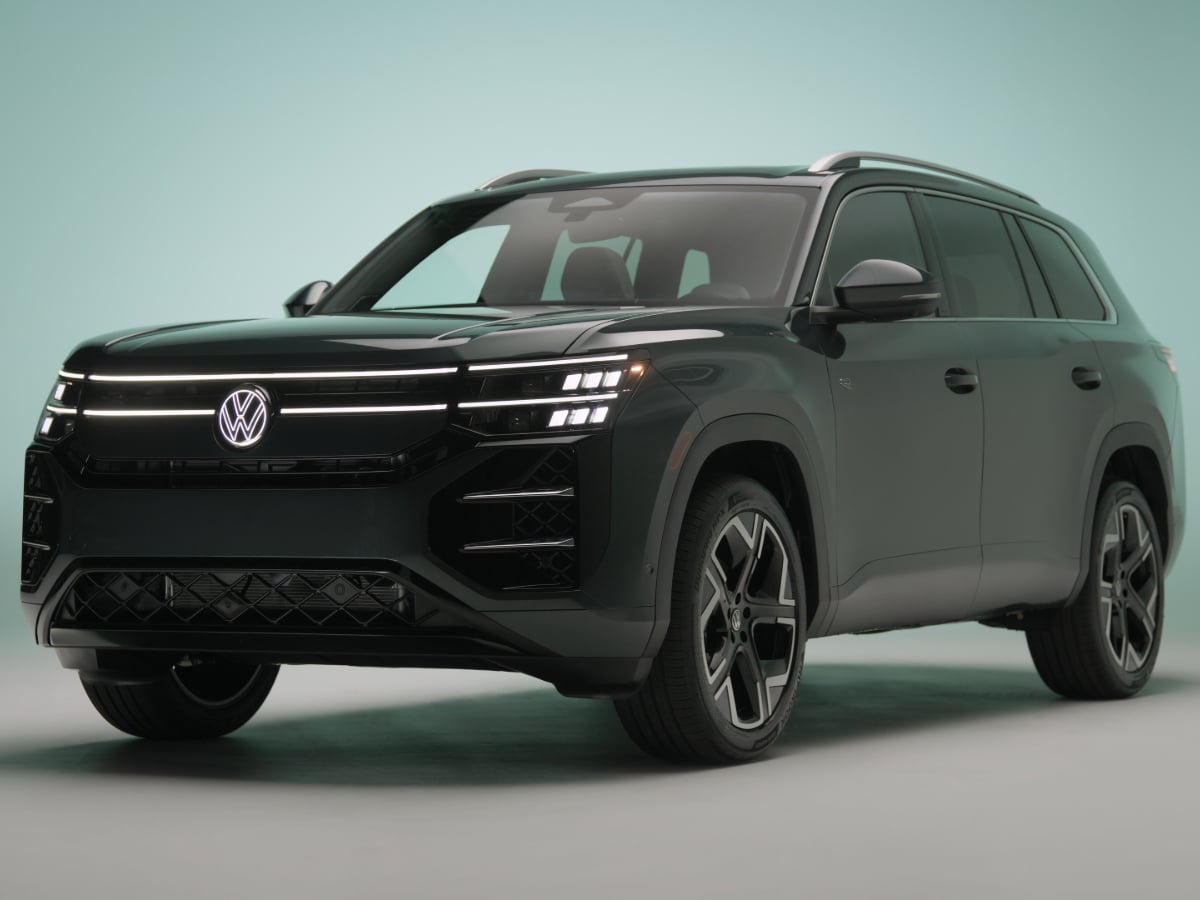
Adding European flair to the otherwise vanilla midsize three-row family SUV market, the redesigned 2027 Volkswagen Atlas debuts with a sharper exterior, an upgraded cabin, more power, and new ...See More
Read the Full Article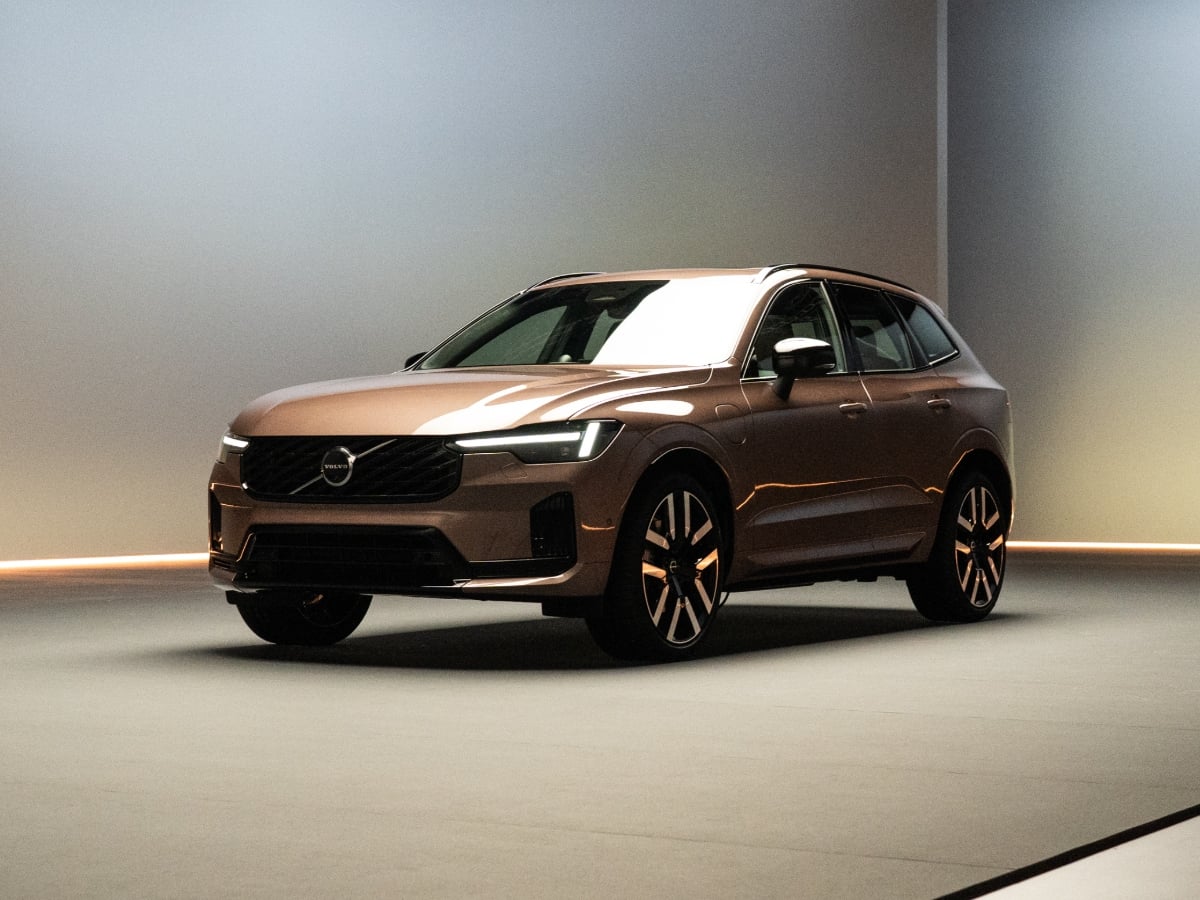
Though the styling stays largely the same, a massive boost in electric range for the plug-in hybrid (PHEV), plus a refined design, helps the 2028 Volvo XC60 stay current and desirable.
Read the Full Article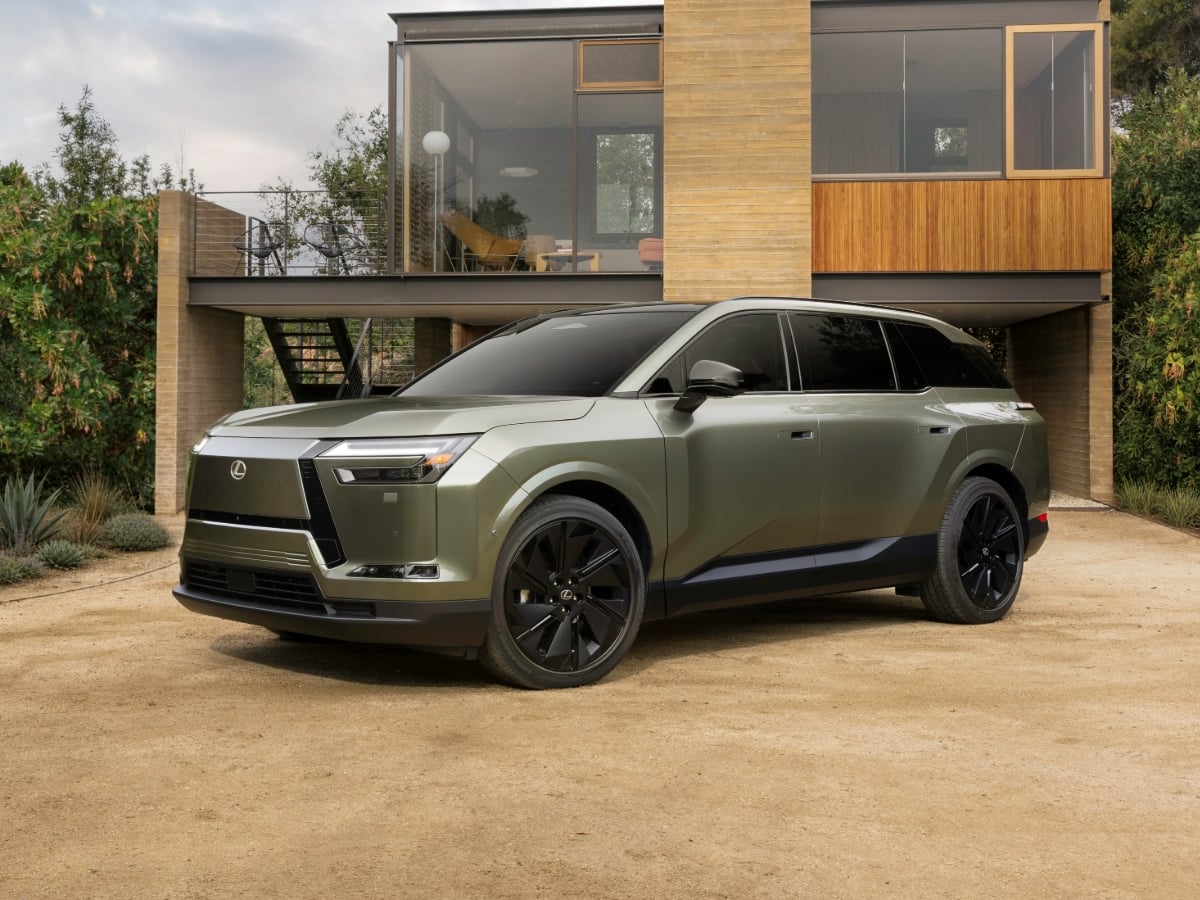
With the 2027 Lexus TZ, Toyota Motor’s luxury division introduces its first three-row all-electric SUV, featuring a lounge-inspired interior, an enhanced all-wheel drive (AWD) system, and up to 300 ...See More
Read the Full Article