
The low coolant level warning light is an essential indicator on most modern vehicles' dashboards. It is an early warning system to alert drivers when the coolant level in the engine's cooling system drops below a safe threshold. The warning light is typically represented by a symbol resembling a thermometer or a container with wavy lines indicating liquid. The warning light illuminates when the coolant level falls below the required amount, signaling the driver to take immediate action. Ignoring this warning could lead to serious engine damage and potential breakdowns.
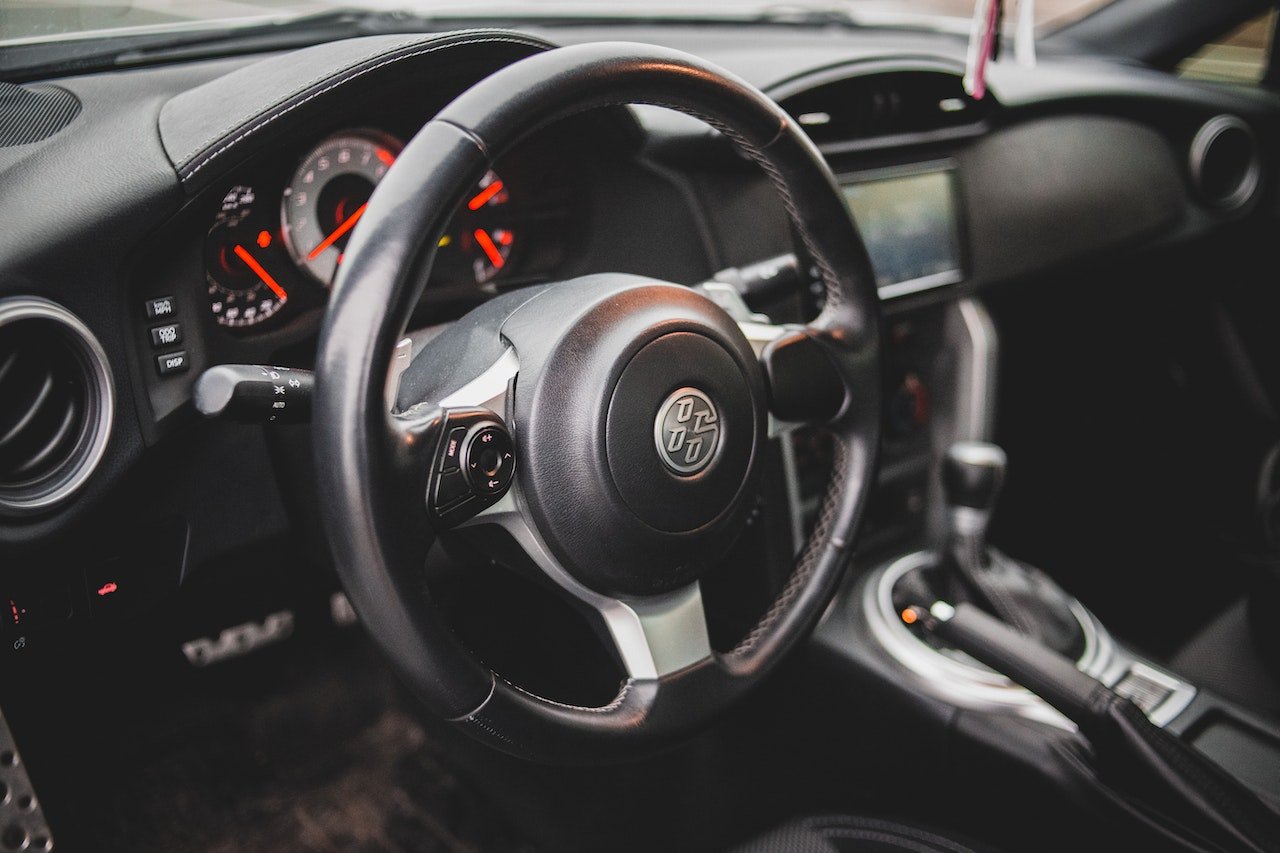
The vehicle's cooling system maintains the engine's optimal temperature. It prevents overheating, which can cause severe damage and reduced performance. The cooling system includes essential components like the radiator, water pump, thermostat, cooling fan, and coolant.
Coolant, often a mixture of water and antifreeze, flows through the engine, absorbing excess heat. It then circulates through the radiator, dissipating the heat into the surrounding air. The water pump facilitates the continuous flow of coolant, and the thermostat helps regulate the coolant flow to maintain the ideal operating temperature.
The low coolant level warning light is a crucial safeguard to monitor the coolant levels in the engine's cooling system. It is designed to detect any significant drop in the coolant level, indicating that the system may be losing coolant due to leaks, evaporation, or other issues.
As coolant is vital in dissipating heat and preventing the engine from overheating, ensuring a sufficient amount is always present is essential. The warning light's primary function is to alert the driver when the coolant level falls below the recommended level, prompting them to address the situation immediately.
The low coolant level warning light uses a sensor in the cooling system to monitor the coolant level. The sensor is typically located in the coolant reservoir, radiator, or engine block. When the engine is running, the sensor continuously measures the coolant level.
If the sensor detects a significant drop in coolant level below the predetermined threshold, it sends a signal to the vehicle's electronic control unit (ECU) or body control module (BCM). The ECU or BCM then activates the low coolant level warning light on the dashboard, illuminating the warning symbol.
The illuminated warning light serves as a clear visual cue to the driver, alerting them to the potential issue with the coolant level. Once the driver is made aware of the situation, they can take appropriate action, such as topping up the coolant or seeking professional assistance to diagnose and fix any coolant leaks or system malfunctions.
In some vehicles, the low coolant level warning light may be accompanied by an audible alert or a message displayed on the instrument cluster, further emphasizing the urgency of addressing the coolant level concern.
The most common causes of coolant loss are leaks, evaporation, and degradation over time.
Coolant leaks are among the most common reasons for low coolant levels in a vehicle's cooling system. These leaks can occur at various locations throughout the system, and identifying the source is essential for effective troubleshooting.
In some cases, low coolant levels may be caused by the engine overheating or coolant evaporation. Overheating can occur due to a malfunctioning cooling system, a faulty thermostat, a blocked radiator, or a failed cooling fan. Coolant may vaporize or escape as steam when the engine overheats, reducing the overall coolant level.
Coolant can degrade over time. The antifreeze properties may become less effective, and the coolant's ability to resist evaporation or freezing may diminish. As the coolant ages, it may lose its effectiveness, resulting in gradual coolant loss from the system.
Additionally, coolant can become contaminated with rust, dirt, or debris, affecting its performance and potentially leading to clogs or blockages in the cooling system. This contamination may necessitate coolant replacement and system flushing, further contributing to coolant loss.
The low coolant level warning light is crucial for vehicle maintenance and safety. It monitors coolant levels, alerting drivers to potential leaks, overheating, or evaporation. The cooling system regulates engine temperature, and coolant, a mix of water and antifreeze, plays a vital role. The warning light activates when coolant drops below the safe threshold, prompting action to prevent engine damage and breakdowns.



The new 2027 BMW i3 boasts an estimated range of up to 440 miles, 400-kilowatt DC fast charging capability, bidirectional charging to a home or the grid, and next-generation technology.
Read the Full Article
Facing renewed competition in the full-size, light duty pickup truck segment, the 2027 Ford F-150 receives subtle styling updates, a new standard engine, broader availability of its 5.0-liter V8, and ...See More
Read the Full Article
The 2027 Civic Type R goes on sale in October 2026, and it starts at $49,990, including the $1,295 destination charge.
Read the Full Article
Part of BMW’s Neue Klasse (new class) rollout of redesigned models, the 2027 BMW 3 Series is all-new and goes on sale in the first quarter of 2027.
Read the Full Article