
All professions have a particular vocabulary of their own. Each domain has its jargon, whether medical, legal, financial, military, or sports.

“Lienholder” is a very specific term from the finance industry. You may have heard it, especially when discussing cars, but do you know what it means? Well, let’s find it out together.
A lienholder is an entity that is the legal owner of your property/belonging until you pay off the loan. A lienholder is usually a bank, financial institution, or lender. The lienholder is the financier of your loan and has a legal interest until you pay off the loan.
Usually, it is the financial institutions that are lienholders. Still, even an individual like a family member can also be one. The only criteria are you borrowed money from them and must return it, and the vehicle belongs to them until the debt is settled.
A lien gets created when you purchase a car and finance it through a third party. The lien holder holds the title of the car and is the vehicle's legal owner until the loan has been settled. The lien cushions the lender from potential default by the creditor. It also allows the lender to reoccupy the vehicle in case of a default.
All cars have to be mandatorily insured before they’re actually driven. If you finance your vehicle, you must abide by certain coverages required by the Lienholder. Lienholders tend to include specific clauses that typify the kind of insurance you need to take. Comprehensive and collision coverages are the most common types of insurance your lienholder may require. These ensure that the Lienholder's interest is protected in case of a collision or theft. Lienholders can also determine your deductible amount from insurance receipts and list it in the paperwork.
You must also be careful in communicating any changes concerning your Lienholder to your insurer. Make sure that when you add or remove the Lienholder from the insurance policy, you mention it to your insurance agent. You must also share the relevant update with your Lienholder as proof of the changed arrangement.
When you lease a vehicle, you pay a recurring sum at agreed-upon time intervals. When the lease runs out, you have to surrender the car, and you don't become the vehicle owner. On the other hand, when you finance a car, you make recurring payments to the Lienholder. When the loan is paid, the car's title gets transferred to you.
As mentioned, liens prohibit you from selling the car until you get full ownership or pay the debt. Without doing that, you won’t be able to own the vehicle and sell it or treat it as your property.
If you plan to buy a new car or sell your old one, lienholders are an essential consideration. However, when browsing for an automobile, ensure the vehicle has no pending lien. And when selling the car, ensure that the vehicle is clear of all the dues and has accurate titles for ease of transfer.
Lienholders also influence your insurance policy. You must thoroughly review the agreements to incorporate lienholders' demands while maintaining your say. You must also be cautious when adding or removing lienholders from the insurance policy.
When browsing for a vehicle, multiple options are presented to you. You could pay upfront, get a loan from a bank or look for a lienholder to take care of your needs. Liens, however, do differ from loans because you can’t legally own a car until the debt is settled. Plus, lienholders could influence your insurance policy, as they need guarantees to ensure they’ll get the entire sum back.


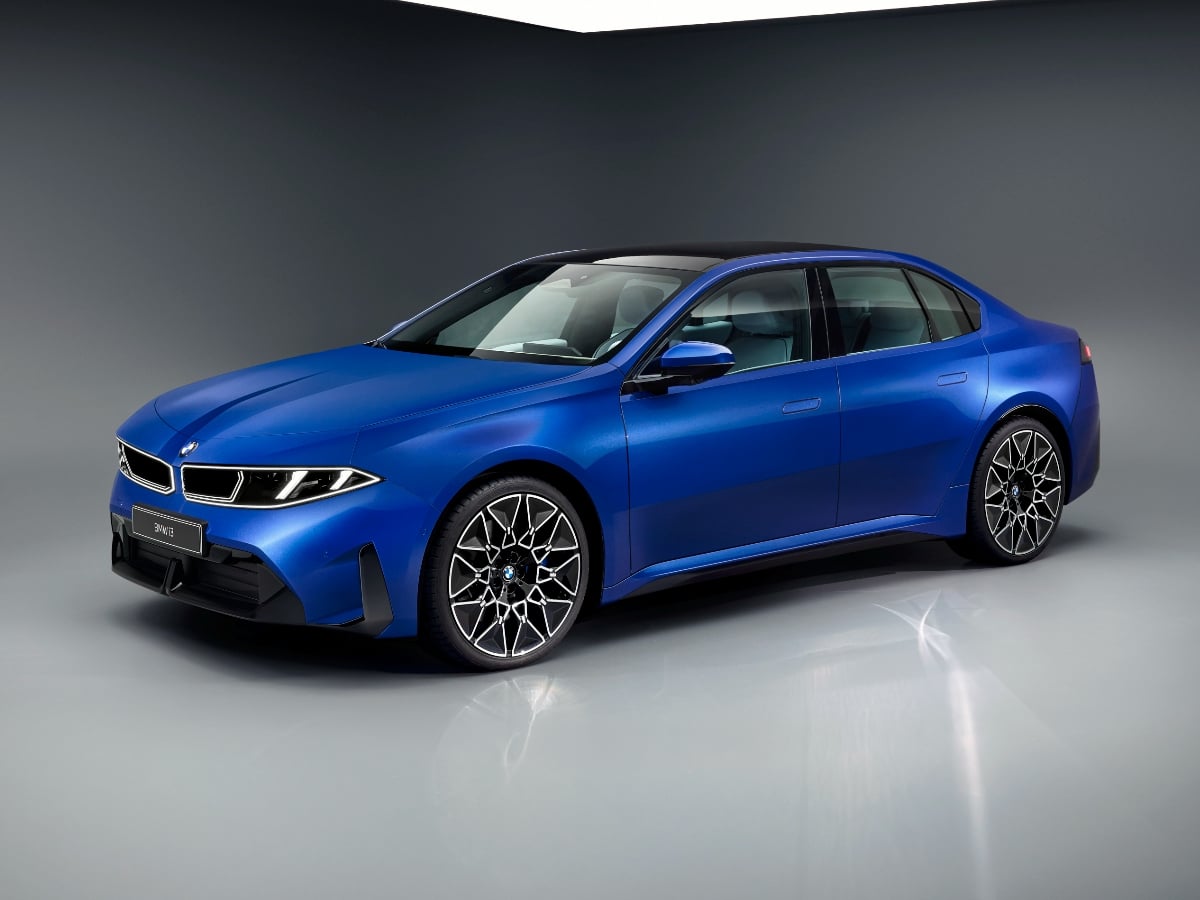
The new 2027 BMW i3 boasts an estimated range of up to 440 miles, 400-kilowatt DC fast charging capability, bidirectional charging to a home or the grid, and next-generation technology.
Read the Full Article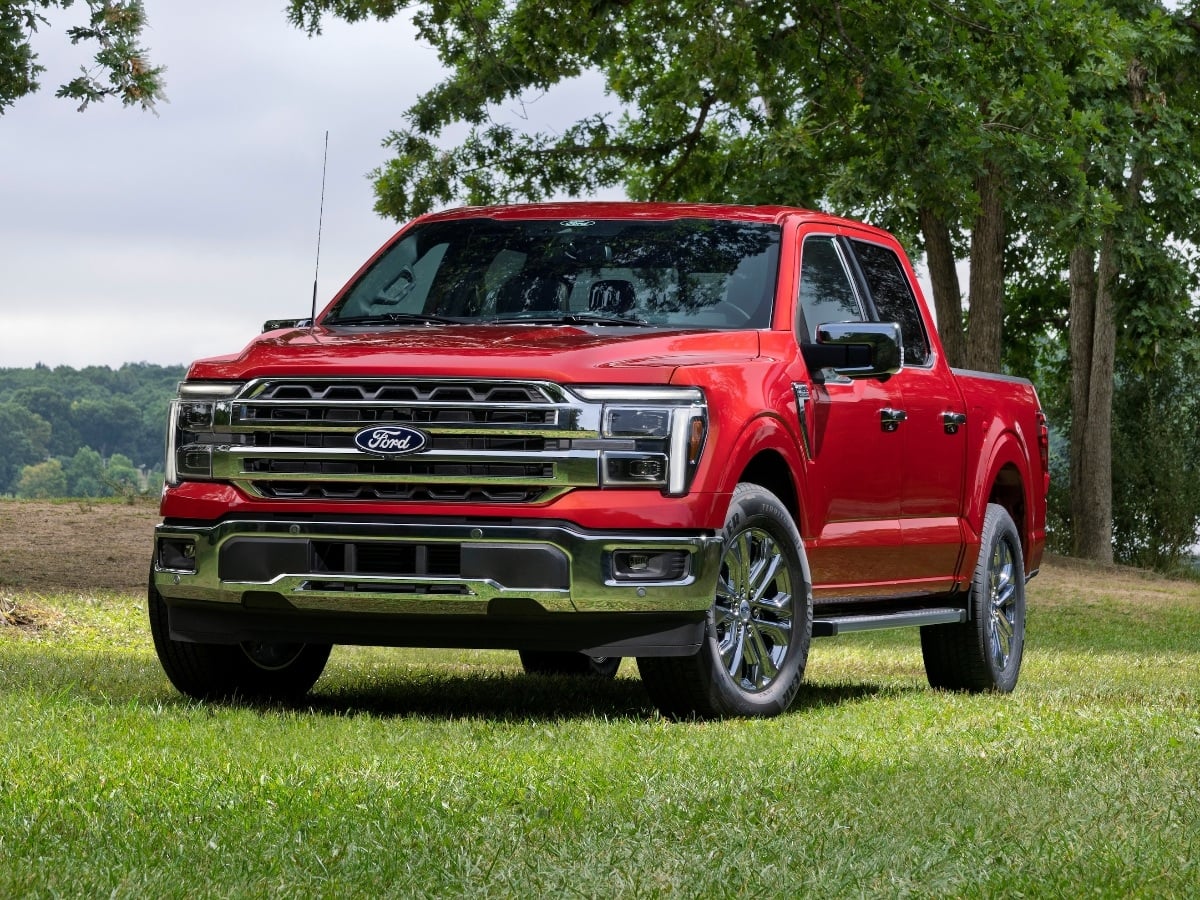
Facing renewed competition in the full-size, light duty pickup truck segment, the 2027 Ford F-150 receives subtle styling updates, a new standard engine, broader availability of its 5.0-liter V8, and ...See More
Read the Full Article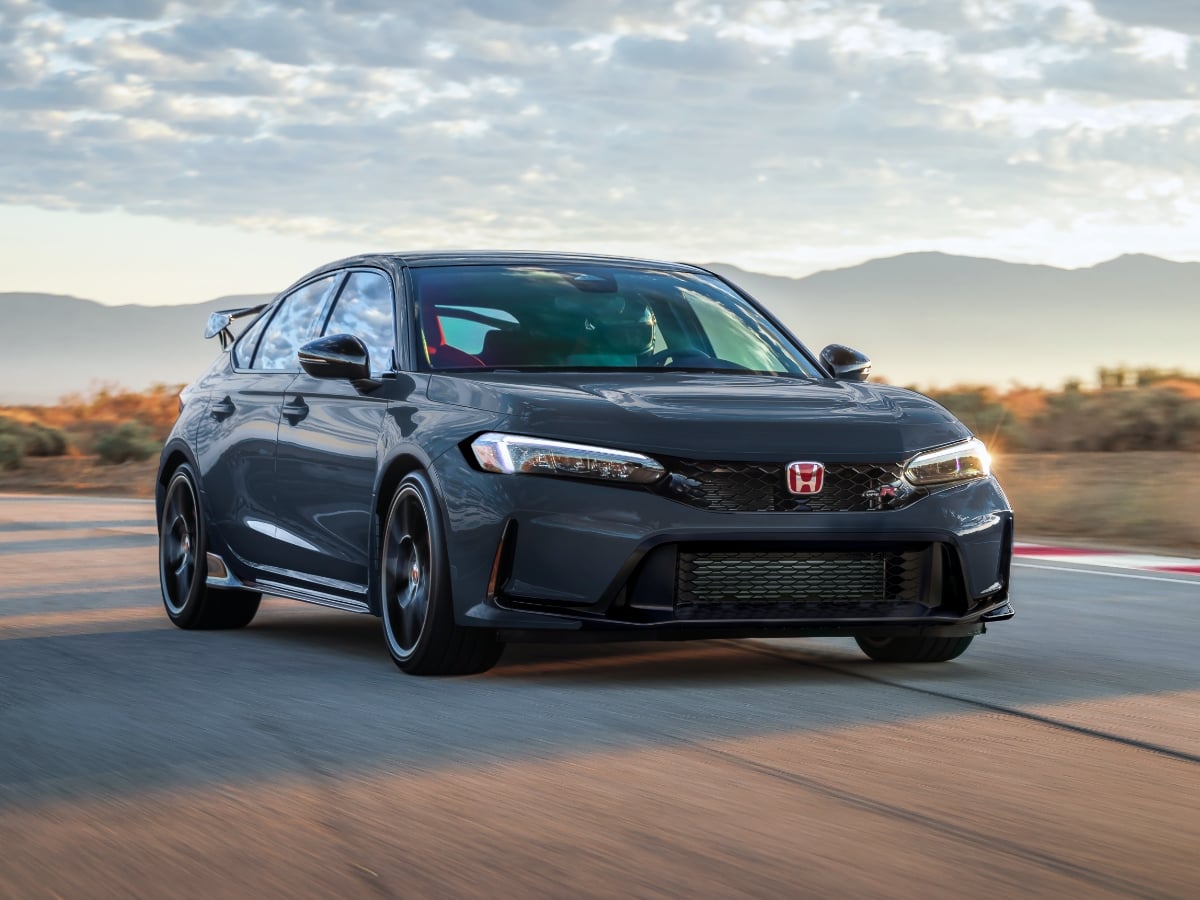
The 2027 Civic Type R goes on sale in October 2026, and it starts at $49,990, including the $1,295 destination charge.
Read the Full Article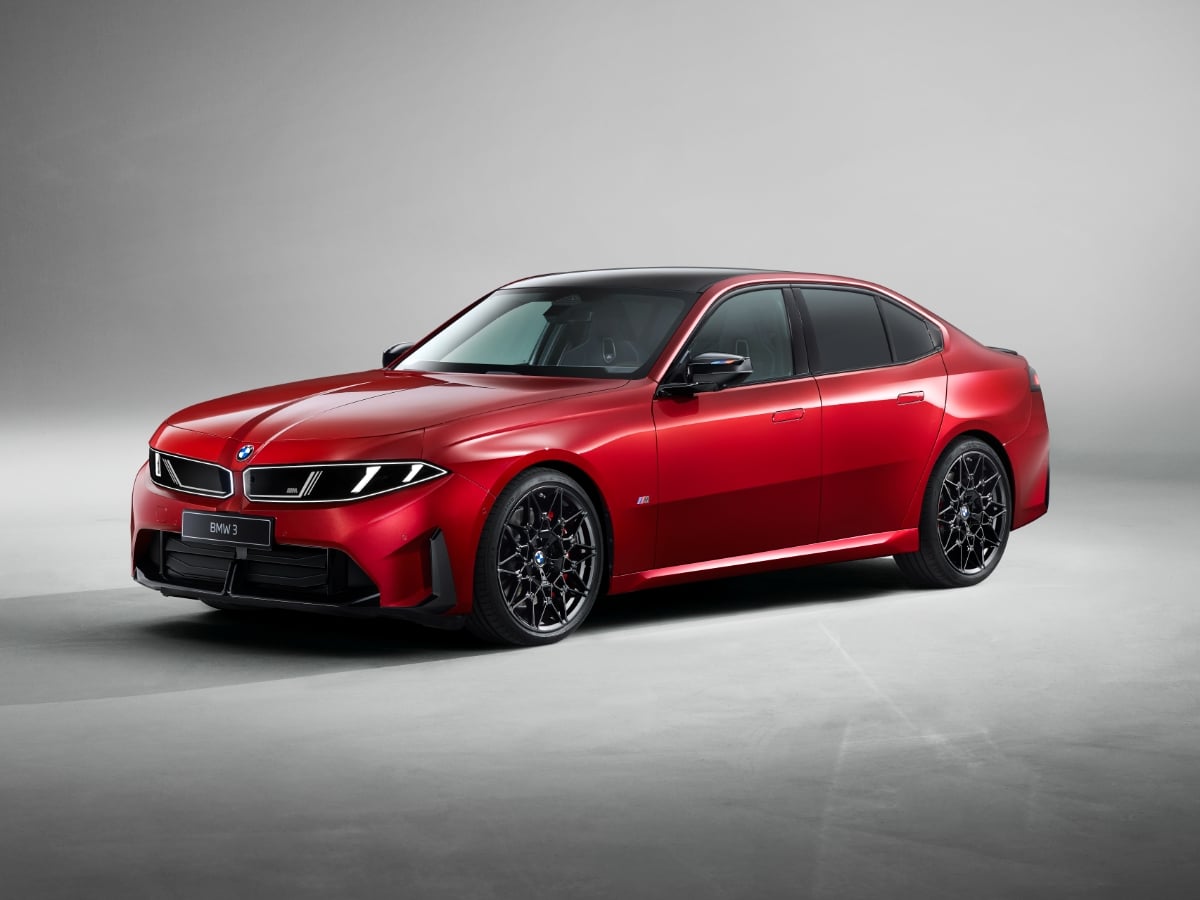
Part of BMW’s Neue Klasse (new class) rollout of redesigned models, the 2027 BMW 3 Series is all-new and goes on sale in the first quarter of 2027.
Read the Full Article