
Hypercars are the most extreme automobiles ever made. They offer the most performance in acceleration, top speed, and handling. They are built with the finest quality and exotic materials through advanced production processes that result in exclusive designs, appearance, and sound.

They are designed to outperform what already exists by taking the qualities of high-performance cars and supercars to a new level. They are also at the top of the automobile industry in terms of price and rarity.
Some of the best hypercars ever produced include the Ferrari LaFerrari, Bugatti Chiron, Porsche 918 Spyder, Pagani Huayra, the Koenigsegg One, McLaren P1, and the Lotus Evija. The list is pretty long.
The elements that put a car in the hypercar category are the materials from which they are made, performance, exclusivity, uniqueness, and price.
Hypercars are built with the most expensive and hard-to-find exotic materials like carbon, titanium, gold, silver, magnesium, Kevlar, and rhodium.
These materials are used because they offer the most strength, making the car safer and better equipped to handle the exhilarating performance. These materials also help in weight reduction, a requirement for higher performance.
Hypercars are designed for better aerodynamics and reduced drag coefficient. This enables them to achieve extreme performances, including a top speed of over 200 to 300 miles per hour. In general, hypercars accelerate from 0 to 62 miles per hour which is 100 kilometers in less than 3.0 seconds, and 0 to 100 miles per hour which is 161 kilometers in less than 7 seconds.
Hypercars are highly exclusive. Throughout the world, there are less than 6,000 hypercars registered. They are limited in production and sold to the elitist niche of people who are often chosen. Hypercars are sold out before the market launch.
They are mostly handmade and sold in limited editions. Speaking of limited editions, Pagani produces only 100 of each model, and Hennessey makes only 24 units of the Venom F5. It is such a rarity that qualifies a car into the hypercar territory.
Usually, no two models are the same. Buyers are selected before production, so the cars are customized and tailored to their preferences.
Exclusive materials and components are used for both the interior and exterior. The result is attention-grabbing design characteristics that make each model distinctive for every buyer. Every hypercar is unique because it is specifically made for each owner.
Top-of-the-line specifications, exhilarating performance, unique designs, and exotic materials. It is needless to say that hypercars are the most expensive cars ever built. Typically, you can expect the price of hypercars to be above $1 million. However, in a compilation of the 20 most expensive hypercars on sale today, the average entry price was $2 million.
Hypercars are a step above supercars and surpass supercars with performance, design, price, and exclusivity. Hypercars push the boundaries of supercars. In other words, hypercars take the possibilities of supercars to another level.
In terms of performance, hypercars have higher top speeds than supercars. In general, supercars can reach 0 to 60 miles per hour in less than 3.5 seconds and a top speed of 200 miles per hour, while hypercars can go from 0 to 60 miles per hour in less than 3.0 seconds and a top speed of over 200 to 300 miles per hour.
In terms of exclusivity, both supercars and hypercars are limited in production. However, hypercars are rarer than supercars. The production units of hypercars can range from as low as 1 to 1,000, while that of supercars exceeds 1,000 units.
The cost of having a hypercar encompasses the initial purchase price, insurance, fuel expenses, and maintenance.
The MSRP of most hypercars starts just a little under $2 million and goes up to $5 million. Some, however, can go as high as $9 million, as in the case of the Bugatti Centodieci. On average, $2 million is the price of entry to the hypercar territory.
The initial cost price is not the only expensive thing about hypercars. As a general rule, the higher the price of a car, the higher the insurance premium. Besides the price, most insurance companies consider how much it will cost to repair or replace the vehicle and the risk the driver carries. Such risk includes age, experience, driving history, and annual miles driven.
You can expect a premium between 1% to 1.5% of the vehicle’s insured value, ranging from $1,500 to $35,000 per year.
Maintaining hypercars requires exotic parts that are hard to find and expensive. They also require specially trained technicians and tools built for the purpose. Hence a regular oil change can cost an average of $1,500.
For example, Bugatti charges a whopping $22,000 for an oil change. They also recommend replacing your tire set every four years, which costs $38,000 per set. Mclaren also estimates an annual running cost of $30,000, where oil change is around 8,000.
Besides the cost, hypercars take longer to service. Typically it may take 1 to 6 weeks to service a hypercar. Cleaning of hypercars also requires detailing and attention to detail which also comes at a cost.
Hypercars are the quintessential standards in the automobile industry. They are at the high end in terms of performance, styling, uniqueness, rarity, and price.
To some degree, owning a hypercar has benefits above that of a regular car. But it comes with higher expenses in terms of cost, insurance, fuel expenses, and maintenance. Consider these factors if you have $2 million in your bank account and are looking to drive home in a hypercar.


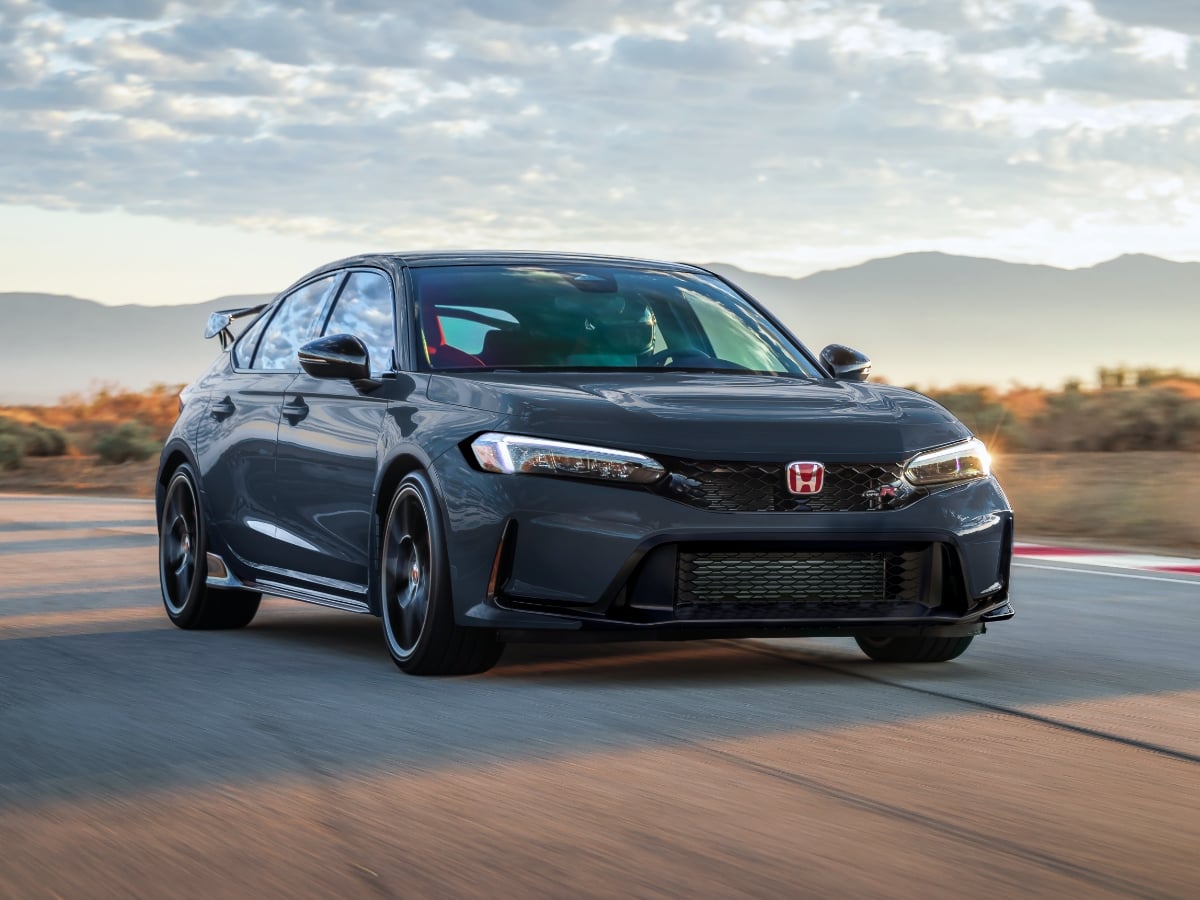
The 2027 Civic Type R goes on sale in October 2026, and it starts at $49,990, including the $1,295 destination charge.
Read the Full Article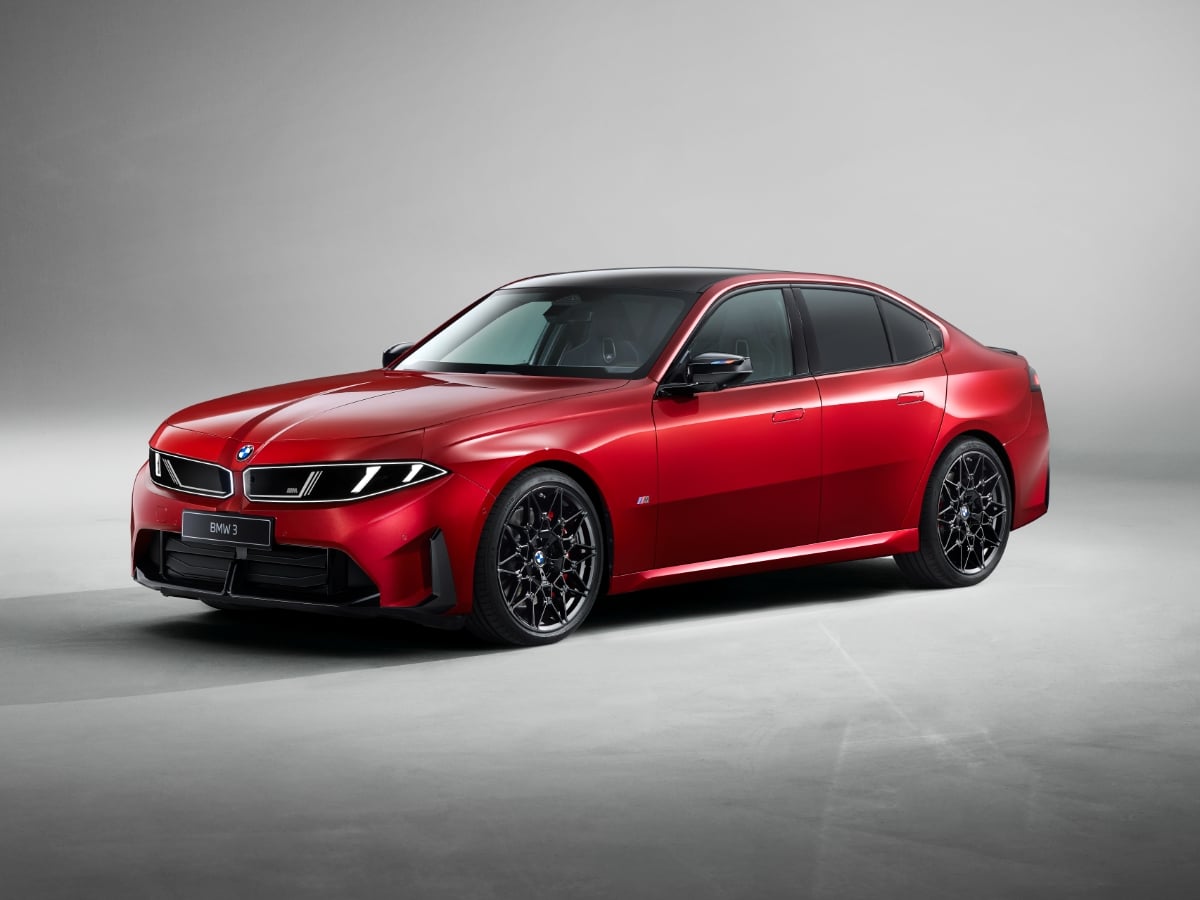
Part of BMW’s Neue Klasse (new class) rollout of redesigned models, the 2027 BMW 3 Series is all-new and goes on sale in the first quarter of 2027.
Read the Full Article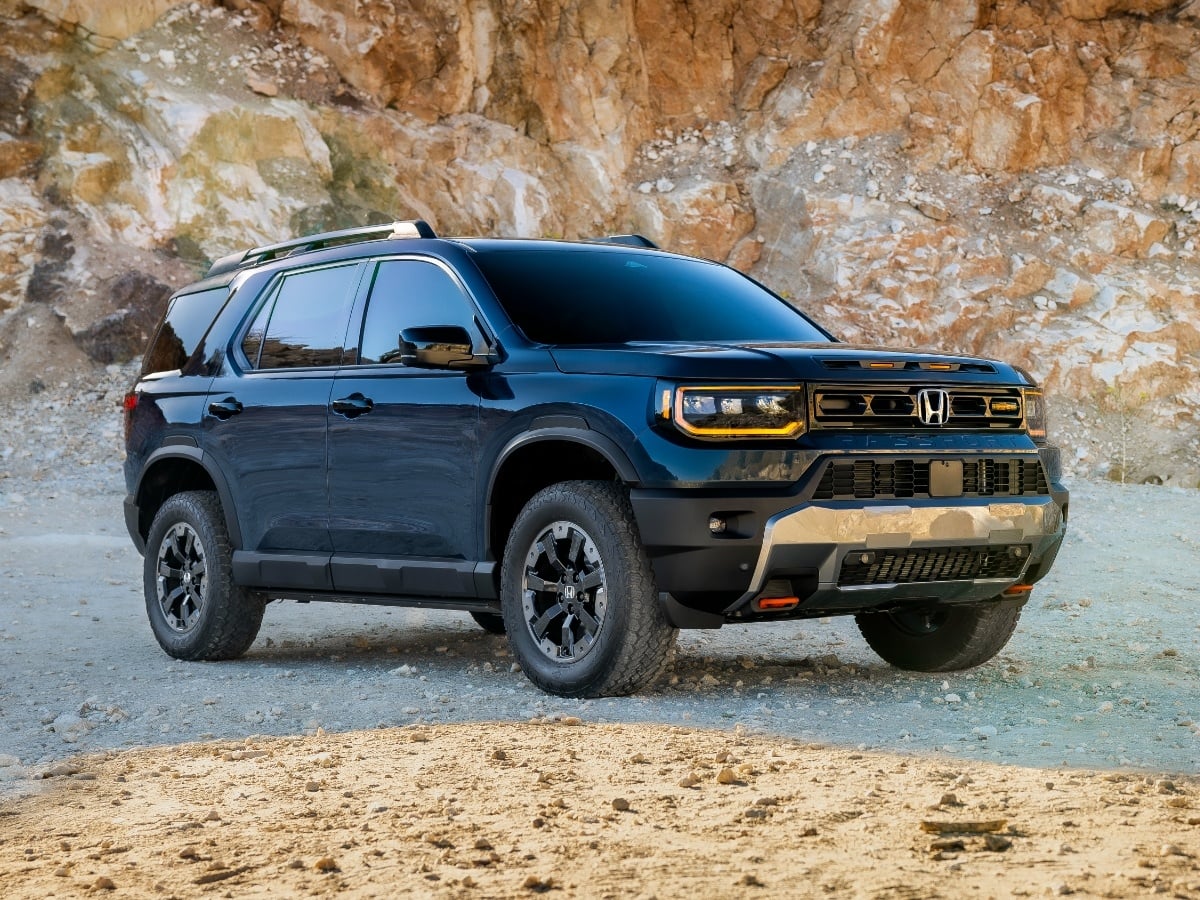
Updates to the 2027 Honda Passport TrailSport include a reworked suspension, improved steering, subtle styling enhancements, and added standard equipment.
Read the Full Article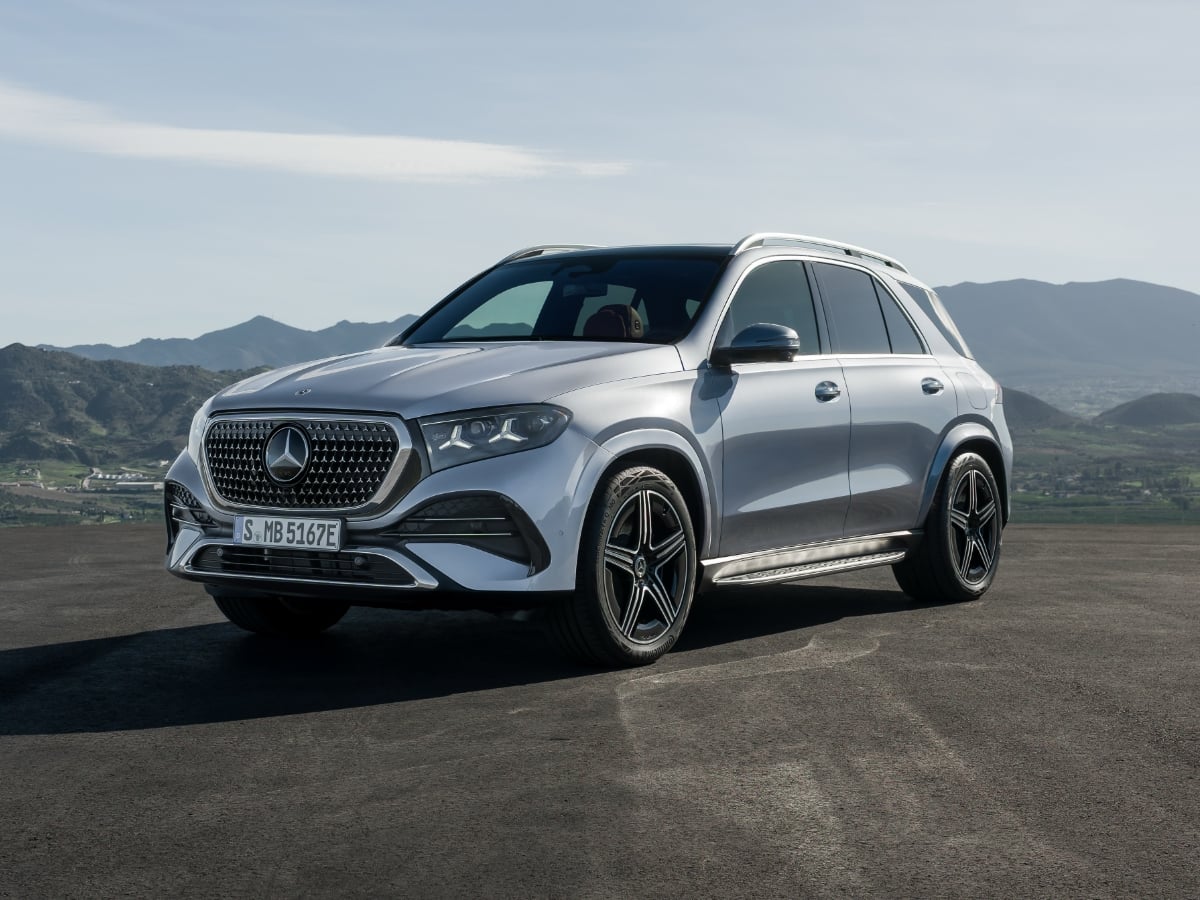
The midsize 2027 Mercedes GLE remains available in original and spicy Coupe recipes, now with standard 4Matic all-wheel drive (AWD), MBUX Superscreen technology, and a panoramic glass sunroof for ...See More
Read the Full Article