
The wheels of a moving vehicle can move at different speeds, with some turning faster than others. This can cause a loss of steering control and compromise safety on the road. To mitigate this, speed wheel sensors are used to monitor the speed of the wheels and send electrical signals to electronic driving safety systems to maintain vehicle control and braking.
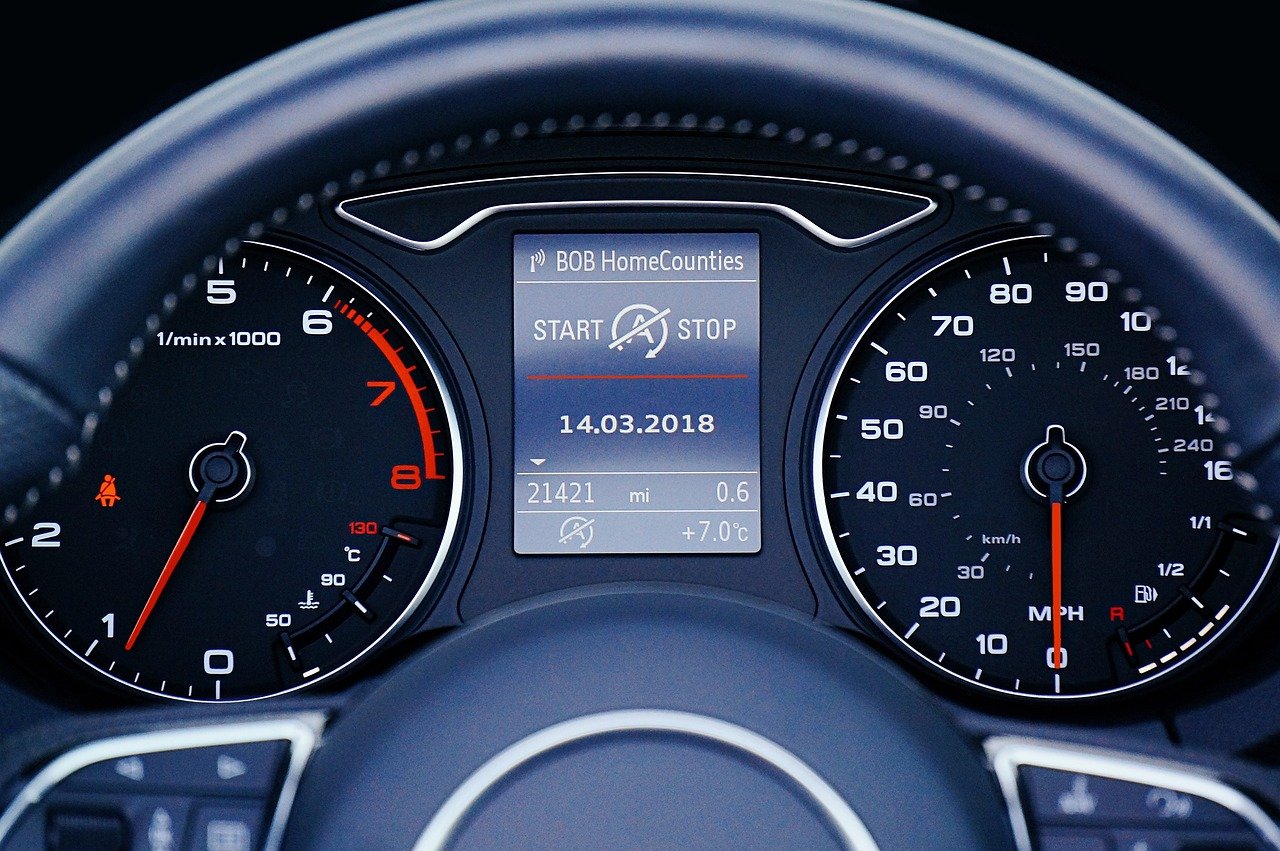
These safety systems include the Anti-lock Braking System (ABS), Electronic Stability Program (ESP), and traction control systems, and all depend on the wheel speed sensors to function. As a result, a failing speed sensor will cause these systems to malfunction.
There are four different wheel speed sensors mounted at each wheel of modern vehicles. The ones mounted on the front wheels are called front wheel speed sensors. They are located in the hub assembly and, along with the rear sensors, monitor the vehicle's speed and provide the vehicle's Electronic Control Unit (ECU) with the necessary information. The ECU also feeds the safety systems, speedometer, and odometer with this speed data.
The wheel speed sensors must remain in the same position to detect the rotation of the tires, so they are mounted on the stationary portion of the hub assembly and pointed towards the reluctor ring. The reluctor ring is a timing ring with multiple toothed gears mounted in the rotary portion of the hub assembly.
As the wheels spin, the teeth of the reluctor ring pass by the wheel speed sensor, which detects the pattern of the teeth and how quickly they pass its magnetic fields or wire coils. This data is transferred to the ECU to determine the direction and speed of the wheels' rotation.
Safety is a key reason why wheel speed sensors are necessary. By monitoring each wheel separately, they provide the ECU with accurate data, which helps drivers know the speed at which their vehicle is moving. Without this information, drivers cannot precisely know their car's speed, which compromises safety on the road.
During braking, the speed sensors inform the anti-lock braking unit through the ECU, which wheels are locking up or turning slower than others. This triggers the ABS to intervene by quickly pumping the brakes at the locking wheels, allowing them to keep spinning and helping the driver avoid dangerous skids.
Additionally, the Vehicle's Stability Control (VSC) system, or traction control system, uses the data from the speed sensors to maintain vehicle control by reducing power to faster-spinning wheels and increasing power to slower-spinning wheels.
Typically, wheel speed sensors should last as long as the vehicle. However, they are subjected to the highest amount of mechanical pressure within the braking system due to their location and can be affected by external factors, such as unfavorable weather and physical damage from road debris. The salt used to melt ice in snowy areas can cause corrosion and dirt deposits on the sensors, which can eventually affect signal quality and require replacement.
The following are sign the you speed sensor become faulty:
The cost of replacing a wheel speed sensor varies depending on the type of vehicle and the complexity of the replacement. The average cost ranges from $200 to $400, with the sensor costing between $100 and $150 and labor costing between $100 and $300.
Wheel speed sensors are critical components in a vehicle's electronic brake regulating system. They help to maintain safety on the road, improve driving dynamics, enhance ride comfort and fuel economy, and reduce emissions. Hence, it's important to have a worn-out or damaged wheel speed sensor replaced as soon as possible when a vehicle shows tell-tale signs.


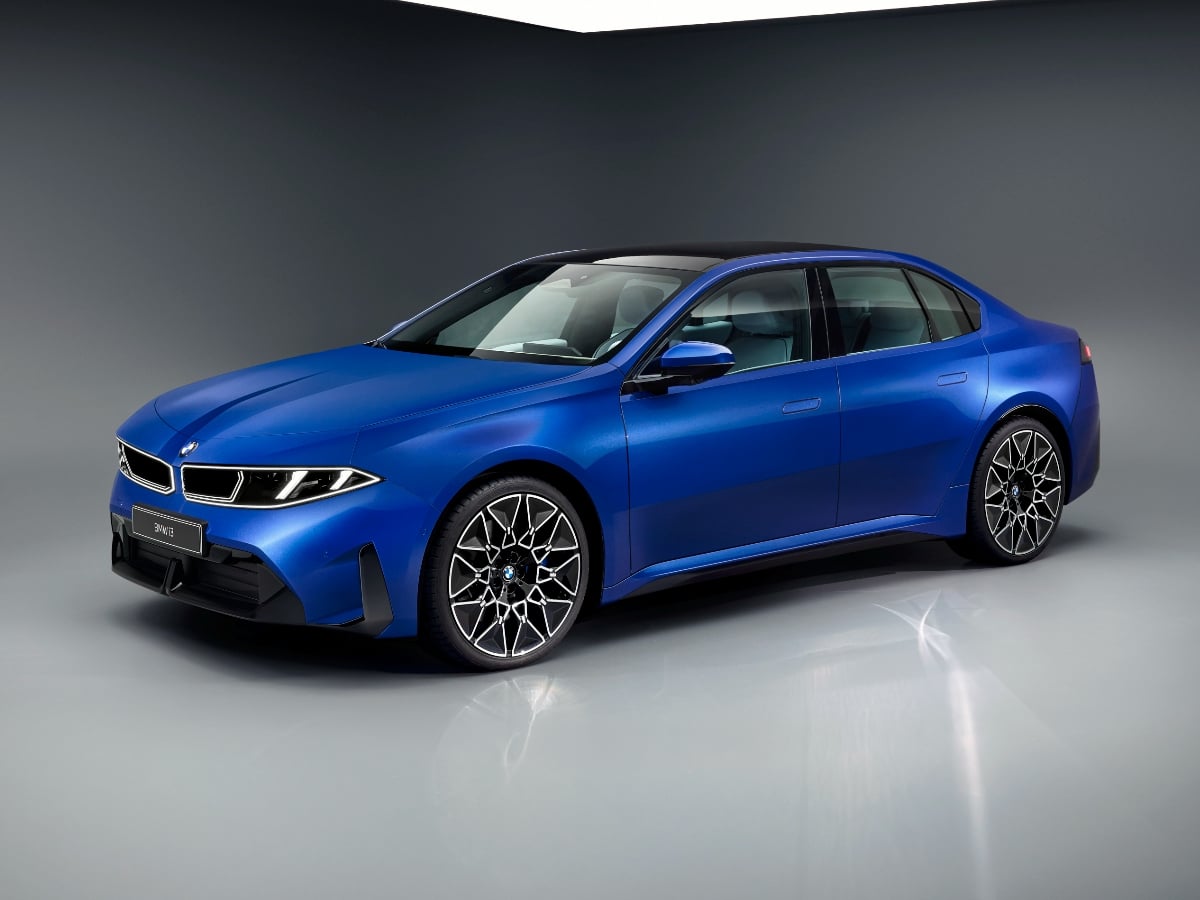
The new 2027 BMW i3 boasts an estimated range of up to 440 miles, 400-kilowatt DC fast charging capability, bidirectional charging to a home or the grid, and next-generation technology.
Read the Full Article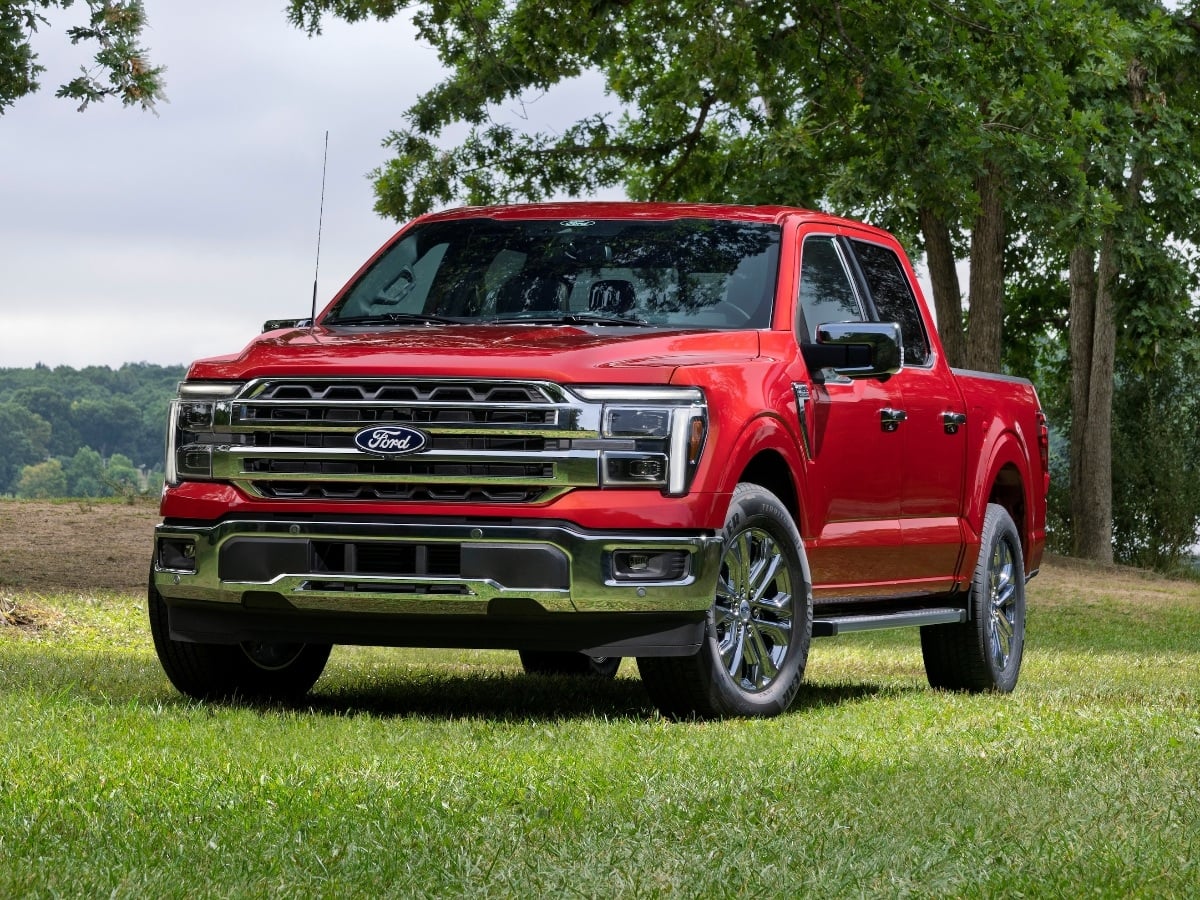
Facing renewed competition in the full-size, light duty pickup truck segment, the 2027 Ford F-150 receives subtle styling updates, a new standard engine, broader availability of its 5.0-liter V8, and ...See More
Read the Full Article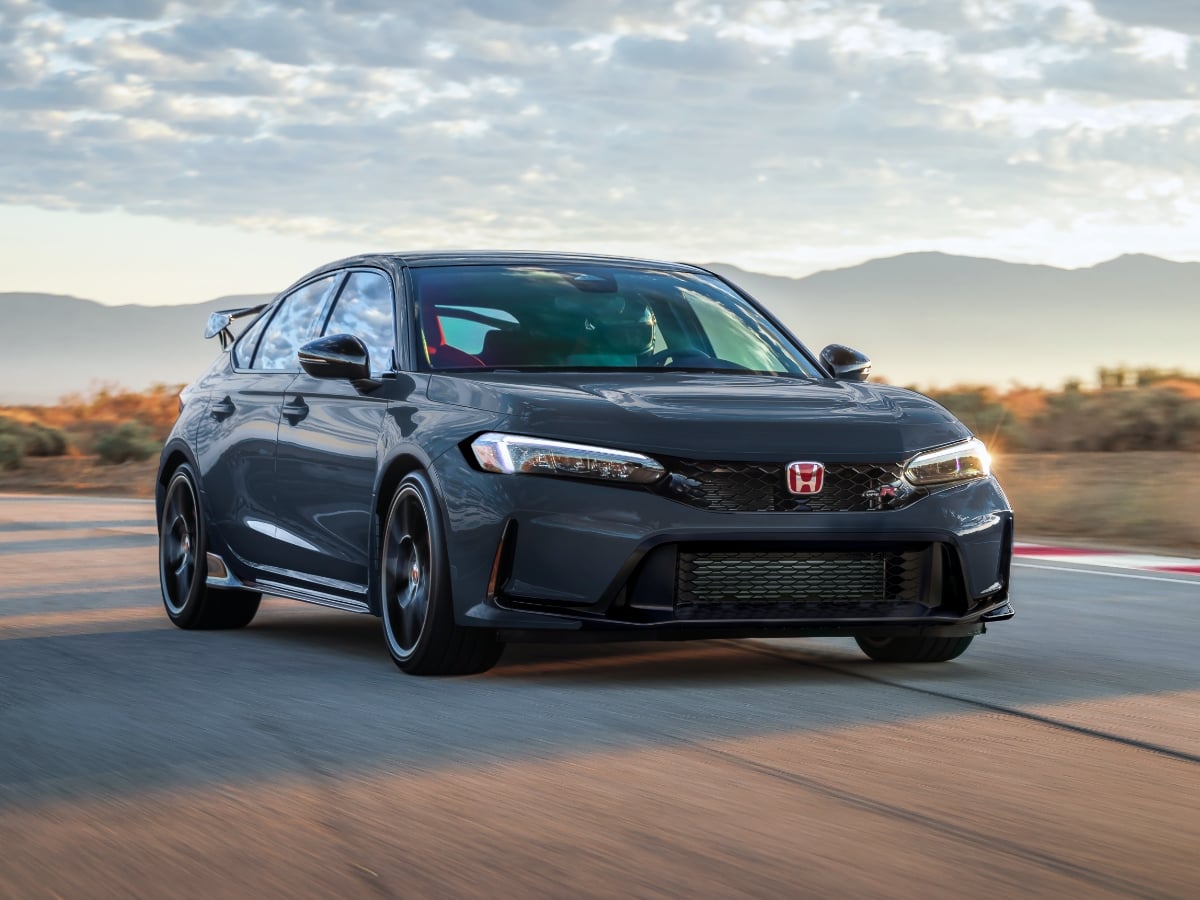
The 2027 Civic Type R goes on sale in October 2026, and it starts at $49,990, including the $1,295 destination charge.
Read the Full Article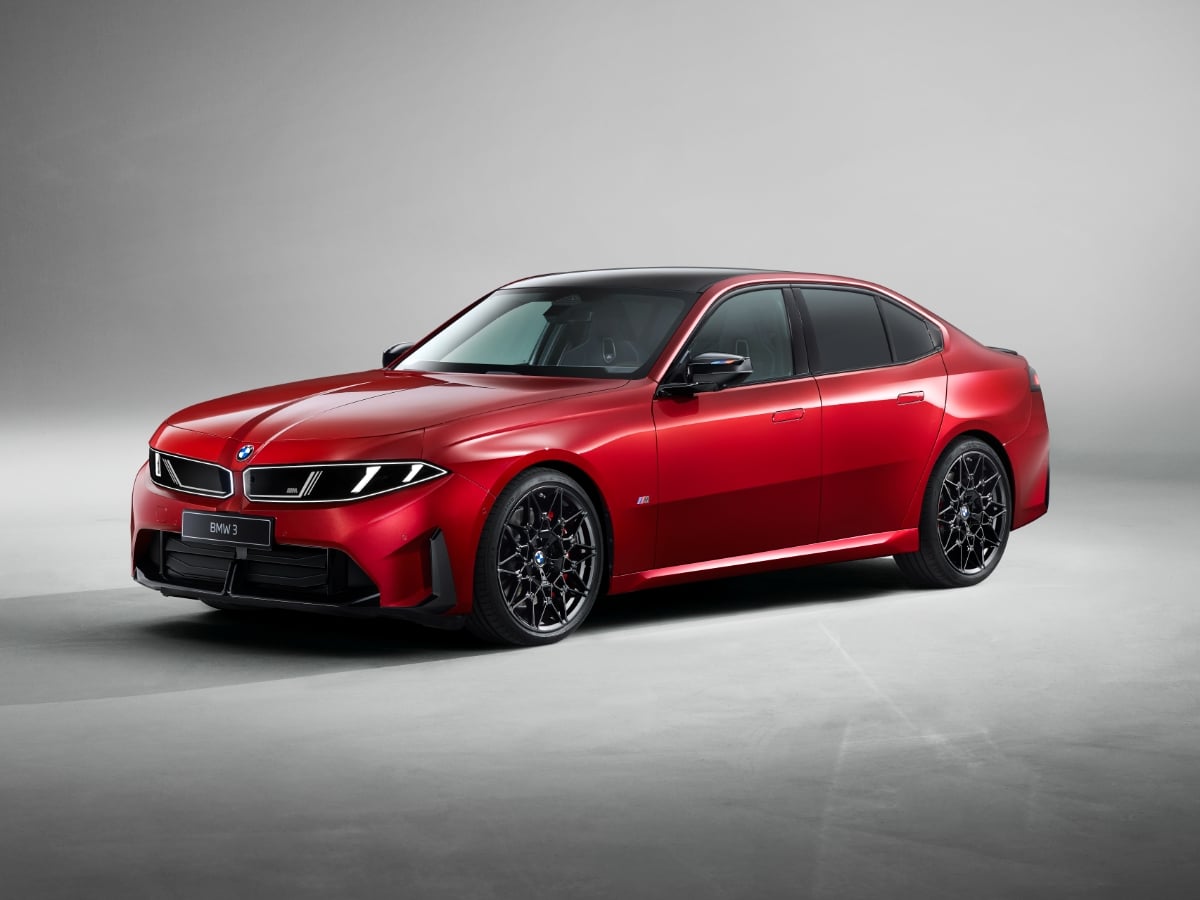
Part of BMW’s Neue Klasse (new class) rollout of redesigned models, the 2027 BMW 3 Series is all-new and goes on sale in the first quarter of 2027.
Read the Full Article