
Buying a vehicle always entails a fair share of difficulties. It must meet your price expectations, possess all the necessary functions, and, above all, be a reliable problems-free purchase.

This is especially true for businesses as they have various needs apart from what was mentioned. That is why many business owners turn to fleet vehicles to address these issues with minimum effort.
What is a fleet vehicle, though? And if you’re looking to buy a used car as an individual buyer, does it make sense to purchase one? In this article, we will talk about precisely that. We’ll get into what fleet vehicles are, state the pros and cons of owning one, and mention how you should approach buying these cars.
Fleet vehicles are cars owned and used by an organization, government agency, or any public utility. They are primarily used to transport cargo or people. The vehicles are the foundation for many businesses and range in type heavily from taxi cabs, rental cars, trucks, public buses, and much more.
More often than not, management of these cars falls directly under fleet manager, transport manager, and business owner responsibilities. They keep track of these vehicles through specialized software that streamlines communications or allows them to meet compliance regulations.
About 1 in 5 new vehicles sold are “fleet” purchases and constitute a car or truck bought by a rental car company or any other company. Governmental agencies usually buy them in bulk, from 3 or 4 at a time to tens of thousands per year. However, one way or another, they wind up as used cars on lots or are sold online.
Before getting into how you can acquire these vehicles, you should consider the pros and cons of owning one. They are sourced from different companies or agencies, after all. Knowing how this affects the overall condition can be beneficial and save you from potentially unpleasant surprises.
Key things to think about when buying one include maintenance, vehicle history, and clean interior. Companies that manage fleet vehicles are strict about service schedules and will never skip an appointment. As a result, the buyers get a clean gunk-free car that will serve them for quite some time. Add a comprehensive vehicle history, and you get a used vehicle with readily available information to supplement your purchase decision.
The flipside, however, presents some challenges. Because businesses buy these vehicles en masse, they opt for base trim levels or models. This is terrible news for those who enjoy heated seats or a power liftgate. Additionally, you may encounter warranty-related problems. Most warranties last for three years or 36,000 miles, with some surviving five years or 60,000 miles. Companies use the cars as much as possible and sell them only when there are no other options. So, buyers should expect to come upon vehicles with a warranty that is about to expire.
You can do a couple of things to get your hands on a fleet vehicle. Auctions feature thousands of used rental and municipal cars that you can browse. You can bid online or attend auctions in person. Many brokers also offer to connect buyers with related services such as car financing, inspections, parts locating, etc.
If that is not your thing, then try out rental companies. They usually have a sales division and, if they do, give information about all available vehicles on their website. If you aim for government vehicles, visit related websites like GovPlanet or Municibid. They list different kinds of cars, from cruisers and sedans to vans and pickup trucks, and are auction-based.
After all that, you should consider where and how the car was used. If the vehicle was a taxi cab, police transport, or a public utility car or truck, it might not be a great purchase. These cars have seen extensive use and, probably, racked up more than 100,000 miles before retirement. Nothing is left except for some nice modifications and the characteristic wear and tear.
A healthier alternative would be rental and corporate vehicles. These are not used for quite as long and, generally, will be in a better overall condition.
After considering everything mentioned, you are ready to look at fleet car options! If you’re looking for a used car at reasonable pricing, and a reliable maintenance history, fleet cars can be a great pick - just be aware that you might not get a car with the best trim. And though your potential fleet car purchase may be in great shape, its previous owners will likely have racked up a lot of miles.


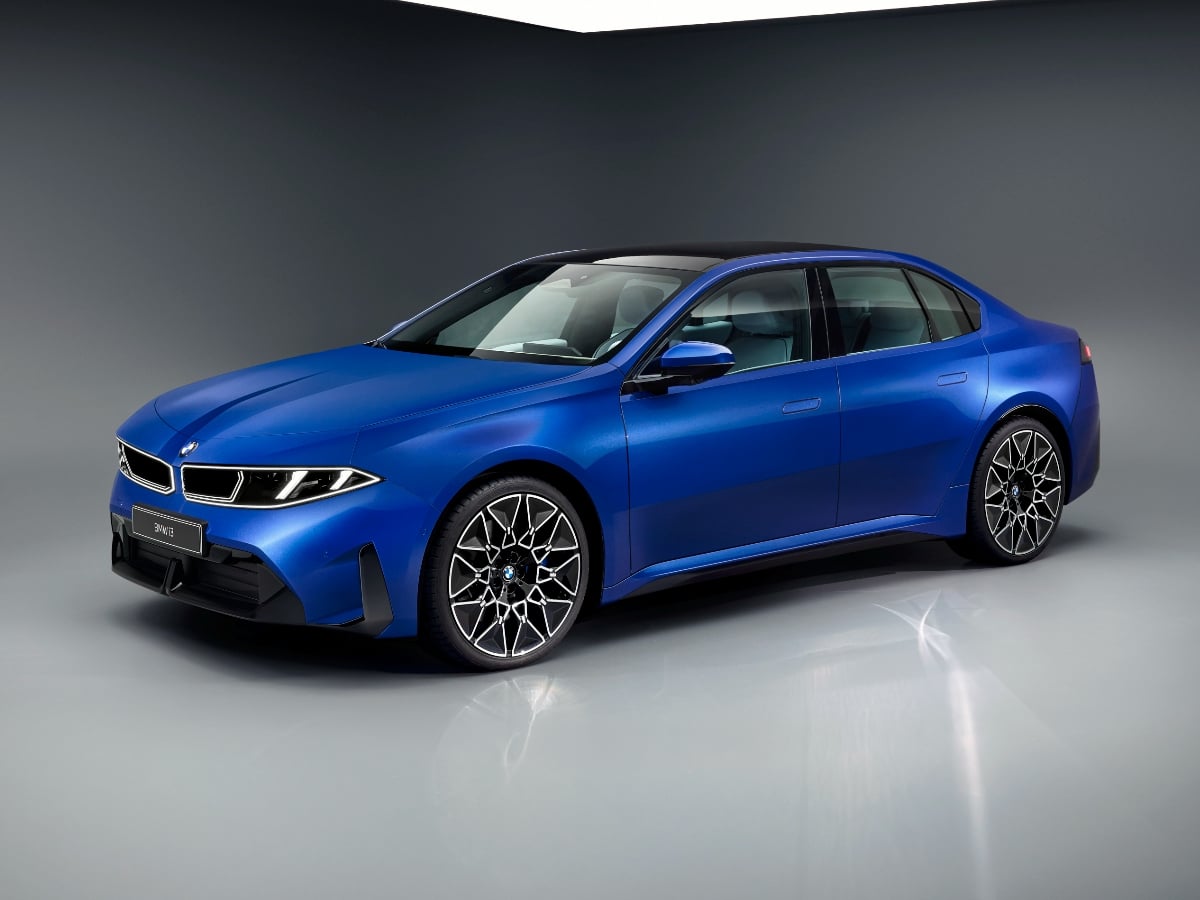
The new 2027 BMW i3 boasts an estimated range of up to 440 miles, 400-kilowatt DC fast charging capability, bidirectional charging to a home or the grid, and next-generation technology.
Read the Full Article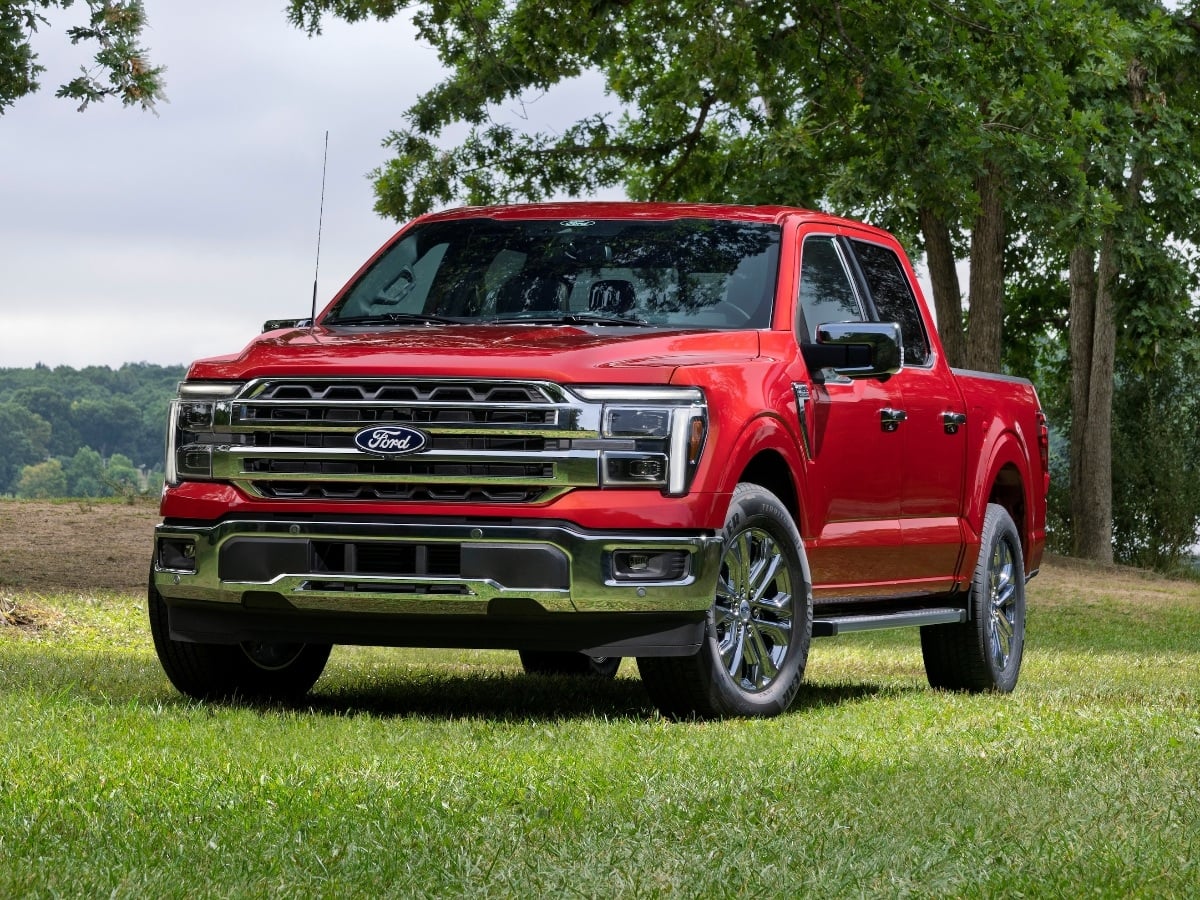
Facing renewed competition in the full-size, light duty pickup truck segment, the 2027 Ford F-150 receives subtle styling updates, a new standard engine, broader availability of its 5.0-liter V8, and ...See More
Read the Full Article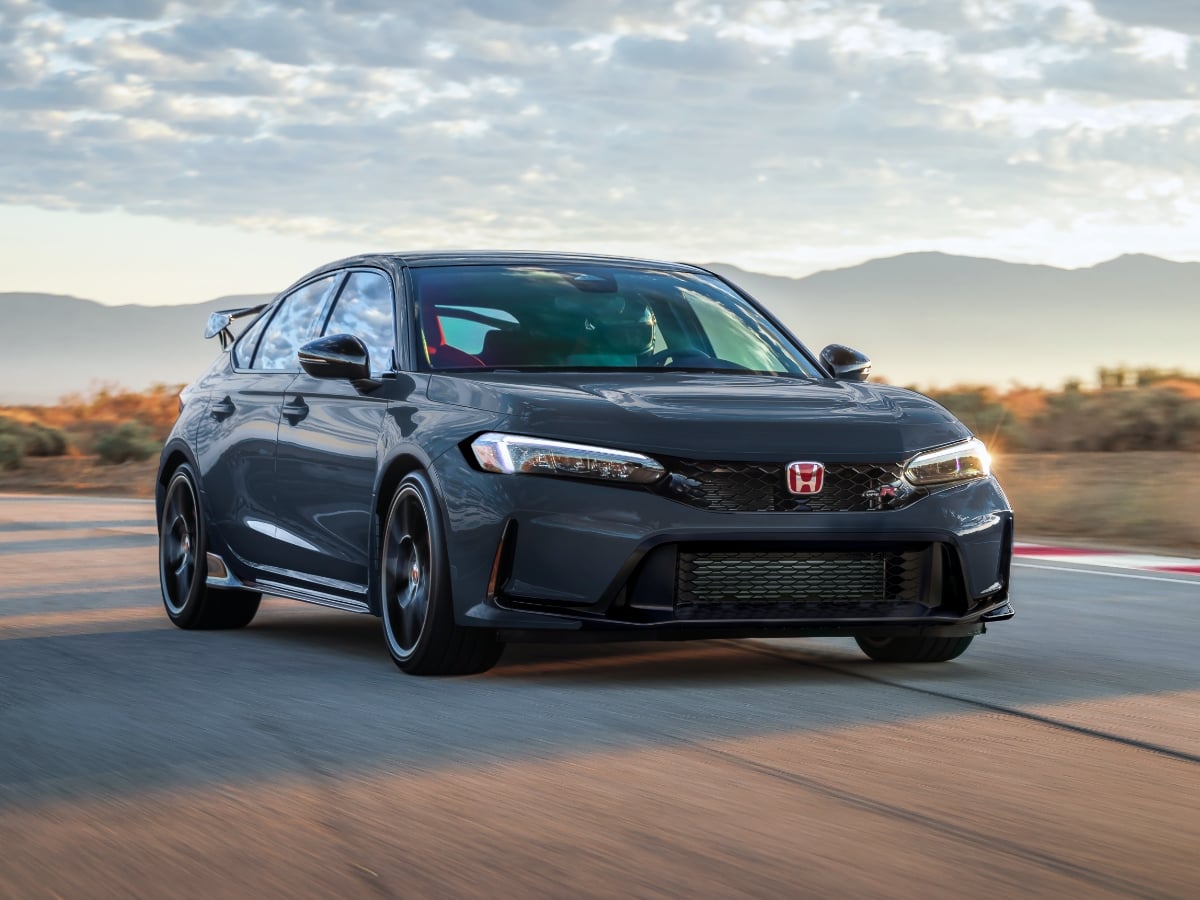
The 2027 Civic Type R goes on sale in October 2026, and it starts at $49,990, including the $1,295 destination charge.
Read the Full Article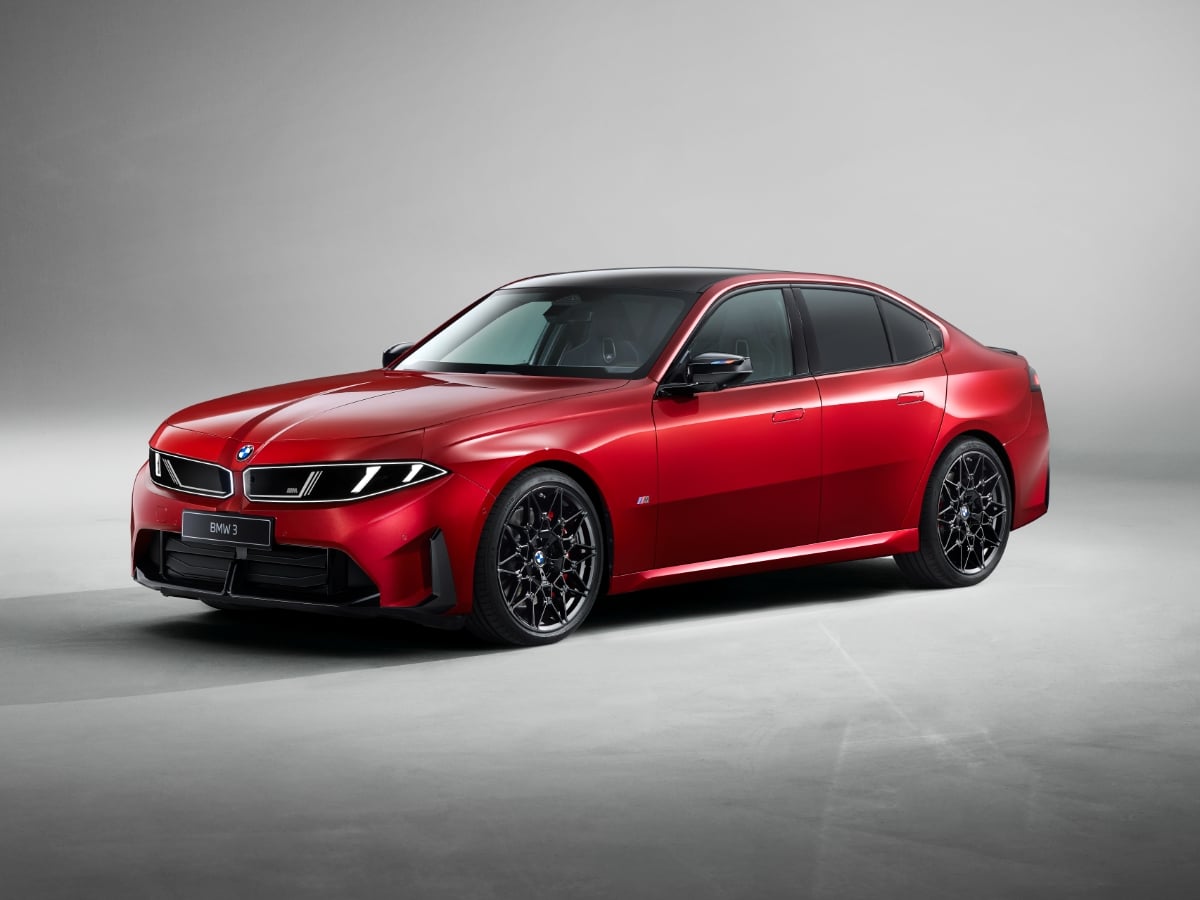
Part of BMW’s Neue Klasse (new class) rollout of redesigned models, the 2027 BMW 3 Series is all-new and goes on sale in the first quarter of 2027.
Read the Full Article