
Being knowledgeable and aware of the inner workings of your vehicle can be pretty helpful at times: for instance, if your vehicle brakes start squeaking or your engine will overheat too often. Doing things DIY-style in these cases could save you some cash.
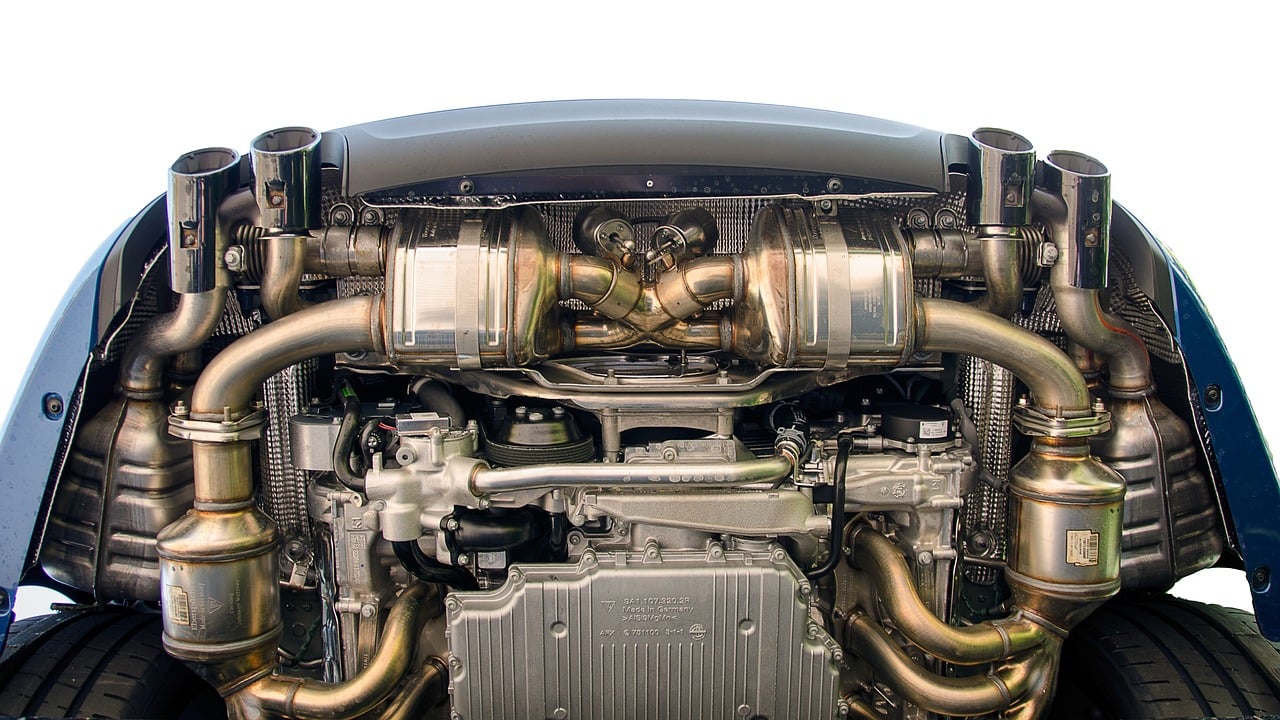
As the engine is the heart of your vehicle, you should be aware that it follows a strict cycle with no deviations. The last element of this cycle is the exhaust system that allows the engine to get rid of the leftovers and carry on working as usual.
There are two types of exhaust systems: dual and single. Depending on your car, you can have either of those and may wonder where the difference lies.
An internal-combustion engine is a heat engine that converts energy from the heat of burning gasoline. When all is over, the burning gasoline turns into mechanical work, or torque, which applies to the wheels and creates vehicle movement.
Engines have pistons that move up and down inside metal tubes (cylinders). They, in turn, connect with the crankshaft that spins with their help. Depending on the vehicle, there may be between two or twelve cylinders with the corresponding number of pistons.
Modern engines undergo a specific cycle: combustion, intake, compression, and exhaust. Combustion pushes the pistons down from the top of the cylinder. As engines need air to burn fuel, during intake, valves open up and allow ambient air to come in. When the piston reaches the bottom, the valves close for compression and are then sent upward to absorb the intake charge. After that, what remains goes out of the automobile through the exhaust system.
Dual And Single Exhaust Systems
The exhaust then goes out of the car through a separate exit route, which ends up in your muffler. However, if you were to add one more route and another muffler, you would get a double exhaust system.
If your engine has multiple cylinder banks (six or more) and you have a single exhaust, a “Y” pipe connects both cylinder manifolds to the same exhaust pipe. From there, the exhaust goes through one oxygen sensor, a catalytic converter, and a muffler. In dual exhaust systems, two separate pipes pass the exhaust between two sensors: catalytic converter and muffler arrays. The main difference is that with a dual system, the engine expels gas much faster.
Dual exhaust works best only in certain vehicles, preferably high-performance ones. It produces an unmistakable deep, throaty, or higher-pitched sound beloved by car enthusiasts and improves performance and fuel efficiency due to the low energy burden on the engine.
On the other hand, the single exhaust is meant for regular, non-high-performance vehicles. Such systems are cheap to service and come pre-installed in most autos. If your ride has one, and you decide to do the switch, know there will be no performance increase due to your engine.
If you will, however, proceed with the switch, noise shouldn’t be a significant concern. Dual exhaust systems never produce more noise than single ones. But they do change the sound quality of your vehicle in various ways:
While it is true that a car can benefit from a dual exhaust, it’s by no means a one-for-all solution. It does help the engine work better if you have a high-performance vehicle but does nearly nothing for regular four-cylinder engines.
If you think you should switch from single to dual, consult a mechanic or read about your car model online. Enquire just what kind of engine you have, and if everything checks out, proceed to make the necessary purchases.


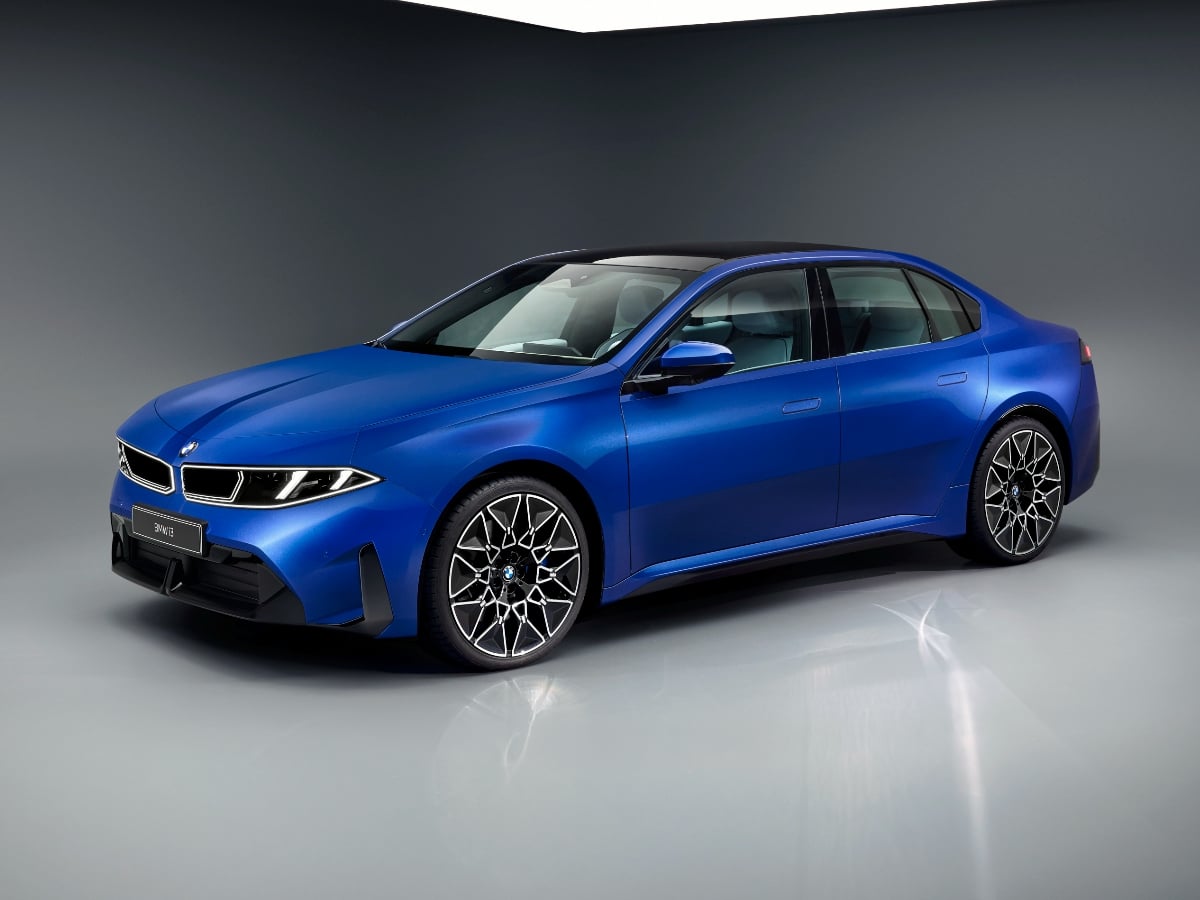
The new 2027 BMW i3 boasts an estimated range of up to 440 miles, 400-kilowatt DC fast charging capability, bidirectional charging to a home or the grid, and next-generation technology.
Read the Full Article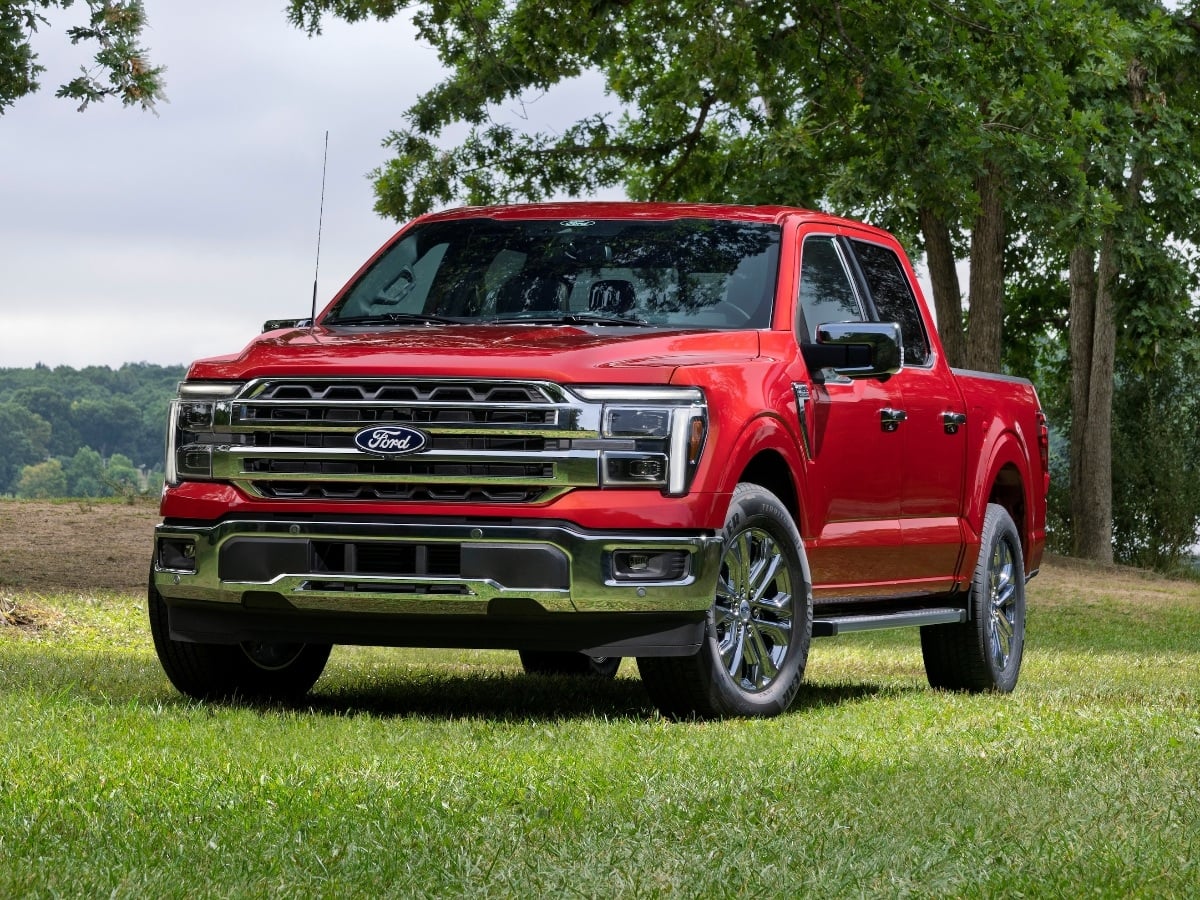
Facing renewed competition in the full-size, light duty pickup truck segment, the 2027 Ford F-150 receives subtle styling updates, a new standard engine, broader availability of its 5.0-liter V8, and ...See More
Read the Full Article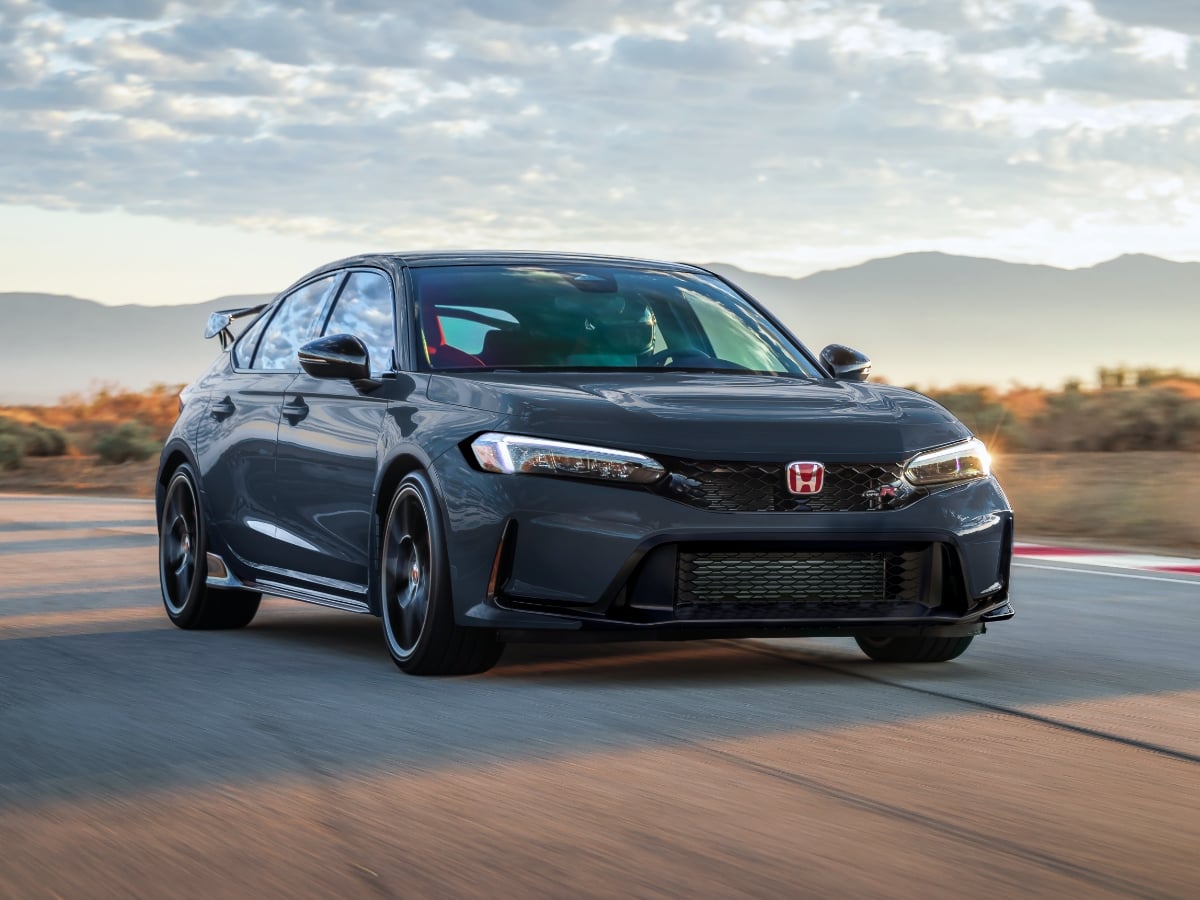
The 2027 Civic Type R goes on sale in October 2026, and it starts at $49,990, including the $1,295 destination charge.
Read the Full Article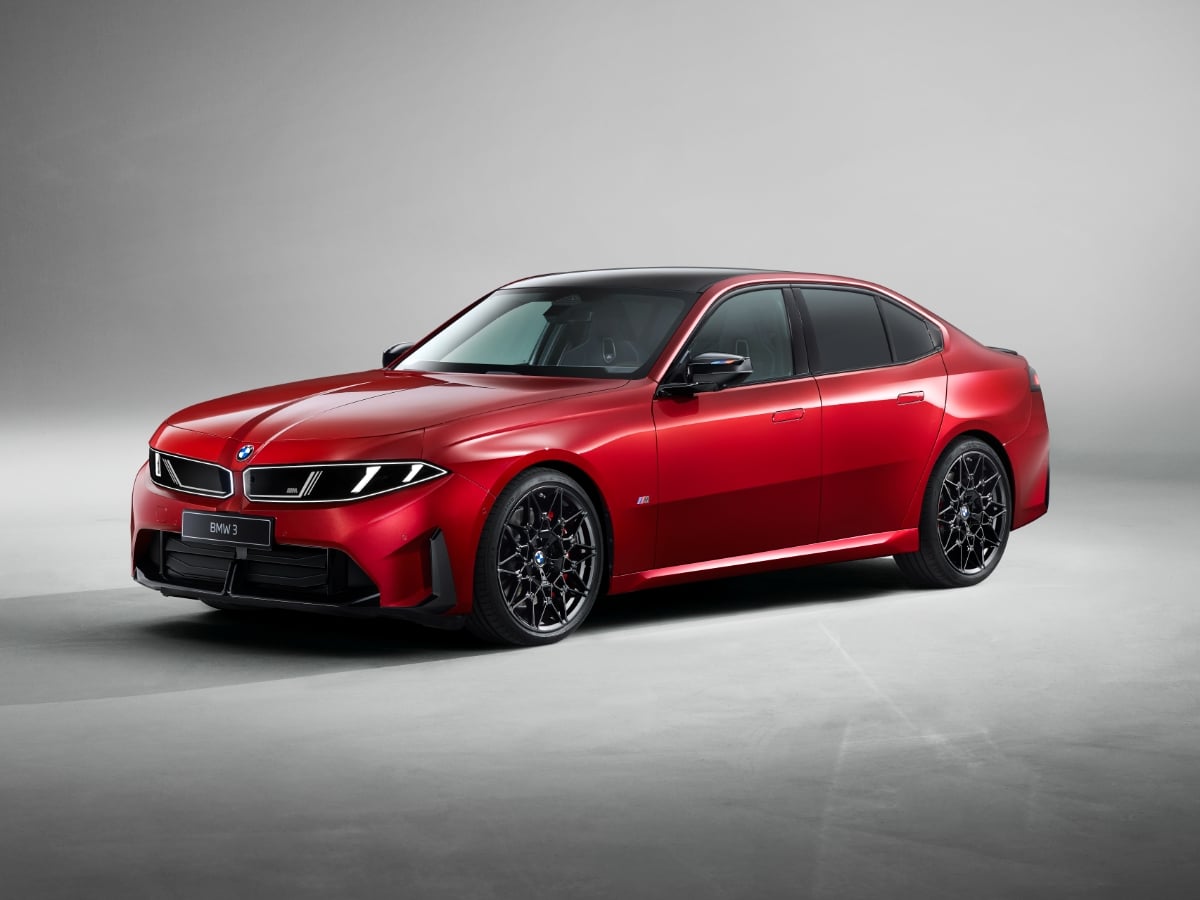
Part of BMW’s Neue Klasse (new class) rollout of redesigned models, the 2027 BMW 3 Series is all-new and goes on sale in the first quarter of 2027.
Read the Full Article