
Knowing your vehicle is crucial for DIY-style maintenance and repairs. Should you, for instance, encounter any kind of problem with your brakes, you should be able to identify the issue, pinpoint the faulty component, and only then proceed to do the deed.

This is especially true when you consider engines. Here, knowledge of the inner workings can save you from a lot of trouble or, if you do not like doing the repairs, point a mechanic in the right direction.
This article will discuss one of the more crucial engine parts: camshafts or cams. We will discuss what they are, how they work, and how many there are in different types of engines.
Before starting with the camshafts, let’s go back to the basics and remember how good old combustion engines work.
An internal-combustion engine is a heat engine that converts energy from the heat of burning gasoline. When all is over, the burning gasoline turns into mechanical work, or torque, which applies to the wheels and creates vehicle movement.
Engines have pistons that move up in down inside metal tubes (cylinders). They, in turn, connect with the crankshaft that spins with their help. There may be between two or twelve cylinders with the corresponding number of pistons depending on the vehicle.
All modern engines go through a specific cycle: combustion, intake, compression, and exhaust. Combustion pushes the pistons down from the top of the cylinder. As engines need air to burn fuel, during intake, valves open up and allow ambient air to come in. When the piston reaches the bottom, the valves close for compression, and it is then sent upward to absorb the intake charge. After that, what remains goes out of the car through the exhaust system.
However, cams play a particular role in that process and closely correlate with the intake and compression stages.
Cam is short for camshaft, the engine part that opens and closes the valves to let the air-fuel mixture in and out of combustion chambers. Every engine manufactured today has, if not one, then at least two or more installed.
The camshaft’s primary function is to close and open the valves. For this purpose, the shaft has egg-shaped lobes or cams. As the camshaft rotates, the lobes contact other parts that activate the vales and move the air-fuel mixture in and out of combustion chambers. It happens in unison or in a well-designed sequence that repeats itself hundreds of times each minute.
Experts classify various engines into types. The sequence and the number of camshafts for each of these may differ.
In overheated-camshaft engines, cams are mounted in the cylinder head above the valves. In some of them, a singles camshaft interacts with the intake and exhaust valves, allowing the air-fuel mixture to go in and out.
However, most modern variants have two camshafts. One operates the intake valves, and the other the exhaust valves. But if we are talking about V-type engines (V-6 or V-8), then each cylinder bank has a camshaft, which brings it to four in total. Many have two intake valves per cylinder or two intake and exhaust valves per cylinder.
In OHCs, cams interact directly with the valves or special arms that push them open. Springs allow them to close after the cam passes by.
In contrast to OHCs, overhead-valve engines have only a single camshaft mounted on the engine block. As the camshaft rotates, the lobes contact pushrods which, in turn, push the rods upward to activate rocker arms in the cylinder head. Just as with OHCs, springs are installed to close the valves. The rocker arms have the opposing role and close them.
Camshafts in the engine and cylinder blocks work with the help of a belt or chain connected to the crankshaft. They are called timing belts or chains because the opening of the valves directly correlates with the up and down crankshaft piston movement.
In general, OHVs are less common nowadays. You can usually find them in pickup trucks or large SUVs with V-type engines.
Camshafts are a critical engine component. We hope that you now have a better understanding of what camshafts are and the role they play!


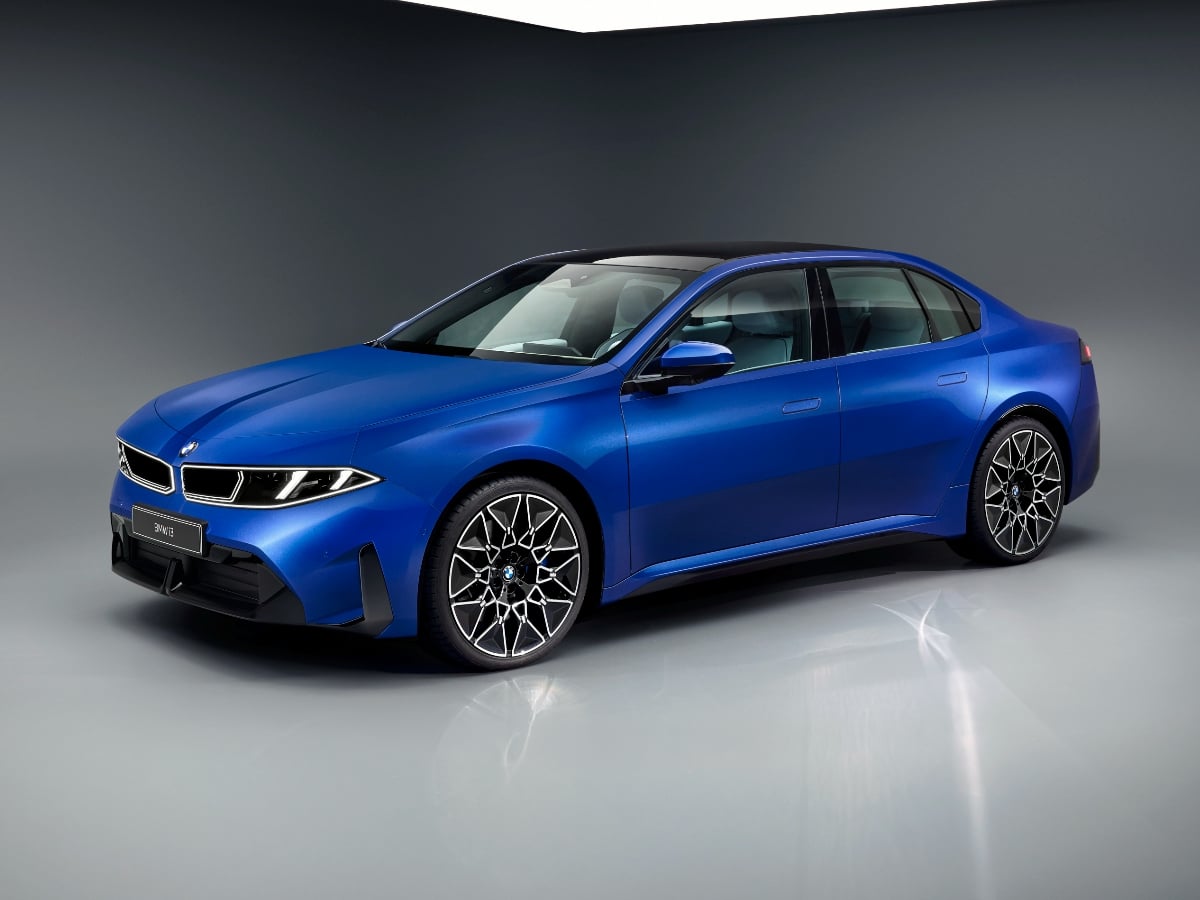
The new 2027 BMW i3 boasts an estimated range of up to 440 miles, 400-kilowatt DC fast charging capability, bidirectional charging to a home or the grid, and next-generation technology.
Read the Full Article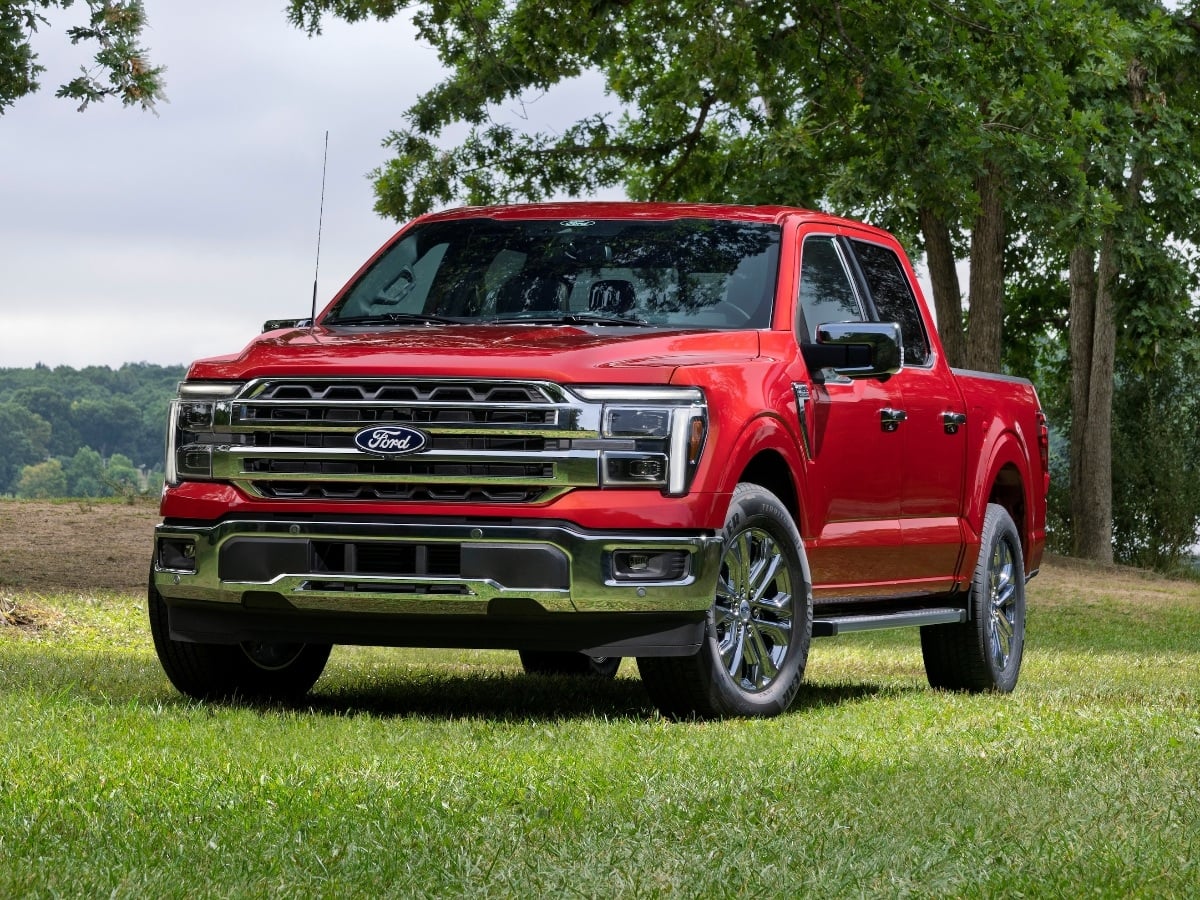
Facing renewed competition in the full-size, light duty pickup truck segment, the 2027 Ford F-150 receives subtle styling updates, a new standard engine, broader availability of its 5.0-liter V8, and ...See More
Read the Full Article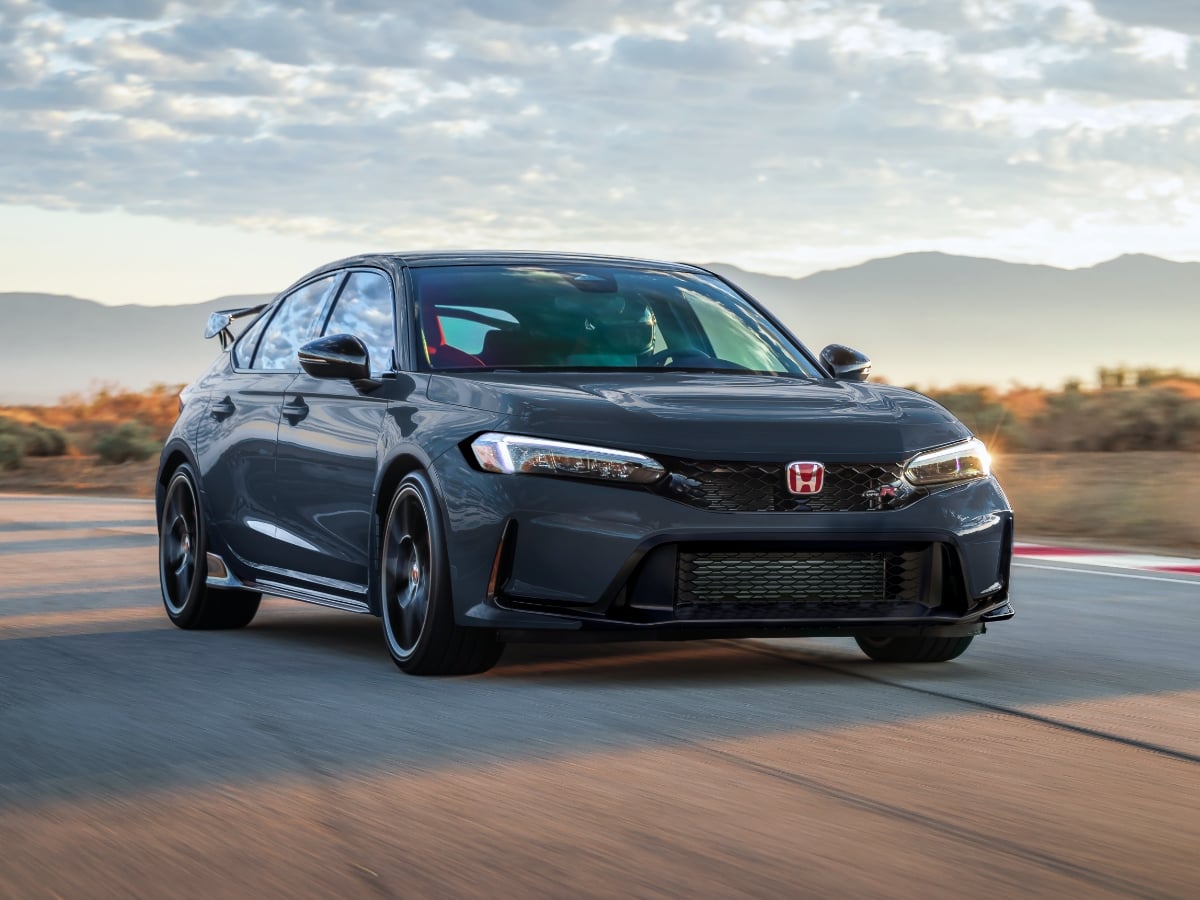
The 2027 Civic Type R goes on sale in October 2026, and it starts at $49,990, including the $1,295 destination charge.
Read the Full Article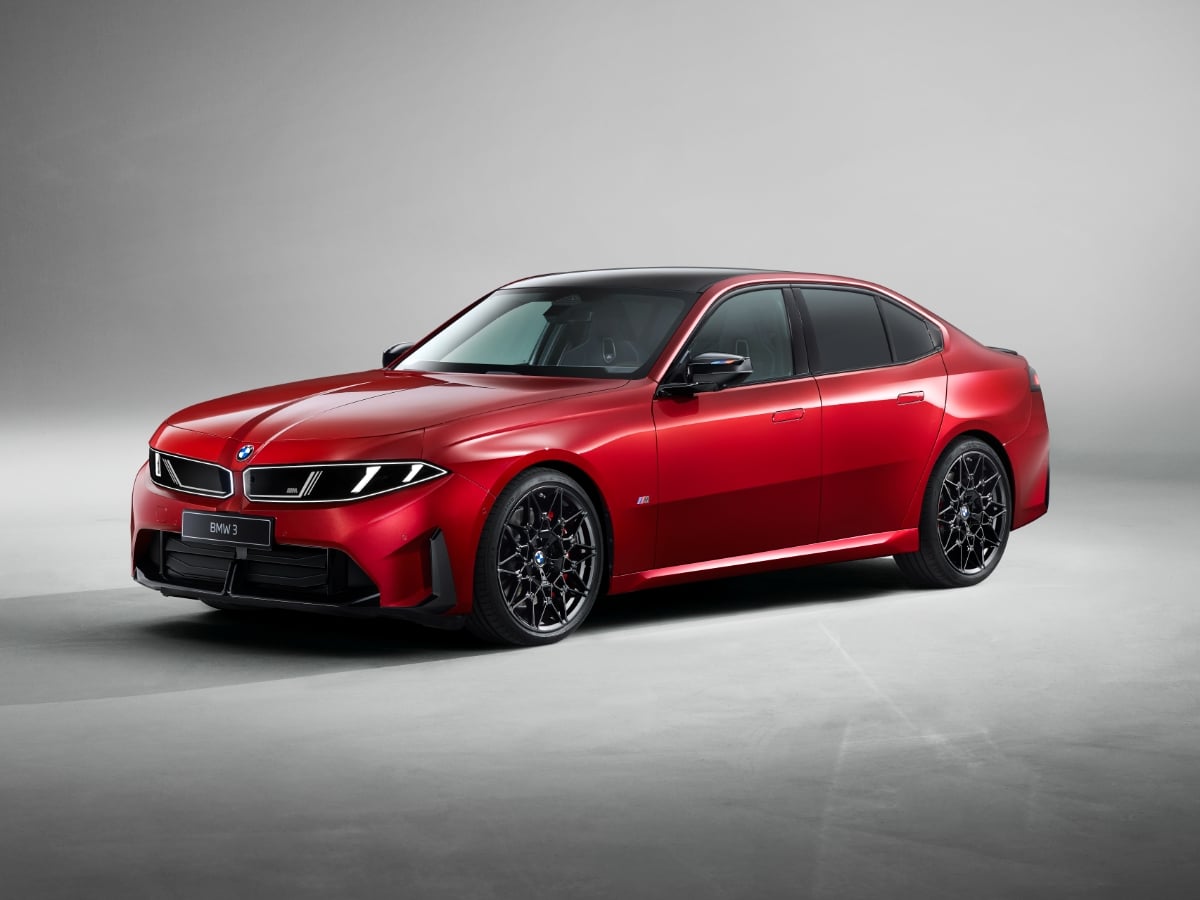
Part of BMW’s Neue Klasse (new class) rollout of redesigned models, the 2027 BMW 3 Series is all-new and goes on sale in the first quarter of 2027.
Read the Full Article