
When it comes to internal combustion engines (ICE), the vast majority of the cars sold are motivated by “inline” and “V-type” engines. These terms designate the configuration of the cylinders arranged along the crankshaft.
Inline engines typically have three, four, or six cylinders lined up in a vertical row. V-type engines angle the cylinders in a shape similar to the letter V, alternating cylinders on either side of the crankshaft. They typically have six, eight, ten, or twelve cylinders.

Far less common are horizontally opposed engines, which usually arrange four or six cylinders horizontally in relation to the crankshaft. This is why they are often called flat-4 or flat-6 engines. Alternatively, because the pistons within these cylinders “jab” outward from the crankshaft, they are known as boxer engines.
Currently, the boxer engine is a defining trait of the Subaru brand. From the BRZ sports car to the Ascent family-sized SUV, every vehicle in its lineup has a flat-4 with or without turbocharging. Until a few years ago, some Subarus also had a flat-6 engine.
Additionally, the Toyota GR 86 sports car has a boxer engine, which makes sense because it’s a reskinned version of the Subaru BRZ.
Porsche is well known for using boxer engines and today equips its sports cars with them. Buy a 718 Boxster, 718 Cayman, or 911, and it will have a flat-4 or flat-6 nestled into its engine bay.

Inline and V-type engines are tall and narrow, while a boxer engine is squat and rectangular. Because of its low, flat shape, a boxer engine sits lower in the vehicle, resulting in a lower center of gravity. In turn, this gives cars with boxer engines an inherent edge in lateral stability and decreased roll when hustling around corners, resulting in greater balance and predictable handling characteristics.
Furthermore, the horizontal, or flat, configuration of the pistons means that, unlike the up and down motion within an inline engine or the 45-degree piston action of a V-type engine, the lateral movements of the opposing pistons cancel each other out. This action self-balances the engine and, according to Subaru, makes for smoother acceleration with less vibration.
Safety is another factor, according to Subaru. The automaker takes pains to explain that the lower position of the boxer engine means that intrusion into the passenger cabin takes place near the footwell and not in the main compartment, where more severe injuries can occur.
Boxer engines are more complicated than inline and V-type engines, with more components adding up to higher costs for the manufacturers. This cost is a significant reason why they power relatively few vehicles in America.
Their relative rarity can also make it harder to find mechanics familiar with a boxer engine, limiting service options for the vehicle. The layout of the engine also makes it more difficult for a mechanic to access some of the componentry; specific components that a handy driver might otherwise be able to replace themselves at home, such as spark plugs, need more professional (and expensive) attention.
Many people think that the internal combustion engine (ICE) era is nearing its twilight and that alternative propulsion systems, in particular battery-electric drive units, will become the dominant choice in personal transportation by 2040. However, for now, the ICE still reigns, and it accounts for 91 percent of vehicles sold today in America.
From an enthusiast perspective, it’s always refreshing to see unusual, niche power plants serving as alternative mechanical solutions. For instance, Mazda has announced it will return a rotary engine to its lineup to serve as a supplemental range-extender for its new MX-30 model. Honda, Hyundai, and Toyota sell fuel-cell electric vehicles that convert hydrogen into electricity to power vehicles like the Nexo and Mirai. And, of course, there is also the boxer engine.
While Subaru and Porsche have announced plans for future electrification of their lineups, including the new Subaru Solterra and Porsche Taycan, currently, both automakers remain committed to the boxer engine for as long as ICEs are viable.


A new electric sedan wearing three-pointed stars is coming soon, arriving as the 2027 Mercedes-Benz C-Class Electric with a C 400 4Matic Electric designation.
Read the Full Article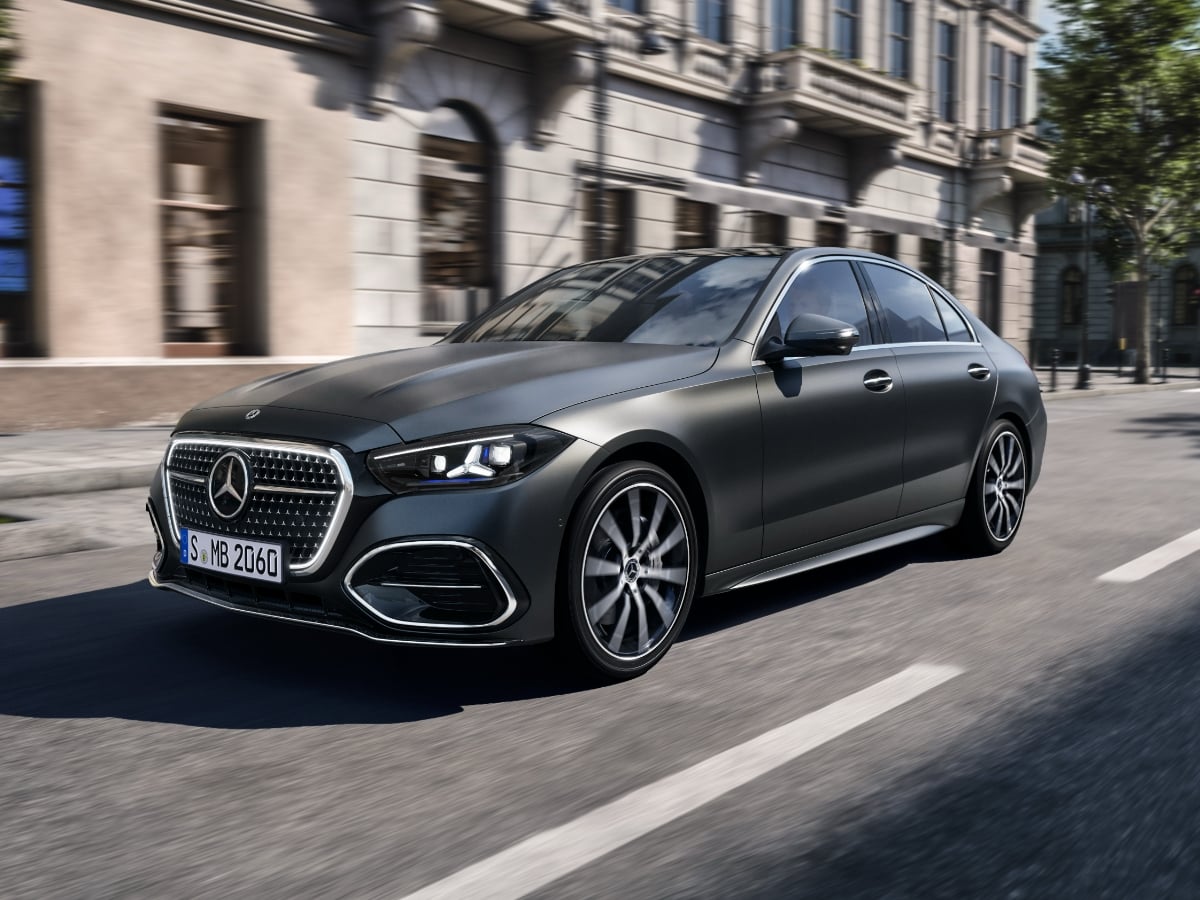
Luxury vehicle buyers prefer SUVs, but a contingent of people still prefer lighter, more efficient, nimbler sedans. The 2027 Mercedes-Benz C-Class serves them with a compact size and a nicer price ...See More
Read the Full Article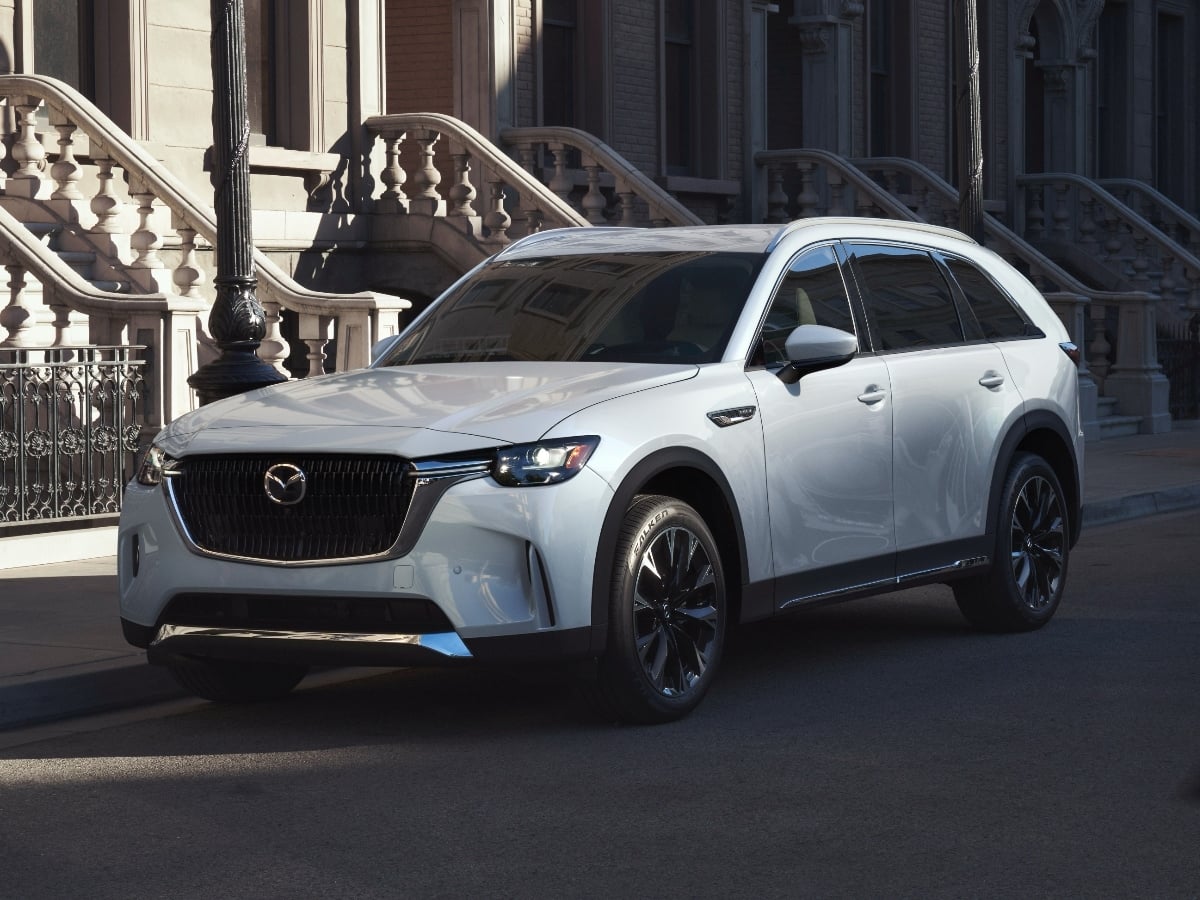
Mazda is discontinuing the five-passenger midsize CX-70 crossover SUV for the 2027 model year. But do not worry. The automaker is moving that configuration to the CX-90 lineup, where it will be ...See More
Read the Full Article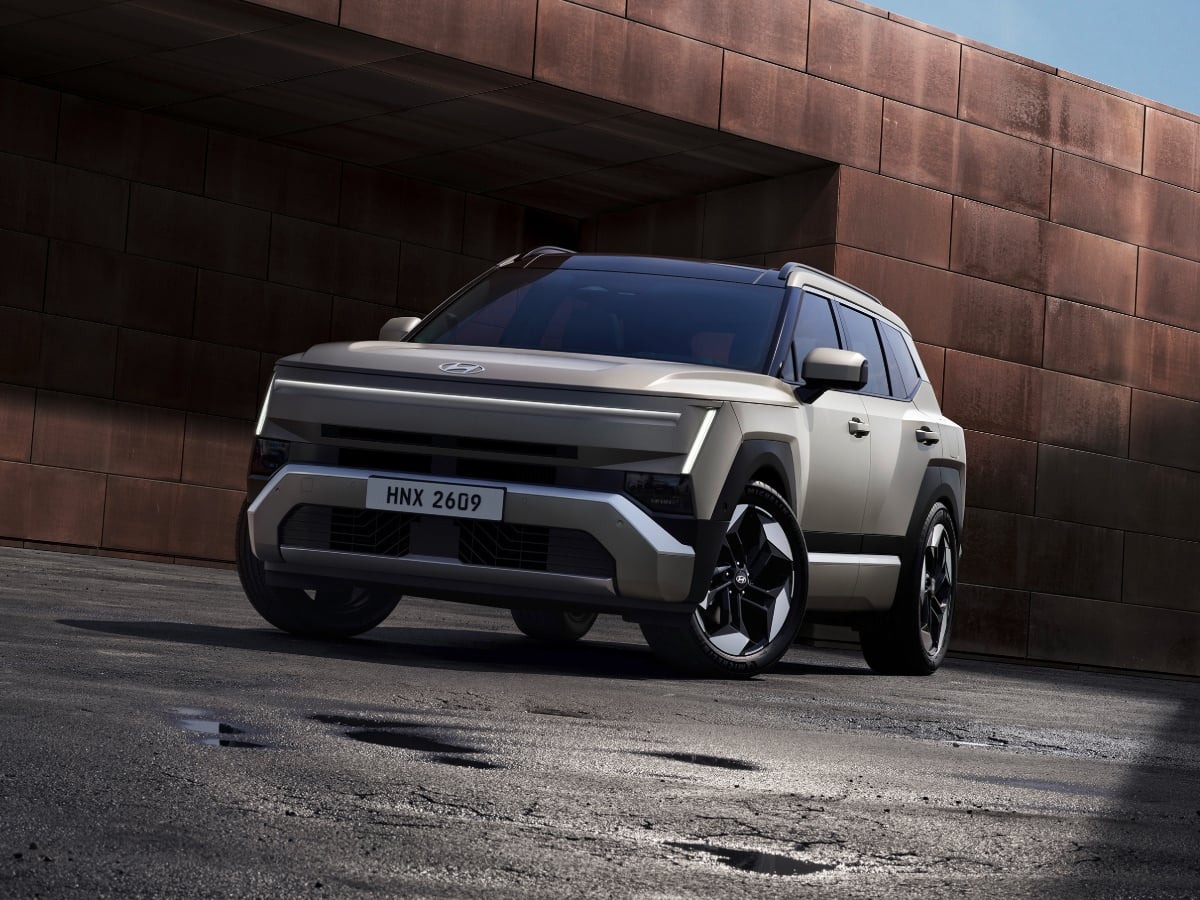
With a purposeful new design and some trail-ready upgrades, the 2027 Hyundai Tucson is pushing the brand's best-selling crossover SUV into more aggressive territory.
Read the Full Article