
Car documentation is as important as any kind of maintenance. It can contain vital information about the vehicle and, in some cases, even warn the buyer against going through with the purchase.

That is why having or getting a car title is twice as important. It helps with maintaining ownership of the vehicle and keeping thieves at bay. But, above all, it signifies if the auto was salvaged or not through color.
Generally speaking, a blue title always refers to vehicles that have a salvage title. The term stems from the color of the paper the title was printed on. So, if you want an automobile in good condition, it should always have a green one.
However, in some states, a blue car title indicates that the vehicle is in good condition. It verifies that the ride has a clear title and has never been declared a total loss by an insurance company or been in major accidents. For instance, a blue title in Texas signifies a clear and unencumbered by liens vehicle. Elsewhere, pink or purple can be used to verify a salvage auto.
Vehicles that have been damaged or burned to such an extent they are worth as scrap or sold for parts get an orange title.
As the color code can get confusing, you should visit your local DMV website. You will find all relevant information there and quickly determine what kind of vehicle you’re dealing with.
If the color indicates that the vehicle has a salvage title, you can immediately assume the following:
Such a title doesn’t necessarily spell catastrophe for the owner or render the vehicle irreparable. The insurance company just deems the cost for fixing it up too high. However, you can't insure or legally drive it unless you go through the following process:
After all that, the DMV should approve everything, and your vehicle will get a “rebuilt” title. You can now insure and drive the car, but there are a few things to keep in mind.
Dealing with salvage or rebuilt vehicles can become somewhat problematic. The first possible issue is financing. When purchasing, you will almost always need to pay some money upfront, while lenders will be generally iffy because the actual value of such a ride is debatable.
Another problem arises when dealing with insurance companies. They can raise rates on automobiles that are not that roadworthy or safe in case of crashes. They may also reduce claim amounts if the car was in an accident, saying that the vehicle incurred more damage than usual because of its prior damage.
Lastly, your resale value will undoubtedly take a dip. Consumers are generally wary and careful around vehicles with rebuilt and salvage titles. They will feel that the car is unreliable or misunderstand things entirely and consider it a lemon.
When purchasing a vehicle, it is vital to glance at the title. If it’s blue, you should check your local DMV website to determine if it’s a salvage car. If your suspicions are confirmed, it should make you think carefully about going through with such a purchase, but it doesn’t necessarily mean the automobile is irreparable.
Buying a salvage auto always entails a lot of expenses. The final costs for repairs will depend on the damage, but after you restore it, you can get a rebuilt title and insurance and drive the vehicle legally. However, it reduces the resale value and brings about problems with financing.


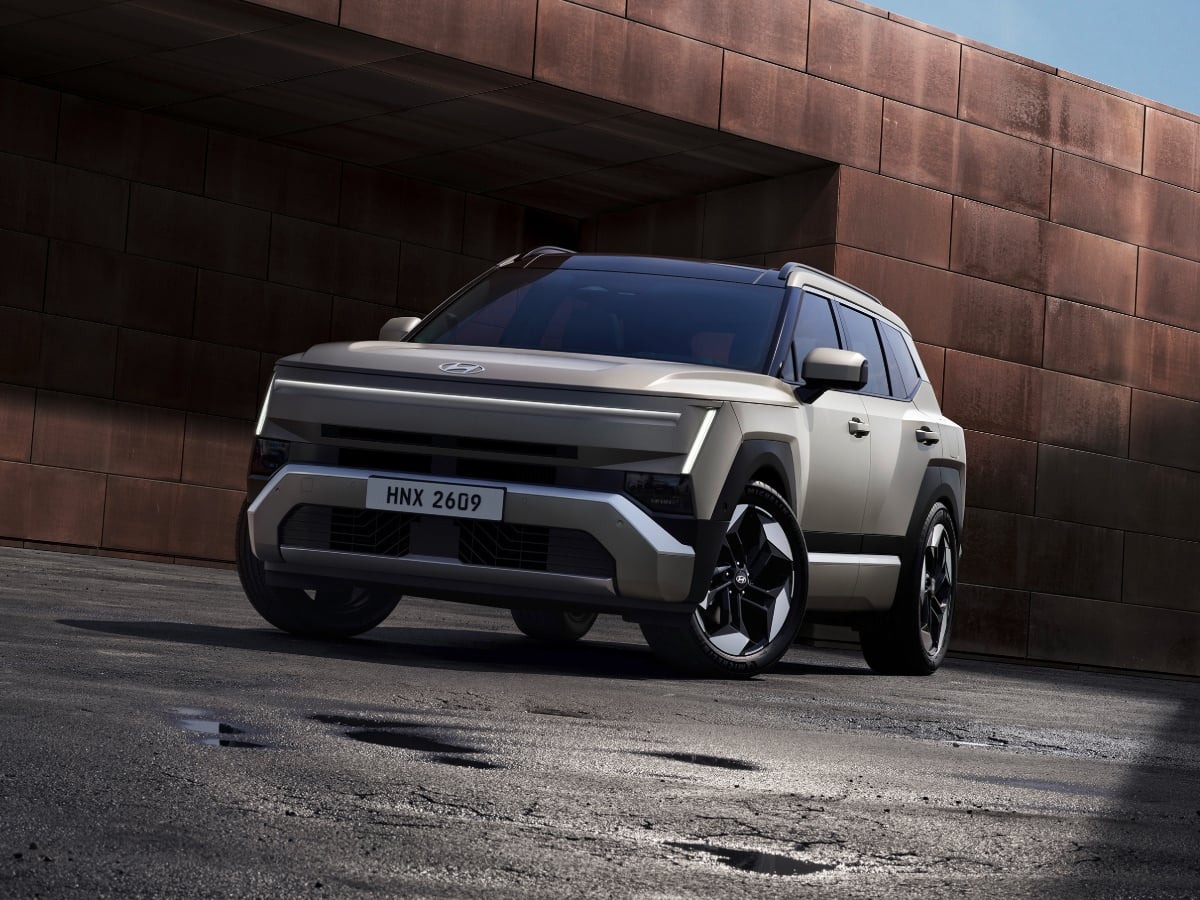
With a purposeful new design and some trail-ready upgrades, the 2027 Hyundai Tucson is pushing the brand's best-selling crossover SUV into more aggressive territory.
Read the Full Article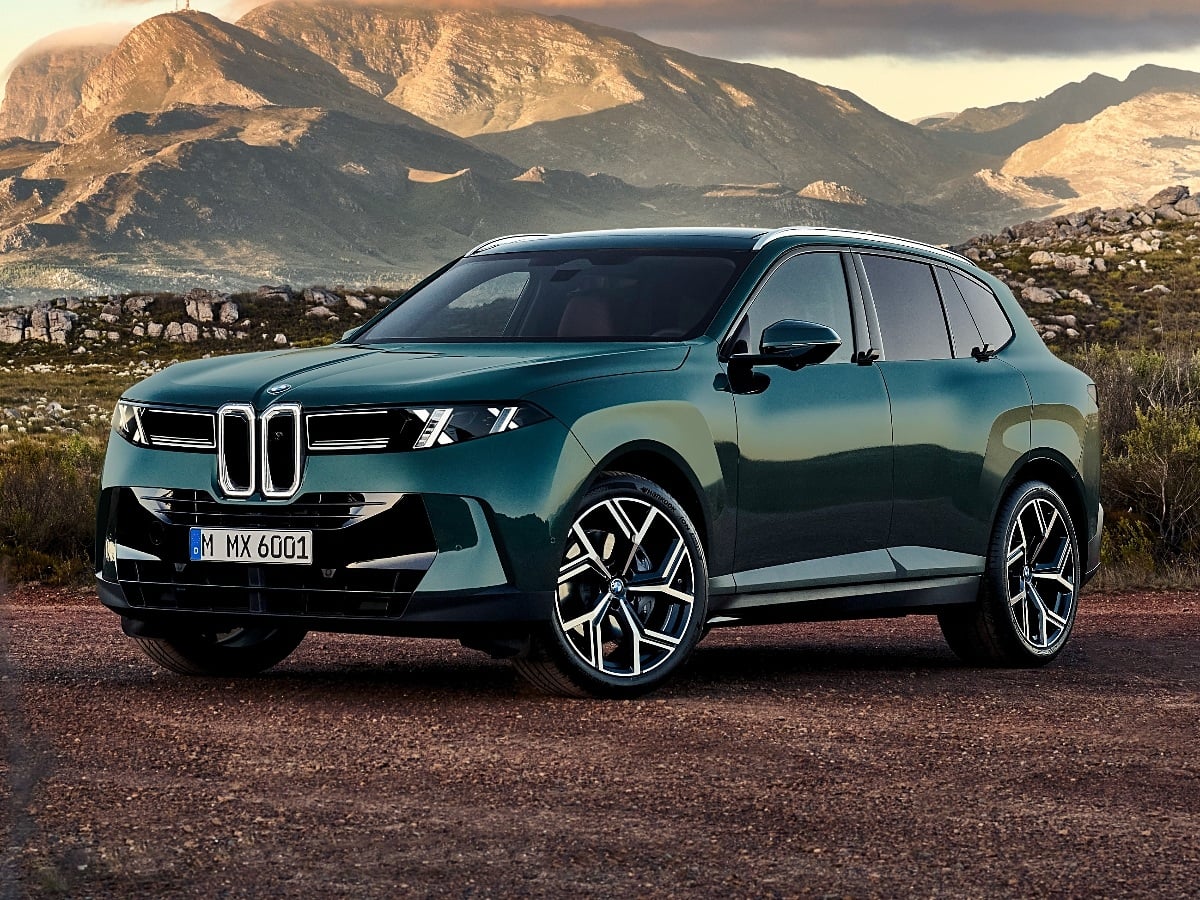
For more than 25 years, the BMW X5 has helped to define the luxury SUV segment. Now, the redesigned fifth-generation 2027 BMW X5 arrives with the automaker’s Neue Klasse styling, a roomier interior, ...See More
Read the Full Article
One of Lexus's most popular models, the NX crossover SUV is also one of the most affordable in the company’s lineup. The 2027 Lexus NX transitions to hybrid-only powertrains, and gets revised ...See More
Read the Full Article
The new 2027 BMW i3 boasts an estimated range of up to 440 miles, 400-kilowatt DC fast charging capability, bidirectional charging to a home or the grid, and next-generation technology.
Read the Full Article