
Your documentation is always crucial when it comes to cars. Expired or missing vehicle titles, driving licenses, or valid registration numbers can cause various problems and legal issues.

A particular government organization exists solely for this purpose. It is called the DMV (Department of Motor Vehicles) and handles many of the semantics involved with the legal registration of both citizens and motor vehicles. So what exactly is it that the DMV does?
This article aims to explain exactly that. We’ll start with the basics and explain the general field of DMV’s activities, delve into the organization's history, and discuss practical issues they can assist with.
The Department of Motor Vehicles, is an agency tasked with administering motor vehicle registration and driver licensing. These include vehicle registration, safety and emission inspections, issuing driver’s licenses and ID cards, driving records, title transfers, etc. In North America, DMVs are generally at the state or provincial level. However, in other regions like Europe, DMVs are organized nationally.
Different states have various names for this agency. For instance, in Maryland, it is called the Motor Vehicle Administration (MVA), while in Kentucky, it is referred to as the Office of Motor Vehicles (OMV). Their responsibilities may differ, but only in terms of minor things.
One of the primary reasons to visit the DMV is driver’s license renewal. Even though the organization handles other matters, everything began with this simple procedure.
Early in the 20th century, when cars were first sold to the general public, there were no requirements to acquire a license in many parts of the country. It was enough to say that you read the traffic laws and know how to operate the vehicle without proof in some states.
As expected, this led to multiple tragedies when people who never bothered to learn to drive started cruising the streets. They did not know how to handle themselves with pedestrians, horses, carriages, or bicycles on the road.
Also, at the time, cars were quite expensive for most people, so only the wealthy could afford to purchase one.
Eventually, driving tests became a requirement to legally operate a motor vehicle. While this did not immediately solve the problem, it led to more and more people receiving legal permission to sit behind the wheel. However, the tests were conducted haphazardly in public spaces and adhered to no standards, requiring a specialized governmental body or agency.
This led to the government establishing “motor centers” and standards for the driving test. As you can guess, today, these centers are called DMVs.
Modern DMVs certainly play a significant role in a driver’s life. Want personalized license plates? Need to correct something in the car title? Glance at car records and vehicle history? Simply go to the DMV, and they will help you settle the matter. The circumstances that preceded your visit vary depending on your case, but we will try to provide a couple of practical examples.
A stolen title can lead to prolonged legal problems, as the culprit may fraudulently acquire the rights to your vehicle. A stolen or lost car title means that you have no proof of ownership and, thus, may be subject to fines and penalties in the event you are pulled over. Luckily, your local DMV can reissue the car title. You google their website or type in “[state] duplicate title form,” fill out the paperwork, and after some time, the document is mailed to you. When you receive the new title, the old one gets nullified.
As mentioned above, your local DMV also keeps your driving record. This report contains information including accidents, license suspensions, tickets, and more. Also, you'll need to insure your vehicle, and insurance companies will look at your driving record.


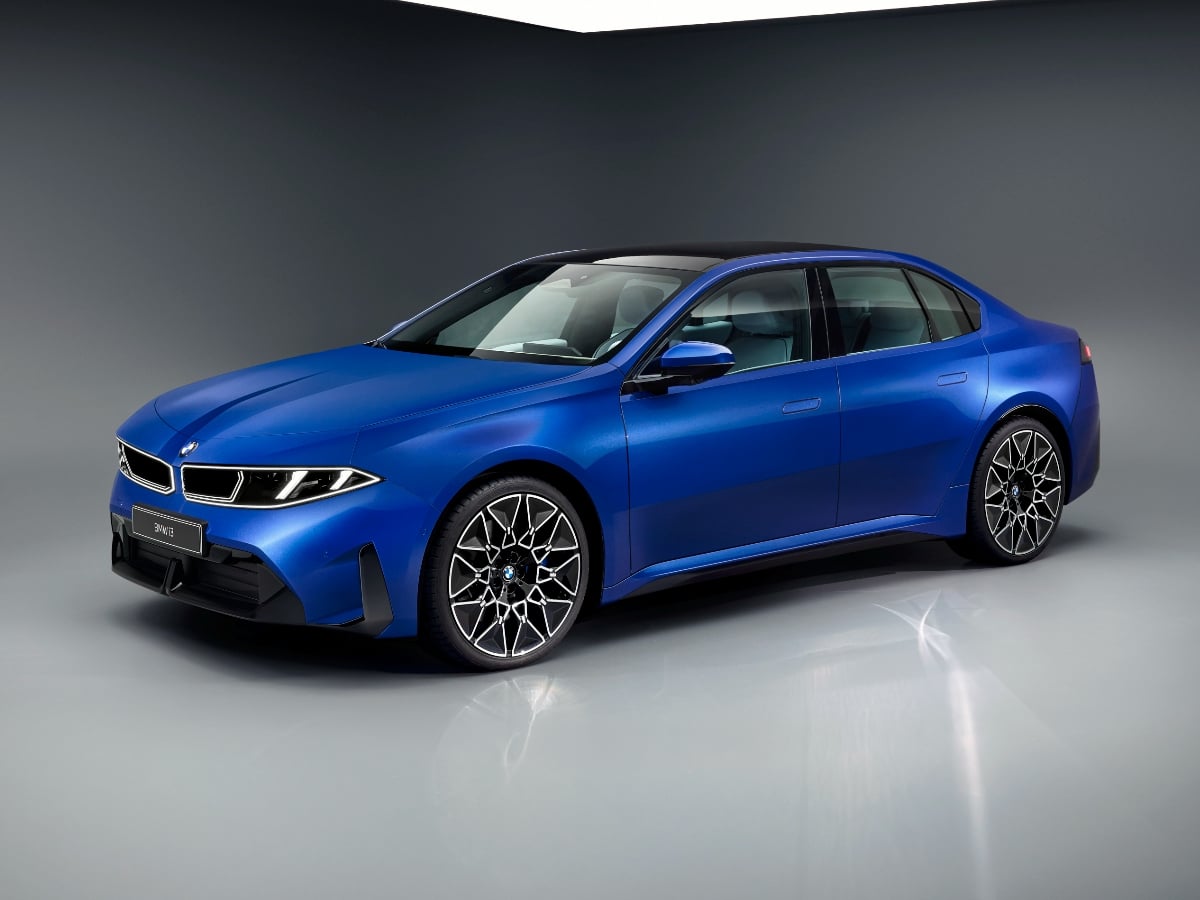
The new 2027 BMW i3 boasts an estimated range of up to 440 miles, 400-kilowatt DC fast charging capability, bidirectional charging to a home or the grid, and next-generation technology.
Read the Full Article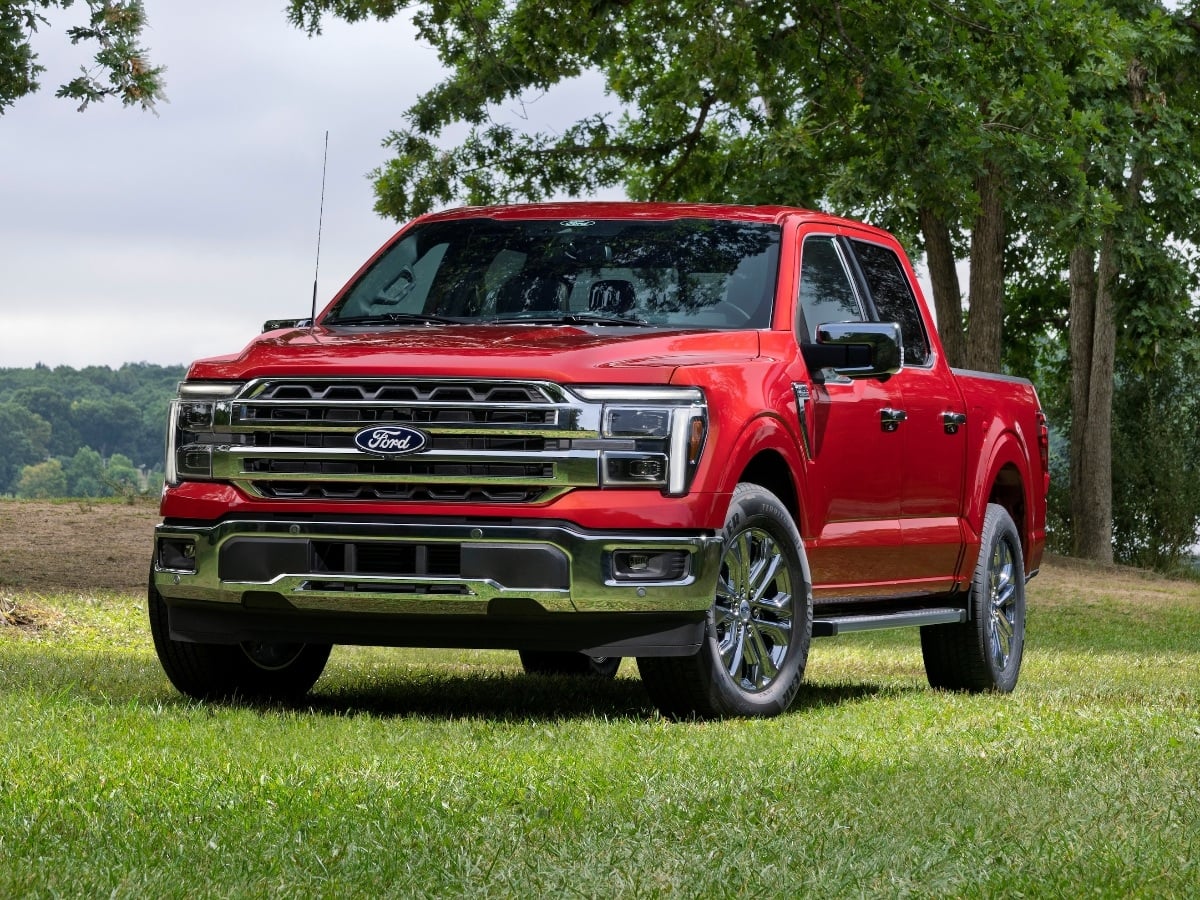
Facing renewed competition in the full-size, light duty pickup truck segment, the 2027 Ford F-150 receives subtle styling updates, a new standard engine, broader availability of its 5.0-liter V8, and ...See More
Read the Full Article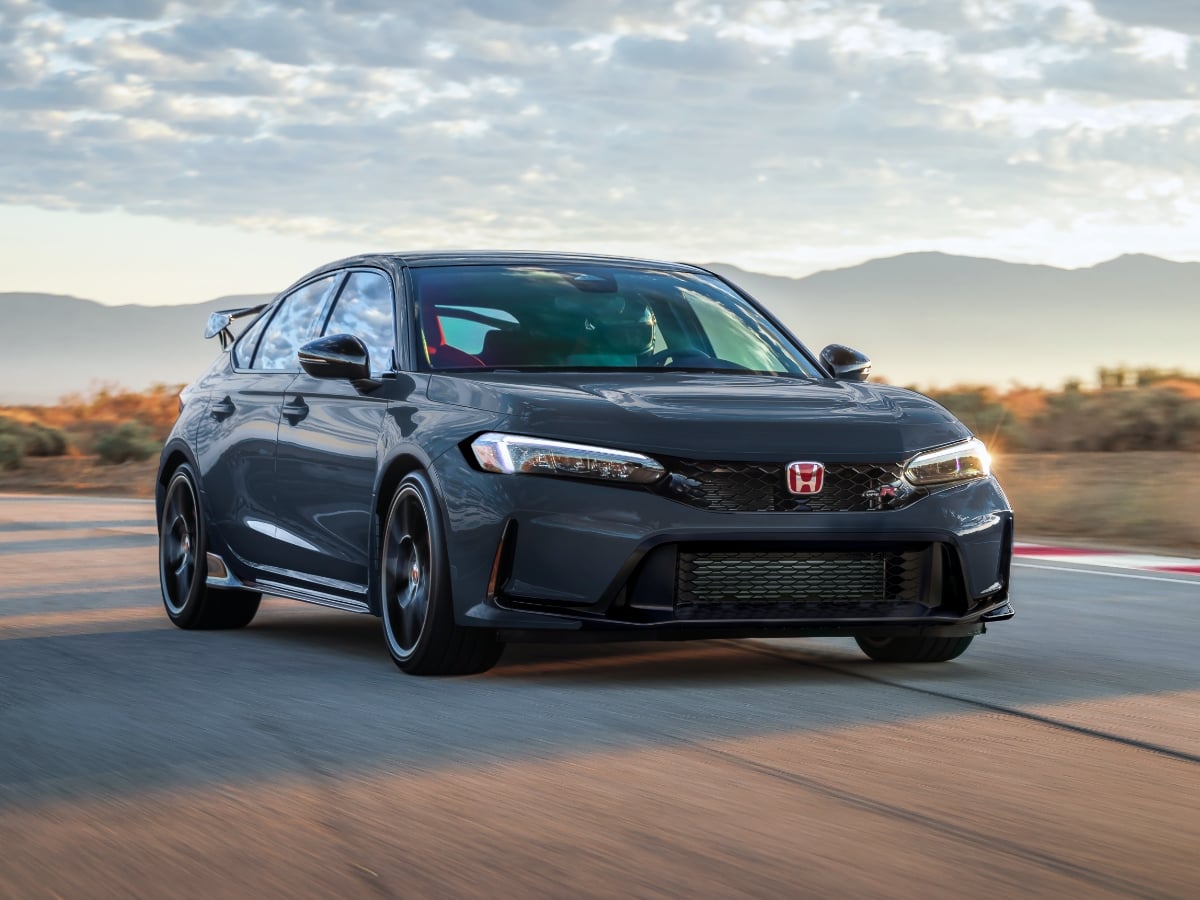
The 2027 Civic Type R goes on sale in October 2026, and it starts at $49,990, including the $1,295 destination charge.
Read the Full Article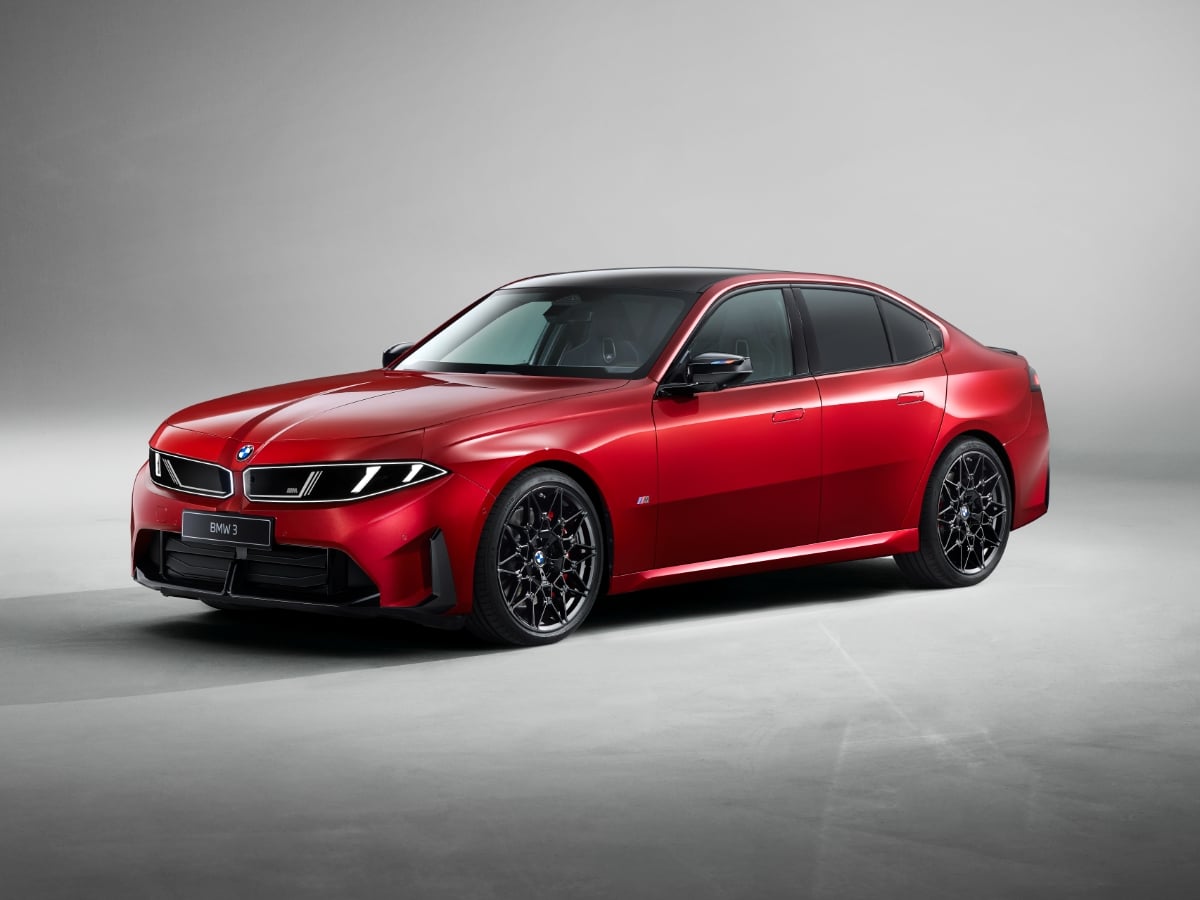
Part of BMW’s Neue Klasse (new class) rollout of redesigned models, the 2027 BMW 3 Series is all-new and goes on sale in the first quarter of 2027.
Read the Full Article