
A shoulder is an emergency stopping lane by the verge of a road or freeway located on the right in most US states, except for the Virgin Islands. Shoulders are not intended for use by through traffic, although there are exceptions.

Shoulders have multiple uses and, to give you an example, can be used for emergency purposes. If there’s been a severe road accident, ambulances can easily use shoulders to bypass traffic jams.
But to explore how a driver could use shoulders, we’ll have to elaborate and provide more details.
Part of the paved roadside adjacent to the edge lane is known as a shoulder, a hard shoulder, or a breakdown lane. Such lanes are designed to speed up public transport when roads are busy, reduce the number of accidents, etc. Generally, a shoulder is similar to a designated public transport lane that can’t be used by regular drivers (permanently or on certain days and during some hours).
A type of shoulder, a bus lane, was invented in the mid-twentieth century to provide priority passage to public transport. The idea behind it was to increase the number of people that drive on the road per hour. It certainly worked, and that’s why today, there are different types of shoulders that a driver can encounter.
The shoulder is not intended for the normal movement of motor vehicles. It has multiple uses, some of which are as follows:
The higher the speed limit on the highway, the better the roadsides. They are usually paved and sometimes even function as full-fledged traffic lanes.
In some countries, if the motorist does not have time to overtake and there is a risk of a head-on collision, they can use the side of the road and thus avoid a severe accident. In addition, when the driver loses control of the vehicle on wet and slippery asphalt, they can move on a wide gravel shoulder, which sometimes serves as a natural braking surface on highways.
When the traffic is too heavy, shoulders are turned into “hard shoulders.” In the United States, on Interstate 93 between Exit 35 and Exit 46 and SR 3 between Exit 27 and Exit 38 in the Boston metro area, cars are allowed to use the shoulder as they would a regular lane during morning and evening rush hours. The same is employed elsewhere, such as Interstate 580 in California on the Richmond-San Rafael Bridge, Interstate 66 in Virginia between the Capital Beltway and US-50, and Interstate 405 between SR 527 and I-5 in Bothell.
On curbed roadways, shoulders move the gutter away from the travel lanes, reducing the risk of hydroplaning, splashing, and spraying stormwater onto pedestrians using any adjacent sidewalk. Paved shoulders move water away from the roadway before it can infiltrate the road's subbase, increasing the road surface service life.
Shoulders act like extra space on the roadway, and their purpose changes depending on the road situation. Used as a regular lane or a pathway for an ambulance, they come in handy in various situations and, thus, have multiple purposes. However, you won’t come to drive on them often, as their use is restricted to emergency vehicles or public transport.


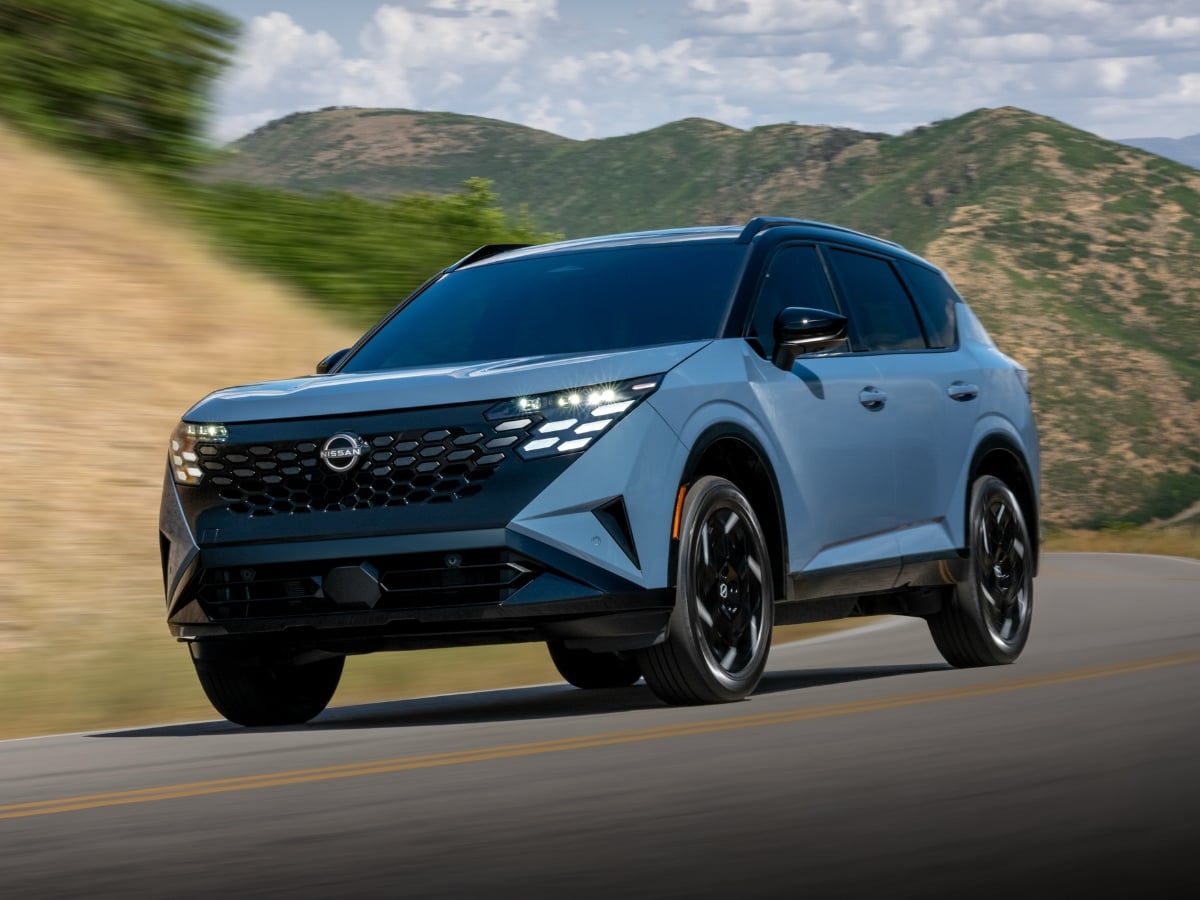
Nissan is about to introduce an innovative new SUV. The 2027 Nissan Rogue Hybrid has a gasoline engine, but it does not power the wheels. Instead, electric motors at each axle provide propulsion, ...See More
Read the Full Article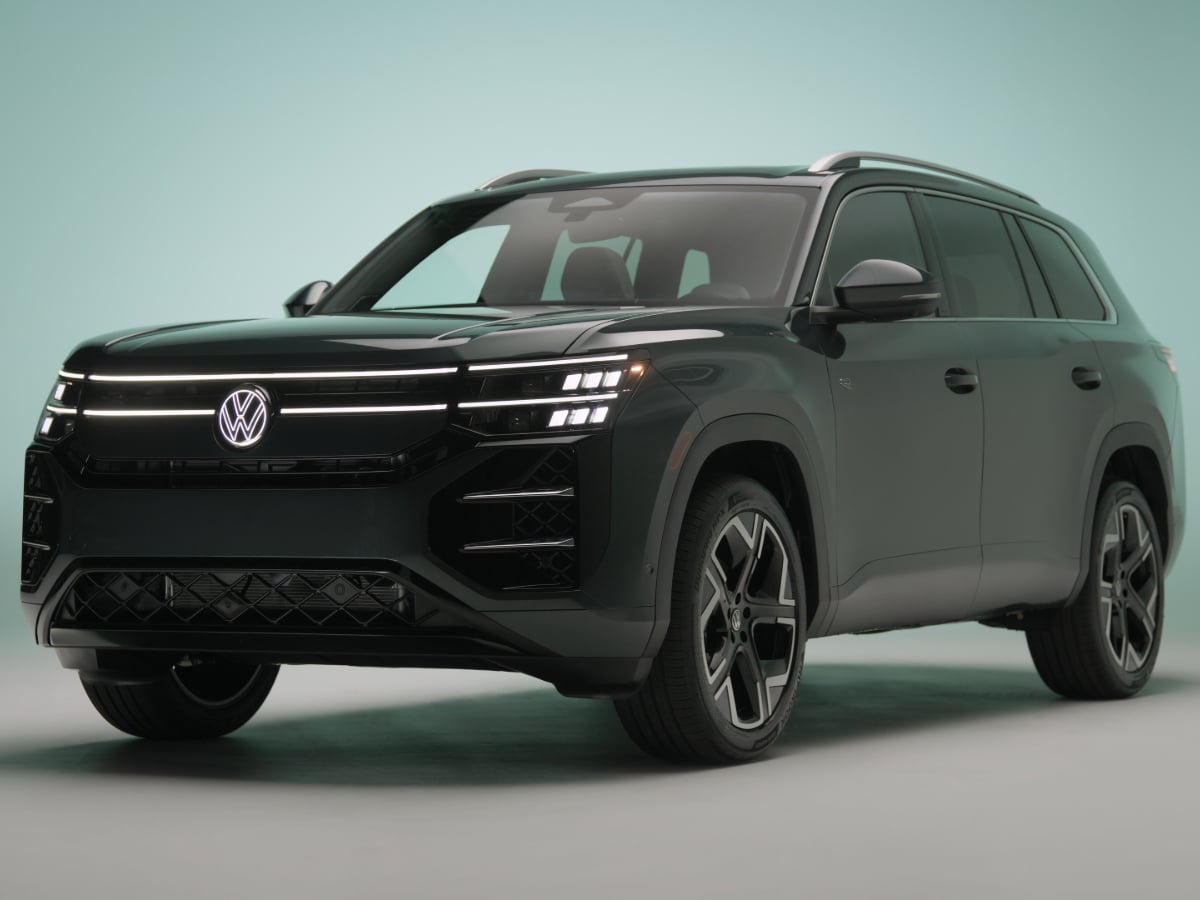
Adding European flair to the otherwise vanilla midsize three-row family SUV market, the redesigned 2027 Volkswagen Atlas debuts with a sharper exterior, an upgraded cabin, more power, and new ...See More
Read the Full Article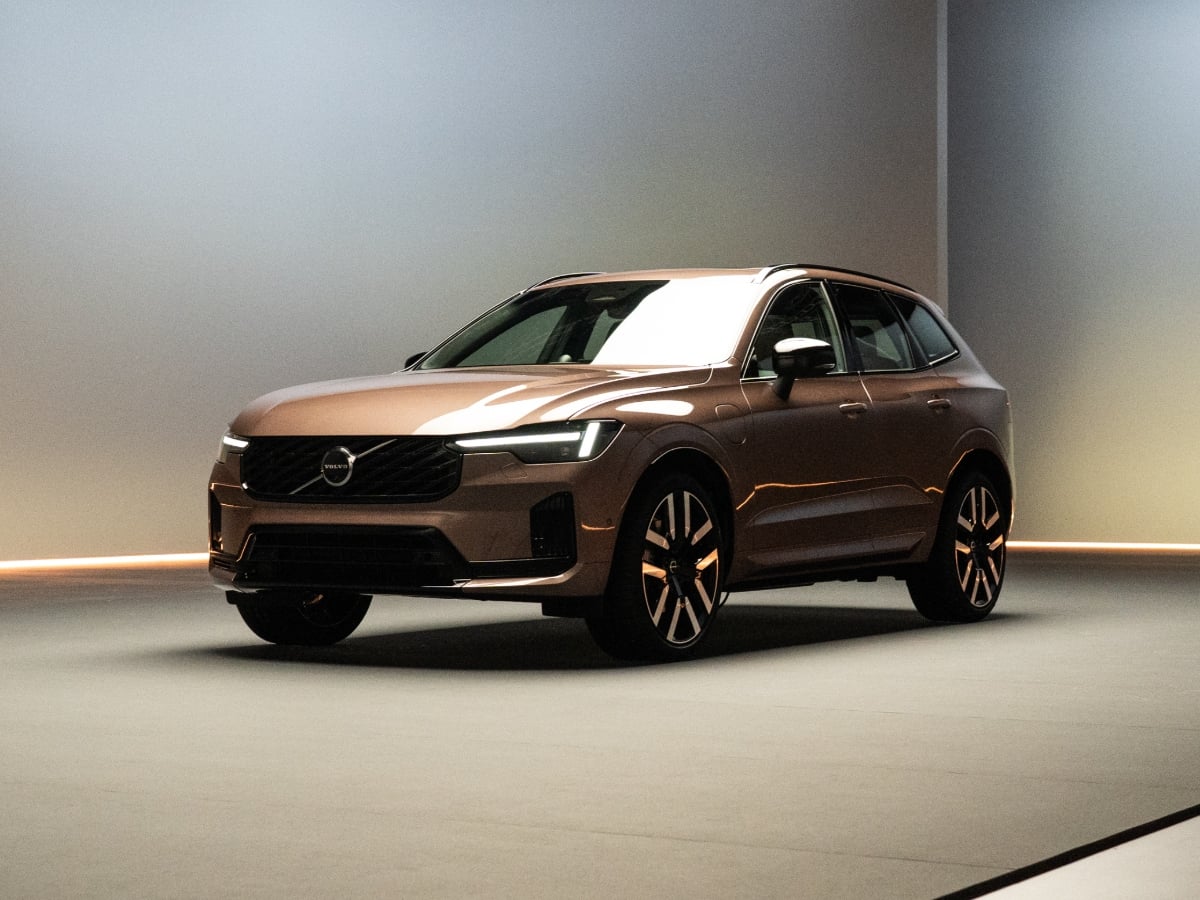
Though the styling stays largely the same, a massive boost in electric range for the plug-in hybrid (PHEV), plus a refined design, helps the 2028 Volvo XC60 stay current and desirable.
Read the Full Article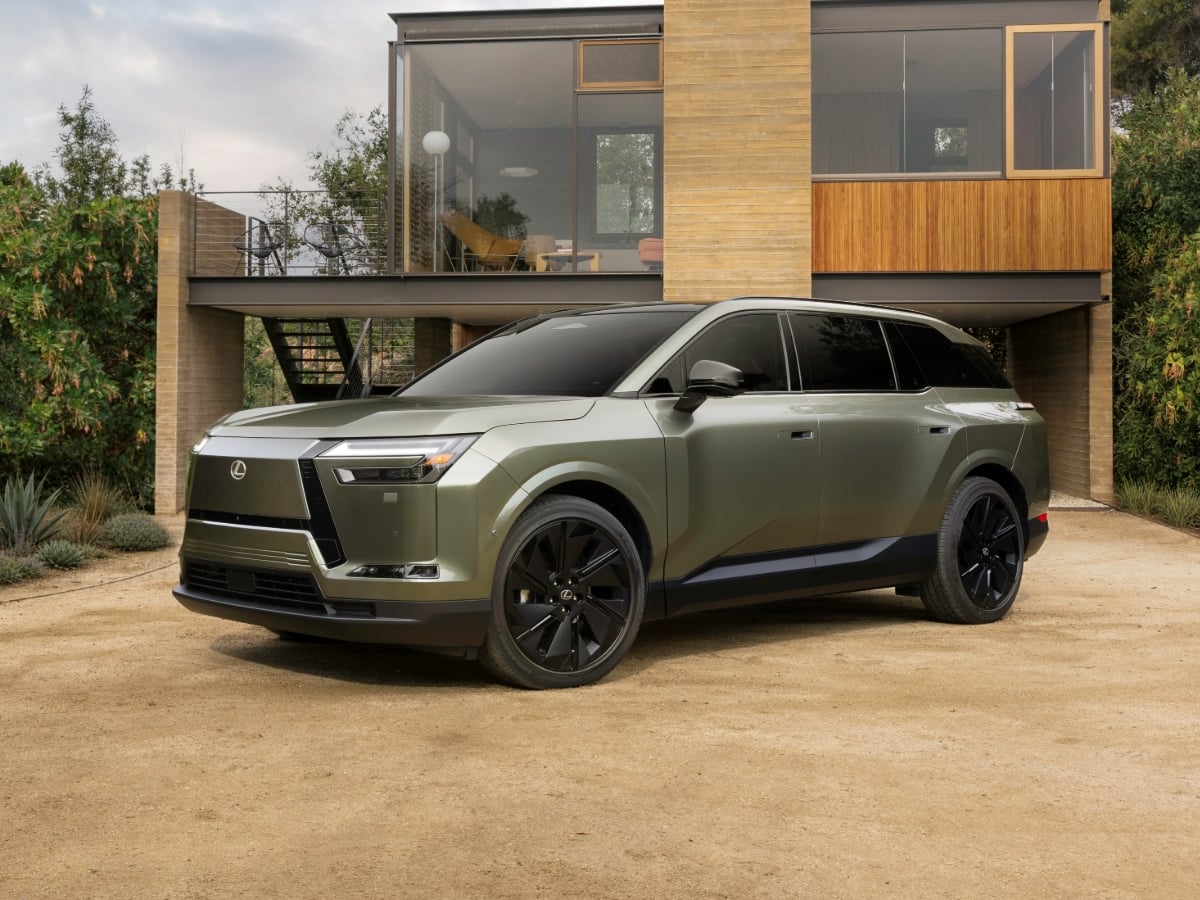
With the 2027 Lexus TZ, Toyota Motor’s luxury division introduces its first three-row all-electric SUV, featuring a lounge-inspired interior, an enhanced all-wheel drive (AWD) system, and up to 300 ...See More
Read the Full Article