
Knowing your way around the vehicle’s inner workings can help out in many ways. Owners do run into various issues every once in a while, and knowing where to look will assist in DIY-style repairs or direct your mechanic.
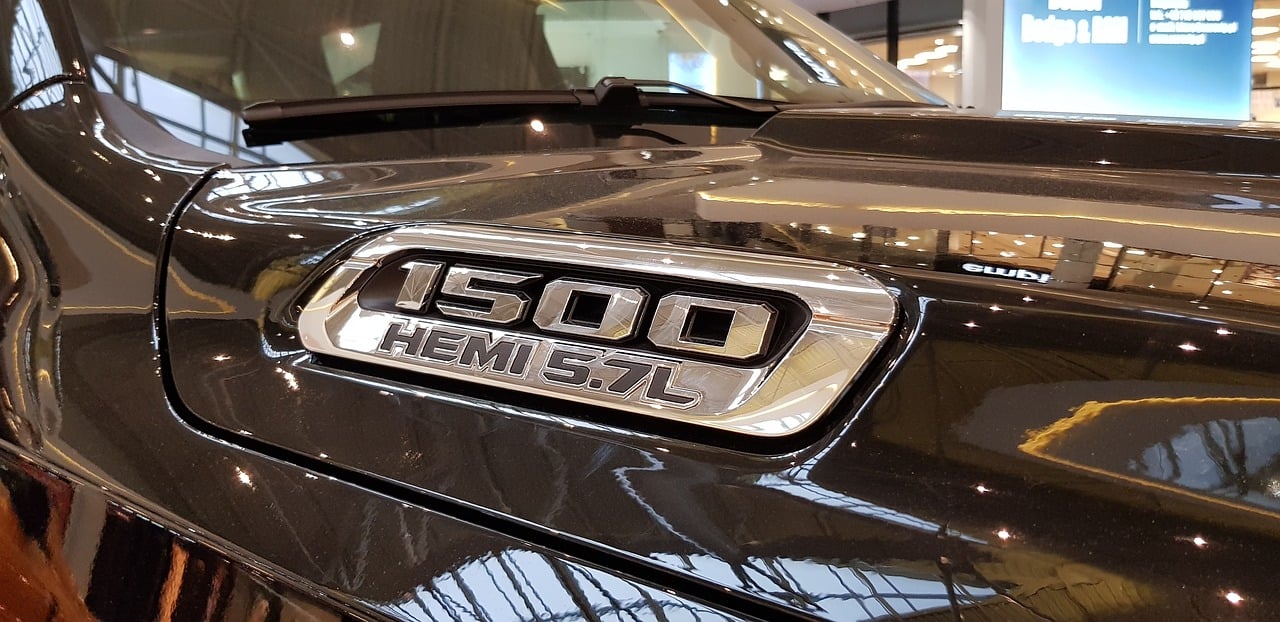
Out of all your car's components, the engine is the most important one. It is directly responsible for your vehicle moving in the first place and comes in various shapes and forms. One of them is called the hemi or hemispherical.
In this article, we will talk about these engines. We will explain how internal combustion engines work, discuss where the principal difference lies, give you a brief history of the Hemis, and finish on the pros and cons.
An internal-combustion engine is a heat engine that converts energy from the heat of burning gasoline. When all is over, the burning gasoline turns into mechanical work, or torque, which applies to the wheels and creates vehicle movement.
Engines have pistons that move up and down inside metal tubes (cylinders). They, in turn, connect with the crankshaft that spins with their help. There may be between two or twelve cylinders with the corresponding number of pistons depending on the vehicle.
All modern engines go through a specific cycle: combustion, intake, compression, and exhaust. Combustion pushes the pistons down from the top of the cylinder. As engines need air to burn fuel, during intake, valves open up and allow ambient air to come in. When the piston reaches the bottom, the valves close for compression, and it is then sent upward to absorb the intake charge. After that, what remains goes out of the car through the exhaust system.
The word “Hemi” is an informal term that refers to engines with hemispherical combustion chambers. It is often associated with Chrysler, but the company has nothing to do with its invention. It existed as early as the 1900s.
The main differences come down to a couple of things. In such engines, the intake and exhaust valves are on the opposite side of the chamber. It helps in improving airflow and enhancing the overall vehicle performance.
The next one lies in the cylinder shape. In this particular engine, all of them are hemispherical, which is how the engine got its name. Spark plugs are also at the top, and, generally, strategic placement of components within the Hemis minimizes the burn distance of the air-fuel mixture, once again improving performance.
As mentioned previously, many associate Hemi engines with Chrysler. The company revolutionized and popularized them, but they didn’t actually invent the engine. It was done a while ago before they began their work on the Hemis.
The earliest mention of a hemispherical engine dates back to 1905. Belgian car manufacturer Pipe used the Hemi with a four-cylinder design. The Fiat 130 HP Grand Prix race car was the next vehicle to have this engine two years later.
Later down the track, various other manufacturers introduced their Hemis with varying benefits. These companies included Alfa Romeo, Peugeot, Daimler, and many more. However, after some time, production halted, as the engine was too expensive to make.
After World War II, the engine came back on the car market. Most manufacturers dropped it from production lines as it was too expensive, but Chrysler came in and repopularized them once again.
Over the years, Hemi engines have gained quite a good reputation for their benefits. First off, they are pretty powerful and provide impressive speed and performance. The valves' shape allows for quicker combustion and fuel burning. Hemi engines are also reliable and durable and allow for better airflow, allowing more air to enter the vehicle and the exhaust to work more efficiently.
The negatives that offset the positives are extreme weight and the limited number of valves that somewhat limit performance. Hemis also don’t do wonders for fuel efficiency, reducing your gas mileage compared to other vehicles.
On the whole, you should not worry about having one installed. These engines are solid to this day. However, it helps to know both the positives and negatives to make the right decision for yourself.



The new 2027 BMW i3 boasts an estimated range of up to 440 miles, 400-kilowatt DC fast charging capability, bidirectional charging to a home or the grid, and next-generation technology.
Read the Full Article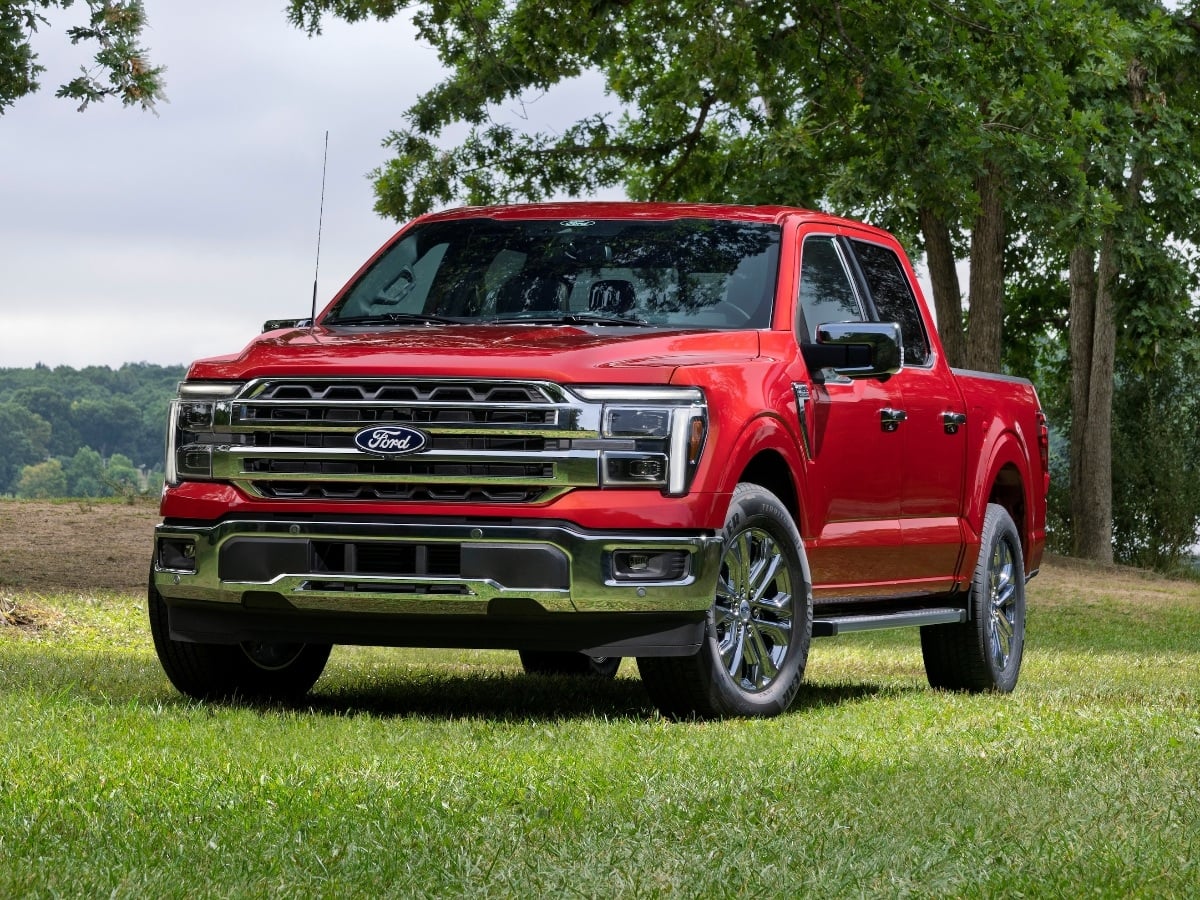
Facing renewed competition in the full-size, light duty pickup truck segment, the 2027 Ford F-150 receives subtle styling updates, a new standard engine, broader availability of its 5.0-liter V8, and ...See More
Read the Full Article
The 2027 Civic Type R goes on sale in October 2026, and it starts at $49,990, including the $1,295 destination charge.
Read the Full Article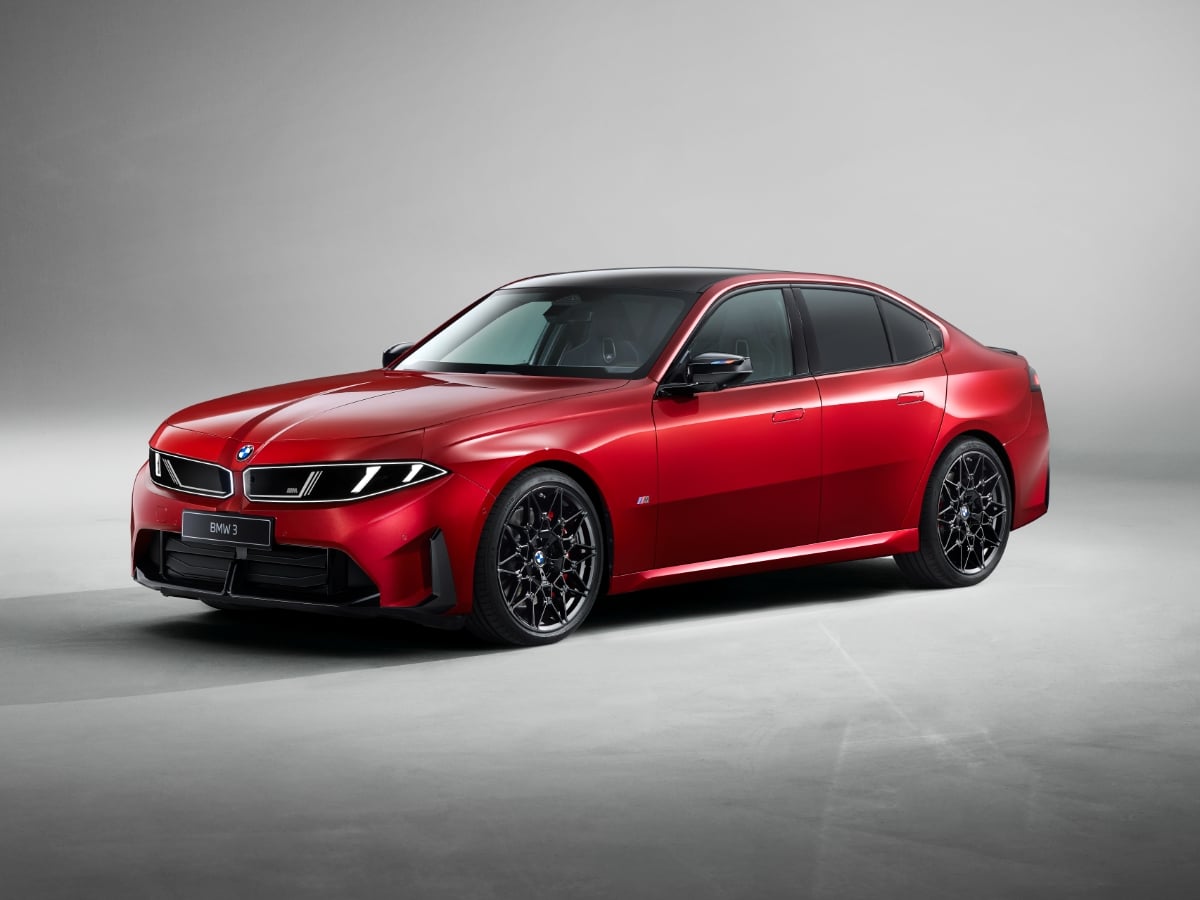
Part of BMW’s Neue Klasse (new class) rollout of redesigned models, the 2027 BMW 3 Series is all-new and goes on sale in the first quarter of 2027.
Read the Full Article