
As the name suggests, Adaptive Front Lighting System or AFS is an adaptive lighting system in cars that helps the driver have optimum visibility during nighttime without jeopardizing the safety of others on the road.

Adaptive front lighting systems are also called adaptive headlights or curve-adaptive lights by several brands. Various car manufacturers have their own naming conventions. For example, Porsche calls it the Dynamic Light System, while Genesis calls it the Adaptive Cornering System. Whatever the name, they serve the same purpose. Let’s look at the advantages of AFS, a brief history, and the components that go into every AFS system.
The adaptive front lighting system controls the headlight angle sensing the steering wheel angle, road conditions, and vehicle load. It uses an array of LEDs that throw low beam light to keep the lights on the road balanced and not too focused at one point. These are intelligent lights for your car and are extremely useful if you drive at night. It also helps avoid direct glare to the vehicles coming from the opposite direction. The system uses image sensors to detect the proximity of other cars.
The stepper motors help the light spread out evenly. However, the light distribution depends on several factors, such as the speed of your vehicle, the steering output, the road conditions, the load, and the make of your car.
The 1948 Tucker is said to be the first car with AFS. However, it never went into mass production as the company failed after making just 51 cars. The vehicle had two fixed lights and one in the center, controlled by the steering angle. Tucker loaded the car with features but it failed commercially. The position of this headlight and its motion earned it the nickname “Cyclops.”
The AFS can work on a system based on the steering wheel angle, or it can work based on sensors that detect and monitor the road ahead. Some manufacturers install systems based on speed sensors and pivot and change the light pattern accordingly.
The AFS system in different cars can vary, but they have a few standard components. These include LED drivers, matrix managers, stepper motors, MCUs, and imaging sensors. These components need to function efficiently and accurately so that AFS can control the light intensity and direction.
The AFS is a safety feature for driving at night on those rocky roads. However, it is not a substitute for keeping your eyes on the road and being aware. Always make sure to pay attention to the road while driving at night. Drive safe!


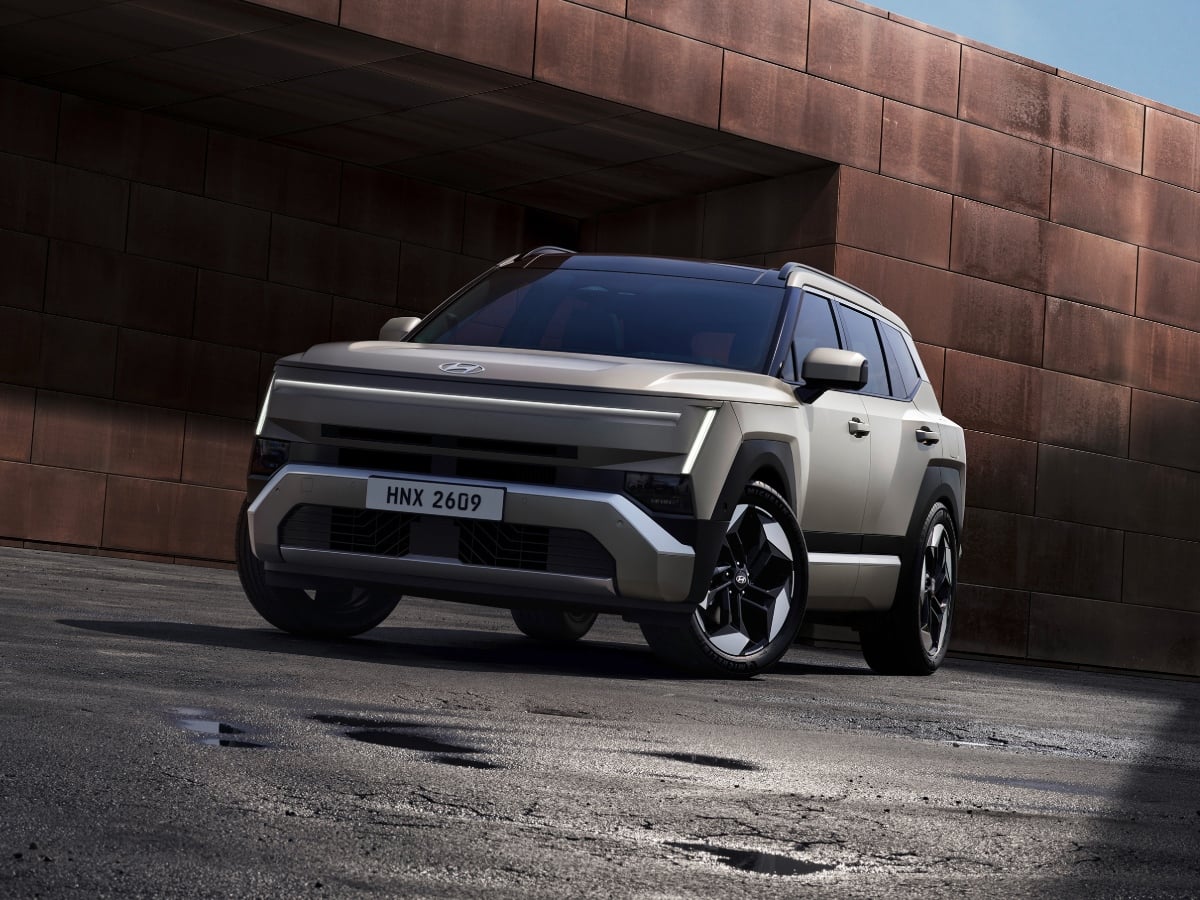
With a purposeful new design and some trail-ready upgrades, the 2027 Hyundai Tucson is pushing the brand's best-selling crossover SUV into more aggressive territory.
Read the Full Article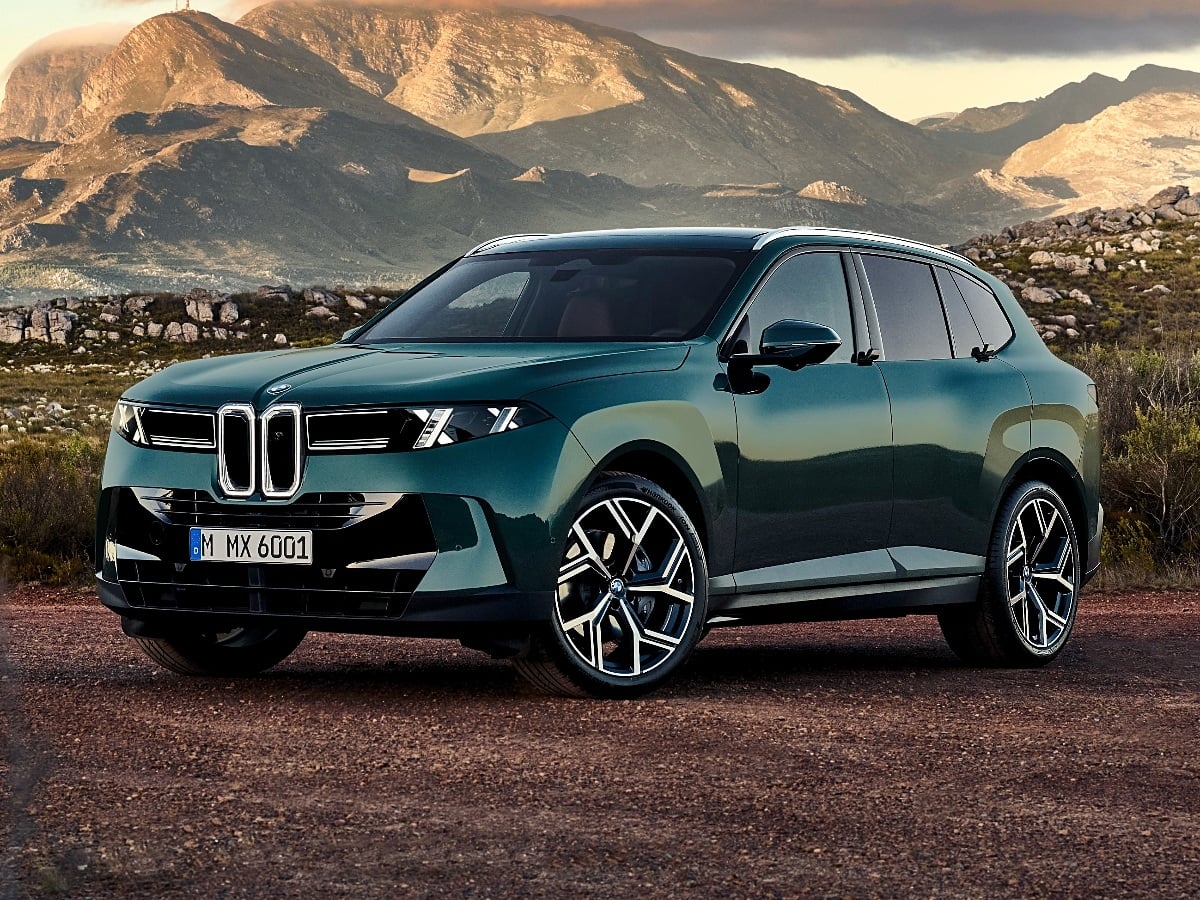
For more than 25 years, the BMW X5 has helped to define the luxury SUV segment. Now, the redesigned fifth-generation 2027 BMW X5 arrives with the automaker’s Neue Klasse styling, a roomier interior, ...See More
Read the Full Article
One of Lexus's most popular models, the NX crossover SUV is also one of the most affordable in the company’s lineup. The 2027 Lexus NX transitions to hybrid-only powertrains, and gets revised ...See More
Read the Full Article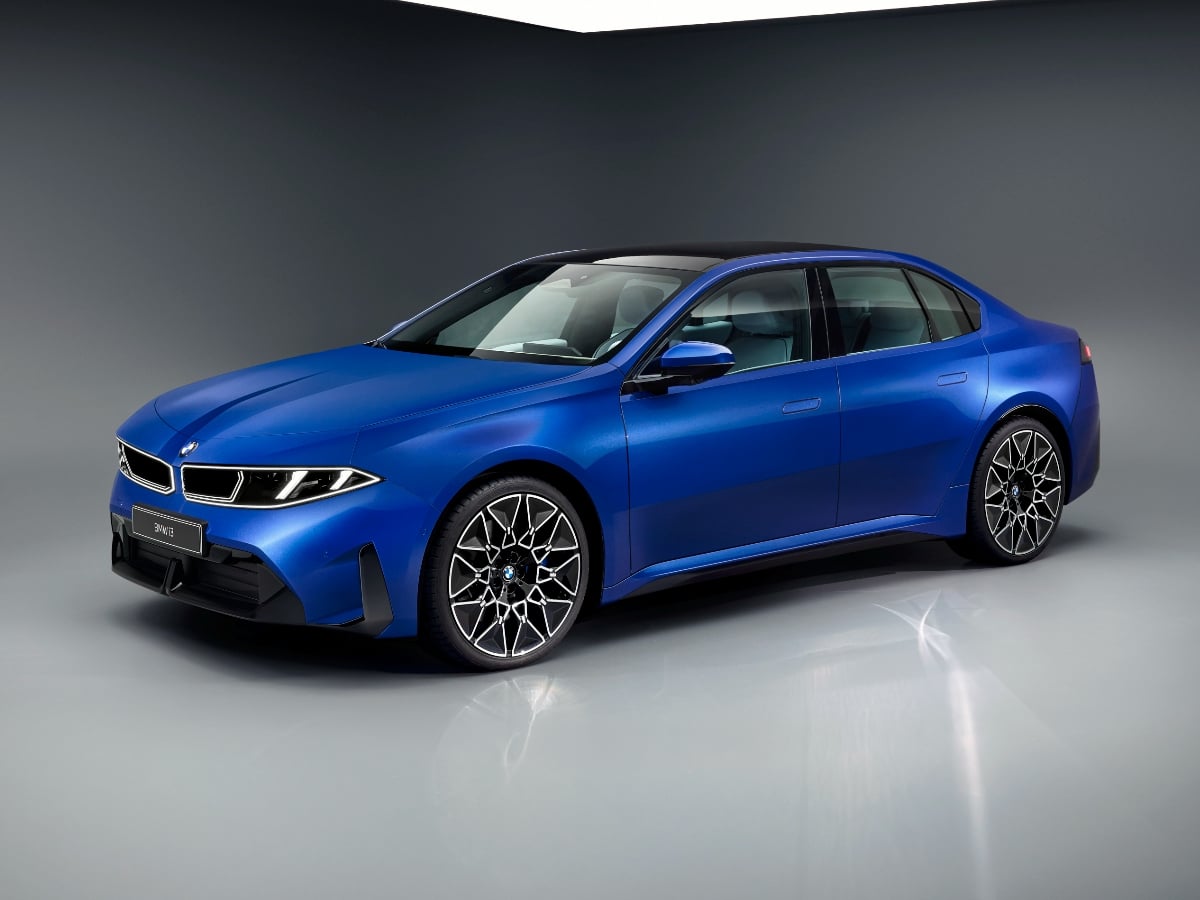
The new 2027 BMW i3 boasts an estimated range of up to 440 miles, 400-kilowatt DC fast charging capability, bidirectional charging to a home or the grid, and next-generation technology.
Read the Full Article