
Road sign systems can be confusing for less experienced drivers. There are several tricky signs which are hard to read; you just need to remember them. The yield sign is one of these. To avoid confusion, we dedicate this article solely to this vital sign and the laws and regulations behind it.

The yield sign is a regulatory sign. According to the rules, when you see a yield sign, you should drive slowly, below five mph, to see if there is any other traffic crossing. Seeing the yield sign, the driver must slow down and yield their right to other vehicles and pedestrians approaching from different directions. If you notice other cars or pedestrians, you need to stop and let them go, or you can proceed with the movement if you do not see anybody or they are still at a safe distance.
The word “Yield” on the sign means “give way” or “concede.” The sign has a unique shape of an equilateral triangle rotated with the apex downward. It is made so that the sign is recognizable in the darkness. In most countries, there are no words on the sign, and just a white triangle in a red frame remains.
This shape and color appeared in 1971 and became an international standard adopted by Vienna Convention on Road Signs and Signals. Before 1971 the yield sign in the US had yellow color - you find them like that on rough old roads. The early prototype appeared in 1950 in the US in Tulsa, Oklahoma. Police officer Clinton Riggs created it, there was a full name, “Yield right of way” on it, in the shape of a keystone or a trapeze turned upside down.
Usually, a yield sign is posted on intersections where two roads merge; it can stand on a secondary road, which could be unpaved or narrow. They are often placed at the entrance to a roundabout, meaning you need to give way to all the vehicles moving on a roundabout from the left before entering the roundabout.
Some yield signs specify to give way to pedestrians only, which look more like rectangular boards. Also, a yield sign could be accompanied by a turn sign which allows you to turn only in one direction.
Both signs mean almost the same – you must let the other vehicles and pedestrians crossing your way go first. A stop sign is also a regulatory sign with its unique octagonal shape. The yield sign is less strict, as you don’t have to stop if you don’t see any other “obstacles” potentially crossing your trajectory.
A stop sign means you must completely stop before it, even if you don’t notice any obstacles. If you don’t comply, you could quickly get a ticket. However, stop signs are considered safer for the drivers so that they could be up on potentially more dangerous intersections, like four-way crossroads or more intensive roads.
The sign is obligatory to obey if you don’t have higher priority. For example, if you see a traffic light at a crossroad, you should follow its directions and ignore the signs. Same with a pointsman ruling the crossing – his instructions are prioritized over the road signs. If you see a crossroad where two roads look equal, do pay double attention to the signs, as the yield signs mark which traffic directions have the right of way.
A yield sign is an essential safety measure at crossroads not equipped with traffic lights. Although it does not obligate you to stop, as a stop sign does, you should not neglect the rules and slow down to look carefully to study your surroundings. Vehicles approaching from different directions have the right of way, so you can only proceed when they pass or are still far away at a safe distance.


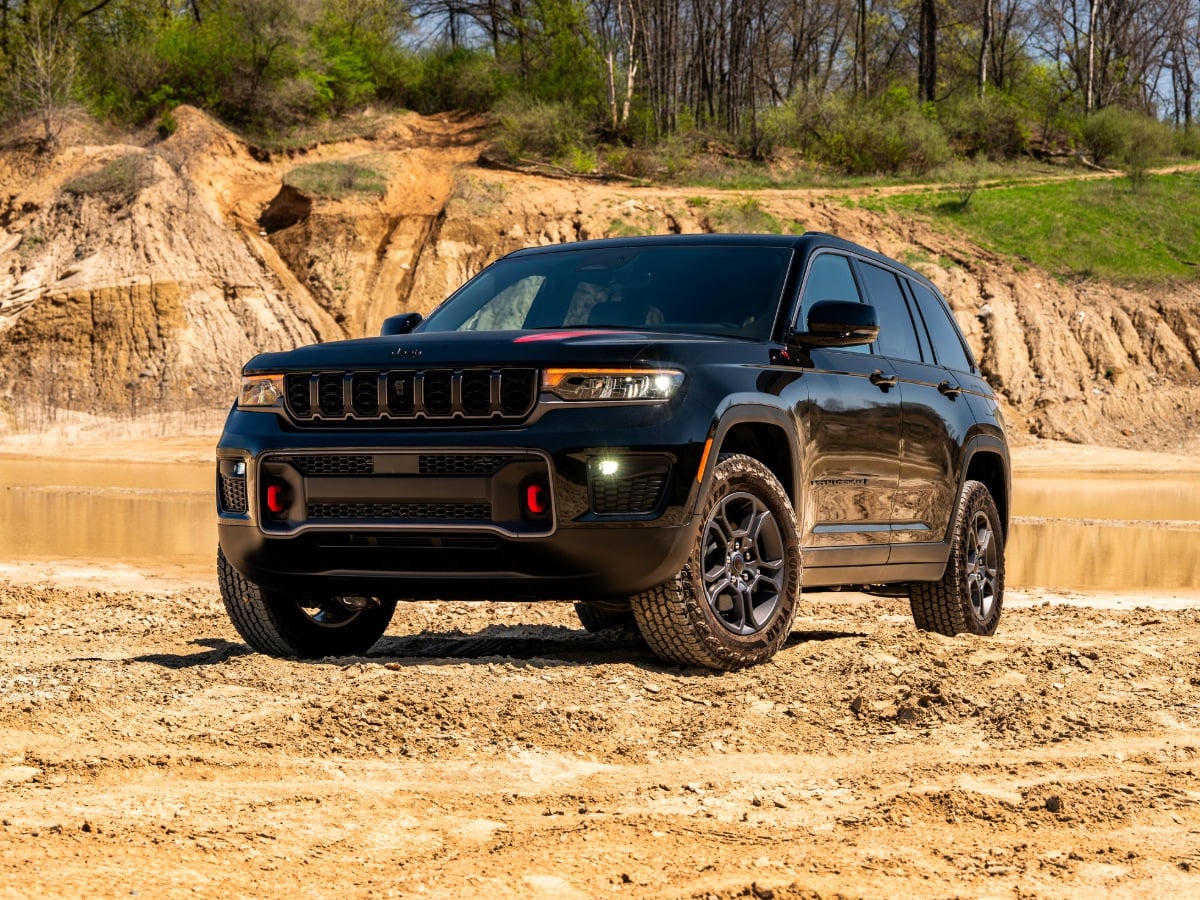
Following a refresh for the 2026 model year, the 2027 Jeep Grand Cherokee lineup brings back two familiar variants, the go-anywhere Trailhawk and the premium-yet-capable Overland, offering buyers ...See More
Read the Full Article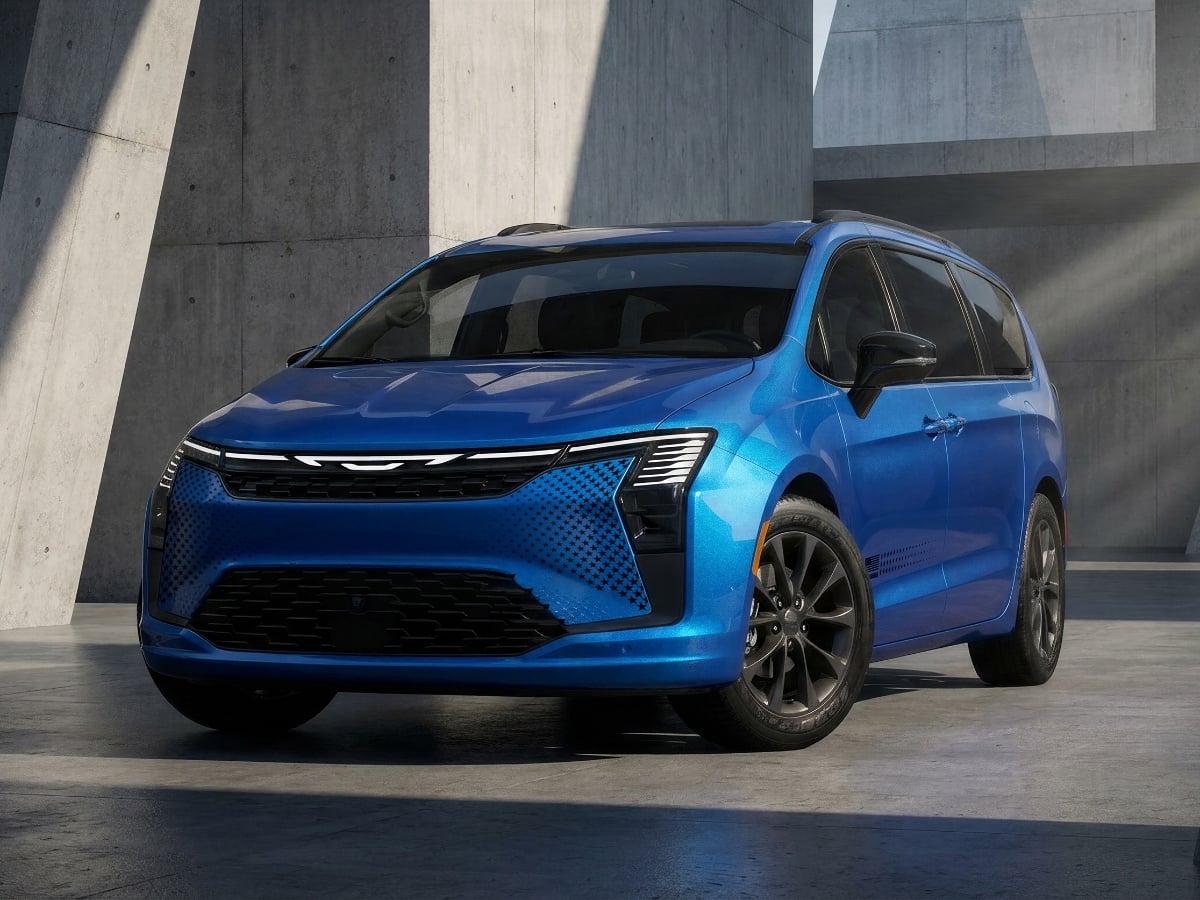
Chrysler, the company that launched the modern minivan segment in 1984, is giving its popular 2027 Chrysler Pacifica a nose job and introducing a special edition commemorating America’s 250th ...See More
Read the Full Article
An all-new GMC Sierra 1500 debuts for the 2027 model year, featuring next-generation V8 engines, a premium interior with wide digital displays, and class-exclusive luxury and technology features on ...See More
Read the Full Article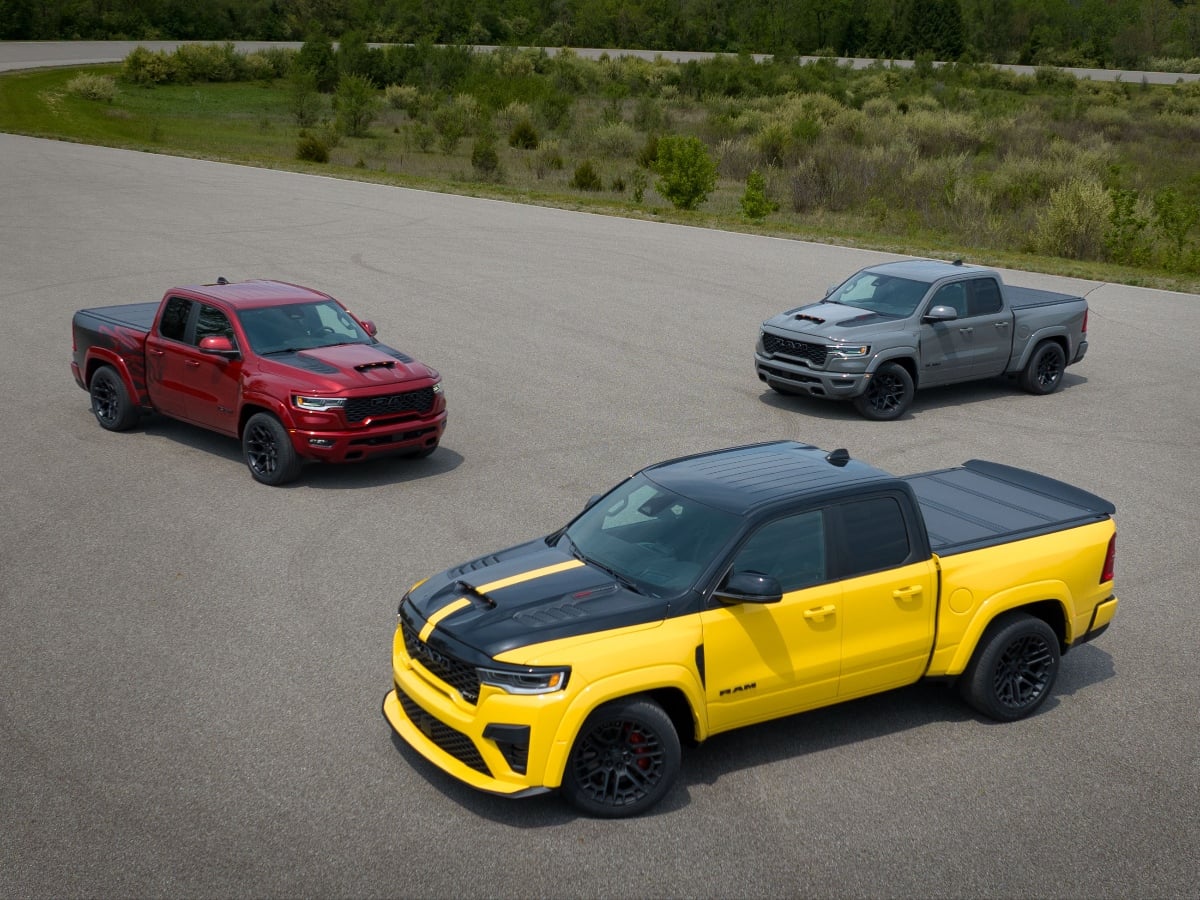
With the 2027 Ram 1500 Rumble Bee, Ram aims to revive the domestic muscle truck segment by offering a trio of Hemi V8 engines, including the 777-horsepower Rumble Bee SRT.
Read the Full Article