
Driving safety is a top priority for all vehicle owners. While most people are aware of the importance of wearing seat belts and maintaining good driving habits, daytime running lights are another crucial factor that can significantly improve road safety. Daytime running lights increase the visibility of vehicles during daylight hours, and they have become a standard feature of modern cars.

Whether you are a seasoned driver or a new one, it is essential to understand what daytime running lights are, how they work, and when to use them. This article will provide an overview of daytime running lights, their benefits, and when and how to use them.
Daytime running lights (DRLs) are an increasingly common safety feature in modern vehicles. They make vehicles more visible during daylight hours, reducing the risk of accidents. DRLs are low-intensity headlights that automatically turn on when the vehicle is in motion. They differ from regular headlights, usually manually turned on at night or in low-light conditions.
DRLs are typically mounted in front of the vehicle to provide maximum visibility. They are generally brighter than parking lights but not as bright as headlights and can be easily noticed during the day without causing glare or distraction. Still, the intensity varies depending on the make and model of the vehicle.
The lights are not only beneficial to drivers, but they also provide safety benefits for pedestrians, cyclists, and other road users. They make it easier for other road users to see approaching vehicles, reducing the risk of accidents.
Daytime running lights are essential for several reasons, including:
While daytime running lights are to be used during the daytime, there are certain situations when it’s not a good idea to leave them on. For example, they may not be necessary during periods of low visibility due to fog, rain, or snow, as they can create glare and reduce your ability to see the road ahead. You should use your regular headlights or fog lights if equipped in these situations.
Additionally, it's important to note that daytime running lights do not turn on your taillights, so they are insufficient for use during nighttime driving. In fact, in some countries, using daytime running lights as a substitute for headlights at night is illegal.
Another essential thing to note is that turning off the daytime running lights is possible. However, this is not recommended, as it can reduce visibility and safety on the road. If you need to turn off the DRLs, it's vital to ensure that the headlights are turned on instead.
Daytime running lights are an essential safety feature that can help improve visibility and reduce the risk of accidents on the road. While they are not a replacement for headlights, they are designed to be used during daylight hours when they are not required. If your vehicle is equipped with DRLs, it's vital to ensure that they function correctly and use them as intended.



The new 2027 BMW i3 boasts an estimated range of up to 440 miles, 400-kilowatt DC fast charging capability, bidirectional charging to a home or the grid, and next-generation technology.
Read the Full Article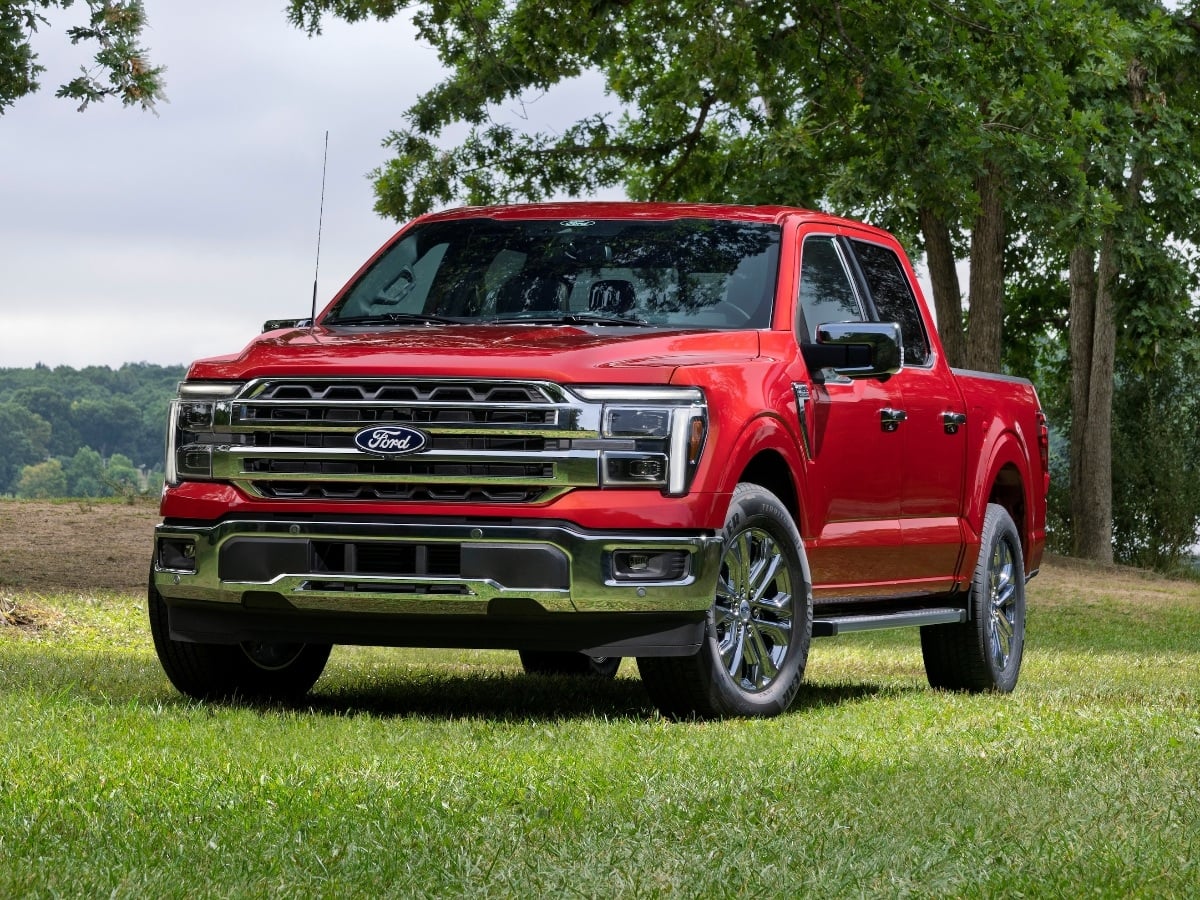
Facing renewed competition in the full-size, light duty pickup truck segment, the 2027 Ford F-150 receives subtle styling updates, a new standard engine, broader availability of its 5.0-liter V8, and ...See More
Read the Full Article
The 2027 Civic Type R goes on sale in October 2026, and it starts at $49,990, including the $1,295 destination charge.
Read the Full Article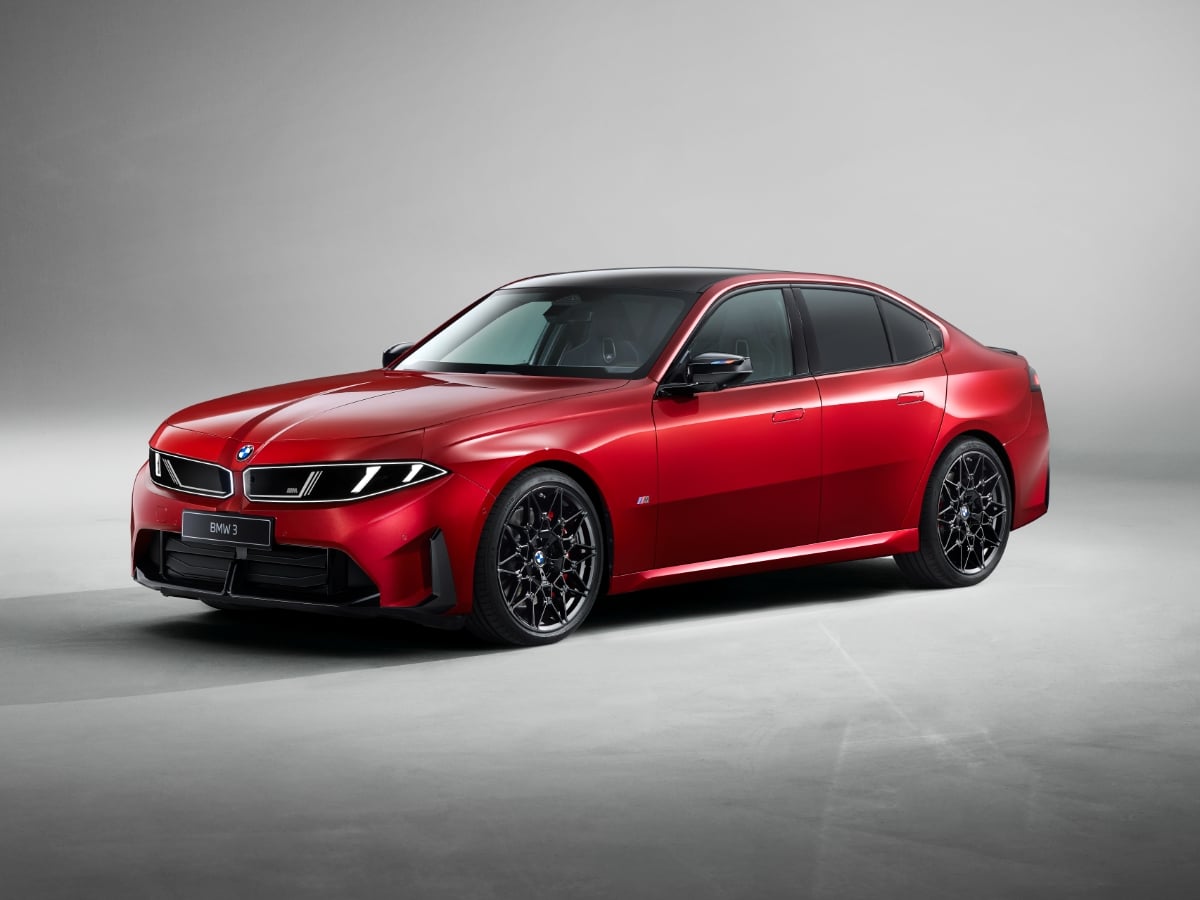
Part of BMW’s Neue Klasse (new class) rollout of redesigned models, the 2027 BMW 3 Series is all-new and goes on sale in the first quarter of 2027.
Read the Full Article