
Purchasing a used vehicle can be a cost-effective way to get a car, SUV, or truck compared to buying a brand-new model. However, because pre-owned vehicles aren’t in factory-new condition, there is always the possibility of encountering problems. These can range from minor issues, like needing an oil change or new battery, to more severe problems, such as worn clutches or engine damage.
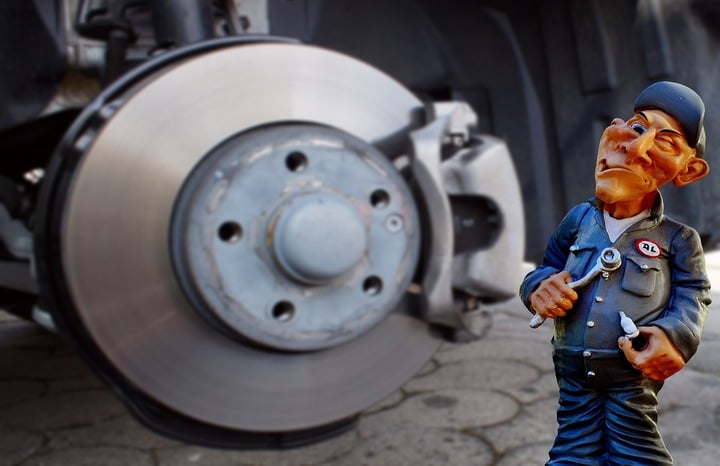
Fortunately, buyers can verify that the vehicle they want is right for them by getting a Pre-Purchase Inspection (PPI). These professionally conducted inspections can highlight potential issues and help shoppers determine if they are making the right choice.
Learn what PPIs involve, when to get one, and what to expect.
A Pre-Purchase Inspection (PPI) is an in-depth inspection of a vehicle to assess the condition of its main components before a purchase. Although PPIs are thorough, they generally do not involve disassembling parts, so they are not a substitute for a complete inspection.
PPIs are conducted by professional mechanics, who assess and test the vehicle’s essential systems to identify and document any issues. At the end of a PPI, the mechanic provides a report detailing any problems they found or suspect it to have.
Many mechanics also offer feedback on the vehicle’s roadworthiness and whether it needs any urgent repairs, helping buyers better understand its current condition.
Pre-purchase inspections are generally performed before finalizing the purchase of a used vehicle. Many car buyers request a PPI from a trusted mechanic after performing an initial check themselves, such as asking the seller basic questions about the vehicle’s condition or requesting a .
A PPI can provide insights about the vehicle’s condition that may influence a buyer’s decision to purchase. If the inspection uncovers problems, it can give buyers leverage to renegotiate the vehicle’s price and secure a better deal.
Used car buyers looking into a PPI usually contact a local independent mechanic or auto body shop. They can offer an unbiased and professional assessment of the vehicle’s condition, especially if they specialize in the make, model, or type of vehicle the buyer is looking for.
For example, buyers who want to purchase a used Alfa Romeo Giulia may consider requesting the services of a mechanic specializing in the Italian brand. Their expertise allows them to find and assess issues specific to the Giulia that a general mechanic might not be familiar with.
Car shoppers purchasing a used vehicle from a dealership may have the option to request a PPI through the dealership’s service department. If the dealership sells new models of the same brand as the used car, this option can be convenient; they have the skills, equipment, and familiarity with the brand’s vehicles to offer a detailed assessment.
However, while dealerships may offer PPIs, their mechanics are affiliated with the seller, which may affect the objectivity of the assessment.
A pre-purchase inspection is one of the most comprehensive types of automotive inspections a vehicle can receive without requiring the removal of individual components. It offers more detail than a basic safety inspection or a maintenance check but less than a diagnostics inspection or a complete tear-down.
Since there is no industry standard for a PPI, each mechanic has their own checklists and procedures. However, it will typically include the following:
Most mechanics begin the PPI with a thorough inspection of the vehicle’s exterior elements. They will look for signs of damage, wear, and tear, such as body rust, broken or damaged auto glass, or paint damage.
After inspecting the exterior, auto specialists will often check over the interior. They look for wear and tear in the upholstery, interior trim, and other components. The inspection also includes a function check of all interior electrics and electronics, including:
Many mechanics use OBD scanners to check the vehicle’s onboard computer for trouble codes, which can identify mechanical issues without dismantling critical parts.
All vehicles sold in the United States since model year 1996 use the OBD-II format, which has a standardized code format across all makes and models. For example, OBD-II trouble code P0301 means the engine’s first cylinder is misfiring.
During a PPI, the auto mechanic performs various tests to assess the vehicle’s critical components, such as the engine, transmission, brakes, suspension, and exhaust. It often includes visual checks, engine start tests, and road testing. Mechanics generally perform the following tests and checks:
The cost of a pre-purchase inspection varies depending on the location and whether the buyer chooses an independent or dealership mechanic.
On average, a typical pre-purchase inspection ranges between $132 and $200 before taxes and additional fees. It is typically the buyer’s responsibility to pay for a PPI. However, some sellers may offer to cover its costs, especially if the vehicle is in worse condition than advertised.
Buyers must be diligent when shopping for used vehicles. A pre-purchase inspection can uncover essential information about a used car, SUV, or truck, guiding purchasing decisions.
Whether you’re looking for the latest crossovers, a reliable sedan, or a durable truck, find detailed specifications, photos, and accurate resale and trade-in pricing at JD Power.
Author: Corentin Bernard
Corentin’s passion for the automotive world started when he was just seven years old, during a life-changing visit to an auto museum. Now a seasoned writer, Corentin channels that early fascination into every piece he writes, whether he’s exploring the latest car trends or automotive history. But his expertise doesn't end there—he also brings his insights to topics like home improvement, the boating and yachting industry, personal finance tips, and cutting-edge tech.


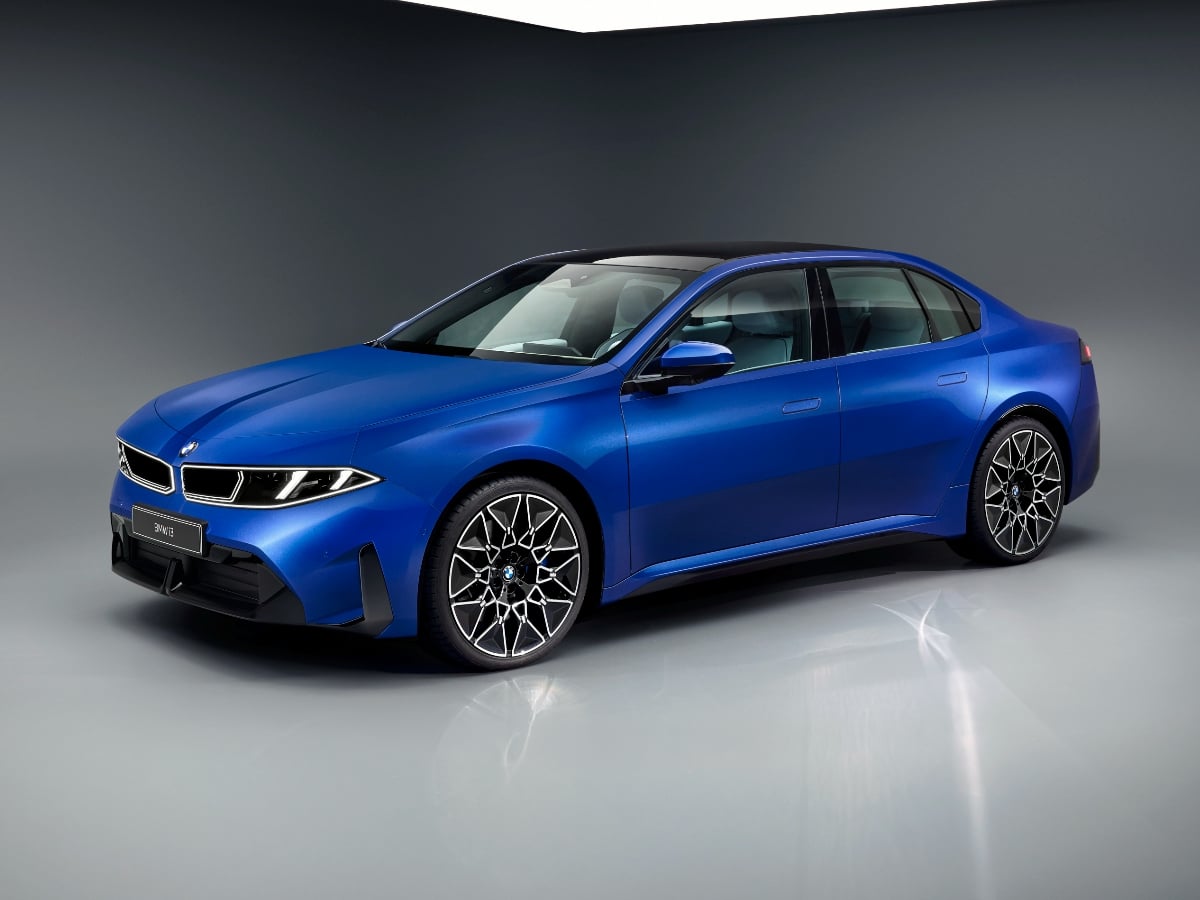
The new 2027 BMW i3 boasts an estimated range of up to 440 miles, 400-kilowatt DC fast charging capability, bidirectional charging to a home or the grid, and next-generation technology.
Read the Full Article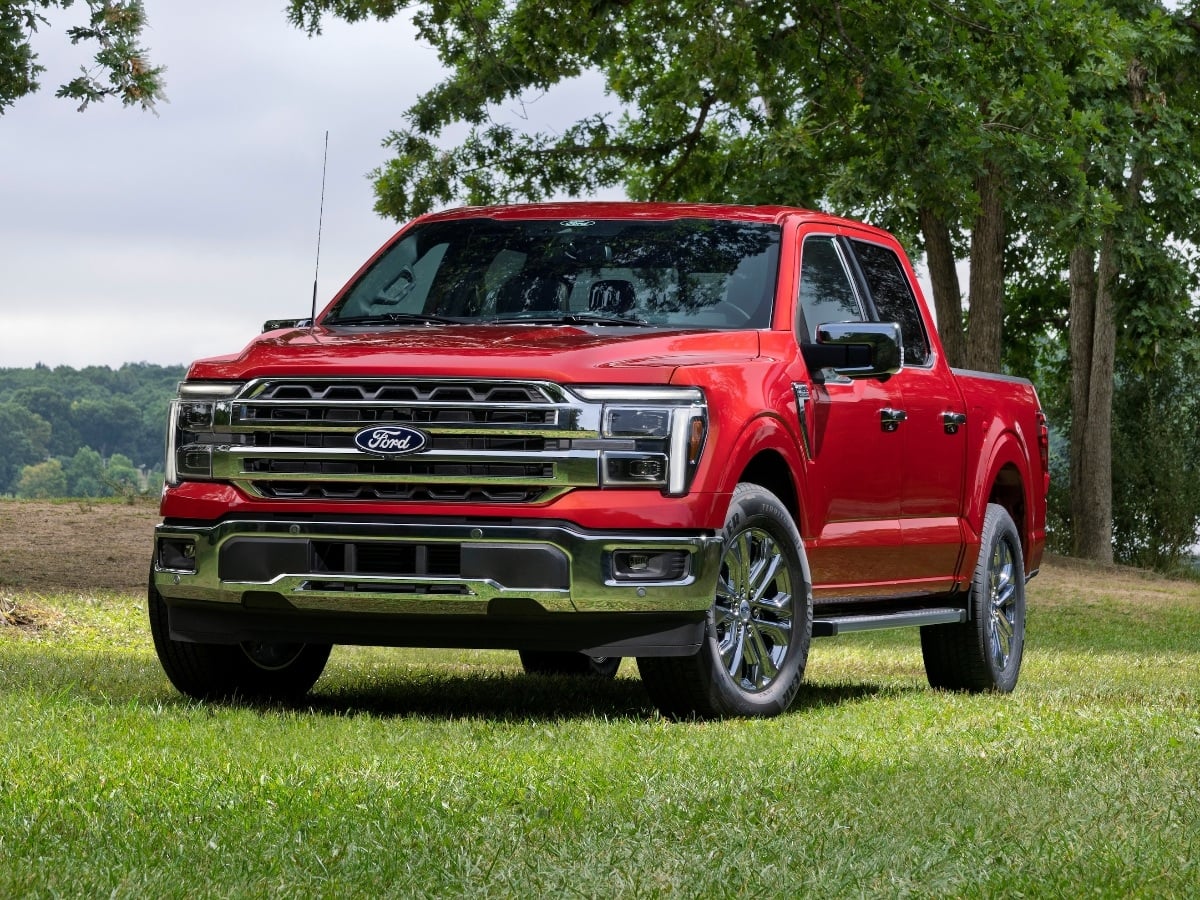
Facing renewed competition in the full-size, light duty pickup truck segment, the 2027 Ford F-150 receives subtle styling updates, a new standard engine, broader availability of its 5.0-liter V8, and ...See More
Read the Full Article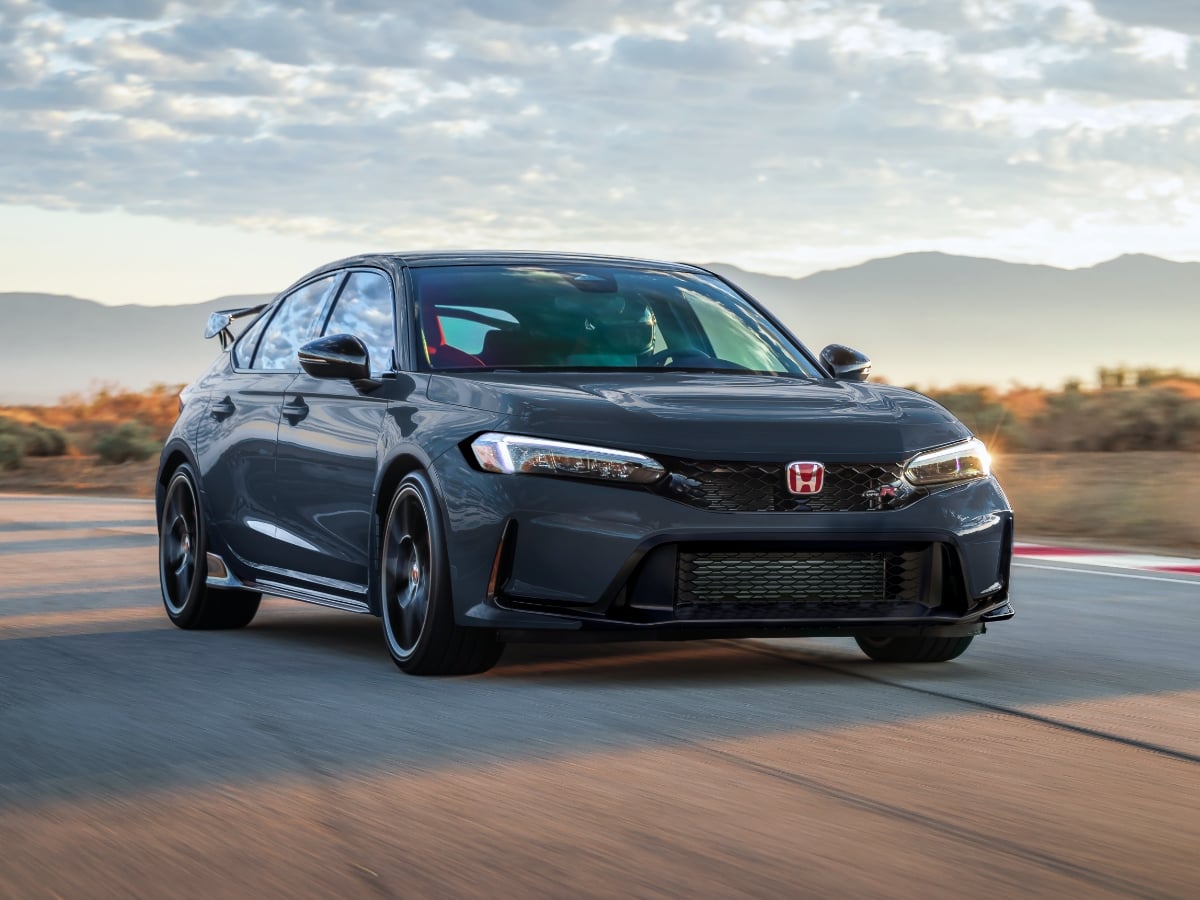
The 2027 Civic Type R goes on sale in October 2026, and it starts at $49,990, including the $1,295 destination charge.
Read the Full Article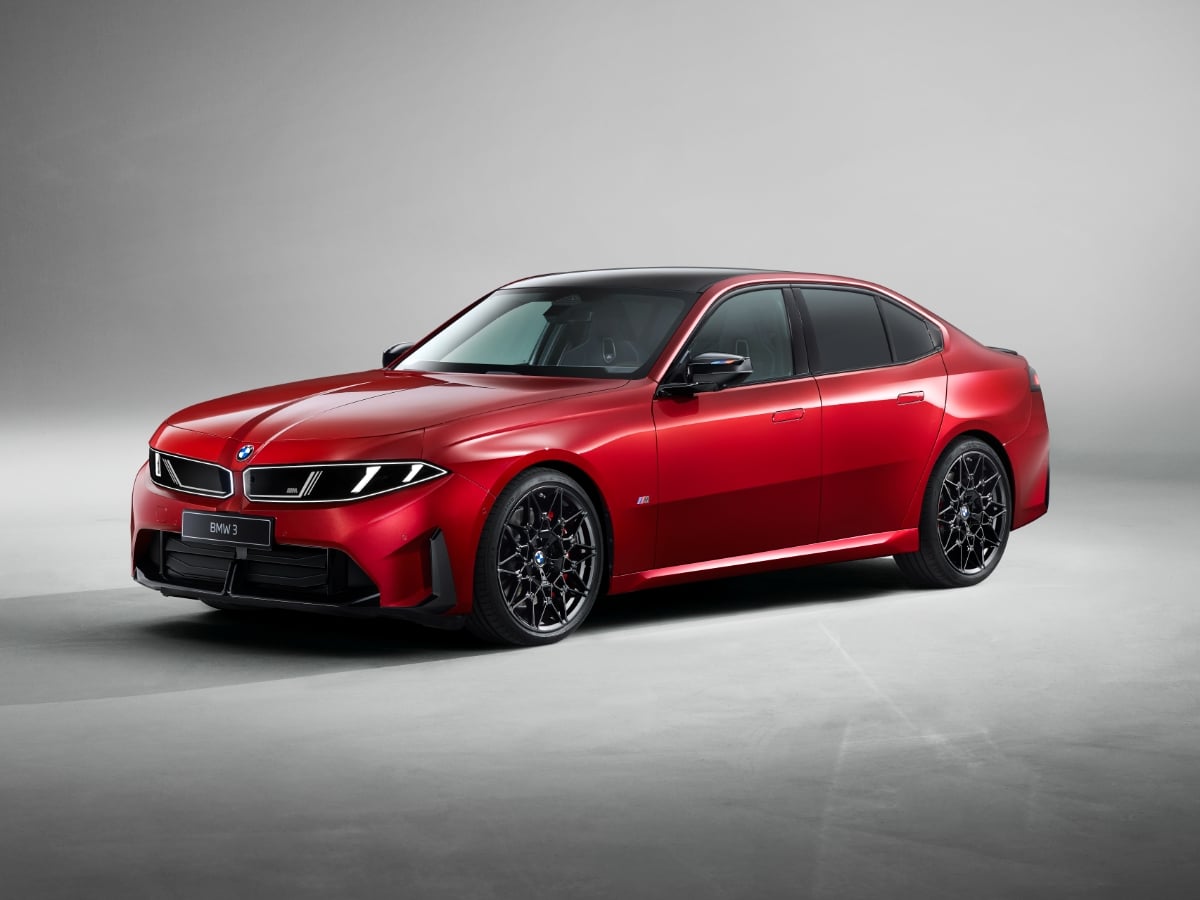
Part of BMW’s Neue Klasse (new class) rollout of redesigned models, the 2027 BMW 3 Series is all-new and goes on sale in the first quarter of 2027.
Read the Full Article