
Various vehicles have gained notable popularity in the US over the years. From the Ford F-series to the Supra A80 and its incredibly powerful and highly modifiable 2JZ-GTE engine. There are always some models that sell more favorably on the market, and rightfully so.
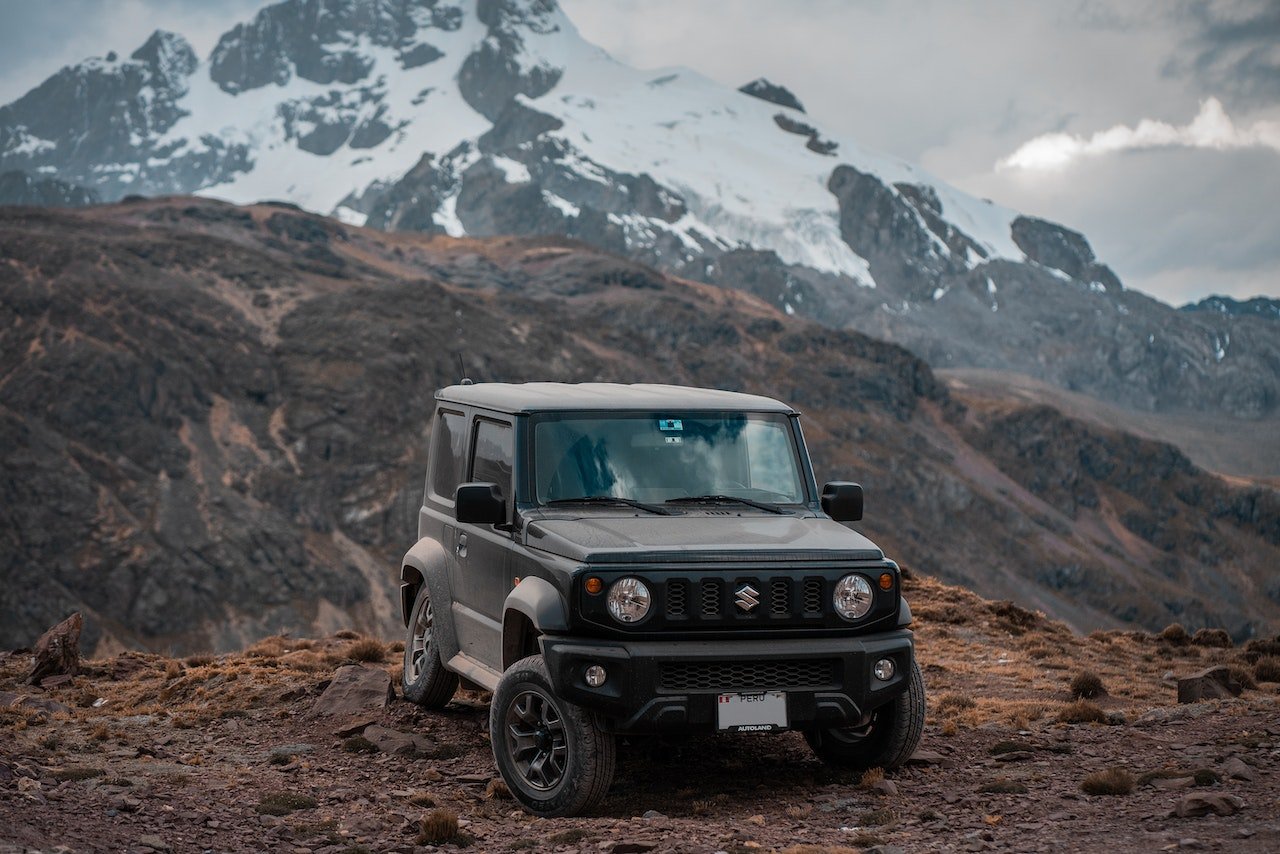
One of the more interesting examples is the Suzuki Samurai. Although its reputation in the US is not as “clean” as the Supra’s, it was a hit among car lovers back in the day for all the right reasons.
In 1985 the first Suzuki Samurai JL model was released in America and garnered quite a lot of sales. It cost $6,200, with a fully loaded version being around $7,500. Sales started with 1,200 trucks per month and quickly picked up to 8,000 per month, with Suzuki reaching 47,000 units sold.
The Samurai had a 1.3 liter, 63 hp, four-cylinder engine and was available as a convertible or a hardtop. It gained popularity in the four-wheel-drive community due to its simple and practical design and ease of modification, including engine swaps and suspension upgrades.
In 1990, a new 1.3 liter, 66 hp, four-cylinder engine with a throttle body was introduced. It allowed for 5-speed manual transmission, but the vehicle came with a part-time four-wheel-drive system as a standard feature.
Were it not for a particular incident (we’ll talk about it later down the track), the car could gain
To simplify things and help those seeking to buy the Samurai make the right pick, let’s go through a quick overview of everything that’s changed in the car over the generations.
In 1988 the 1988.5 model Samurai was re-tuned for better on-road use in America. The revision included softer suspension settings and a larger anti-sway bar for body roll reduction. A lower 5th gear increased engine RPM and power on the highway and also came with a new aluminum radiator, a redesigned valve cover, and larger transfer case U-joint flanges.
The 1985.5 model also got a dash redesign and a steering wheel change, with more comfortable seats and rubber shifter knobs as part of the revamp.
Around 1990 throttle body fuel injection, horsepower increase from 64 to 66 hp, improved engine tractability, and better on- and off-road performance were on the list of changes. The engine’s displacement dropped from 1324 cc (81 cubic inches) to 1298cc (70 cubic inches). Two spider gears were removed, and a newer sealed transfer case and transmission bearings were introduced.
In 1991 JA and JS models, the two-wheel-drive variants, came to the US. The JA didn’t have a top or rear seat, while the JS boasted a soft top and 2-place rear seats.
From 1992 to 1993, the Samurai saw no new significant changes. Instead, Suzuki completely dropped the JS model and incorporated a slight design change by placing the “S” in the center of the grille.
In 1994 only the four-wheel-drive model JL was still available. This year all remaining Samurais came with a canvas top and an added high-mounted stop lamp, with the rear seat removed entirely.
1995 was the last year for the Samurai. The company chose to withdraw the vehicle from the US because of an incident with Consumer Reports.
Around 1998 Consumer Reports decided to do some testing. During the short course avoidance maneuver (Consumer Union Short Course Double Lane Change or CUSC), they found that the Samurai experienced an unacceptable rollover while undertaking a severe turn.
Although the claim was supported by evidence, CR misrepresented the issue, making it seem as if the car was utterly unreliable in this regard. Suzuki found problems with their view on the matter and filed a lawsuit against CU (Customer Union). Unfortunately for the company, Customer Reports was and still is a trusted source of information, which caused significant damage to the reputation and eventual discontinuation of the Samurai.
Even though Suzuki carefully planned Samurai’s move to the US market, their ideas never came to fruition. The car, however, was very reliable and even set a world record for the highest altitude attained by a four-wheeled vehicle in 2007.
The lawsuit and reputation damages did cause its “fall from grace”, but if you want to find and purchase one now, there’s absolutely nothing to worry about.


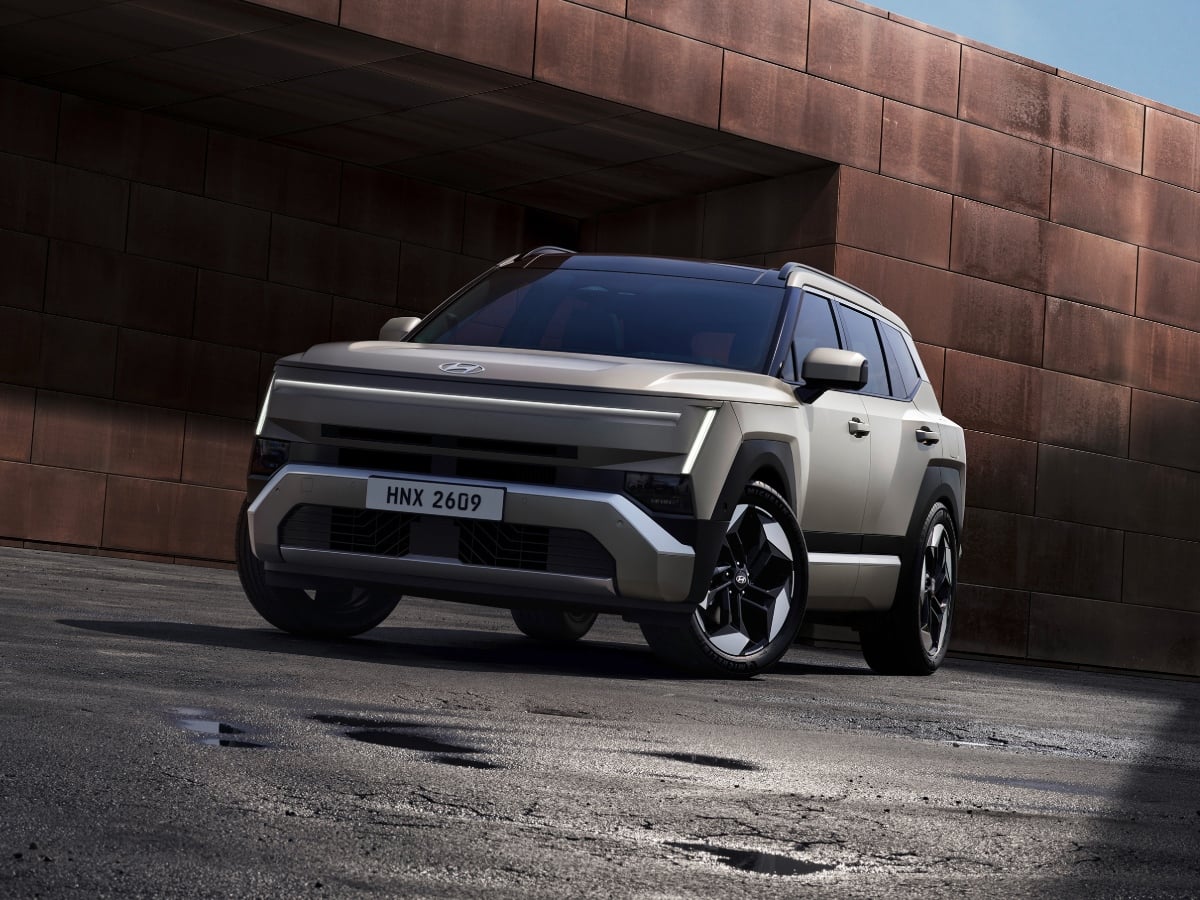
With a purposeful new design and some trail-ready upgrades, the 2027 Hyundai Tucson is pushing the brand's best-selling crossover SUV into more aggressive territory.
Read the Full Article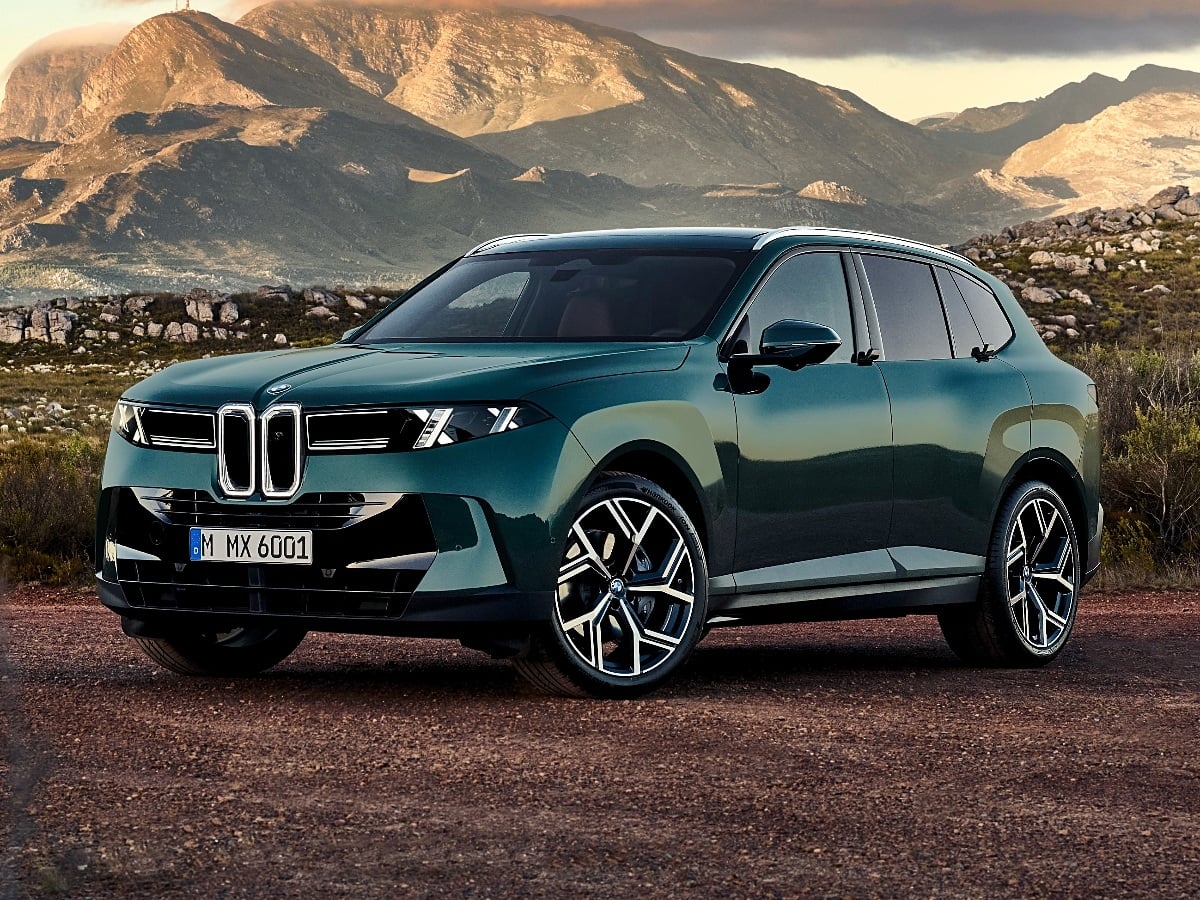
For more than 25 years, the BMW X5 has helped to define the luxury SUV segment. Now, the redesigned fifth-generation 2027 BMW X5 arrives with the automaker’s Neue Klasse styling, a roomier interior, ...See More
Read the Full Article
One of Lexus's most popular models, the NX crossover SUV is also one of the most affordable in the company’s lineup. The 2027 Lexus NX transitions to hybrid-only powertrains, and gets revised ...See More
Read the Full Article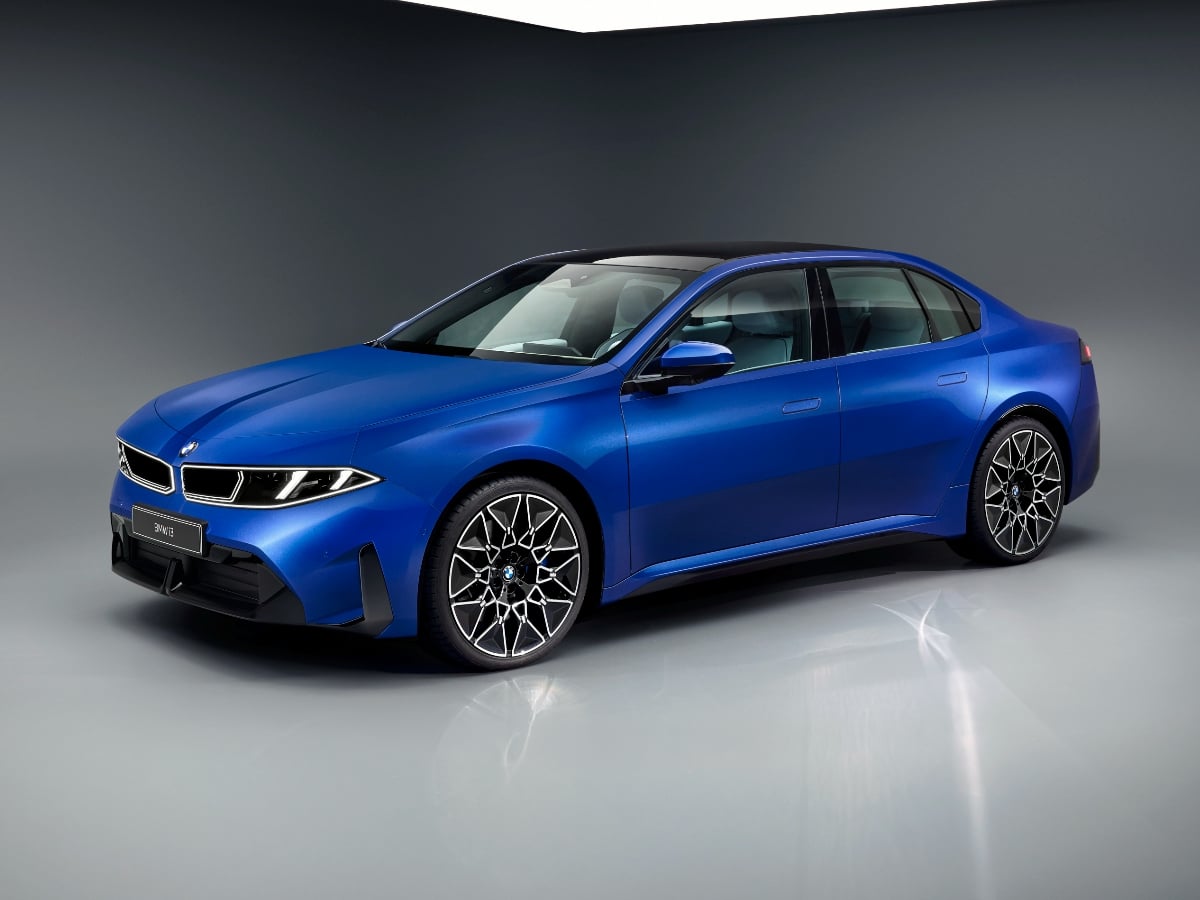
The new 2027 BMW i3 boasts an estimated range of up to 440 miles, 400-kilowatt DC fast charging capability, bidirectional charging to a home or the grid, and next-generation technology.
Read the Full Article