
RAM Trucks are the makers of some of the sturdiest and most dependable trucks in the market. The various accolades RAM has earned over the years testify that these trucks have proven more efficient on the road than their competitors.

RAM is a hardy truck ready to take on almost any challenging situation you put it through. However, just like any other machinery, you must do regular maintenance checks on your RAM to work correctly. The company recommends following a predesigned maintenance schedule to keep the truck ship-shape!
The maintenance guide is just an outline, but your driving habits, terrain, vehicle usage, weather conditions, and other factors also determine the maintenance schedule. Let’s look at how you can best care for your RAM!
RAM trucks are efficiently designed machines that balance performance with their sleek looks and provide comfort with spacious interiors. To ensure they get the required maintenance, RAM breaks down its service intervals according to the miles driven and not based on the years of ownership. Here are some suggested maintenance milestones which can guide you through the process.
The first maintenance scheduled for the car should be around 8000-10000 miles, including an oil change, oil filter change, and tire rotation. RAM comes with an oil change indicator, leaving less room for assumption. The smart sensor in your oil change indicator analyzes oil quality, engine size, fuel ethanol levels, and more to determine when you’re due for an oil change.
Oil change - You should get your oil change schedule immediately. The car still feels new at 8000 miles, but there are only so many ways to keep your motor in check. The oil change indicator monitors oil quality, fuel ethanol levels, various other metrics, and your driving conditions to determine the best time for an oil change. The oil change indicator will notify you when the oil change is due - an orange box will pop up on your driver’s dashboard that reads ‘OIL CHANGE REQUIRED.’
Your maintenance interval varies greatly depending on the model year, oil type and quality, and driving conditions. For instance:
Oil filter change - The oil filter separates the impurities from the motor oil, and it helps to make it a regular part of the oil change routine. Experts recommend changing the filter with every oil change, but due to advanced engine design, you can stretch the filter change to once every two oil changes.
Tire rotation - Tire rotation is a part of any vehicle’s maintenance schedule, but most people overlook this bit! Tires wear unevenly due to driving style, road condition, alignment, suspension, and the vehicle’s drivetrain, which reduces the lifespan and effectiveness of the tires. Make sure to get your tires rotated as a part of every maintenance schedule.
If you have regularly maintained your car, the maintenance would only include a checkup of a few components. Once you hit 20,000 miles, your maintenance schedule includes front suspension inspection, tie-rod end inspection, and brake lining inspection. A crucial component to check at the 20,000-mile mark is the brake lines which should not have any cracks or leaks, and change if they have cracks or leaks. A check-up of the suspension system is also required to rule out a broken or dysfunctional mechanical component. Another essential thing to replace is the cabin air filter.
At 30,000 miles, there are a lot of complex inspections to take care of, and it is time to get expert support if you haven’t already! Once the vehicle has crossed 30,000 miles, these are the few components you need to inspect, CV/Universal joints, transfer fluid case, front, and rear axle surface, and replace the engine air filter. You should check the CV/Universal joints and front and rear axle surfaces thoroughly because, at this relatively low mileage, you can set an excellent benchmark to measure future wear and tear and detect minor issues before they amplify.
The engine air filter keeps the engine air clean and combustion-ready. It’s advisable to replace it every 15,000 to 30,000 miles because it helps improve the engine efficiency and power.
At this point, you must replace the automatic transmission fluid/filter and replace the engine coolant and the brake fluid. The automatic transmission fluid lubricates the moving parts and provides hydraulic pressure and friction to make the internal parts work. Transmission fluid in both manual and automatic transmissions also helps to keep the transmission cool. The filter prevents metal shavings from gears and other dirt and debris from contaminating the transmission fluid. It sits between the transmission pan (that collects excess fluid) and the tube regulating the fluid pressure. Therefore take care of any wear and tear to the filter immediately.
The brake fluid and the coolant last for ten years or 150,000 miles, but it is best to check once to know if it has gone below the designated mark and refill if required.
The 100,000 miles threshold is an important marker for your vehicle. It needs the servicing and inspection that you did at 20,000 miles. But it’s essential to replace the spark plugs, inspect the PCV valve, and replace it if needed.
Positive crankcase ventilation, or PCV, is a small component that protects the engine from the toxic gases emitted by the crankcase.
Once you reach the 120,000 miles mark, repeat all the maintenance processes performed at 60,000. The maintenance process becomes crucial at this point to replace the transfer fluid during the maintenance schedule. The four-wheel drive models also need to inspect the transfer fluid case and replace the filter.
Once the vehicle reaches the 150,000 miles mark, the transfer fluid, the engine oil, and the engine coolant should all be flushed out and replaced regardless of its condition. This maintenance schedule is essential, so complete all designated routine checks.
A proper maintenance schedule is vital for maintaining the vehicle’s service life. If you falter on the maintenance bit, it might cost you a lot of money. No matter how much the servicing costs, the money you pay will always be lower than long repair jobs or component replacements. So, take good care of your RAM and follow the schedule outlined in the article.


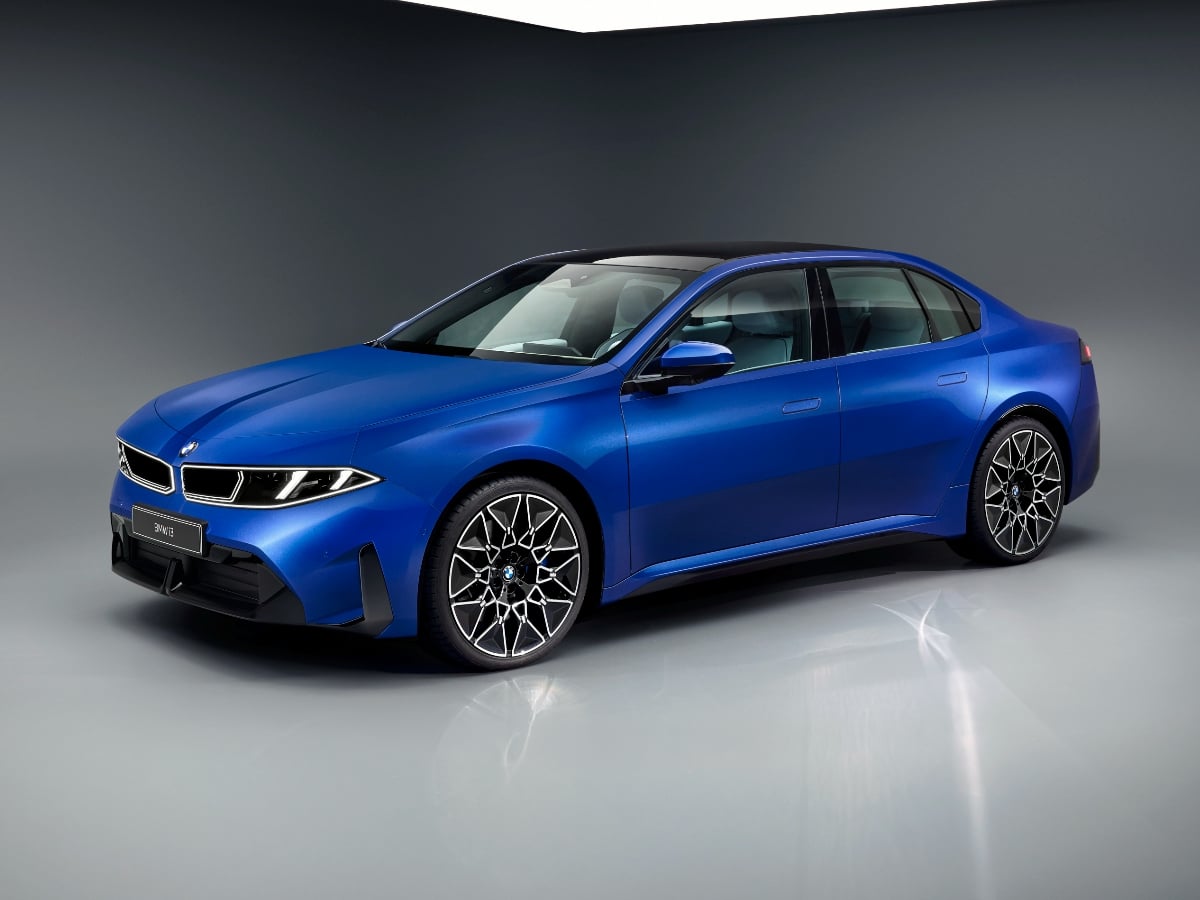
The new 2027 BMW i3 boasts an estimated range of up to 440 miles, 400-kilowatt DC fast charging capability, bidirectional charging to a home or the grid, and next-generation technology.
Read the Full Article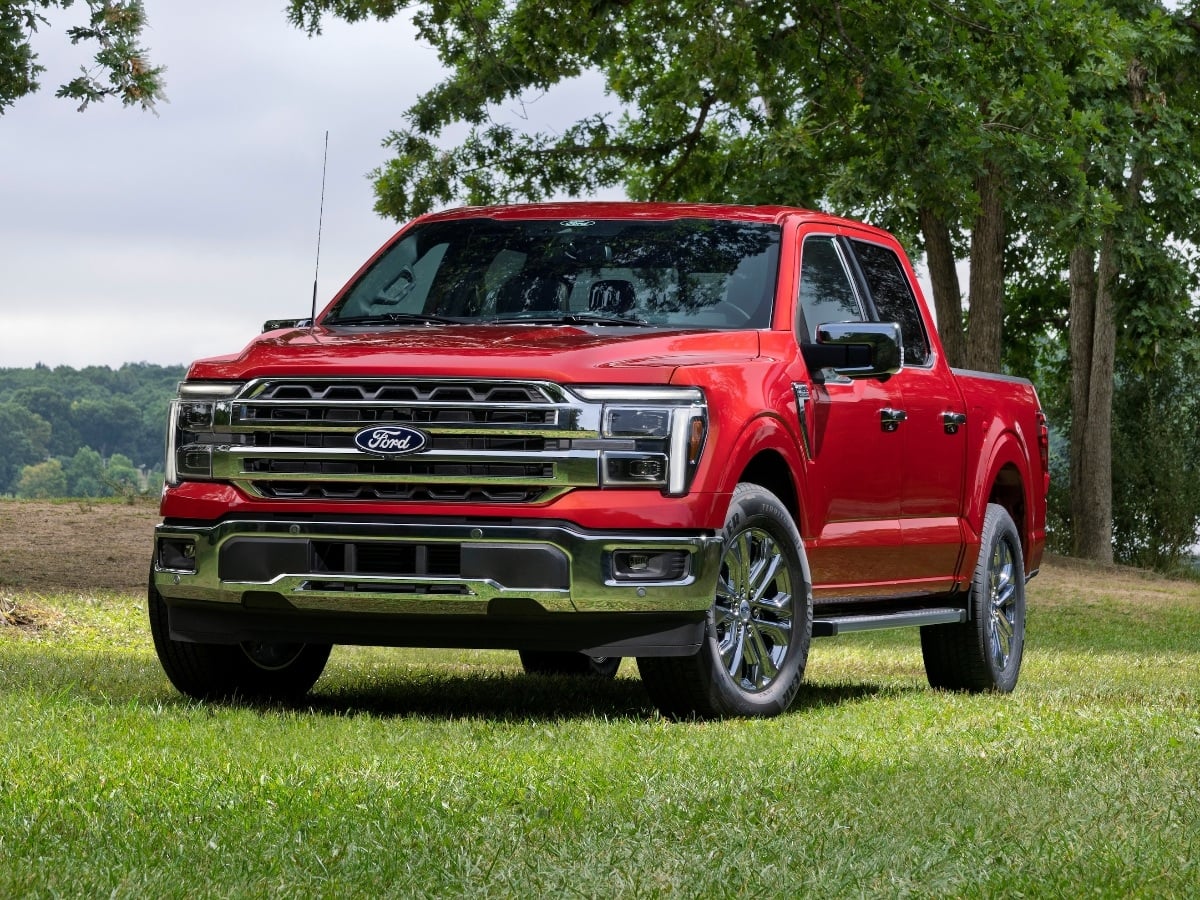
Facing renewed competition in the full-size, light duty pickup truck segment, the 2027 Ford F-150 receives subtle styling updates, a new standard engine, broader availability of its 5.0-liter V8, and ...See More
Read the Full Article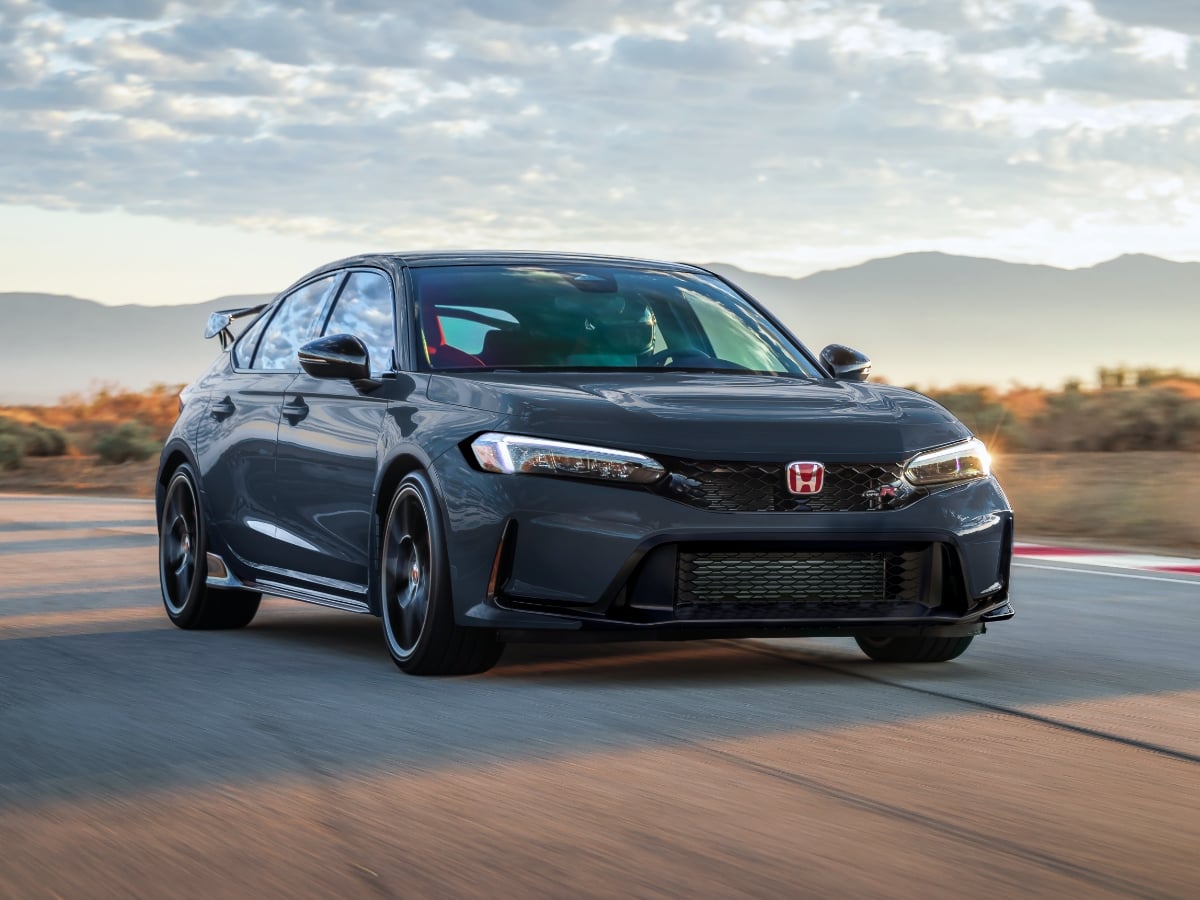
The 2027 Civic Type R goes on sale in October 2026, and it starts at $49,990, including the $1,295 destination charge.
Read the Full Article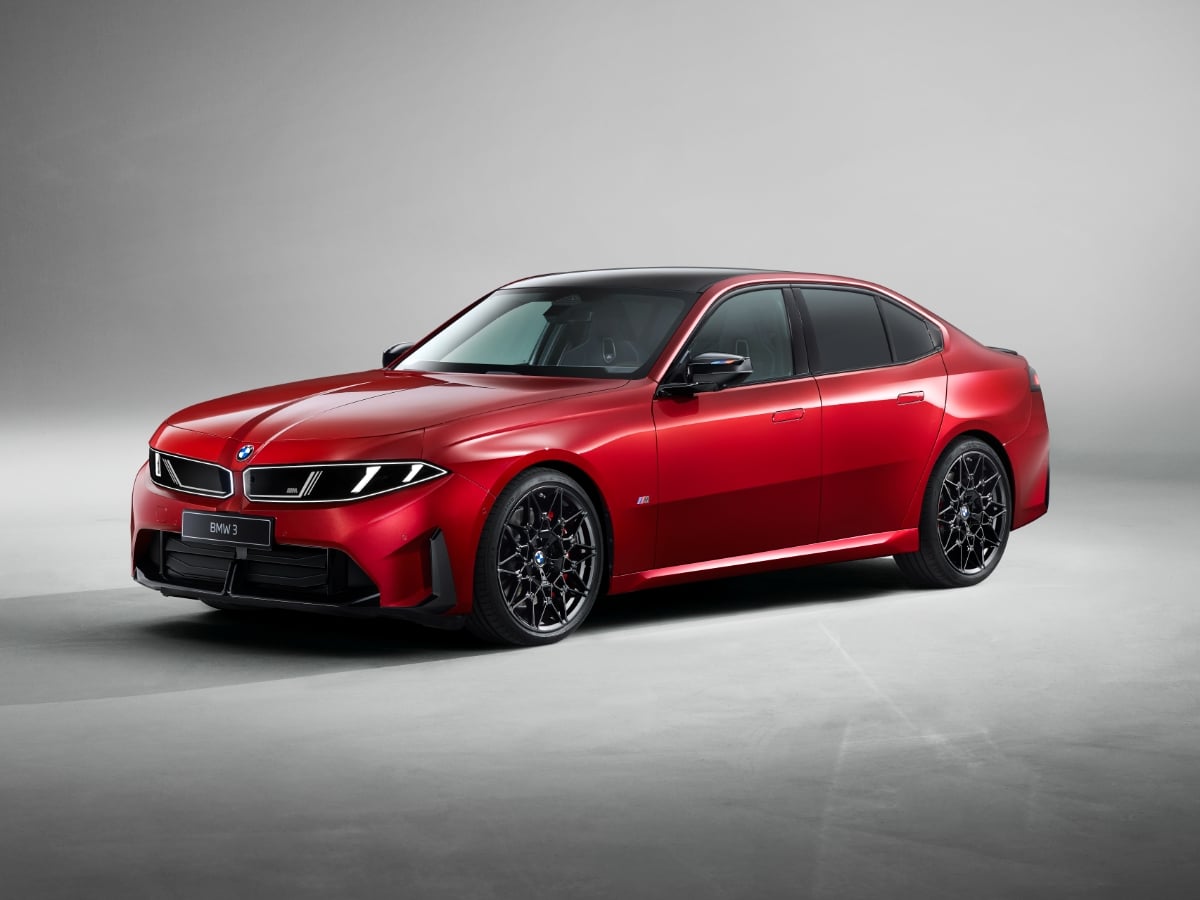
Part of BMW’s Neue Klasse (new class) rollout of redesigned models, the 2027 BMW 3 Series is all-new and goes on sale in the first quarter of 2027.
Read the Full Article