
In 1909, Model T Fords were painted with solvent-based varnish paint that had a relatively short service life. The paint was glossy, but it had such indistinguishable colors that greens, blues, and blacks all appeared the same color. When exposed to the weather and the environment, varnish paint quickly broke down and cracked, allowing rust and corrosion to set in.
In contrast, the paint used on late-model vehicles is vibrant, fade-resistant, and extremely corrosion-resistant. Today's vehicle finishes are also multi-layered, water-based, and refined with a durable clearcoat.

Modern automotive paint is a sophisticated blend of resins, binders, fillers, additives, and carrying agents (solvents or water). Some paint mixes offer high gloss, but at the expense of durability. Other paints are extremely durable, but lack the vibrant color of their glossy counterparts. Each manufacturer chooses a custom paint mixture for the vehicles they manufacture.
While the original Model Ts were painted entirely by hand, nearly every modern vehicle is painted using an automated process on a vehicle assembly line, which produces a consistent, high-quality paint job. Hand painting is still done today, but since it is very labor intensive, this type of painting is limited to only very expensive or limited-production vehicles.
At the factory, automotive paint is applied with an electrostatic process that uses an electrical current to precisely deposit paint on the metal. The process uses less paint and offers more uniform paint coverage. Manufacturers can use this process with high-tech water-based paints to yield a high-quality paint job that is environmentally friendly.
What are the different painting steps?
Putting a showroom finish on a vehicle is a multi-step process that involves detailed surface preparation, followed by several layers of paint. The process begins by degreasing the metal to remove contaminants left over from the manufacturing process. The metal is then treated and coated with zinc for superior corrosion resistance and better adhesion of the subsequent paint layers.
Primer is the first layer of paint. It is formulated to fill tiny scratches and imperfections in the body and give the subsequent color coats something to adhere to. Unlike the drab gray primer of yesteryear, manufacturers have begun to use colored primers to hide future damage from rock or stone chips.
The basecoat, or color layer, is next in the process. In the past, this was the final layer of paint, which was directly exposed to the environment. Over time, sunlight and environmental pollutants damaged the surface and eventually faded the color. However, in the 1980s, manufacturers began applying clearcoat paint over the final color layers. Clearcoat is a layer of paint without color pigment added-it is simply clear paint. The clearcoat adds high gloss while protecting the colored basecoat from scratching, chipping, and the effects of the environment.
Do I still have to wax my car?
Even though clearcoat paint finishes on today's vehicles are much more durable than the paint on vehicles just 20 years ago, it is a popular misconception that clearcoat finishes are maintenance-free. In truth, the paint must be cared for in a traditional manner, which includes frequent cleanings and waxing to preserve the finish.
Compared to the varnish paint on Model T Fords nearly a century ago, today's environmentally friendly clearcoat paint finishes are vastly superior in application, color, and durability. With simple care, a clearcoat paint finish can provide a new-vehicle shine for many years.


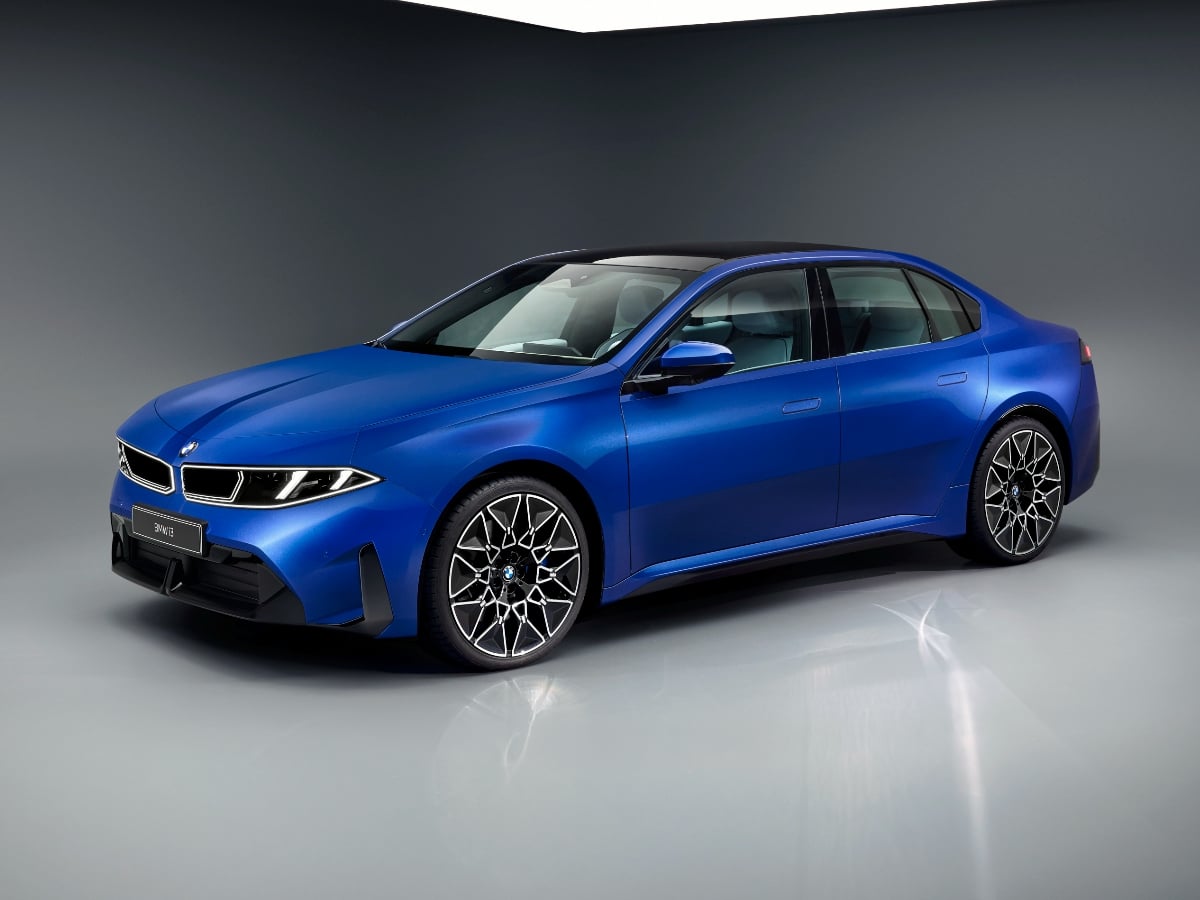
The new 2027 BMW i3 boasts an estimated range of up to 440 miles, 400-kilowatt DC fast charging capability, bidirectional charging to a home or the grid, and next-generation technology.
Read the Full Article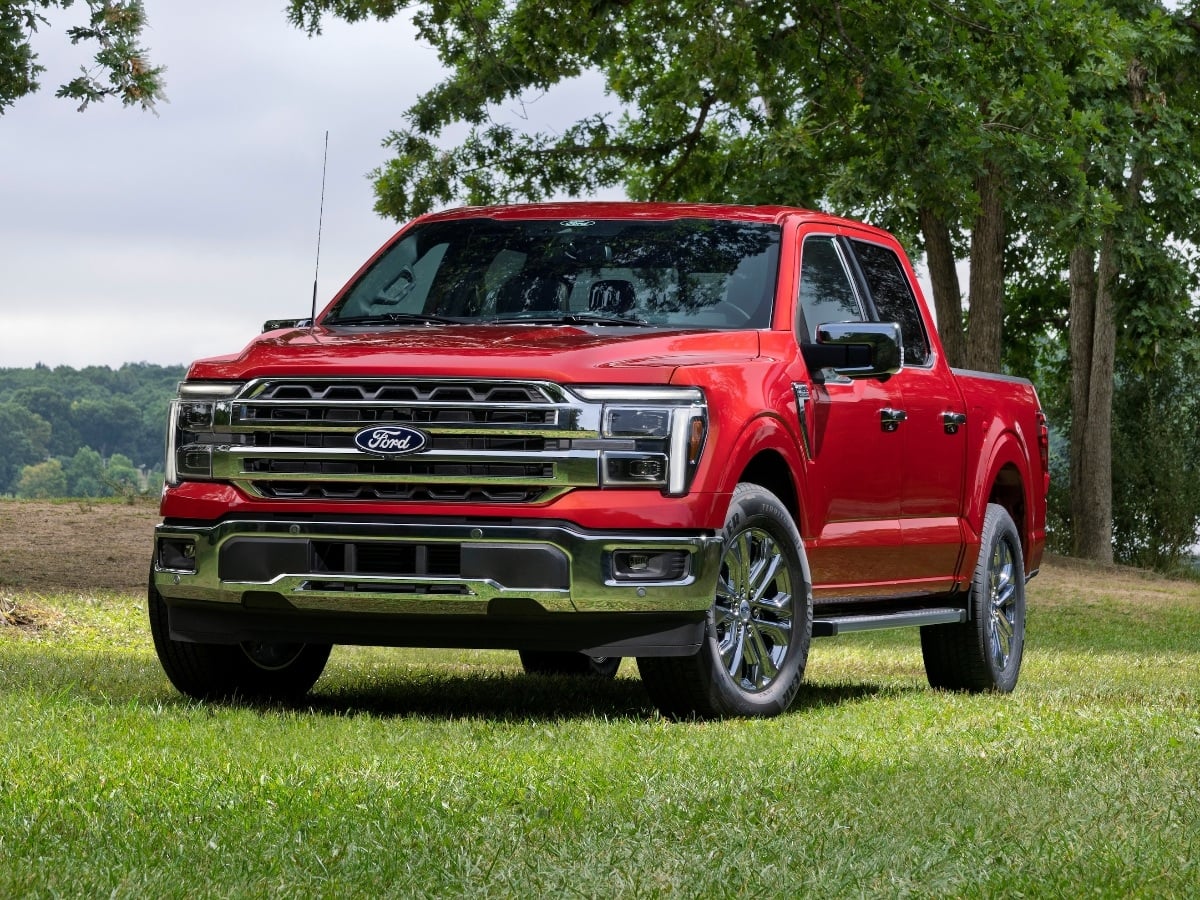
Facing renewed competition in the full-size, light duty pickup truck segment, the 2027 Ford F-150 receives subtle styling updates, a new standard engine, broader availability of its 5.0-liter V8, and ...See More
Read the Full Article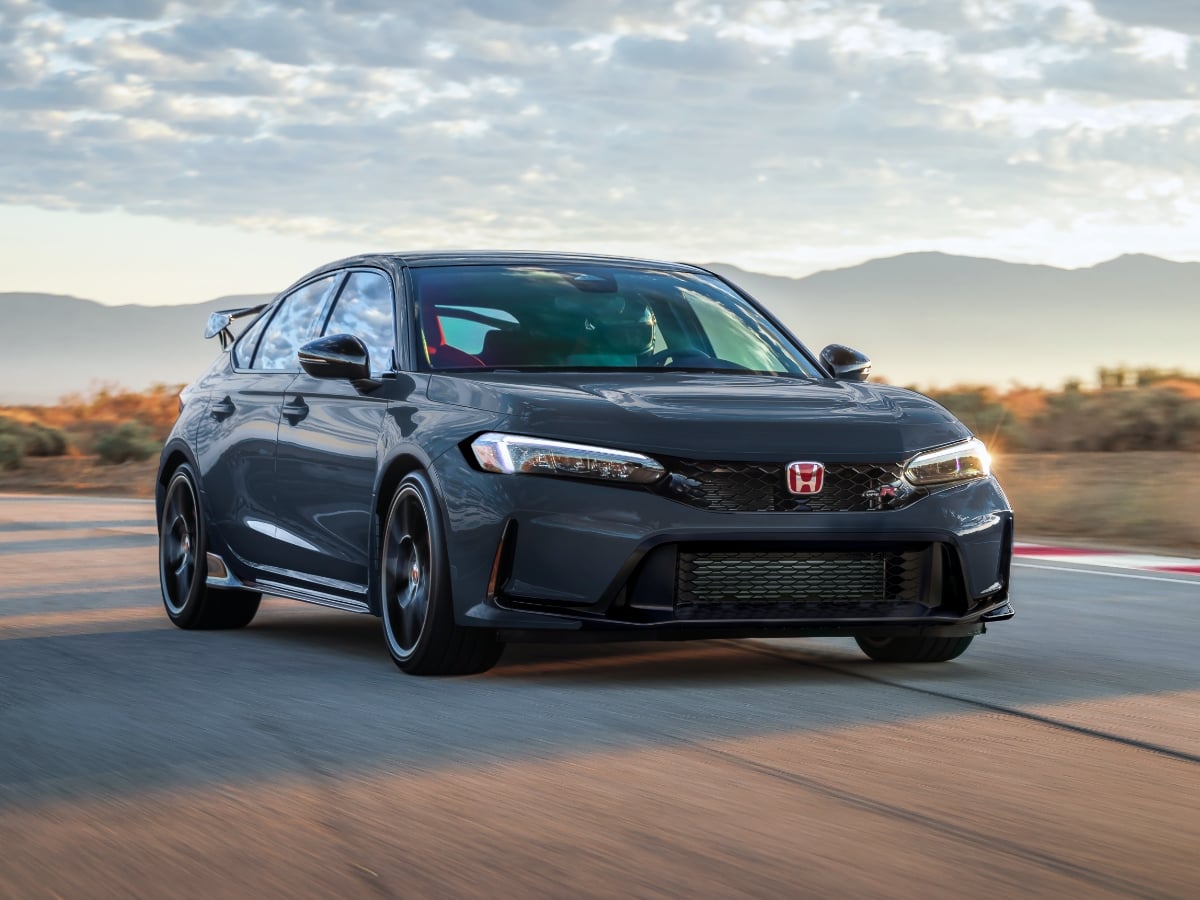
The 2027 Civic Type R goes on sale in October 2026, and it starts at $49,990, including the $1,295 destination charge.
Read the Full Article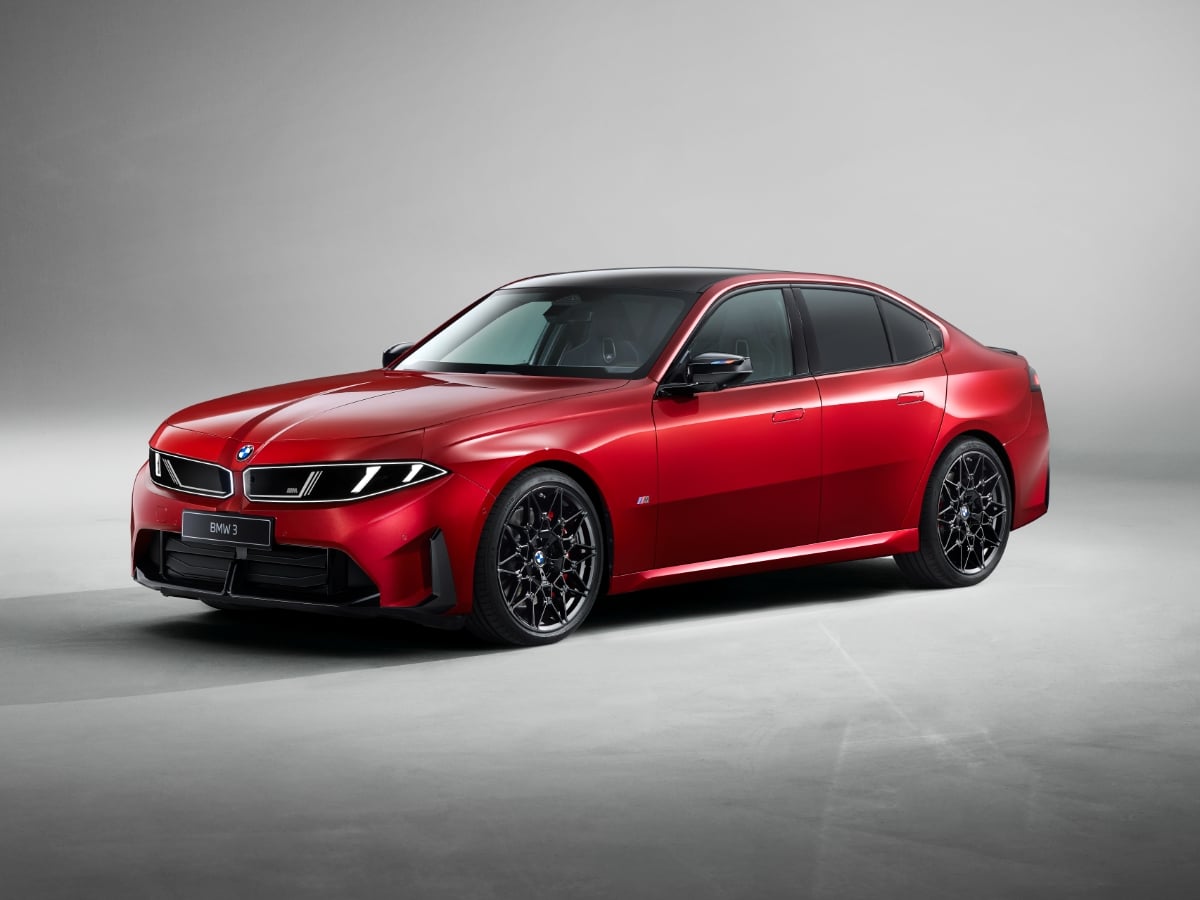
Part of BMW’s Neue Klasse (new class) rollout of redesigned models, the 2027 BMW 3 Series is all-new and goes on sale in the first quarter of 2027.
Read the Full Article