
Leasing and financing a car are similar in so many ways. One is that you pay something at the end of every month for the car you drive. Yet, both leasing and financing a car also have several differences, especially regarding the obligations in the contract.
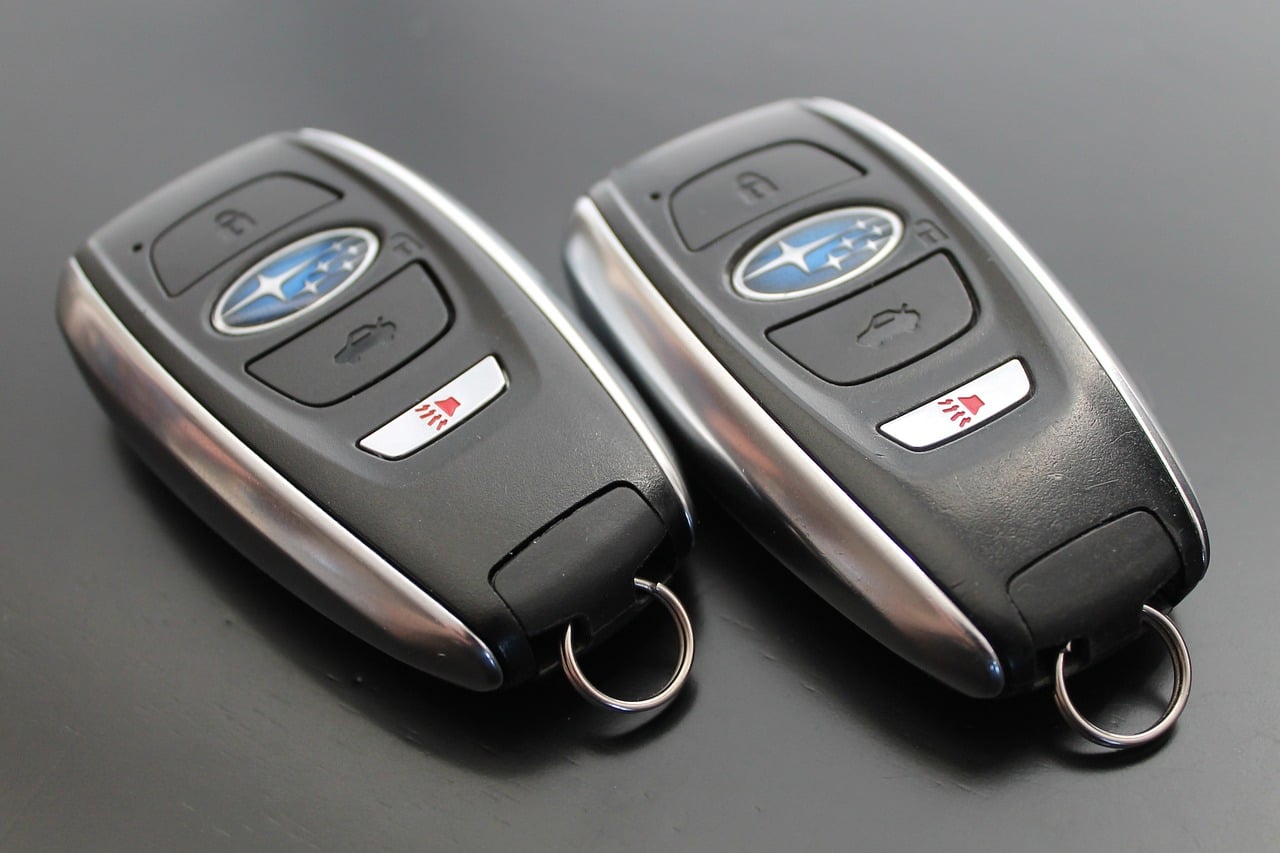
Should you finance a car or lease one? When it comes to acquiring a vehicle, most people make rash judgments. This article will look at the differences, benefits, and drawbacks of financing or leasing a car to help you make the best choice.
When you lease a car, you pay a monthly fee to use it for a set period. Usually, that would be 36 or 48 months. There are limitations on how far you can drive and whatever adjustments you can make.
You can return the car to the dealer at the end of your lease period or buy it for a fixed price as specified in the lease contract.
When you purchase a vehicle, you acquire ownership. If you purchase, whether, with a loan or cash, you own it once it has been paid for.
A vehicle is financed when it is purchased with an auto loan. Once the loan is fully repaid, you own the car after making the required monthly payments.
You can apply for and receive approval for an auto loan through your bank or the dealership to finance a vehicle. You can start by being pre-approved through your financing institution or by going to the dealership you've decided to work with and looking around for new and used cars.
The principle and interest will both be included in your payment. The car is yours to keep after your auto loan is fully repaid.
Customizations can be made to financed vehicles whenever you wish. Any modifications to the car may increase its worth when it is traded in or sold again.
You are not responsible for mileage or wear and tear charges, unlike those who lease a car. Since you are the owner, you can decide when to pay for maintenance and repairs.
You have total discretion over how you customize your car or make other modifications.
Obtaining a loan to buy a car usually involves a lower credit score than leasing.
In the first five years of ownership, the value of new vehicles might decrease by 15% to 25%. It is a downside if you view your vehicle as an investment.
Leasing is similar to renting a vehicle for a set period. You make monthly payments, and at the end of the term, you either return the vehicle and restart the process with a new car or purchase the vehicle.
Finding a new car that meets your needs at the dealership you've decided to work with is the first step in leasing a car. You'll be given a list of possible leasing choices, most of which will restrict the number of miles you may drive, how long the lease will last, how much you'll have to pay each month, and any other costs like down payments or extra fees. A dealership credit application must be submitted and approved before you proceed. You'll be required to sign a lease agreement that has been supplied to you.
Leasing often has lower monthly costs than financing. When you lease a vehicle, you are not paying for the entire vehicle, but only the value you use up during the time you have it. Depreciation is the term for the loss in value of your car. You are paying for depreciation when you lease a car.
Customization of leased cars is still possible. If the vehicle is returned at the end of the lease, any money invested in customizing will be lost.
The financial burden of monthly expenses may be partially lessened with a lease. Compared to purchasing, there is often a lower down payment required. As a result, some people choose to drive more expensive cars than they otherwise could afford.
You can return a leased car and get a brand-new vehicle when the lease expires Every few years, leasing will also provide you with the latest advancements in vehicle technology.
A warranty that lasts at least three years is offered on many new vehicles. Therefore, if you sign a three-year lease, the majority of repairs may be paid for. Leasing agreements can minimize some significant and unexpected costs.
A lease could provide you with greater tax benefits than a loan if you use your vehicle for business reasons. This is because the Internal Revenue Service (IRS) permits you to deduct the financing charges and depreciation included in each monthly payment.
You may be limited in how much and how far you may drive by the terms of a lease. Drivers who want to modify their cars should also be aware that there can be expenses involved. They may pay additional charges at the end of the lease as a result of having to undo any modifications they make.
You cannot sell or trade in the vehicle to lessen the cost of your next vehicle. Because you'll begin a new lease when your current one ends, you'll always have monthly payments and an ongoing lack of control over some parts of a car.
Financing or leasing a car is entirely up to the customer. Financing is the best solution if you intend to modify or own the vehicle.
If you want a reduced monthly payment or to be able to upgrade to a new car, leasing is the ideal solution for you.
Whether you finance or lease a car, you must evaluate the alternatives listed above to avoid making the wrong decision.



The new 2027 BMW i3 boasts an estimated range of up to 440 miles, 400-kilowatt DC fast charging capability, bidirectional charging to a home or the grid, and next-generation technology.
Read the Full Article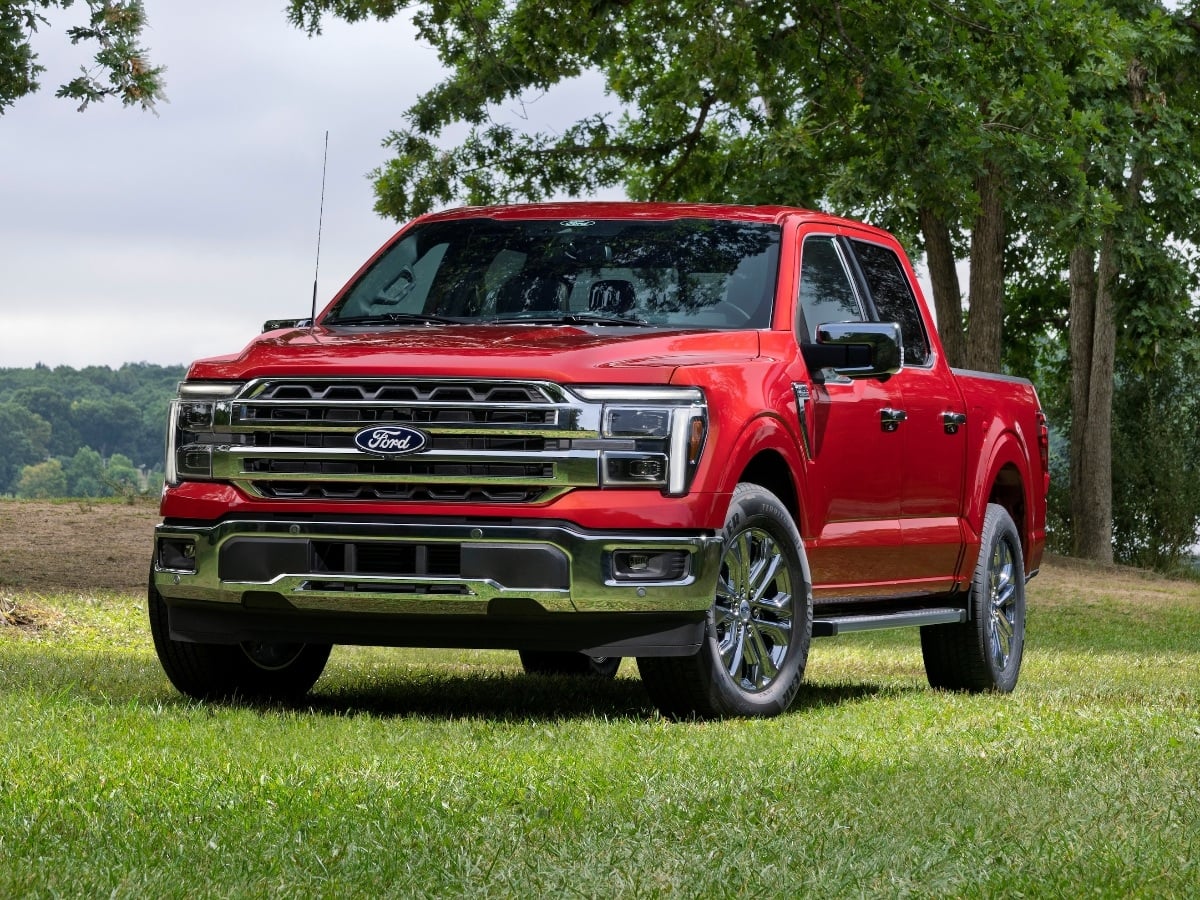
Facing renewed competition in the full-size, light duty pickup truck segment, the 2027 Ford F-150 receives subtle styling updates, a new standard engine, broader availability of its 5.0-liter V8, and ...See More
Read the Full Article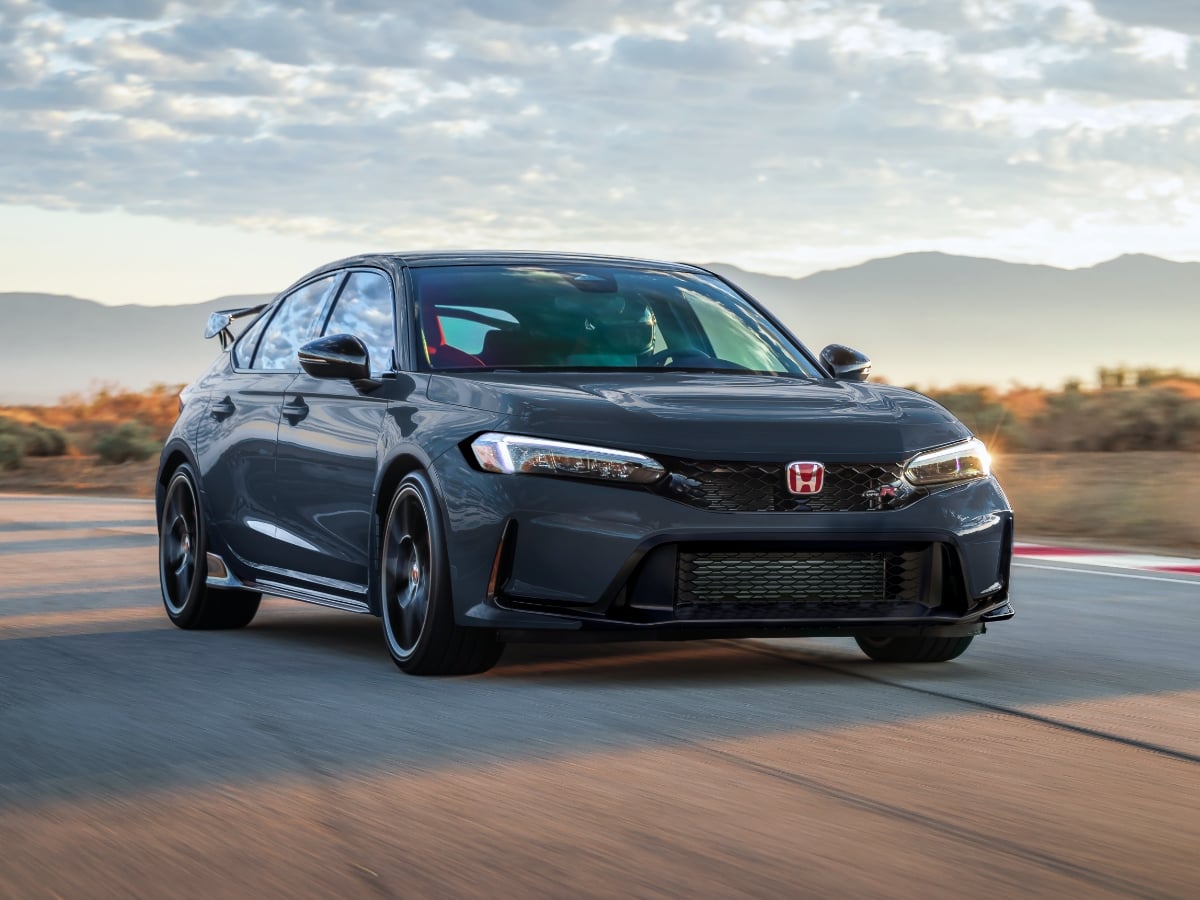
The 2027 Civic Type R goes on sale in October 2026, and it starts at $49,990, including the $1,295 destination charge.
Read the Full Article
Part of BMW’s Neue Klasse (new class) rollout of redesigned models, the 2027 BMW 3 Series is all-new and goes on sale in the first quarter of 2027.
Read the Full Article