
Nearly every person who owns a car has had to take out a loan to finance their purchase at one point or another. After all, most people don’t have the finances to buy their vehicles outright. But what if you find yourself in the position where you are financing a car and can no longer afford to keep paying the loan? What if you want to refinance your current loan for a new agreement with better monthly payments?

These are just some of the many situations where you may want to consider transferring a car loan. But how do you go about doing so? Let’s discuss the proper steps to legally transfer your car loan and detail the process, so you know exactly what it entails.
In certain situations, your ability to transfer your car loan to another person, or transfer your loan’s balance to another loan agreement, is dependent upon the original contract and several other factors.
For instance, car loan transfers often require the person receiving the loan to have acceptable credit. This credit score requirement can sometimes exceed that of the initial loan, in part because the loan itself is being transferred.
However, in most circumstances, you can transfer a car loan under the right conditions by following the correct steps.
Whether it be unforeseen circumstances in your personal life or an economic setback, car loans can become significant financial burdens. While it may not always be your primary choice, there may be a situation that presents itself where transferring a car loan is in your best interest. Here are a few examples:
Presuming that your contract details don’t prevent you from transferring the loan flat out, you should be able to make the transfer by following a few basic steps.
The first thing you should do is take a good look at your contract and note any caveats or terms and conditions that need further consideration. For instance, some loans may charge you exorbitant fees if you try to transfer the loan from yourself to another person or if you try to refinance.
You’ll also need to look closely at the contract details to determine how much money you have left to pay on the loan. This includes your loan requirements in terms of credit score, income level, and other contributing factors that may affect specific terms and restrictions of transferring a loan.
If everything looks good and meets the proper criteria, and the future loan holder is still in agreement, you can move on to the next step.
At this point, the new loan holder has to apply individually for the loan. If it’s you, it’s essential that you know you can’t just transfer the loan to yourself from yourself.
If the loan holder is applying to your same lending institution, they’ll need to fill out a new application with the same terms and conditions of your current loan agreement. In some instances, your lender may require them to cosign on your loan rather than giving them total control over the loan.
If you’re refinancing your car through a new loan, you’ll also need to apply for that loan with your new lender. In other words, whoever is taking responsibility for the loan balance must be approved before any further considerations.
Once you or your transfer partner have been approved for the loan, you must then modify the vehicle’s title. The title describes the car’s ultimate owner, reflecting the new owner and the current loan holder.
To modify the title, you and the transfer partner (if applicable) must visit your local DMV office. Bring valid IDs and a bill of sale that transcribes the transfer’s conditions, monetary payments, and any other necessary information, and the DMV will have you fill out a form to enact a legal title transfer.
If the new loan holder and title owner don’t have car insurance, they'll need to get some ASAP to be on the road legally.
As you can see, it’s very possible to transfer a car loan, though certain conditions and contingencies may apply. Transferring loans must be executed legitimately and with a concrete paper trail to be exempt from any tax-related misunderstandings or complications from a lack of proper documentation.


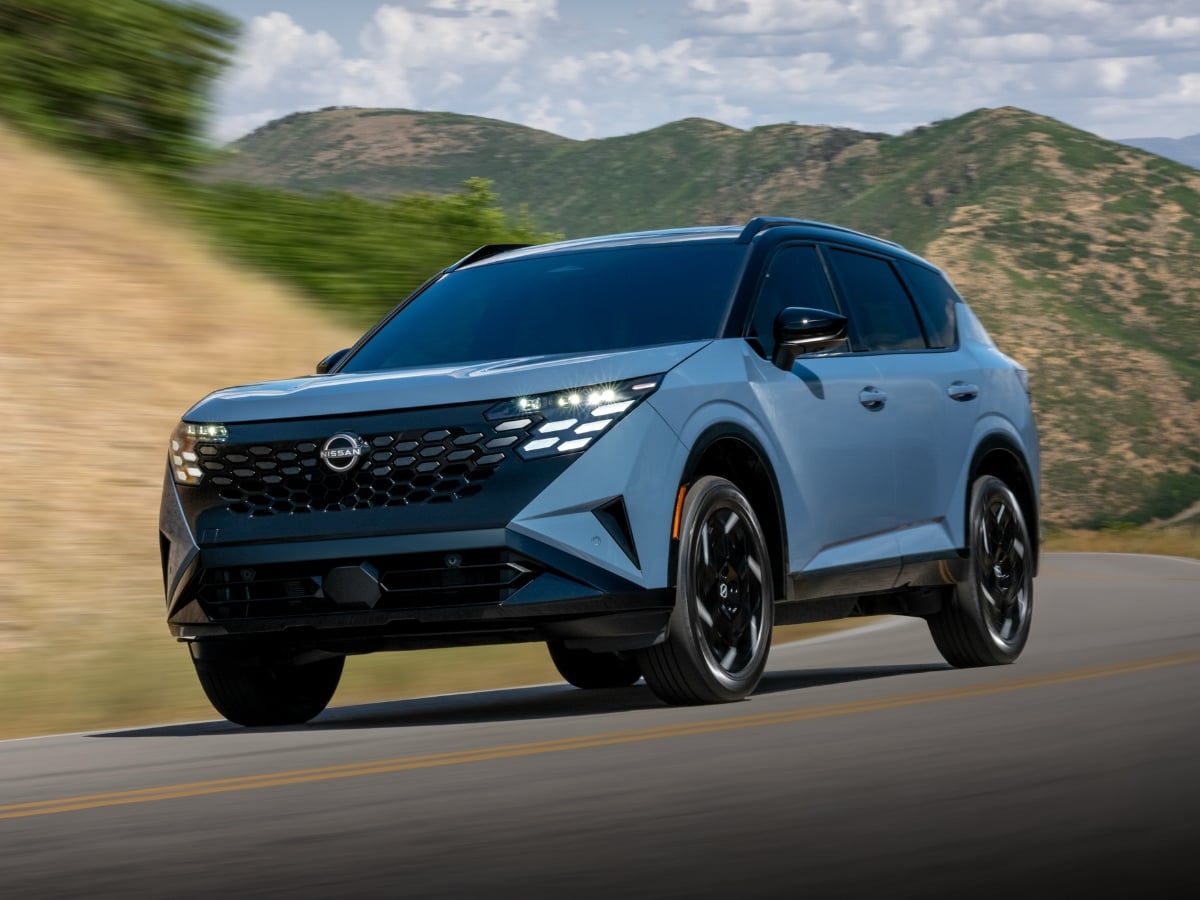
Nissan is about to introduce an innovative new SUV. The 2027 Nissan Rogue Hybrid has a gasoline engine, but it does not power the wheels. Instead, electric motors at each axle provide propulsion, ...See More
Read the Full Article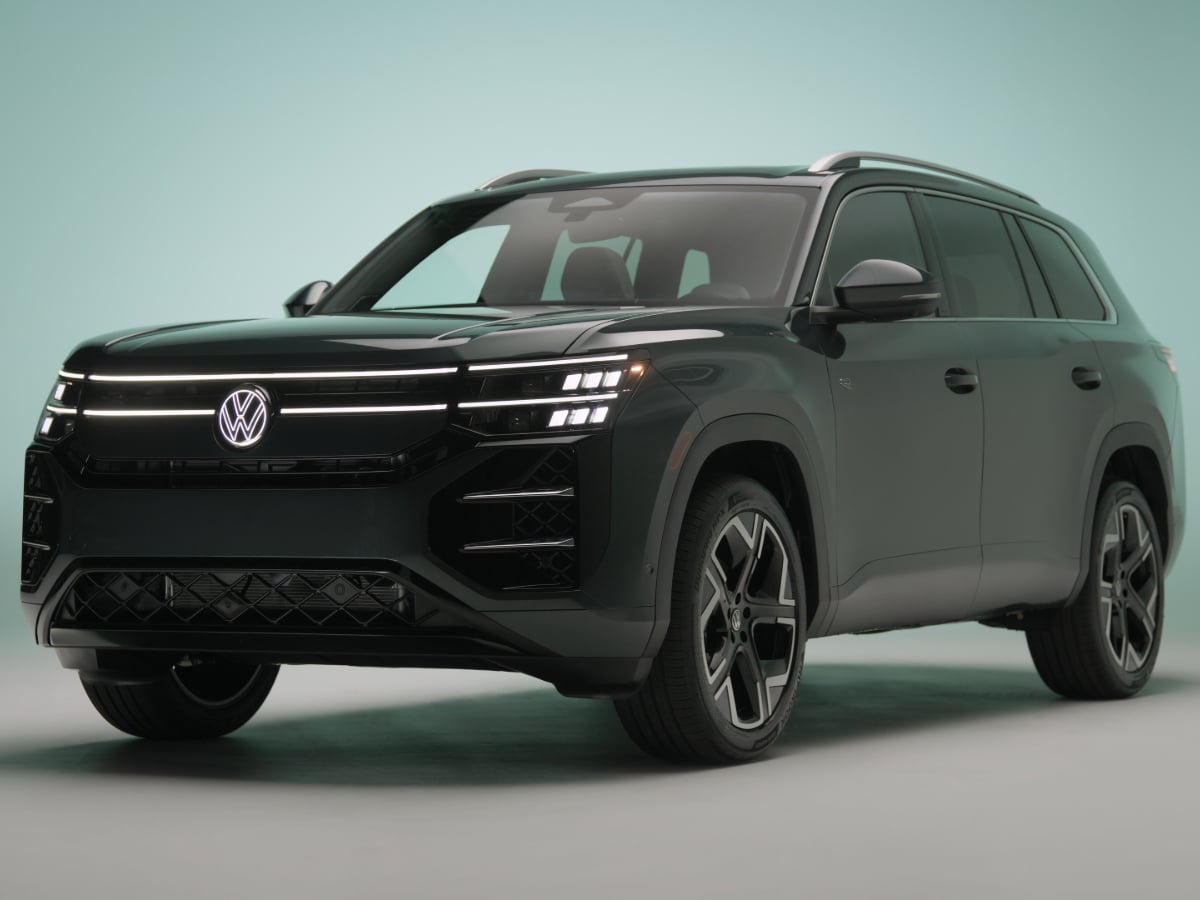
Adding European flair to the otherwise vanilla midsize three-row family SUV market, the redesigned 2027 Volkswagen Atlas debuts with a sharper exterior, an upgraded cabin, more power, and new ...See More
Read the Full Article
Though the styling stays largely the same, a massive boost in electric range for the plug-in hybrid (PHEV), plus a refined design, helps the 2028 Volvo XC60 stay current and desirable.
Read the Full Article
With the 2027 Lexus TZ, Toyota Motor’s luxury division introduces its first three-row all-electric SUV, featuring a lounge-inspired interior, an enhanced all-wheel drive (AWD) system, and up to 300 ...See More
Read the Full Article