
Most experts agree that it's far better to tow a car with a tow truck or pickup/trailer combo than with another car, but not everyone has access to that sort of heavy equipment. Perhaps you are in a remote location, your AAA membership has lapsed, or you can't afford a tow truck. Sometimes you must improvise, and you may ask yourself: Can I tow a car with my car?

So, let’s discuss how to determine if towing is possible, towing capacity, trailer hitch classes, methods for towing a car with another car, driving tips when towing, and what can go wrong when towing rules are not correctly followed.
To determine if you can tow another vehicle with your car, you need to do some basic research. You need to know the towing capacity of your vehicle, if your vehicle has a tow hitch installed, if the car you are towing has 2-wheel (2WD) or 4-wheel drive (4WD), and if the vehicle being towed has an automatic or manual transmission. And, if your vehicle has 2WD, is it front-wheel drive (FWD) or rear-wheel drive (RWD)? If in doubt on any of these, check the owner's manual.
Before we get into the details of towing a car with your car, a few simple guidelines are worth reviewing:
Before exploring methods for towing, you must know your towing capacity, which is the maximum weight you can pull behind your vehicle. You should never tow more than this number, and some recommend staying 10% to 20% under the maximum capacity when towing to be on the safe side.
Your vehicle’s towing capacity is in your owner’s manual and online. Drivers should be wary that the same model may have different powertrain and equipment options resulting in different towing capacities. For instance, the Nissan Pathfinder SL 4WD tows 3,500 pounds while the Nissan Pathfinder Rock Creek 4WD tows 6,000 pounds. Some drivers might google “2024 Nissan Pathfinder towing capacity”, see 6,000 pounds, and assume they can tow that weight. However, if they have the SL instead of the Rock Creek trim level, they won’t be able to.
This circumstance of 6,000 pounds versus 3,500 pounds is likely the difference between being able to tow another vehicle or not. Thus, you must be certain of your car’s capacity before towing.
Beyond your vehicle’s towing capacity, the type of hitch impacts how much you can tow. Trailer hitches come in five classes based on their tow rating. The first is a Class I hitch, which can tow up to 2,000 pounds, making it not strong enough to pull another vehicle. With a Class II hitch (tows up to 3,500 pounds), you may be able to pull a very small vehicle. However, you likely require at least a Class III (up to 5,000 pounds) or Class IV trailer hitch (up to 10,000 pounds) to pull another vehicle.
In addition to understanding your towing and trailer hitch capacity, you need to know the curb weight of the vehicle you are towing. This is typically found in the driver’s door jamb of the vehicle. To get a general understanding of modern vehicle weight, a subcompact Nissan Versa weighs 2,651 pounds, a midsize Toyota Camry sedan weights 3,310, a compact Toyota RAV4 SUV weighs 3,490 pounds, and a 3-row Toyota Highlander SUV weighs 4,595 pounds.
After you know how much your car can tow, what your hitch is rated to tow, and the weight of the vehicle you are towing, you can explore the different methods of towing a car with another car.
Generally speaking, towing a car with a tow rope or chain should be a last resort and should only be done for very short distances at low speeds on local roads—not highways.
If you opt for this method, it's essential to know how to tow a car with a chain or rope. Don't use just any old rope or chain that may be lying around. Thin or frayed ropes and rusty or cracked chains can easily snap under the stresses of towing, creating a potentially dangerous situation.
Ensure the rope or chain isn't too short or long, as this can also cause problems. Also, when towing with a chain or rope, don't stop quickly as the car being towed will likely be in neutral, have no active brakes, and can slam into the tow vehicle, potentially causing damage to both cars.
A popular method for towing a car with another car is to use a tow dolly, which is essentially a small trailer. Using a tow dolly keeps the towed vehicle's front tires up off the ground, which helps to reduce both tire and driveline wear on the car being towed. One of the benefits of a tow dolly is that it eliminates "pushing" (discussed below) of the rear vehicle when braking. Tow dollies are lightweight, and you can rent one at many moving and storage facilities.
Another option for car-to-car towing is a tow bar, and you can rent one if you don't already have one. Typically, tow bars have an A-frame design and mount to the towed vehicle. The tow bar attaches to the tow vehicle via the rear-mounted hitch.
Note that safety chains are required when using a tow bar. Also, use caution when simultaneously braking and turning, as tow bars are prone to pushing, which is when the rear vehicle's momentum pushes the back end of the towing car to the outside of the turn.
A car-hauling trailer, either open or enclosed, is the best and safest option for towing a car with another car. With a car hauler, all four wheels of the towed vehicle sit on the trailer. Simply drive the car up onto the trailer and secure it with straps and/or chains.
You'll need to use a truck as your tow vehicle for this method because the combined weight of the towed vehicle and trailer will exceed the tow rating of virtually any passenger car, as well as many SUVs.
As mentioned above, it's important to know if the vehicle you are towing has 2WD or 4WD. If the vehicle is 2WD, you need to know if the front or rear wheels provide the power.
If the towed vehicle is FWD, use a tow dolly for the best results. This saves wear and tear on the driveline components. If the towed vehicle has RWD, you need to disengage the driveshaft, either via a switch (if equipped) or manually. Once that is done, depending on the transmission type, you either need to put the towed vehicle in neutral and release the parking brake (for manual transmission) or unlock the drive axle (automatic transmission).
Refer to the owner's manual for instructions on these procedures if you are unsure.
A popular choice among the RV crowd is flat-towing a 4WD vehicle. But you don't have to own an RV to tow a 4WD vehicle. It can be done with a regular car if the tow rating allows.
Depending on the type of transmission in the towed vehicle, the flat-towing procedure is slightly different. For a towed 4WD vehicle with a manual transmission, you need to properly disengage the transfer case and lockout hubs and transmission. You'll likely need to reference the owner's manual for this operation.
For a towed 4WD car with an automatic transmission, you need a driveshaft coupler to disengage the rear driveshaft. Again, check your owner's manual for detailed instructions.
The rules for driving while towing another car are similar to those for driving a semi-truck. Keep the following tips in mind when towing a car with another car:
Finally, before you use your car to tow another vehicle, check the owner's manual for both vehicles. Towing a vehicle improperly can damage the driveline of the towed vehicle and void the warranty. Replacing driveline parts can be extremely expensive so you should avoid this at all costs.
You can tow a car with another car. However, you must carefully research the specifications of your vehicle, the trailer hitch, and the vehicle being towed before proceeding. Consider the towing methods and tips provided and proceed with caution.


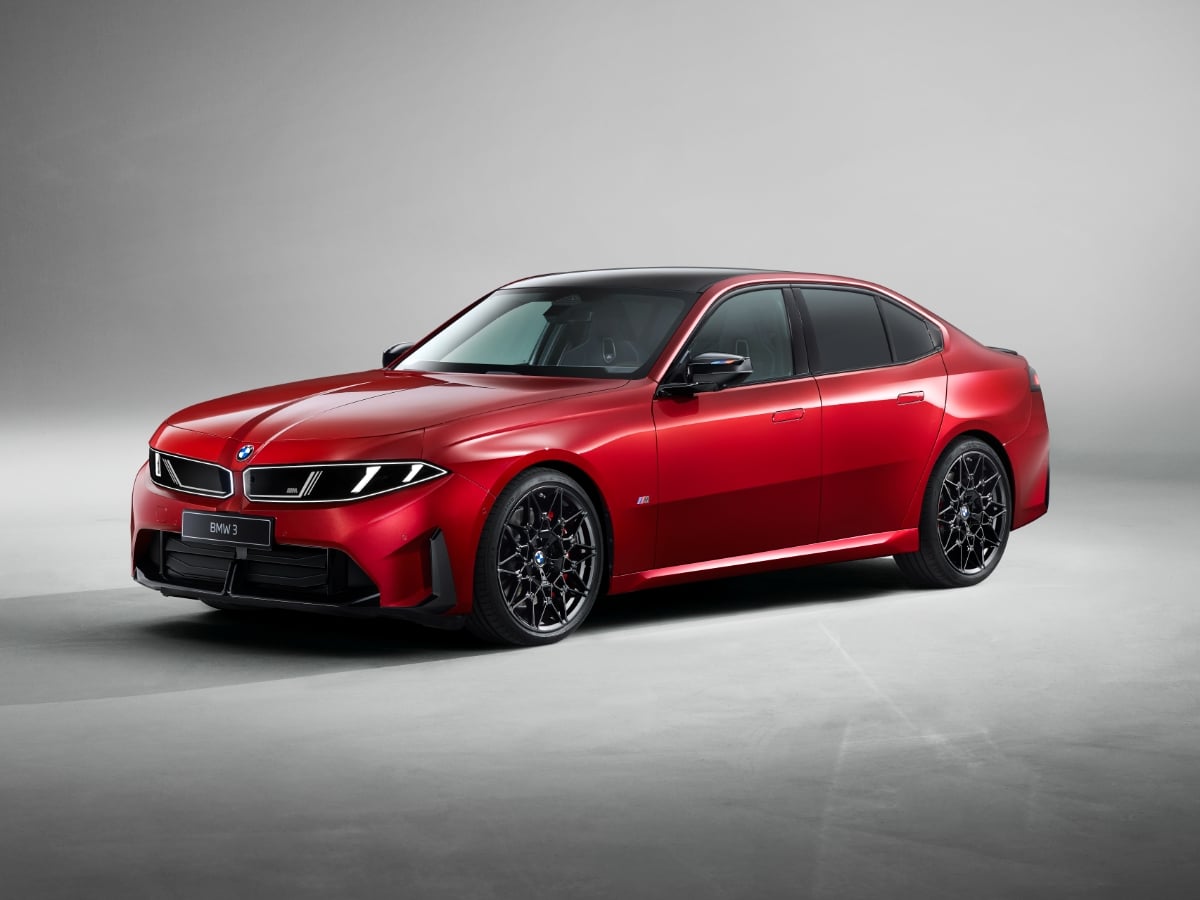
Part of BMW’s Neue Klasse (new class) rollout of redesigned models, the 2027 BMW 3 Series is all-new and goes on sale in the first quarter of 2027.
Read the Full Article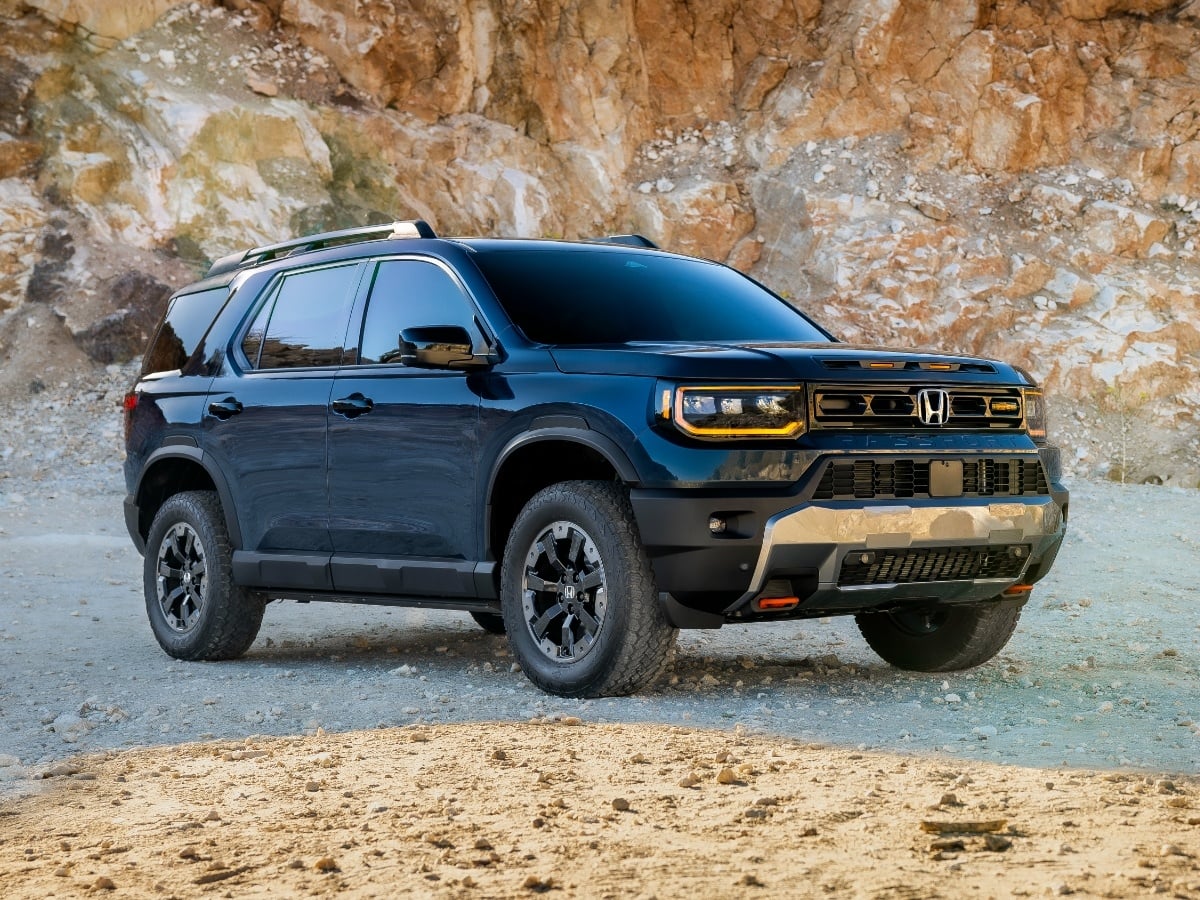
Updates to the 2027 Honda Passport TrailSport include a reworked suspension, improved steering, subtle styling enhancements, and added standard equipment.
Read the Full Article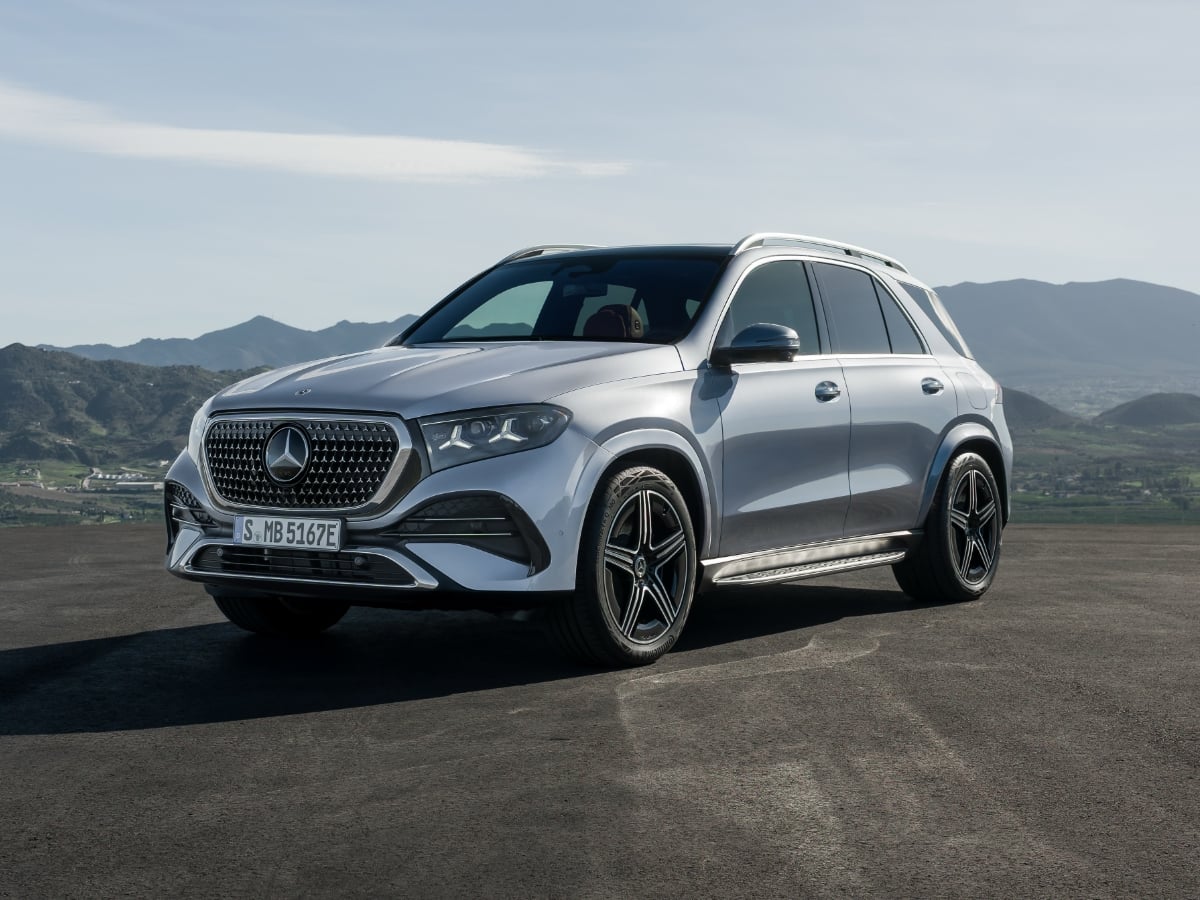
The midsize 2027 Mercedes GLE remains available in original and spicy Coupe recipes, now with standard 4Matic all-wheel drive (AWD), MBUX Superscreen technology, and a panoramic glass sunroof for ...See More
Read the Full Article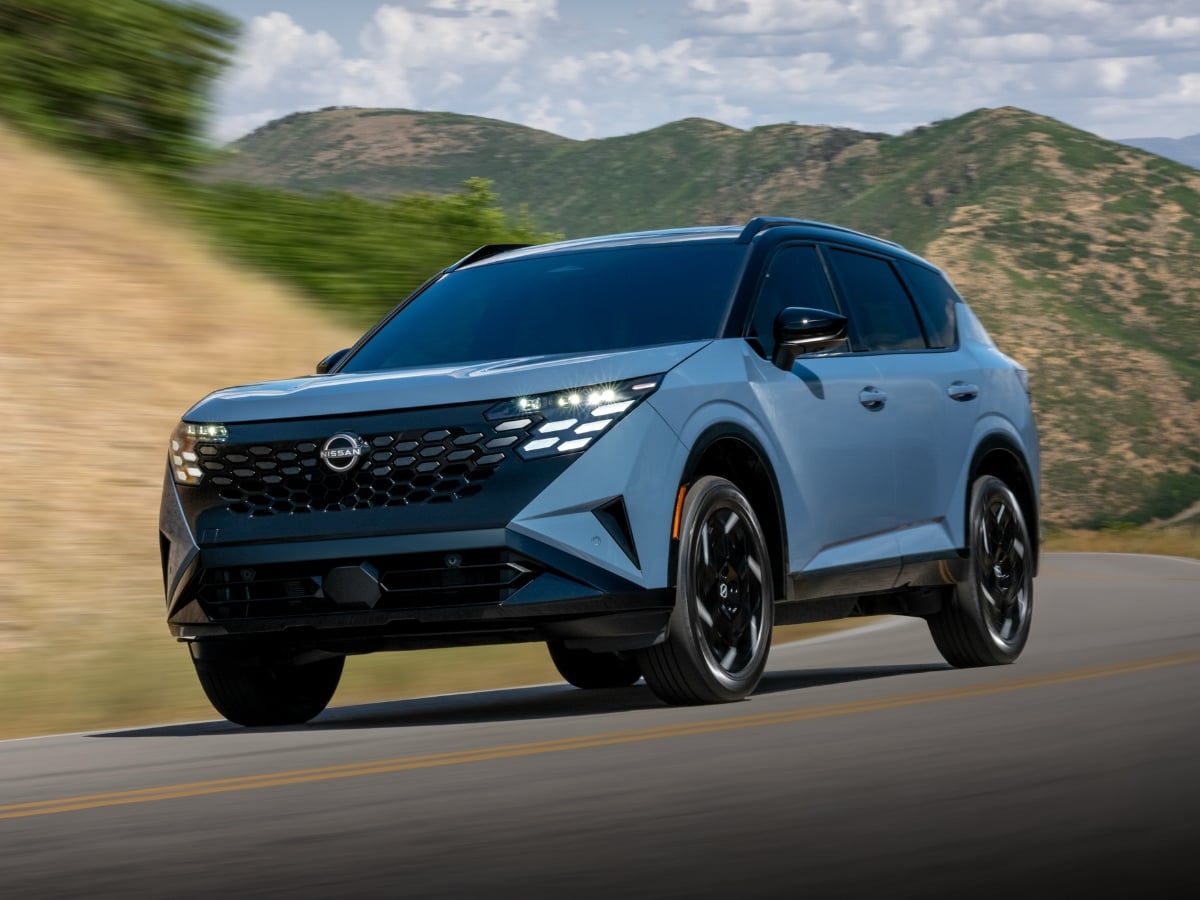
Nissan is about to introduce an innovative new SUV. The 2027 Nissan Rogue Hybrid has a gasoline engine, but it does not power the wheels. Instead, electric motors at each axle provide propulsion, ...See More
Read the Full Article