
All audio systems, including those installed in , SUVs, and trucks are engineered to handle specific ranges of sound frequencies. These range differences explain why some speakers have slightly different sound qualities.
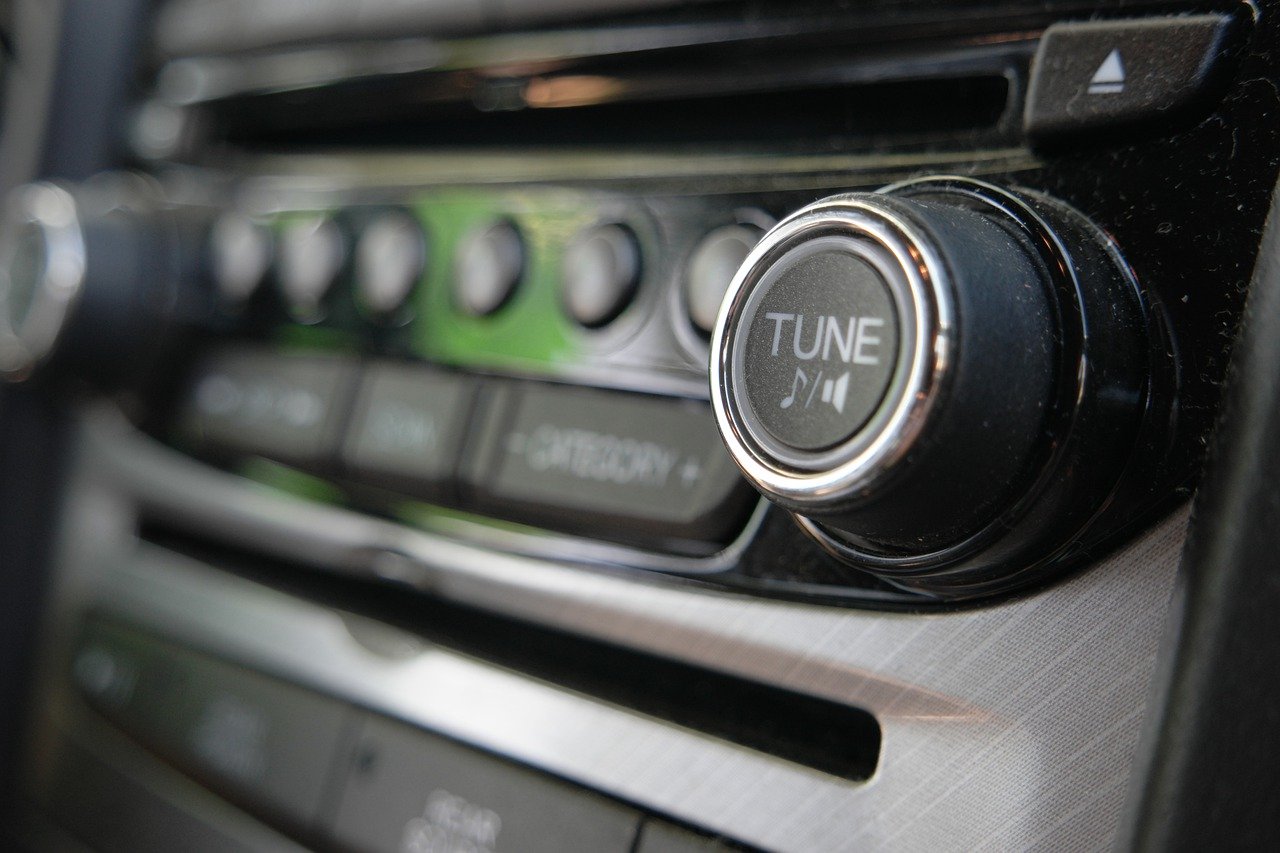
Most car stereo systems use specialized speakers for sounds of various frequencies to maximize audio quality and clarity. For example, woofers are built for bass tones, whereas tweeters play high-treble sounds.
The crossover frequency is the specific point that tells the system how sound is divided and which speakers should play what parts of the audio range. Knowing how to set a car audio system’s crossover is necessary to get the best audio quality and prevent speakers from wearing out.
An audio crossover is an electronic device in a sound system. Its purpose is to receive a single audio signal (input signal) and split it into multiples (the output signals). Each output signal is separated by frequency bands, such as low-, mid-, and high-frequency sounds.
In a car’s audio system, the crossover splits input, such as from a radio or a phone’s media player, into outputs of different frequencies. Then, the crossover sends each output to the corresponding speakers: low to woofers, high to tweeters, and medium to midranges.
More advanced automotive sound systems may feature more speaker types and split the audio into more corresponding bands to achieve an even finer audio quality. For example, a subwoofer is a type of woofer specializing in very low-frequency ranges (1 - 150 Hz).
When playing music, radio shows, podcasts, or any other audio source, most car audio systems use three types of speakers to produce sounds.
Without the crossover, all speakers play the unprocessed audio signal, including the frequencies they are not designed for. For instance, a woofer trying to play medium or high-frequency sounds may produce a muffled or distorted sound, degrading the overall sound quality.
Repeatedly playing distorted sounds also accelerates a speaker’s wear and tear. The crossover prevents the speakers from damage, prolonging the system’s lifespan.
A crossover frequency is a specific hertz value at which an input audio signal will be split and filtered. For example, if a crossover filter is set to 80 Hz, it will split the signal at the 80 Hz point into two bands; all frequencies above 80 Hz are sent to one speaker, while all frequencies at or below 80 Hz are either filtered out or sent to another speaker.
Audio crossovers usually have one less crossover frequency than the number of speakers in the systems.
For instance, when an automotive sound system has tweeters, midrange speakers, and woofers, it must split the signal twice to create three outputs. This means it needs two crossover filters called low-pass and high-pass.
A low-pass filter (LPF) filters out high frequencies, only allowing low ones. A high-pass filter (HPF) does the opposite, filtering out low frequencies while only allowing high ones.
Some sound systems use a band-pass filter (BPF), which filters out both low and high frequencies, only letting mid-range ones through. The BPF typically redirects sound to the mid-range speakers.
Finding the correct crossover frequencies maximizes audio quality and preserves the lifespan of each speaker in the system.
The controls to adjust frequencies on an automotive audio system are in the head unit. However, some systems may be controlled using a mobile app or amplifier.
Regardless of the sound system’s make and model, the basic process of tuning the crossover frequencies is similar. Below are the steps to follow on a system with a head unit:
| Audio Issue | Troubleshooting Tip |
|---|---|
| Decrease the LPF |
| Increase the LPF slightly |
| Decrease the LPF or extend the BPF on the lower end |
| Increase the HPF |
| Decrease the HPF |
Each car audio system has its own configuration of speakers and frequency ranges. Understanding crossovers and crossover frequencies is necessary to find the ideal high- and low-pass filters and optimize the audio quality.
Corentin’s passion for the automotive world started when he was just seven years old, during a life-changing visit to an auto museum. Now a seasoned writer, Corentin channels that early fascination into every piece he writes, whether he’s exploring the latest car trends or automotive history. But his expertise doesn't end there—he also brings his insights to topics like home improvement, the boating and yachting industry, personal finance tips, and cutting-edge tech.


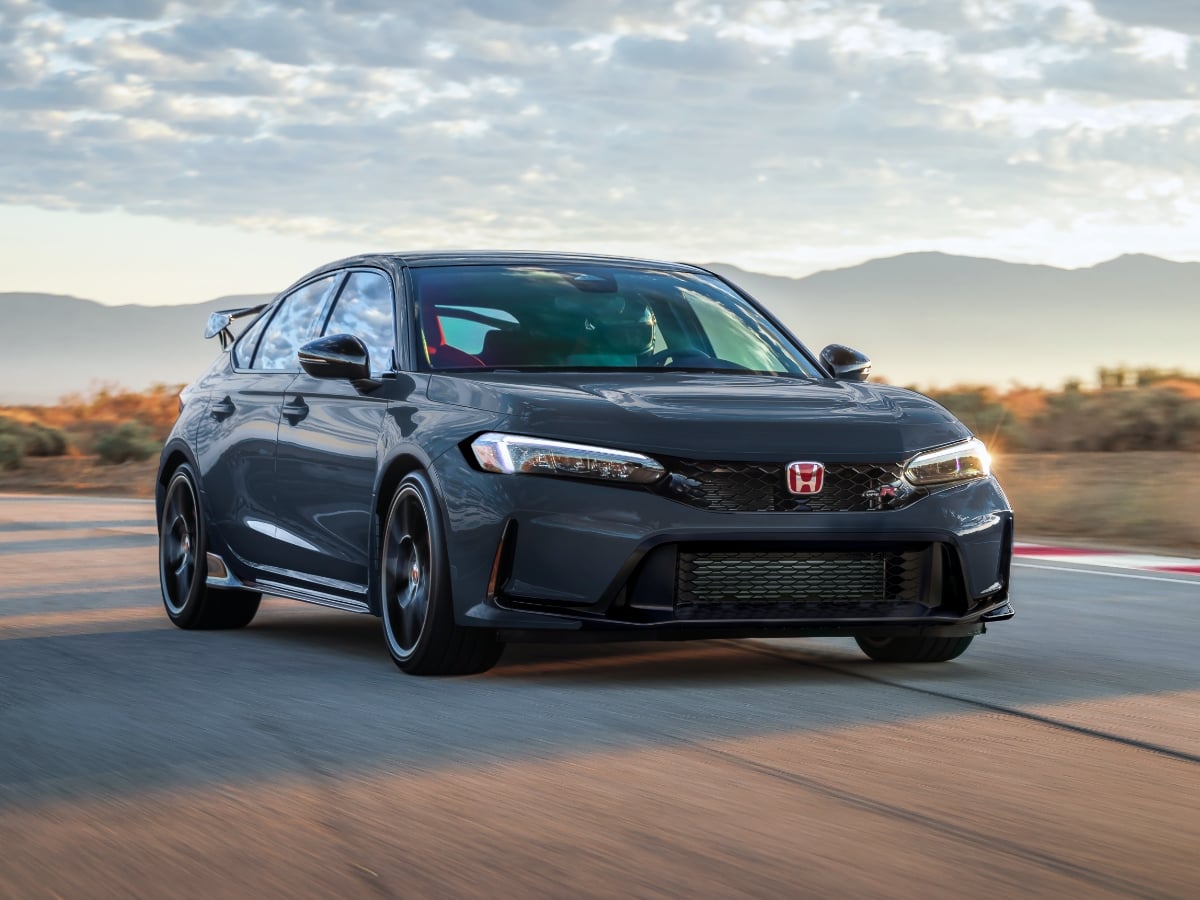
The 2027 Civic Type R goes on sale in October 2026, and it starts at $49,990, including the $1,295 destination charge.
Read the Full Article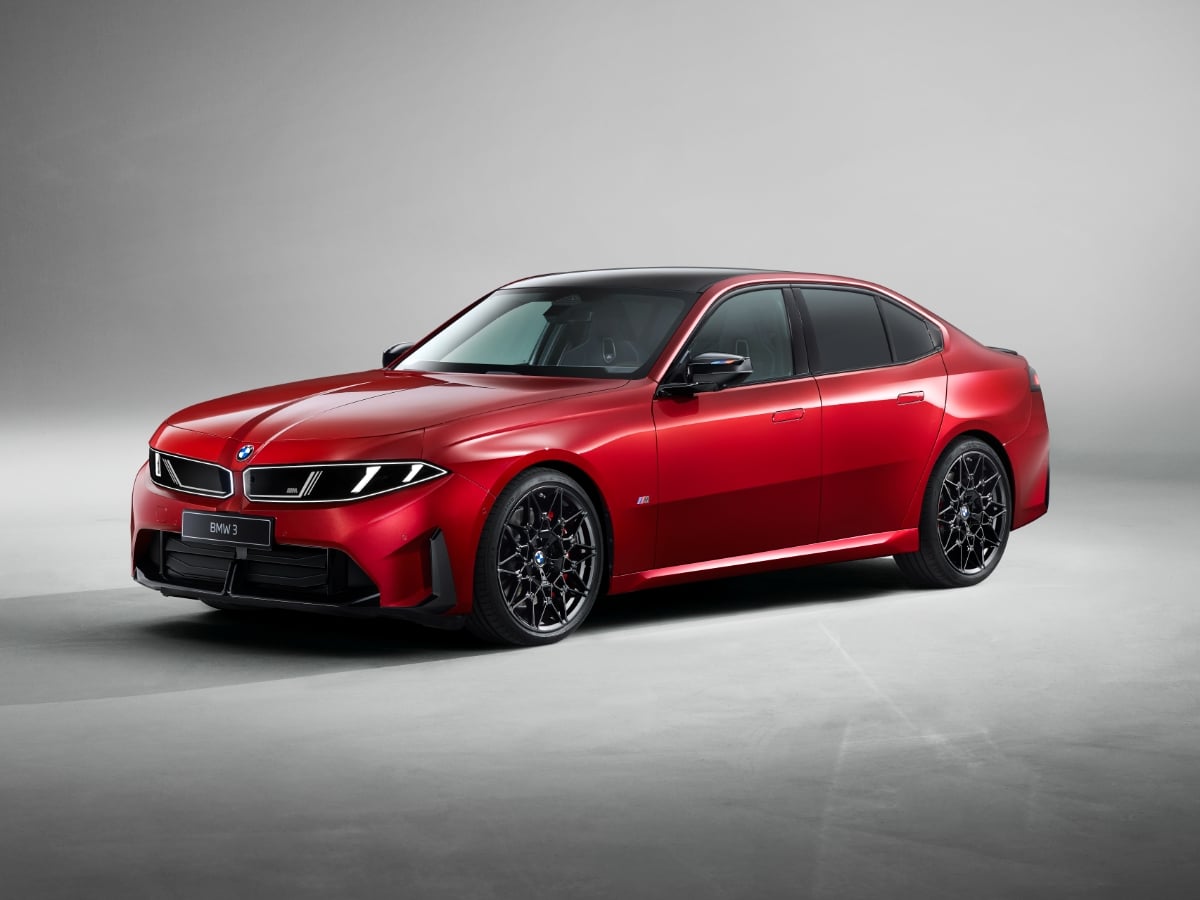
Part of BMW’s Neue Klasse (new class) rollout of redesigned models, the 2027 BMW 3 Series is all-new and goes on sale in the first quarter of 2027.
Read the Full Article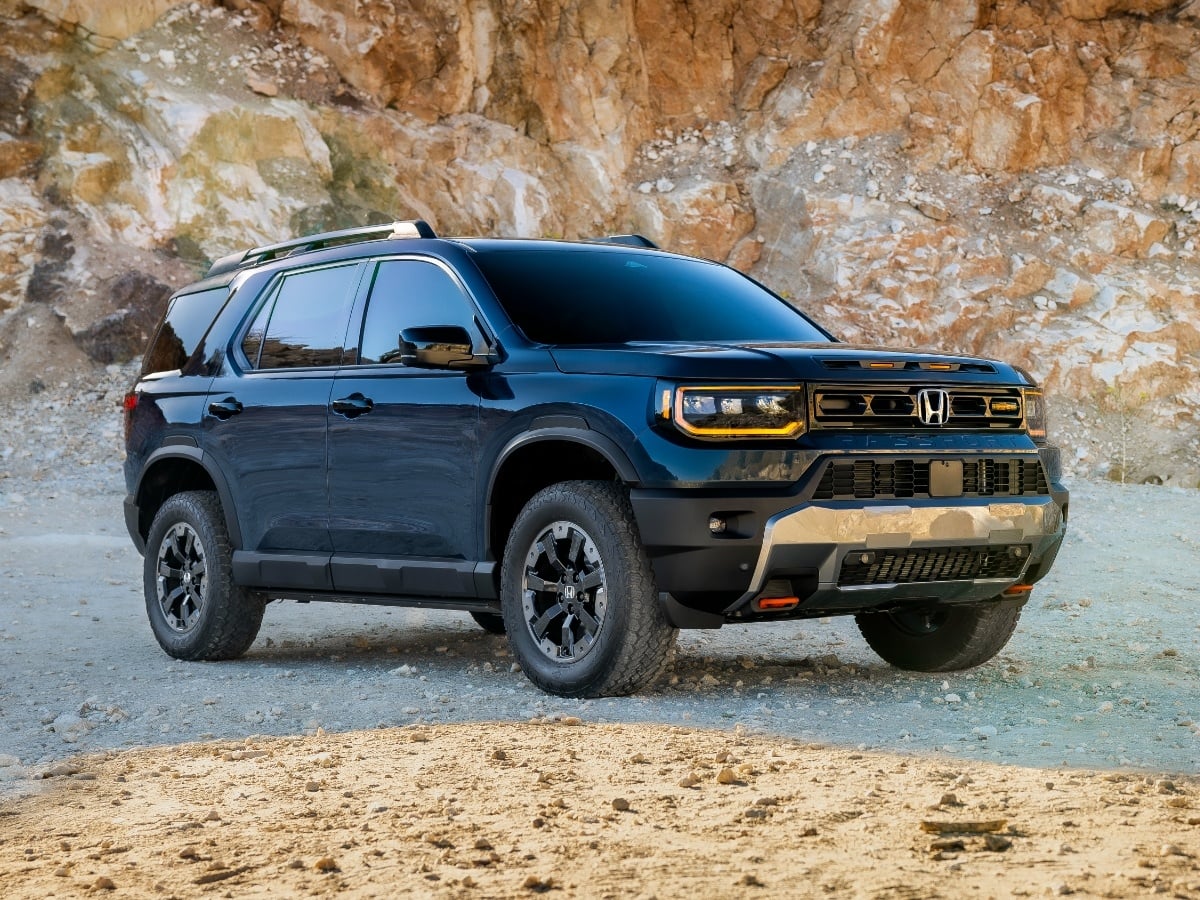
Updates to the 2027 Honda Passport TrailSport include a reworked suspension, improved steering, subtle styling enhancements, and added standard equipment.
Read the Full Article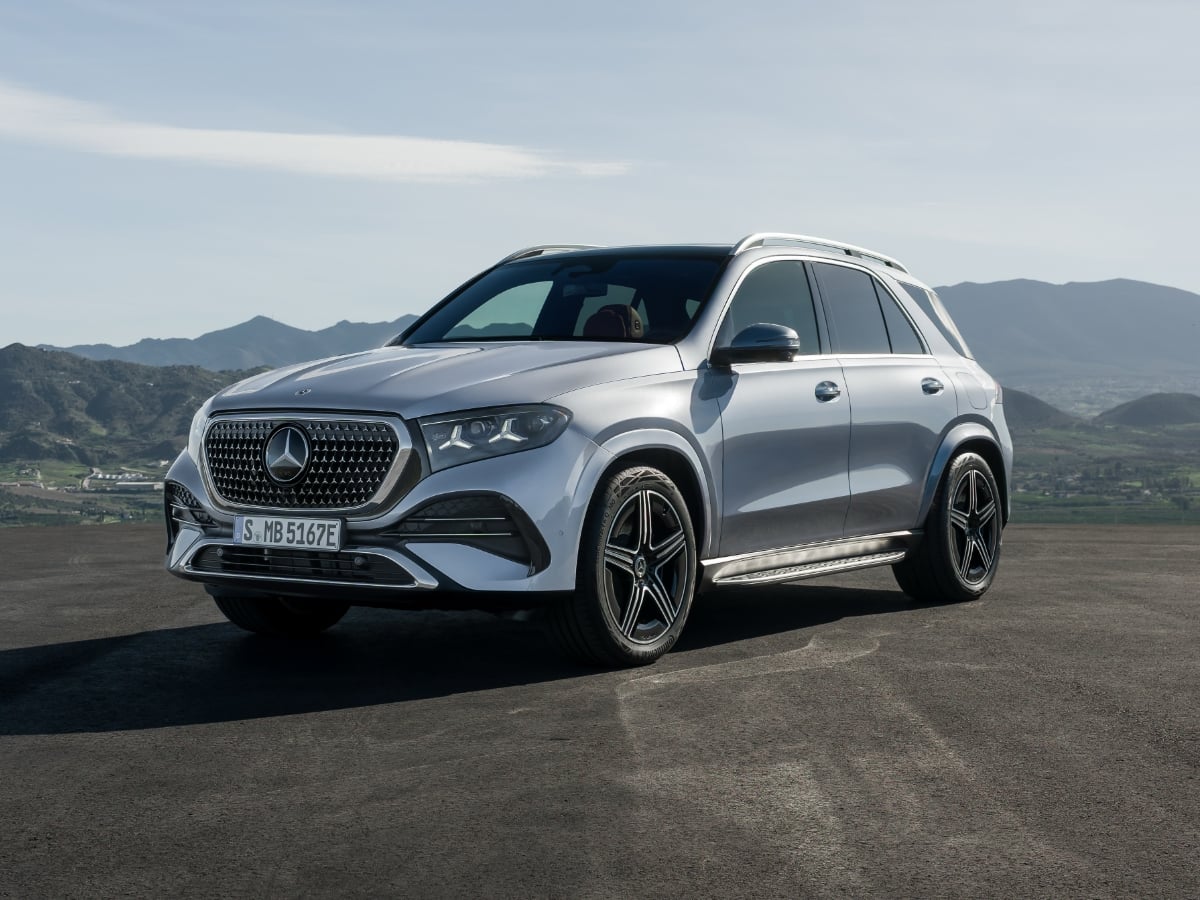
The midsize 2027 Mercedes GLE remains available in original and spicy Coupe recipes, now with standard 4Matic all-wheel drive (AWD), MBUX Superscreen technology, and a panoramic glass sunroof for ...See More
Read the Full Article