
A drive cycle is a standardized testing procedure used to measure the performance of a vehicle's onboard diagnostic (OBD) system. It is used to evaluate the performance of the engine, transmission, and emissions control systems.

Performing a drive cycle is vital for several reasons. Proper performance of a drive cycle helps ensure that the vehicle's emission control system is functioning correctly, which helps to reduce air pollution. It also helps to ensure that the vehicle is running at its optimal performance level, which can improve fuel efficiency and prolong the engine's and its components' lifespan. A drive cycle also helps to diagnose and identify issues that can help prevent potential malfunctions and costly repairs. By performing a drive cycle, vehicle owners can contribute to a cleaner environment and benefit from a well-maintained vehicle.
A basic drive cycle is a simplified version of a standard drive cycle used to evaluate the performance of a vehicle's onboard diagnostic (OBD) system. Unlike a standard drive cycle, a basic drive cycle is usually shorter and requires fewer driving conditions to be performed. The basic drive cycle typically consists of a series of simple driving conditions, such as idle, acceleration, and deceleration, designed to activate the critical sensors and components of the vehicle's OBD system. This data is used to assess the overall health and performance of the vehicle's engine, transmission, and emissions control systems. The basic drive cycle is a useful diagnostic tool for technicians to quickly identify issues and malfunctions within a vehicle's systems without needing a more comprehensive, time-consuming drive cycle.
Typically, no specialized tools are needed to perform a basic drive cycle. The only equipment that may be required is the vehicle itself, a full tank of fuel, and a clear, open road for driving. It is also recommended to have a reliable speedometer and odometer to track vehicle speed accurately and distance traveled.
Performing a basic drive cycle involves the following steps:
It's important to note that every vehicle is different, and the specific steps and conditions required for a basic drive cycle can vary depending on the make and model of the vehicle. Before performing a drive cycle, it's recommended to consult the vehicle's owner's manual or a trusted mechanic for guidance.
Proper performance of a basic drive cycle is critical for ensuring the health and performance of a vehicle's emission control system. A basic drive cycle simulates normal driving conditions and is used to check the operation of the emission control system, including the catalytic converter and oxygen sensors. Improper performance of a basic drive cycle can result in incorrect readings, leading to incorrect diagnosis and repair of the emission control system. This can result in increased emissions, decreased fuel efficiency, and potentially increased maintenance costs. A poorly performed basic drive cycle can also cause the vehicle's check engine light to come on, leading to further diagnostic procedures and potential repairs. Therefore, it is essential to perform a basic drive cycle correctly to ensure the proper functioning of the emission control system and maintain a healthy and efficient vehicle.
A basic drive cycle is an essential diagnostic test for a vehicle's emission control system. It involves a specific pattern of driving and idling to simulate typical driving conditions and help identify issues with the system. Proper performance of a basic drive cycle is crucial as it ensures the vehicle's emission control system meets the standards set by environmental regulations. This can prevent the vehicle from emitting harmful pollutants and reduce its environmental impact.


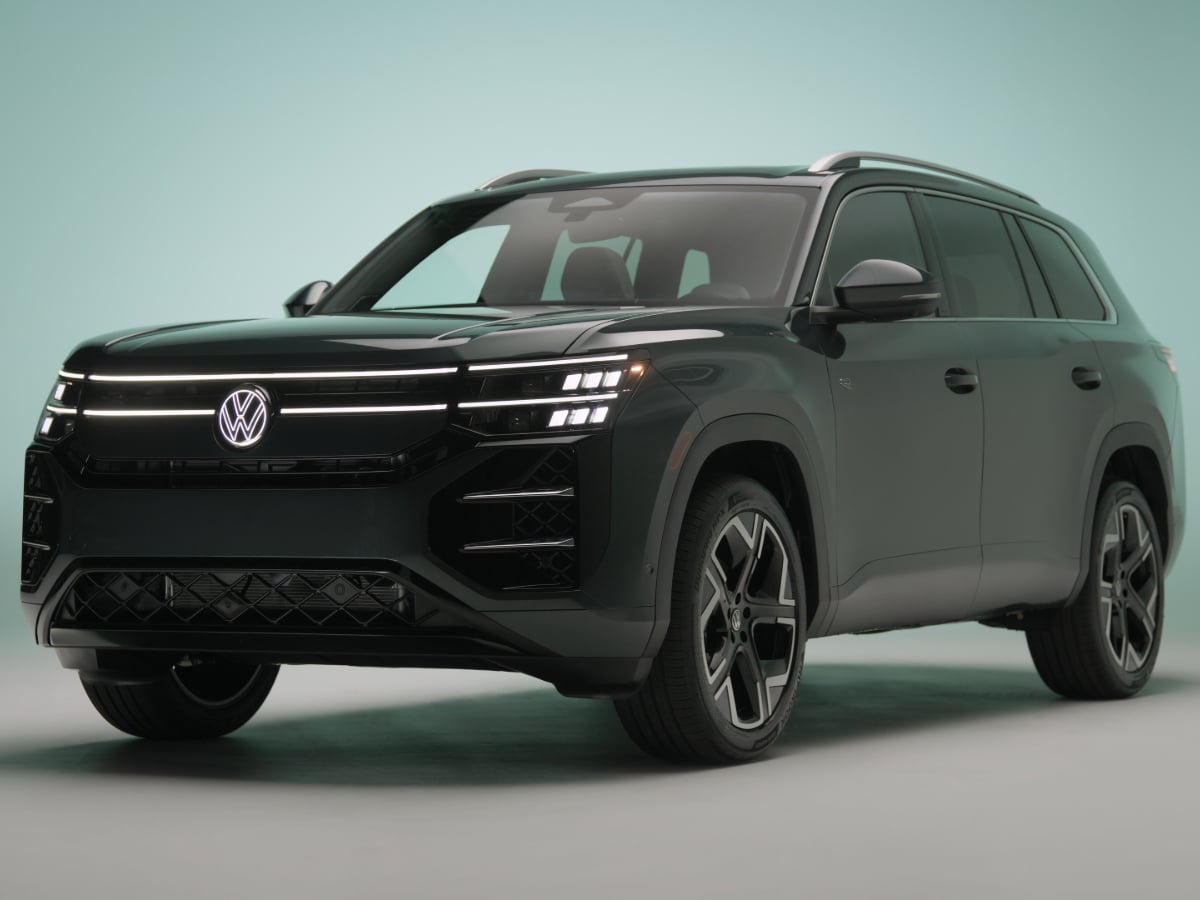
Adding European flair to the otherwise vanilla midsize three-row family SUV market, the redesigned 2027 Volkswagen Atlas debuts with a sharper exterior, an upgraded cabin, more power, and new ...See More
Read the Full Article
Though the styling stays largely the same, a massive boost in electric range for the plug-in hybrid (PHEV), plus a refined design, helps the 2028 Volvo XC60 stay current and desirable.
Read the Full Article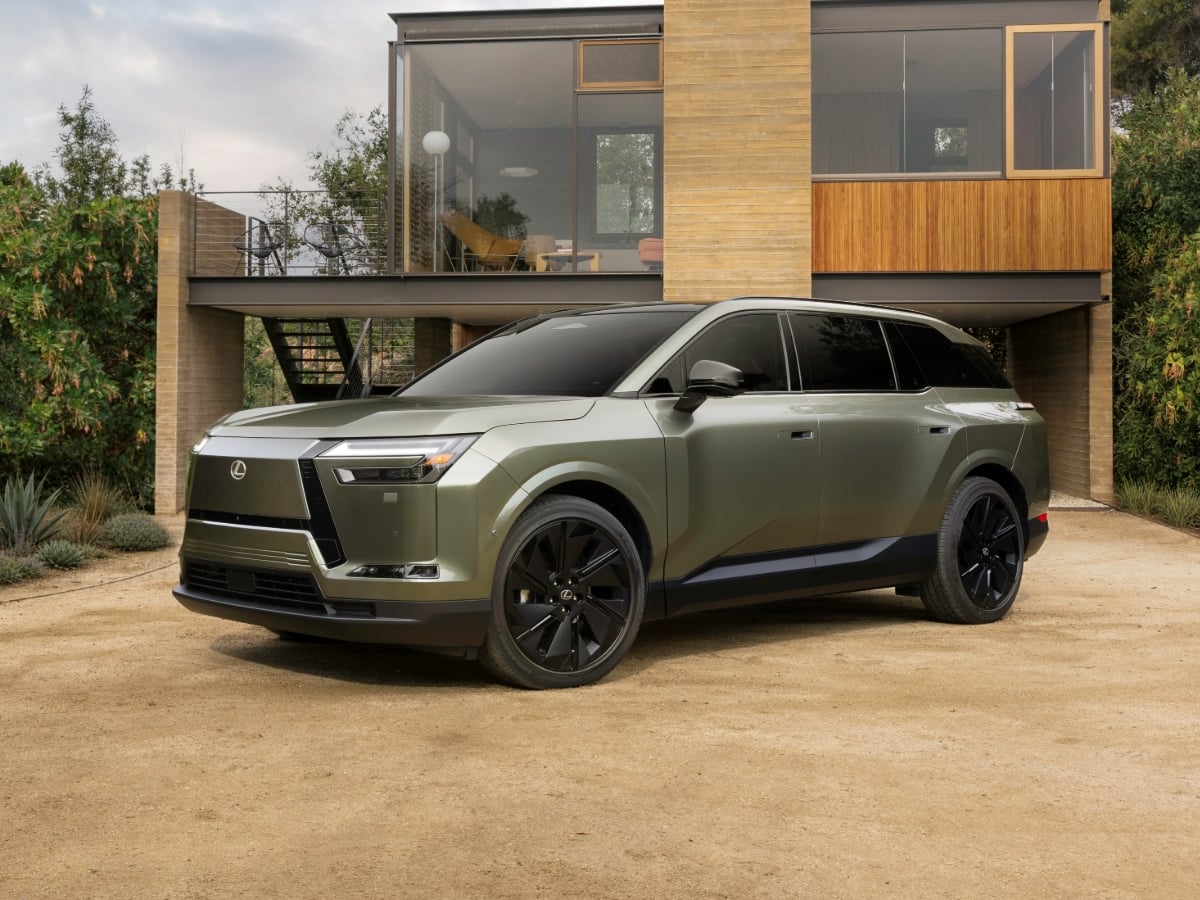
With the 2027 Lexus TZ, Toyota Motor’s luxury division introduces its first three-row all-electric SUV, featuring a lounge-inspired interior, an enhanced all-wheel drive (AWD) system, and up to 300 ...See More
Read the Full Article
With the all-new 2027 Kia EV3 small crossover SUV, the Korean automaker continues to expand its all-electric lineup while keeping prices accessible.
Read the Full Article