
Taking care of your engine is always a top priority. If not done correctly, it could lead to worse overall performance, make your car undrivable, and lead to a costly trip to the auto shop.
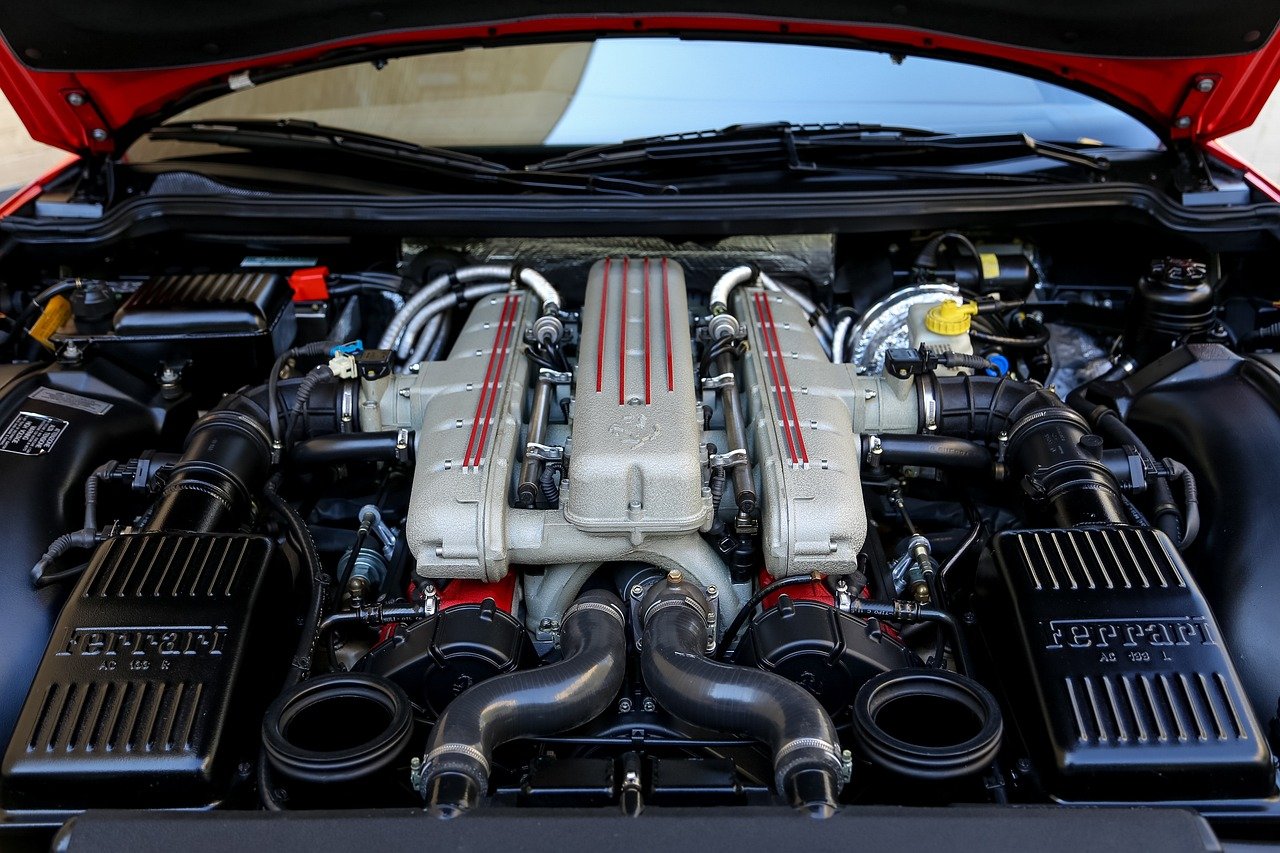
While knowing how to solve some minor issues is great, there are also some basic things you need to do from time to time. For instance, changing your engine coolant at the service center helps keep performance at an optimal level.
In this article, we will talk about engine coolant. We will explain what it is, mention how you should check it, provide common signs of when to make the change, and discuss what happens if you do not go through with it.
Your typical engine coolant is a glycol-based liquid or, to be more precise, a mixture of ethylene glycol with additive packages and some water. Formulas may vary depending on which one you buy, but no matter the type, they still allow it to fulfill the primary function.
This function correlates with the way your engine works. It generates energy to propel the vehicle forward. In turn, energy creates heat that needs to dissipate. Here your car’s exhaust system pitches in and eliminates a portion of the heat, requiring a coolant and liquid system to maintain the correct temperature.
The fluid also ensures that your engine will never corrode or freeze. It circulates between the engine and the radiator. The whole process looks like this: the liquid cools when exiting the bottom of the radiator, gets into the water pump, reaches both the engine head and block to absorb heat, and is then redirected back into the radiator to repeat the process.
Coolant changes are part of standard servicing, so you really shouldn’t worry about it. However, if you plan on doing this yourself, take note of the distance you travel daily. Some service centers recommend changing it after two weeks, while companies state it should be done after every 30,000 miles or five years.
If you want to be sure, just check. Low coolant levels can lead to a fiery hot hood as the engine heats above allowable temperatures. You will also notice steam coming out of the engine bay and hood, clearly suggesting that it is overheating. Additionally, you can experience non-efficient gas mileage.
If you do not change your coolant, it can become acidic. If it does, your engine will no longer be protected from rust, which will slowly kill it. You will have to pay for costly servicing.
However, it is not just your engine that is under threat. Radiators can also rust, and because the coolant protects them as well, it can spell out disaster for the whole cooling system.
If you do not check the coolant every once in a while, your car may start to show tell-tale signs that something is wrong. It does not mean your engine boiled over or wholly rusted out. The symptoms are a call for action and may include the following:
If you are experiencing any of these issues, change your coolant immediately. When you deal with the least one, try to get a qualified mechanic’s help instead of fixing everything yourself. Remember to always check your vehicle for overheating signs and always do your maintenance and coolant change on time.



The new 2027 BMW i3 boasts an estimated range of up to 440 miles, 400-kilowatt DC fast charging capability, bidirectional charging to a home or the grid, and next-generation technology.
Read the Full Article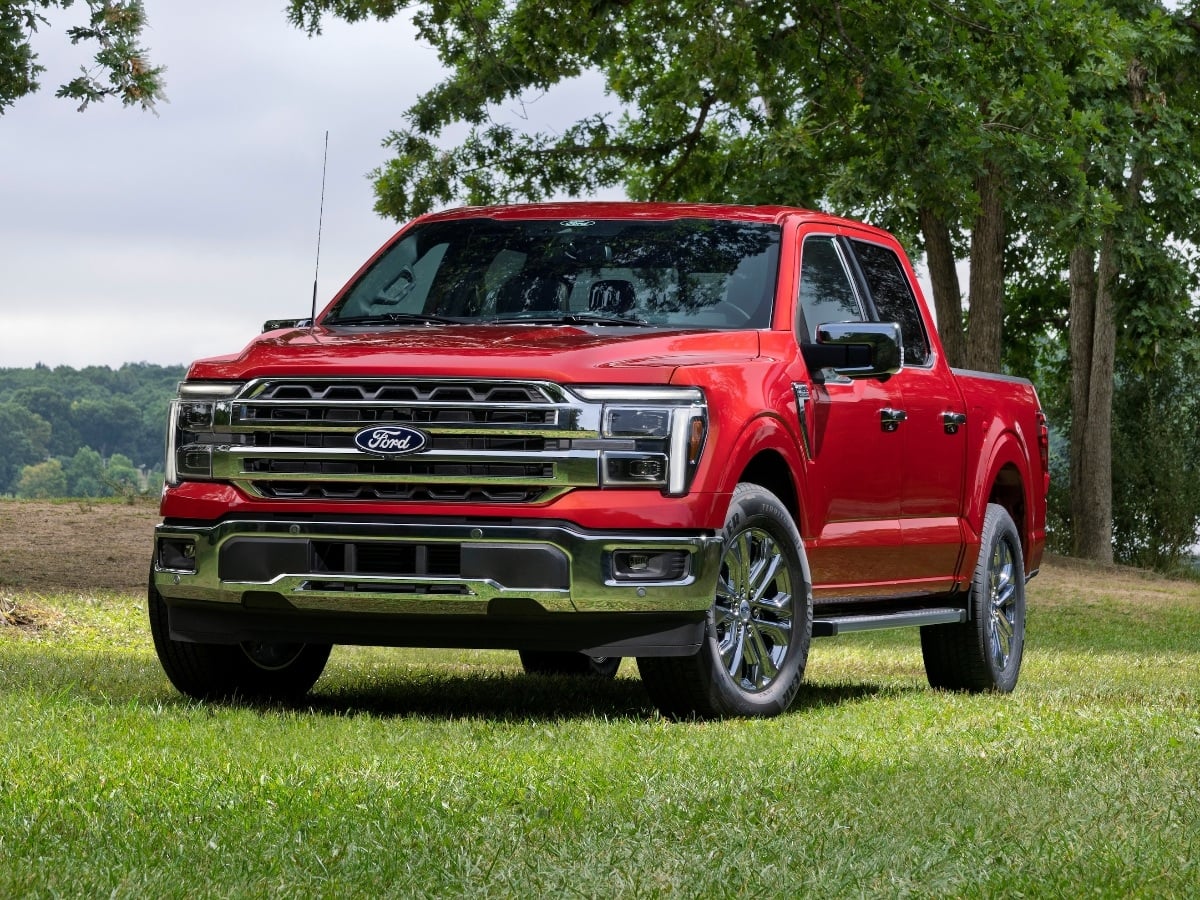
Facing renewed competition in the full-size, light duty pickup truck segment, the 2027 Ford F-150 receives subtle styling updates, a new standard engine, broader availability of its 5.0-liter V8, and ...See More
Read the Full Article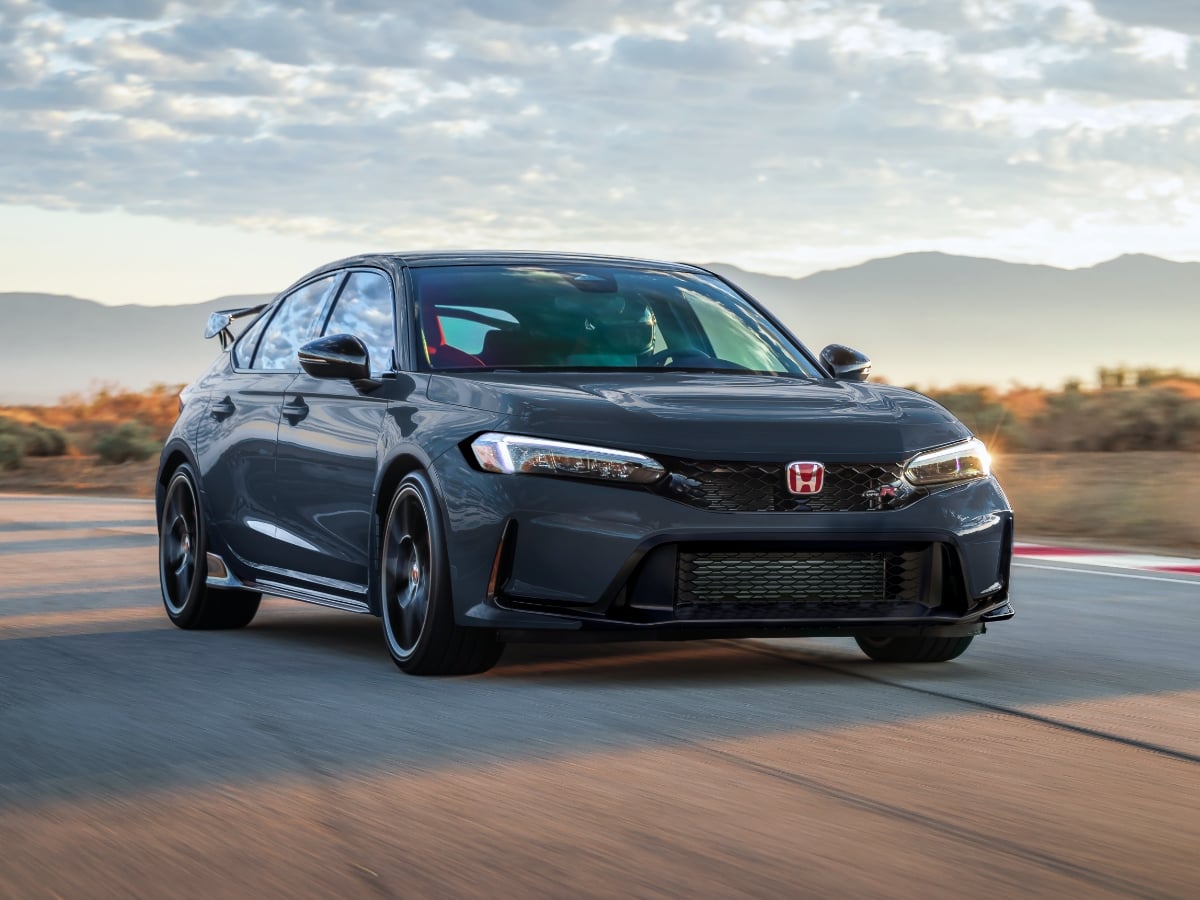
The 2027 Civic Type R goes on sale in October 2026, and it starts at $49,990, including the $1,295 destination charge.
Read the Full Article
Part of BMW’s Neue Klasse (new class) rollout of redesigned models, the 2027 BMW 3 Series is all-new and goes on sale in the first quarter of 2027.
Read the Full Article