
Wheel bearings are a set of rigid steel ball bearings that form an essential part of a vehicle's steering, suspension, and braking systems. They are located inside a sealed metal casing in the vehicle's axles and roll around for the smooth spinning of the wheels.

Usually, wheel bearings are designed to last as long as the vehicle and don't require scheduled replacements or lubrication. They, however, wear out over time and will have to be replaced. These could result from water, sand, mud, or road salt that gets through the bearing seals and contaminates the grease, increasing friction and eventually causing the bearing to wear out. Also, driving over potholes, speed humps, and curbs with speed can cause premature damage to the wheel bearings. This article points out the tell-tale signs of worn-out wheel bearings and discusses replacement costs.
It is the most common and easy-to-identify symptom of a worn-out wheel bearing. The problem, however, is that such noises can result from multiple issues. Hence the best way is to identify where the noise emanates. If it's from one of the wheels, then the bearing on that wheel could be the issue.
Pay attention to squealing or grinding noise as the vehicle moves. As the speed increases, the noise also increases, and it means the bearing needs a mechanic’s touch.
A worn-out bearing can also cause clicking sounds during movement and intensify as the vehicle accelerates.
The wheels of the vehicle wobble when in motion. To ascertain the possibility of a damaged wheel bearing, technicians put the vehicle on a lift and shake the wheels. You can also do this by jacking up the vehicle near the wheel with the issue and checking whether that wheel wobbles. Generally, a well-fit wheel assembly should not show any sign of shaking. Hence the wheel bearing needs attention if it shakes during the check.
The wheels' wobbling distorts the wheel speed sensor's proper operation, which leads to the anti-lock braking system (ABS) failure. The ABS warning light will illuminate as a result.
The vehicle moves to one side towards the location of the worn-out bearing anytime the brake is applied. The movement could also result from a problem with the brake rotors. Hence it is vital to have a technician attend to the vehicle.
Worn-out bearings cause vibrations in the steering wheel and make the vehicle turn left or right. The problem intensifies as speed increases. However, other issues can also lead to the same problem, such as unbalanced wheels, flat spots, or damaged suspension parts.
The steering wheel becomes less responsive or precise, making it difficult to control the vehicle. However, this could also result from improper wheel alignment.
The tire on the wheel with worn-out bearings usually wears out faster than other tires. But other factors can also lead to the same problem. These include underinflated or overinflated tires, improper alignment, or damaged suspension components.
The cost of replacing wheel bearings varies as several variables, including the vehicle's make, model, type of bearing, cost of parts, and labor, come into play. The average cost of replacing a single wheel bearing is about $350, which means replacing all four wheel bearings will amount to $1,400. Nonetheless, replacing wheel bearings in pairs is not necessary, as in the case of tires.
You can inspect wheel bearings during regular maintenance or when you suspect there’s an issue. Follow these steps to perform a full check of wheel bearings.
Continuing to drive a vehicle with a worn-out wheel bearing can lead to more expensive damages to the vehicle. These include permanent damage to the constant velocity (CV Joint) or automatic transmission. Also, the tires can come off anytime, increasing accident risk. For that reason, it is vital to have a failing wheel bearing replaced once it starts showing symptoms.


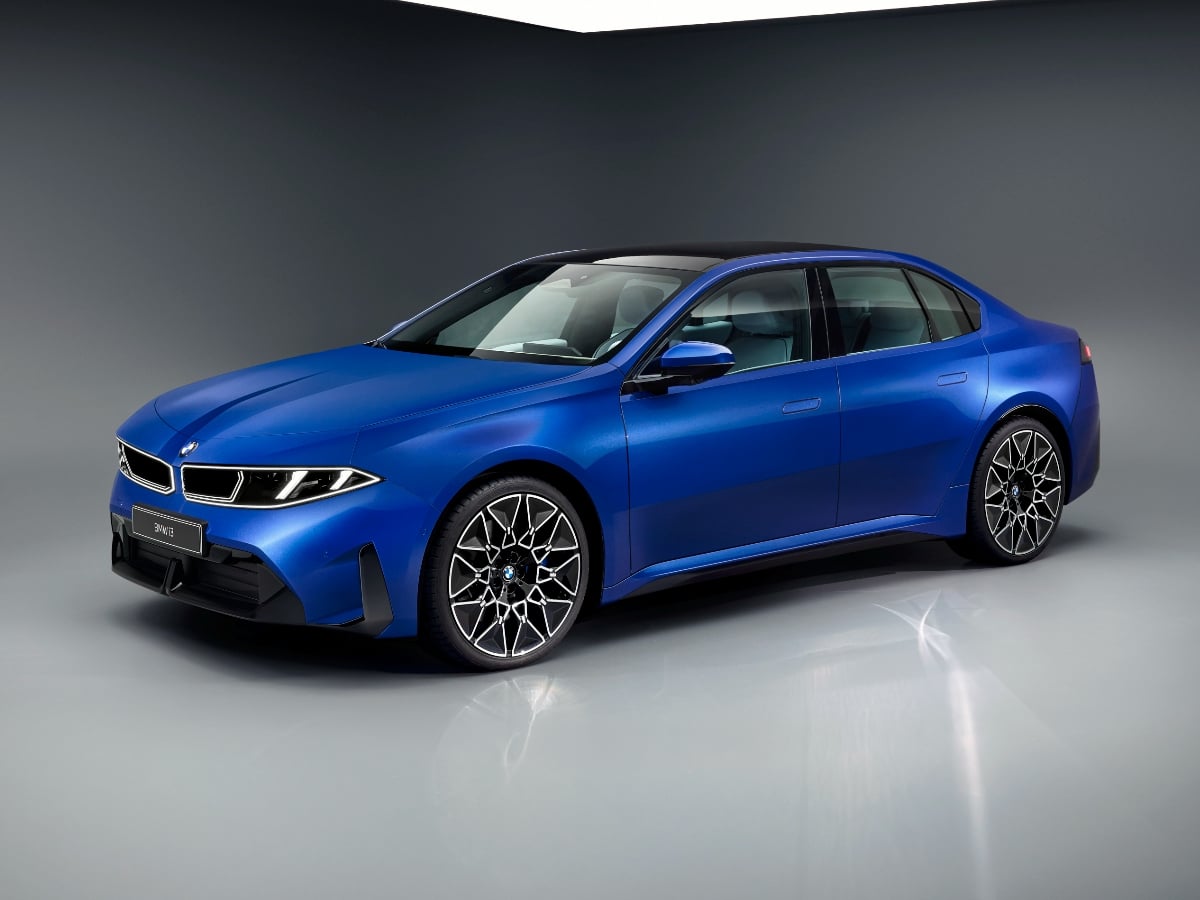
The new 2027 BMW i3 boasts an estimated range of up to 440 miles, 400-kilowatt DC fast charging capability, bidirectional charging to a home or the grid, and next-generation technology.
Read the Full Article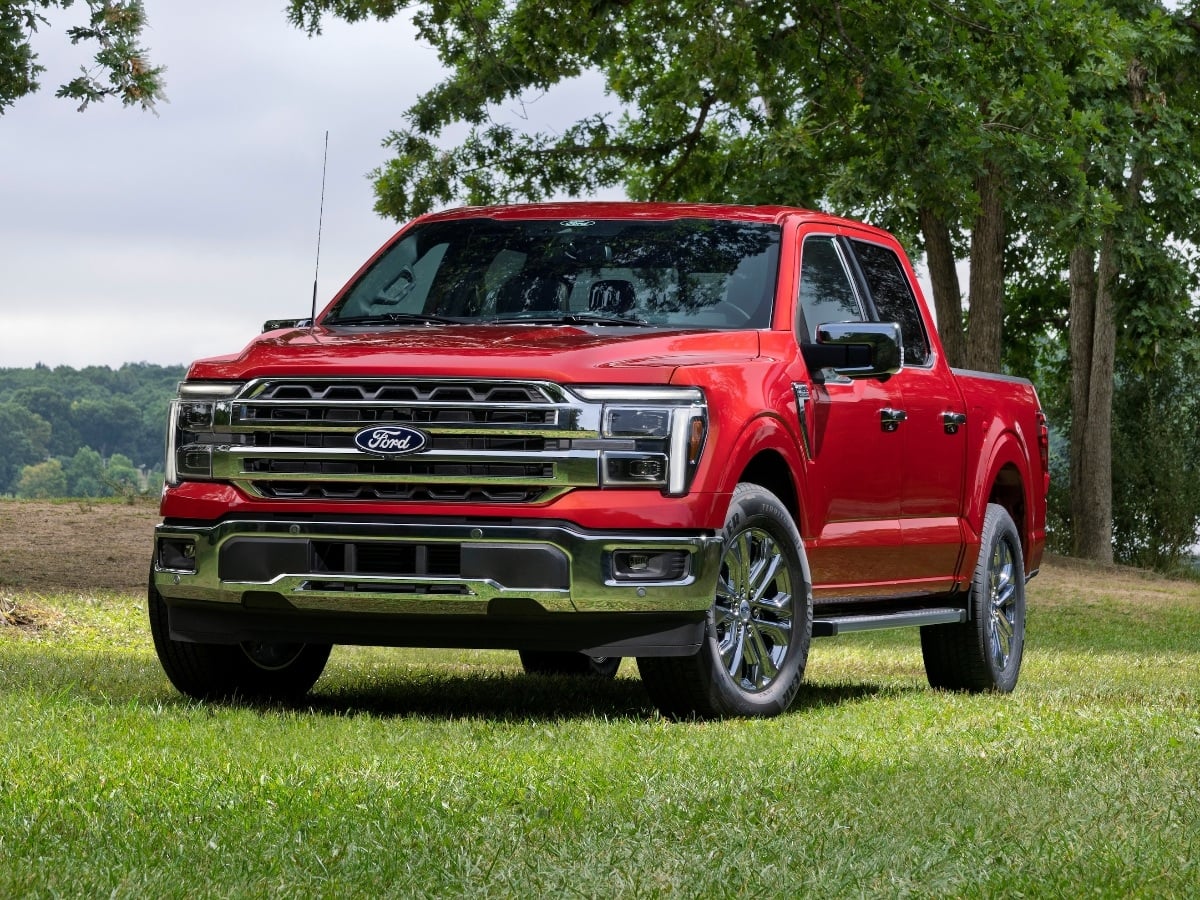
Facing renewed competition in the full-size, light duty pickup truck segment, the 2027 Ford F-150 receives subtle styling updates, a new standard engine, broader availability of its 5.0-liter V8, and ...See More
Read the Full Article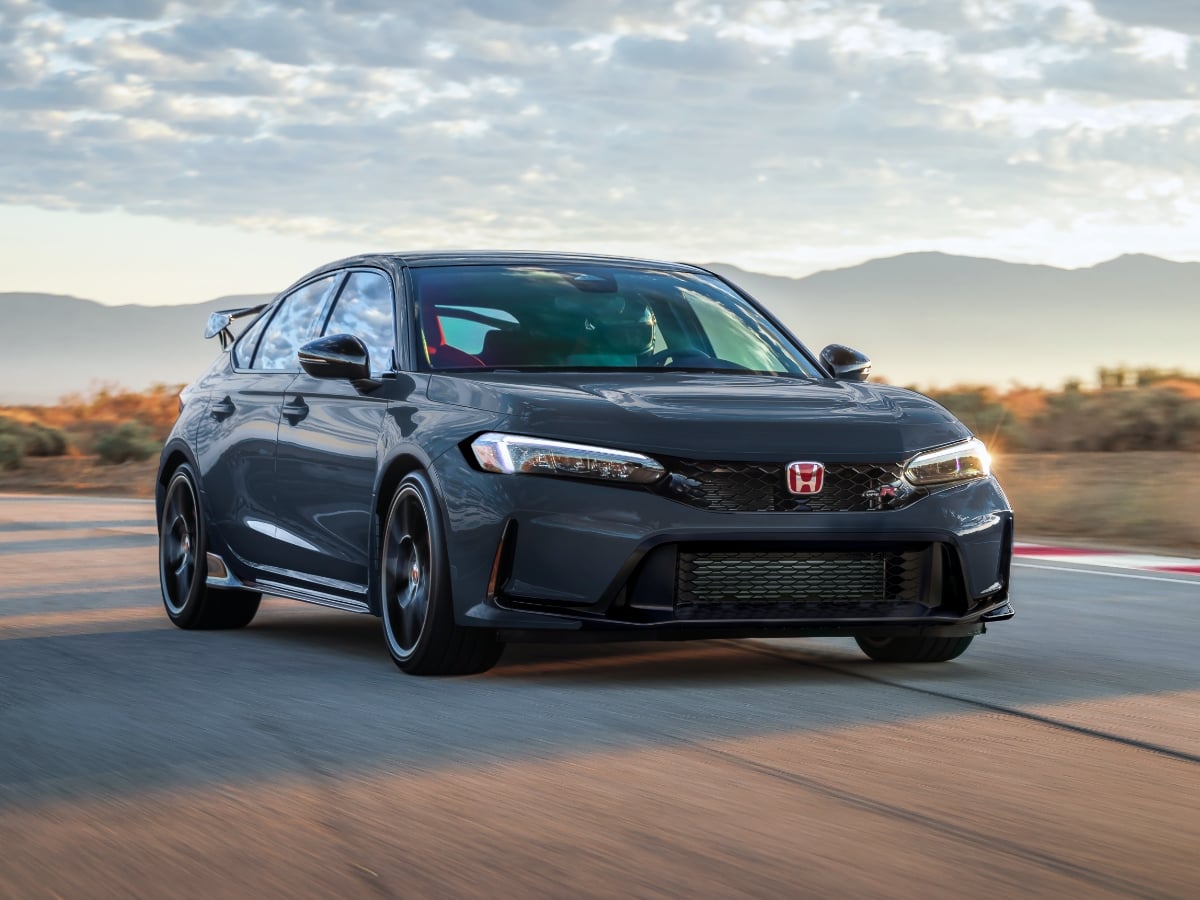
The 2027 Civic Type R goes on sale in October 2026, and it starts at $49,990, including the $1,295 destination charge.
Read the Full Article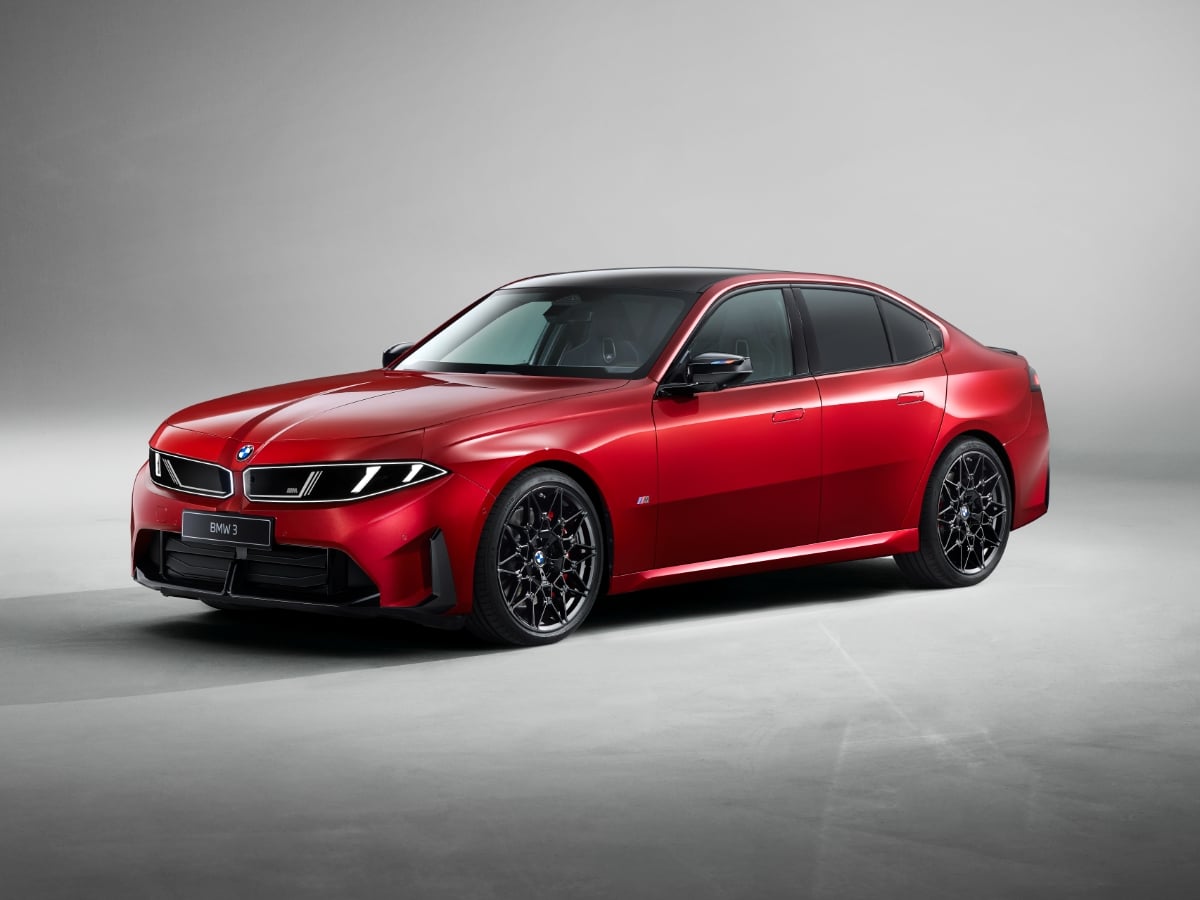
Part of BMW’s Neue Klasse (new class) rollout of redesigned models, the 2027 BMW 3 Series is all-new and goes on sale in the first quarter of 2027.
Read the Full Article