
Ignition coils play a crucial role in a vehicle's ignition system as essential components that facilitate the engine's combustion process. They are responsible for converting the low voltage supplied by the battery into a high voltage required to produce sparks at the spark plugs. These sparks ignite the air-fuel mixture inside the engine cylinders, enabling the vehicle to start and run efficiently. Due to different reasons, the ignition coil may become faulty. In such cases, drivers may experience a lack of power during acceleration or notice excessive exhaust emissions. If any of these symptoms are observed, it is essential to have the ignition coils inspected and replaced if necessary to ensure the vehicle's optimal performance and prevent further damage.

The cost of replacing an ignition coil can vary based on the ignition coil used in the vehicle. Conventional ignition coils are generally more affordable than more advanced types like coil-on-plug (COP) or distributorless ignition systems (DIS). COP and DIS coils are typically more expensive because they are more technologically advanced and offer improved performance and efficiency.
The cost of replacing ignition coils can also be influenced by the vehicle's specific make, model, and year. Different vehicles require different ignition coils, and the availability and pricing of these coils may vary depending on the vehicle's specifications. Luxury or high-performance vehicles may use specialized ignition coils that are more expensive than those used in standard vehicles.
The labor cost for ignition coil replacement can vary based on the complexity of the job and the labor rates in a particular location. Labor charges are typically higher at dealerships and specialized repair shops than at local independent mechanics. Additionally, regional variations in labor rates can impact the overall replacement cost.
The ignition coil replacement cost can vary significantly depending on the type of vehicle and the ignition coil used. For standard vehicles with conventional ignition coils, replacing a single ignition coil can range from $100 to $300. However, for vehicles equipped with more advanced ignition systems like coil-on-plug (COP) or distributorless ignition system (DIS) coils, the cost may be higher, ranging from $200 to $600 per coil.
The total cost of ignition coil replacement consists of two main components: the cost of the ignition coil itself and the labor charges for installation. Ignition coils can vary in price based on their type and quality, ranging from $50 to $200 or more for each coil.
Labor costs for ignition coil replacement are typically charged per hour of work. On average, labor rates can range from $50 to $150 per hour, depending on the location and the repair shop. The labor time required for ignition coil replacement can vary from 0.5 to 2 hours, depending on the vehicle's design and the number of coils needing replacement.
For example, the total cost of replacing a single ignition coil in a standard vehicle with a conventional ignition system could be around $150 to $350, including the cost of the coil and labor charges. For a vehicle with a more advanced ignition system requiring a higher-priced coil and more labor time, the total cost could be $300 to $800 or more.
Using high-quality replacement ignition coils is crucial for ensuring optimal performance and longevity. While aftermarket or budget options may seem appealing due to lower upfront costs, they may not meet the same quality standards as original equipment manufacturers (OEM) or reputable aftermarket brands.
High-quality ignition coils offer better durability and reliability, reducing the likelihood of premature failures and the need for frequent replacements. Investing in reliable ignition coils can save money in the long run by reducing the risk of recurring issues and potential engine damage caused by faulty coils.
Vehicle owners have two primary options for ignition coil replacement: do-it-yourself (DIY) or seek the services of a trusted mechanic or repair shop. DIY replacement can save on labor costs, as it involves purchasing the replacement coils and installing them personally. However, DIY replacement requires mechanical knowledge and the right tools to ensure a proper installation.
For those lacking mechanical expertise, seeking the help of a skilled and trustworthy mechanic is essential. While labor charges may be higher, the expertise and experience of a qualified mechanic can guarantee a correct installation, minimizing the risk of errors and potential damage.
Moreover, a professional mechanic can source high-quality replacement parts at competitive prices, potentially offsetting the overall cost. Vehicle owners should weigh the benefits and potential risks of DIY replacement versus professional installation to make an informed decision.
The cost of replacing an ignition coil can vary significantly depending on the type of vehicle, the ignition coil used, and the labor rates in a particular location. While the upfront cost may seem high, especially for vehicles with advanced ignition systems, it's crucial to remember the role of the ignition coil in ensuring optimal vehicle performance. Using high-quality replacement parts and considering the benefits of professional installation can help ensure longevity and reliability. Whether you choose a DIY approach or hire a trusted mechanic, addressing ignition coil issues promptly can prevent further damage and maintain your vehicle's efficiency.


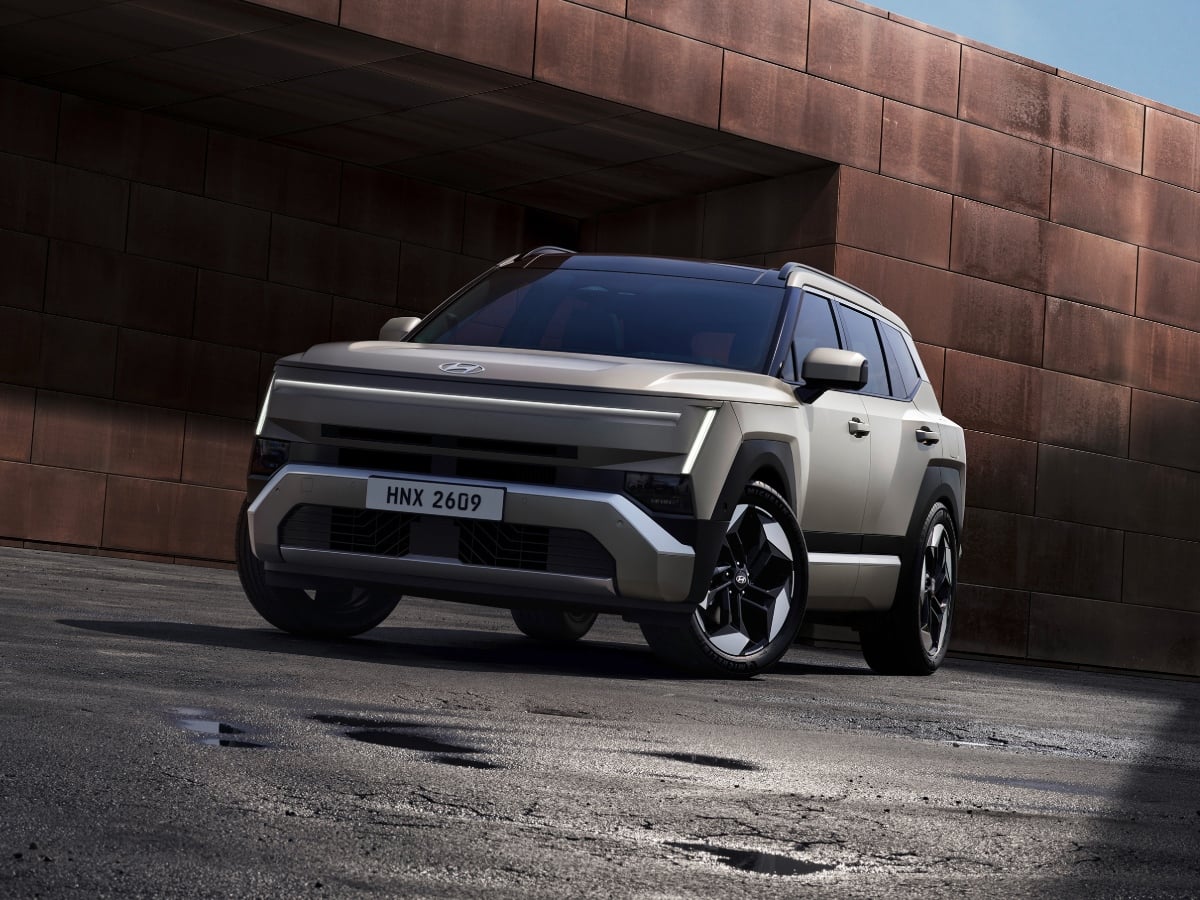
With a purposeful new design and some trail-ready upgrades, the 2027 Hyundai Tucson is pushing the brand's best-selling crossover SUV into more aggressive territory.
Read the Full Article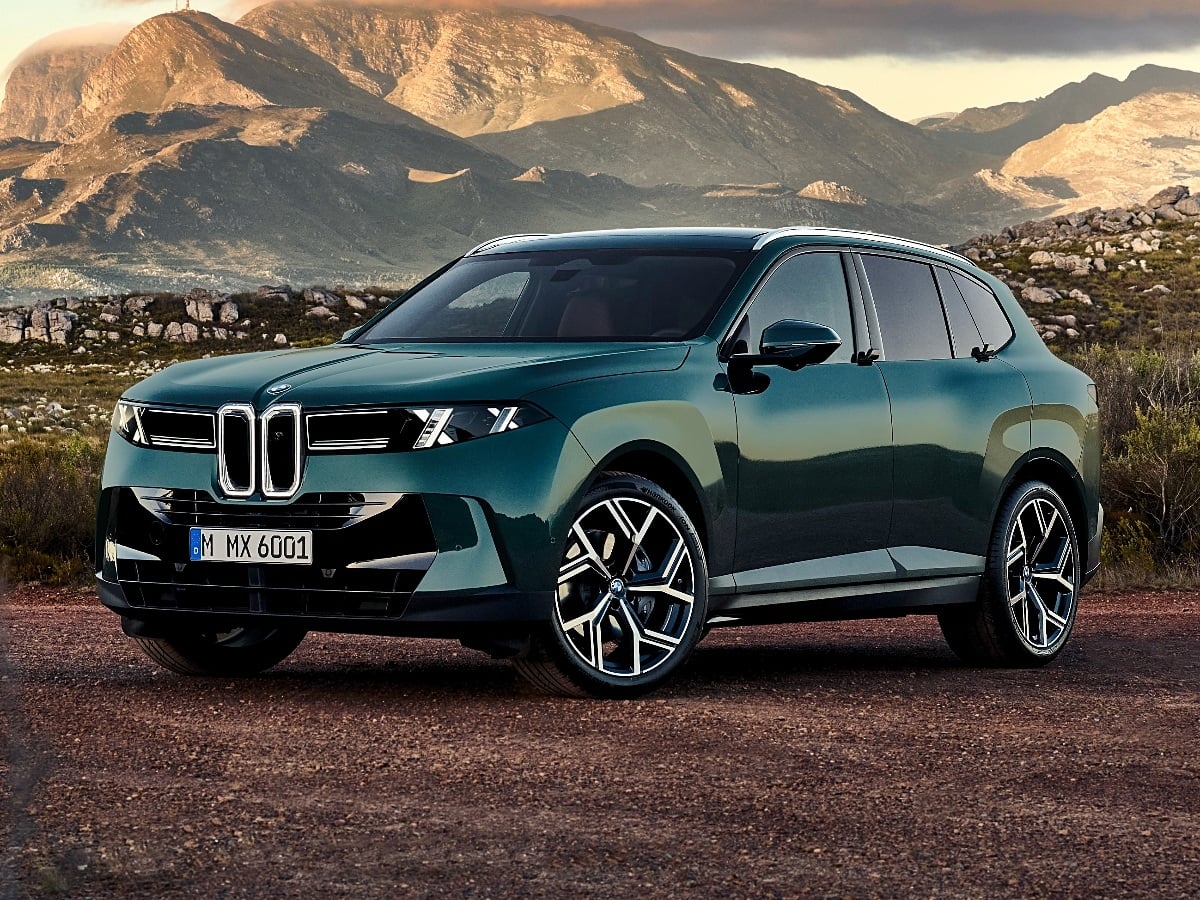
For more than 25 years, the BMW X5 has helped to define the luxury SUV segment. Now, the redesigned fifth-generation 2027 BMW X5 arrives with the automaker’s Neue Klasse styling, a roomier interior, ...See More
Read the Full Article
One of Lexus's most popular models, the NX crossover SUV is also one of the most affordable in the company’s lineup. The 2027 Lexus NX transitions to hybrid-only powertrains, and gets revised ...See More
Read the Full Article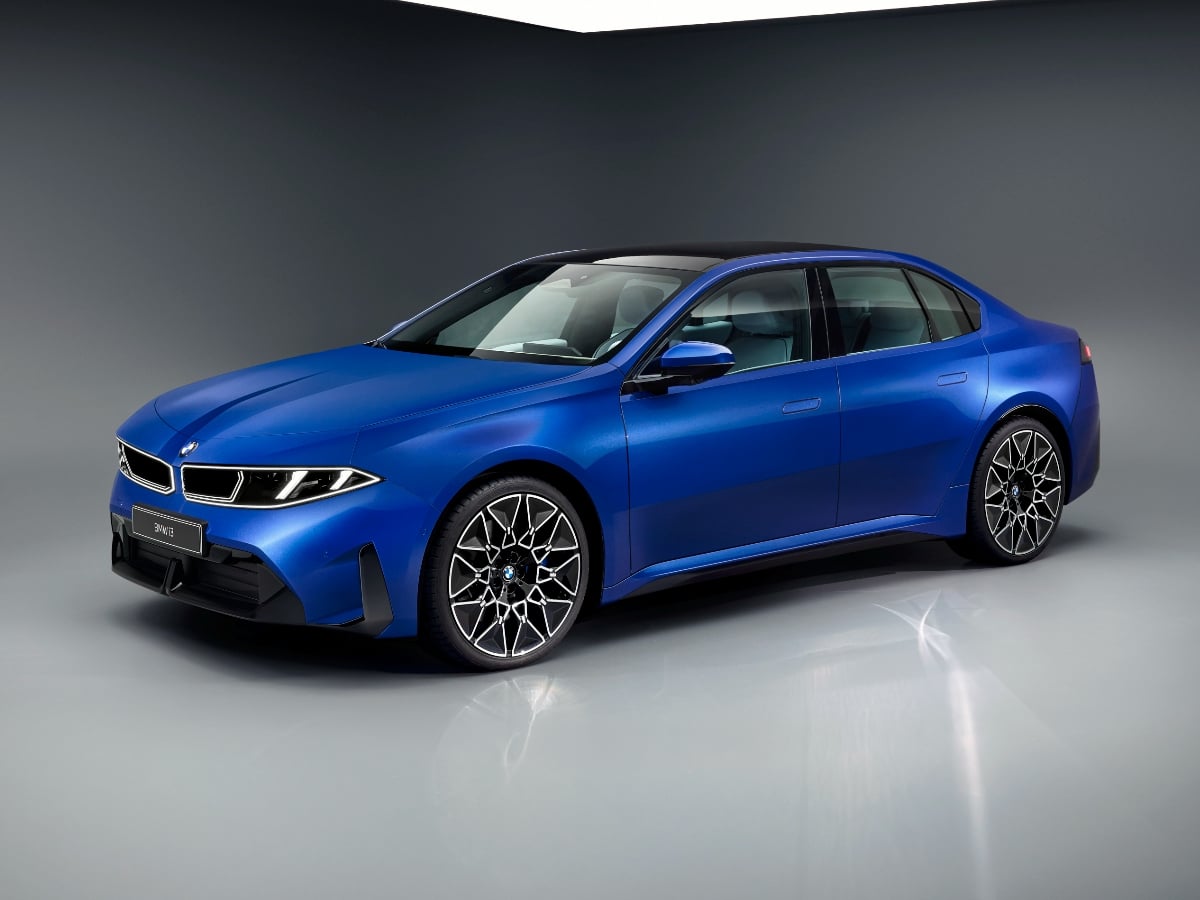
The new 2027 BMW i3 boasts an estimated range of up to 440 miles, 400-kilowatt DC fast charging capability, bidirectional charging to a home or the grid, and next-generation technology.
Read the Full Article