
As automotive safety became more of a focus in the 1980s, airbags were introduced in passenger vehicles. Originally offered only for the driver, automakers eventually introduced front passenger airbags, side torso protection airbags, side curtain airbags, and knee airbags. While recent years have brought the proliferation of technologies intended to prevent an accident in the first place – such as automatic emergency braking (AEB), blind spot warning (BSW), and rear cross-traffic alert, airbags remain a crucial safety feature in modern cars.

Known as a Supplemental Restraint System (SPS), airbags are designed to supplement the seatbelts in providing occupant protection. An airbag deploys to prevent the occupant’s body from making direct contact with the vehicle's interior during a crash. For instance, during a head-on collision, rather than the driver’s head hitting the steering wheel, the airbag deploys so the driver makes contact with the airbag cushion instead. Similarly, side airbags protect the torso from striking the side door, and side-curtain airbags shield the head from hitting the window.
Often thought of for their effectiveness in protecting passengers in high-speed collisions, airbags can deploy during low-speed crashes as well. While in more severe cases a vehicle may be considered a total loss by insurance, some vehicles are repaired and returned to the road after an accident.
Once deployed, each airbag will require replacement. With many modern vehicles equipped with about 10 airbags, this can add up very quickly. Thus, it is important to know the cost of airbag replacement.
Since airbags are designed to serve a single-use, repair costs are typically considered from the perspective of a collision. However, various airbag components may need to be addressed as a maintenance item regardless of an accident. If an airbag warning light appears, drivers are advised to have an expert conduct a diagnostic evaluation to determine if repairs are needed to ensure the proper performance of their airbag system. This evaluation may cost approximately $75 to $150.
Several mechanisms work in conjunction to enable airbags to protect occupants in a collision. Given the changing technology and the different equipment levels of a particular vehicle, the exact features may vary. However, the following are the general components of the airbag system.
The first item that most are familiar with seeing in crash tests is the fabric bag that inflates and then immediately deflates during the accident. Replacement of the bag itself is estimated to cost around $500 for the bag alone and an additional $250 for labor.
During an accident, the impact sensors are the first trigger to determine if airbag deployment is necessary. The number of impact sensors per vehicle varies. For instance, a Honda Accord contains six impact sensors, two at the front corners, two on each side at the lower part of the B-pillars, and two on the lower part of the C-pillars.
If one of the sensors needs to be replaced and it’s not covered under warranty, the price of the part ranges from $70 to $350, not including labor.
Modern cars also have seat sensors that establish if there’s enough weight on the seat to merit airbag deployment. For instance, the vehicle will turn the passenger airbag off if a passenger seat is unoccupied or the weight threshold is not met. Not deploying the passenger’s airbag should lead to cost savings as only the deployed bags will need to be replaced.
The airbag control module is also known as an airbag control unit, diagnostic unit, electronic control unit, or electronic control module. This module receives a signal from the vehicle’s sensors to inflate the airbag. While parts and labor to replace the module average around $775, other estimates can range from $1,000 to 1,300. Although the module location may vary vehicle to vehicle, both Audi and Lucid house the module under the center console.
Another important element of the airbag is the clock spring, located between the steering wheel and the steering column. It contains an expandable coil to continue electrical connection for the driver’s airbag module. The average labor and part replacement cost is approximately $440.
There are a number of components that enable airbags to protect occupants during a collision. Given that airbags are single-use safety features, they need to be replaced following deployment, and each of the mechanisms needs to be inspected before returning to road use.
Although the primary reason for airbag part replacement is an accident, theft of airbag parts is also a concern. Regardless, drivers should pay attention to airbag warning lights and have their vehicle serviced to ensure the safety feature will function as expected.
Please consult your owner’s manual to confirm the airbag components in your vehicle. Additionally, drivers are advised to bring their vehicle to an authorized repair facility if any item needs to be replaced or repaired.
Matt Yantakosol is a lifelong automotive enthusiast and former consultant focused on the consumer aspect of the industry. He has traveled to New York, Detroit, Chicago, L.A., Paris, Geneva, Frankfurt, and Tokyo Auto Shows to track and observe the newest industry innovations. In addition to JDPower.com, Matt's writing has appeared on Pcarmarket.com.


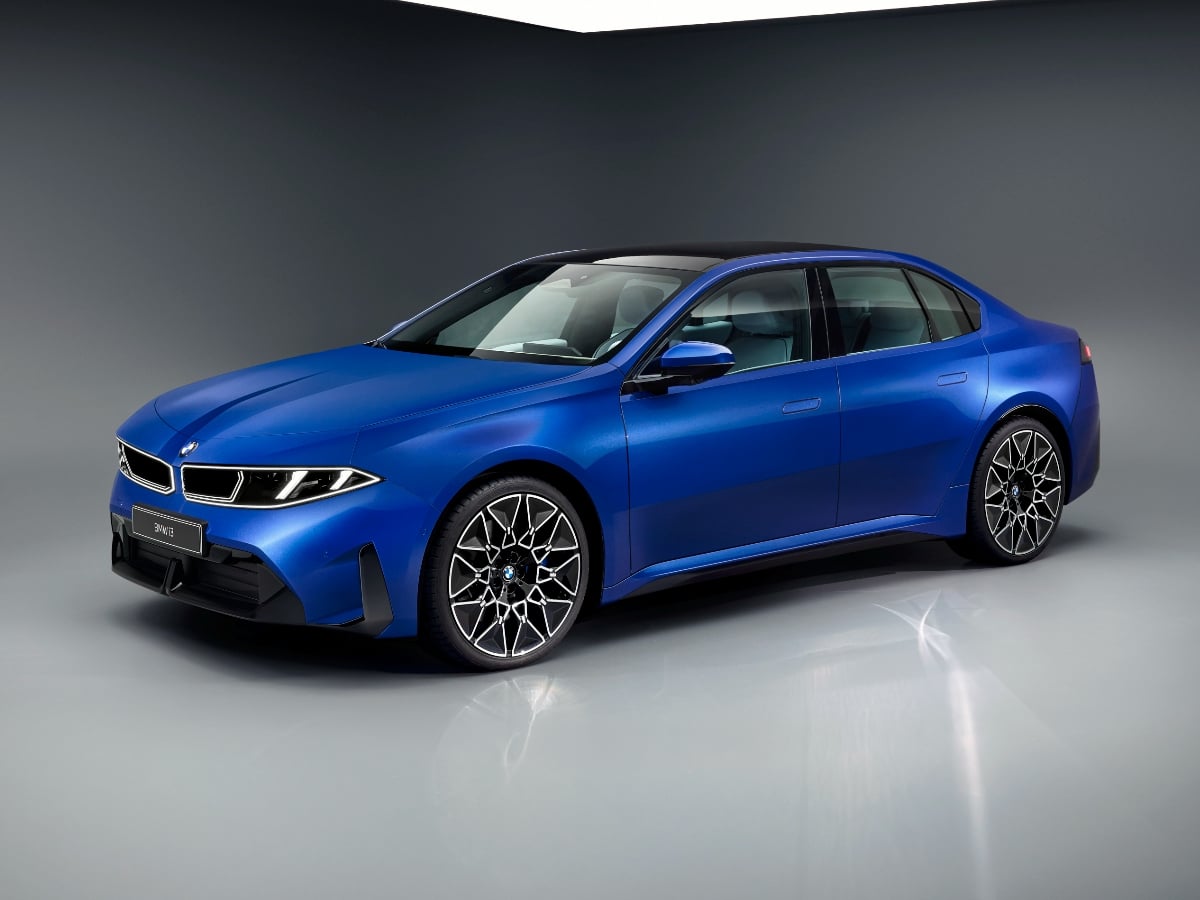
The new 2027 BMW i3 boasts an estimated range of up to 440 miles, 400-kilowatt DC fast charging capability, bidirectional charging to a home or the grid, and next-generation technology.
Read the Full Article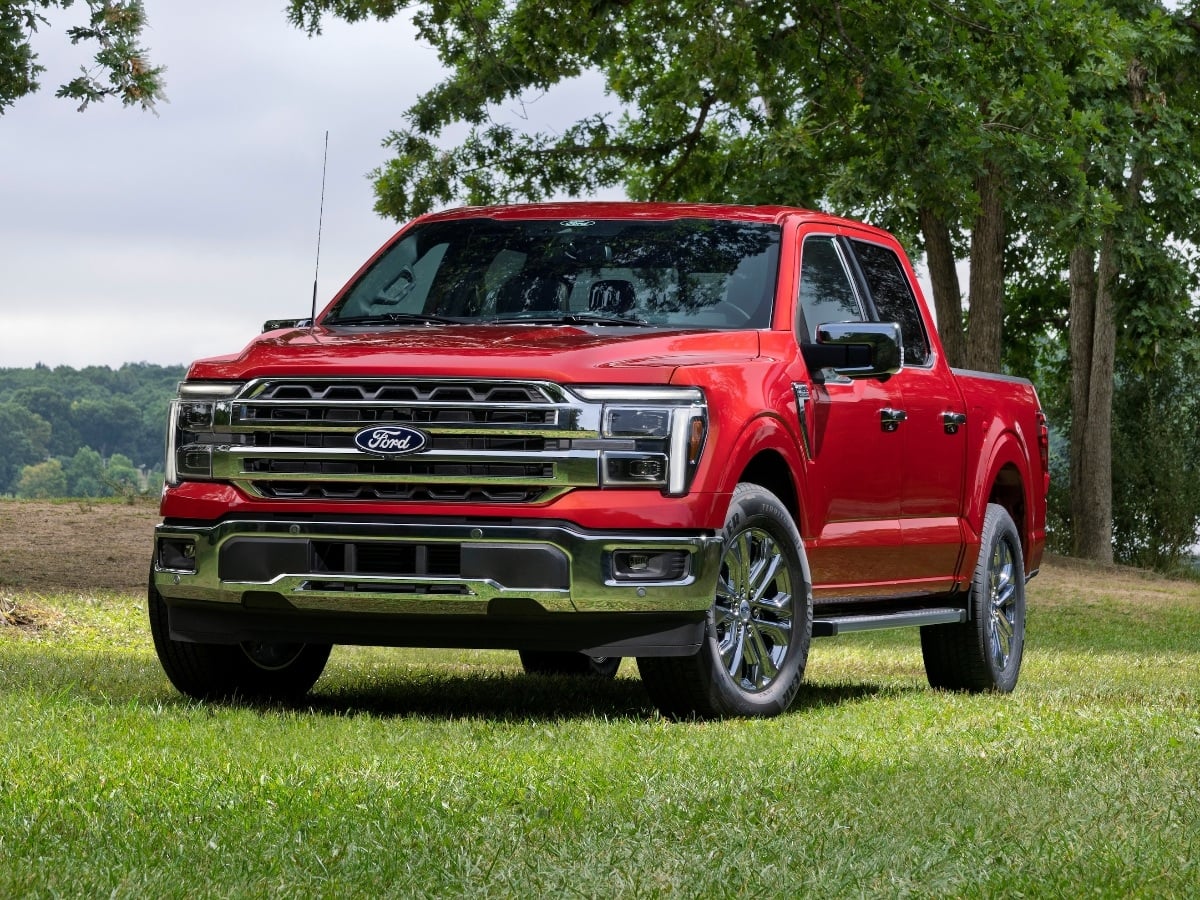
Facing renewed competition in the full-size, light duty pickup truck segment, the 2027 Ford F-150 receives subtle styling updates, a new standard engine, broader availability of its 5.0-liter V8, and ...See More
Read the Full Article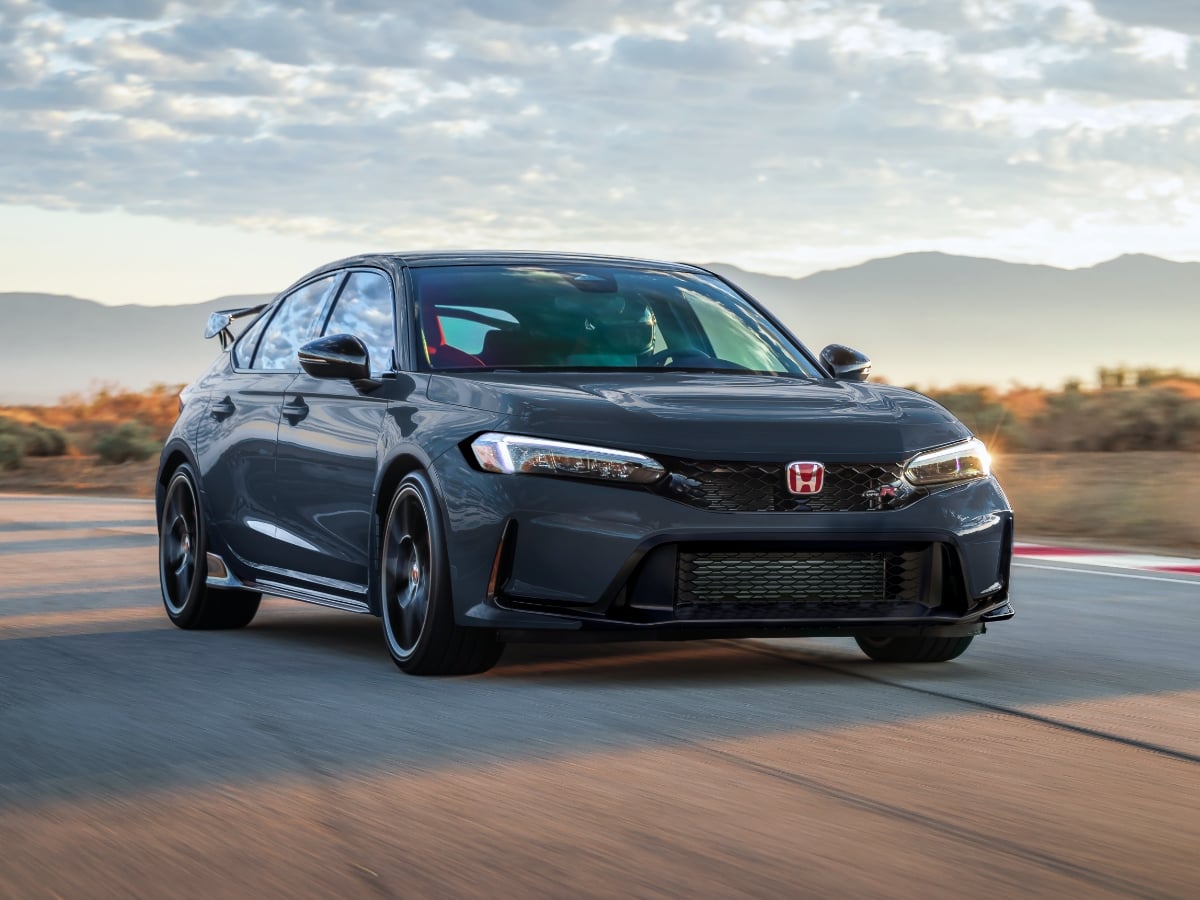
The 2027 Civic Type R goes on sale in October 2026, and it starts at $49,990, including the $1,295 destination charge.
Read the Full Article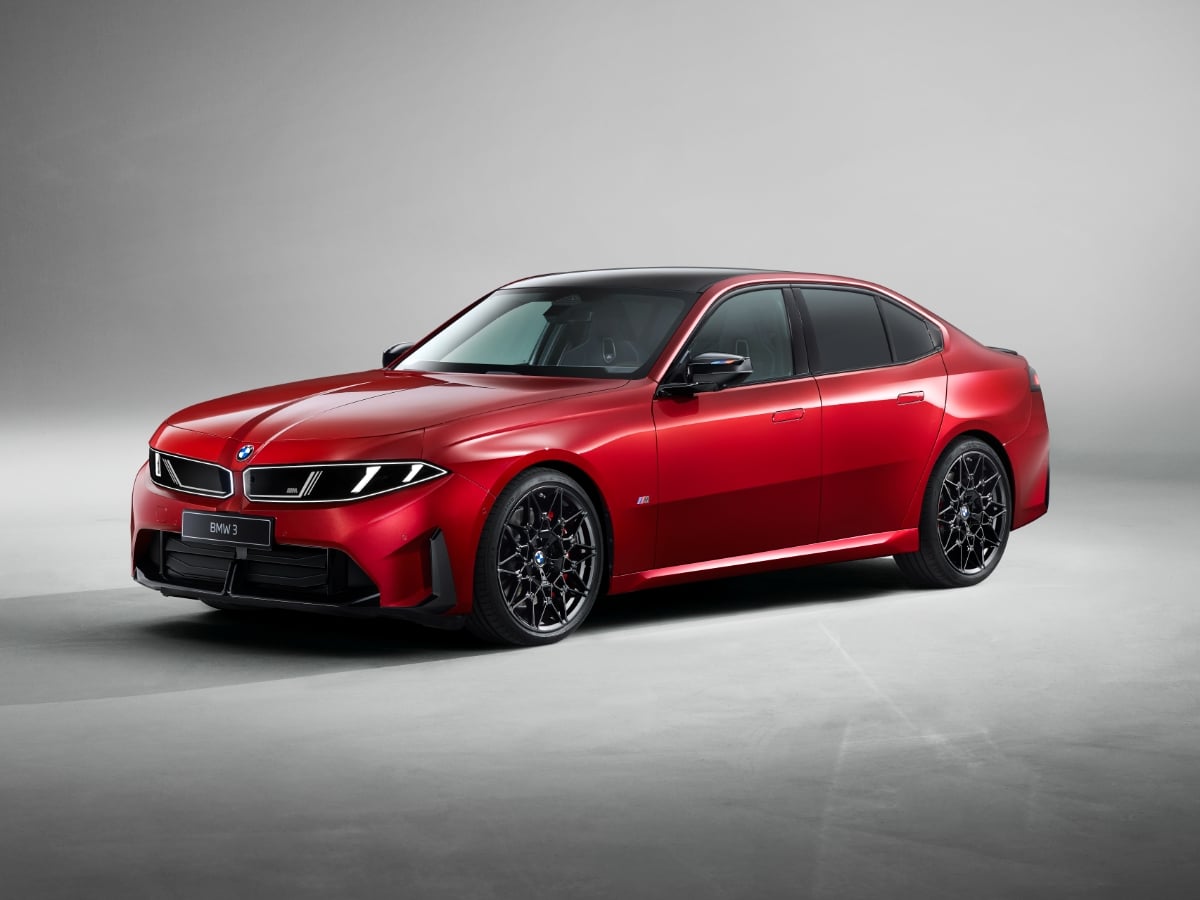
Part of BMW’s Neue Klasse (new class) rollout of redesigned models, the 2027 BMW 3 Series is all-new and goes on sale in the first quarter of 2027.
Read the Full Article