
Tie rods are essential parts of a vehicle's steering system. They are located towards the end of the steering rack and connect the steering and suspension systems to the front wheels, which allows the precise turning of the wheels in response to the turning of the steering wheel. With the proper functioning of the tie rods, it will be easier to steer your vehicle in the desired direction, and it can also prevent alignment problems.

Generally, tie rods should last the life of the vehicle. However, certain external factors such as speed humps, potholes, or rough roads can accelerate the wearing out of tie rods, especially when the vehicle is driving over them at speed. Also, because the tie rods constantly spring into action as the steering wheel turns, they are bound to wear out over time. Therefore, it is essential to pay attention to the signs of bad tie rods and have your vehicle attended to once it starts showing these signs.
Since tie rods connect the suspension, steering system, and wheels, a worn-out tie rod cannot hold them firmly together, leading to vibrations in the steering wheel as the vehicle moves.
The steering wheel starts to feel loose since the bad tie rods are no longer properly connected. As such, the vehicle becomes less responsive when turning the steering wheel, and the wheels can move in any direction.
Worn-out tie rods lead to poor alignment since there is a loosened connection with the wheels. Thus the vehicle always reverts to having a poor alignment shortly after going through an alignment procedure.
Usually, a vehicle should continue to travel in a straight line when you take your hands off the steering wheel. Worn-out tie rods will cause the vehicle to move to the left or right as you try to maintain control.
A clicking or squeaking sound from either of the front wheels while driving is an indication of a bad tie rod. The sound intensifies as speed increases or when taking corners.
Ties are bound to wear out, but they wear out faster due to the worn-out tie rods. It can also lead to uneven wear, making a portion of the tie, especially the inner or outer edges, wear out faster than the rest.
The loosened suspension and steering components, poor alignment, and unevenly worn tires create vibrations in the vehicle while it moves, rendering it less comfortable to drive.
The cost of replacing a tie rod depends on the type of vehicle, the parts' scarcity, and the quality. The average cost ranges from $100 to $400. However, expect to pay more for luxury and high-end vehicles.
It would be best if you always replaced tie rods in pairs. That's because the tie rods on both sides of the front wheels are subject to the same road conditions. Hence significant wear on one side indicates a similar amount of wear on the other. Not replacing them in pairs can result in alignment problems, and you will have to shoulder the cost of multiple alignment services.
Typically it is best to have a professional mechanic attend to your vehicle if you suspect the tie rods could be in trouble. However, you can perform the check by following a few simple steps. Here is how to check the condition of your vehicle's tie rods.
You are encouraged to avoid driving a vehicle with a worn-out tie rod since the components that make up the steering system, including the tie rods, are safety sensitive and must be in good condition all the time. Not attending to a bad thyroid promptly compromises your safety as well as the safety of other road users.
Since tie rods are vital components of the steering system, it is vital to replace them immediately after they show signs of wear. The cost of replacing a tie rod varies depending on the type of vehicle, accessibility of the parts, and quality. All the same, expect to spend between $100 and $400 for a tie rod replacement.


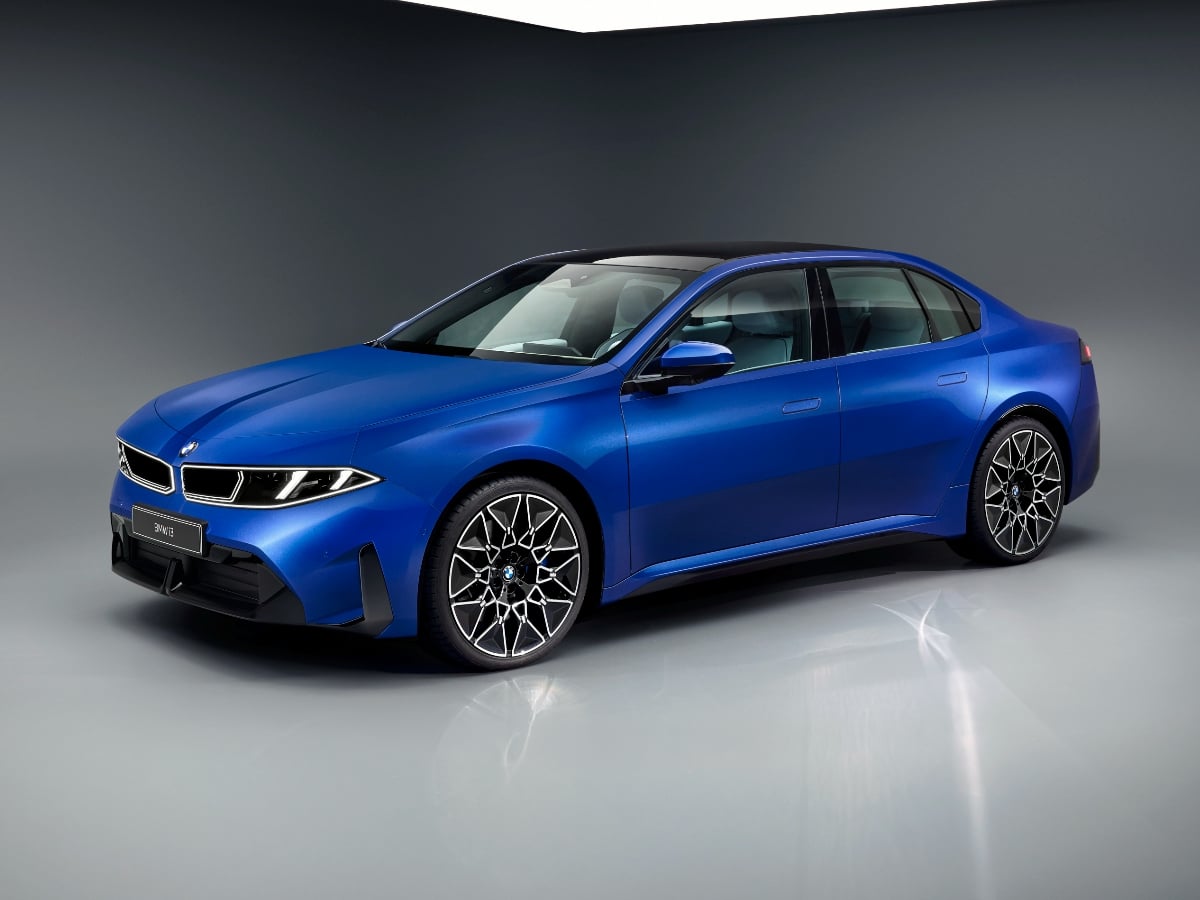
The new 2027 BMW i3 boasts an estimated range of up to 440 miles, 400-kilowatt DC fast charging capability, bidirectional charging to a home or the grid, and next-generation technology.
Read the Full Article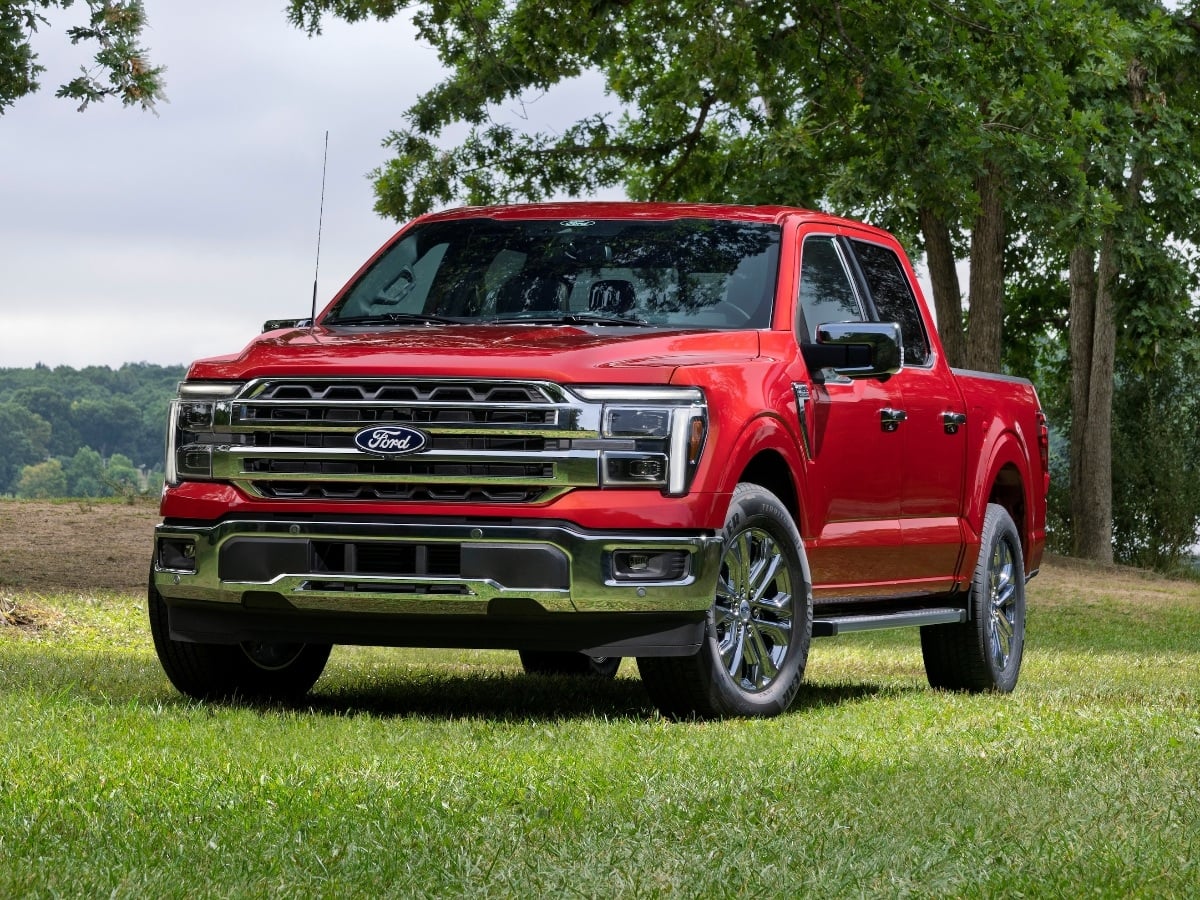
Facing renewed competition in the full-size, light duty pickup truck segment, the 2027 Ford F-150 receives subtle styling updates, a new standard engine, broader availability of its 5.0-liter V8, and ...See More
Read the Full Article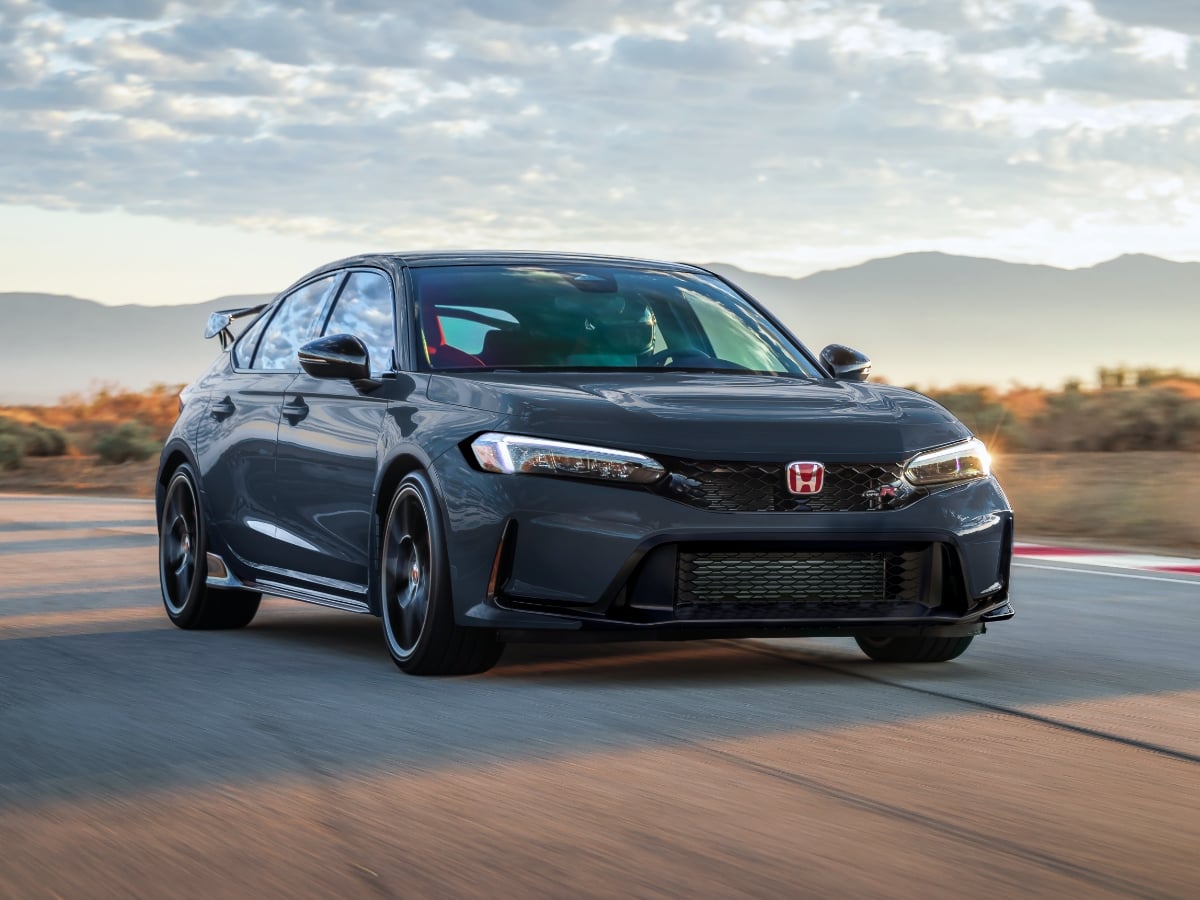
The 2027 Civic Type R goes on sale in October 2026, and it starts at $49,990, including the $1,295 destination charge.
Read the Full Article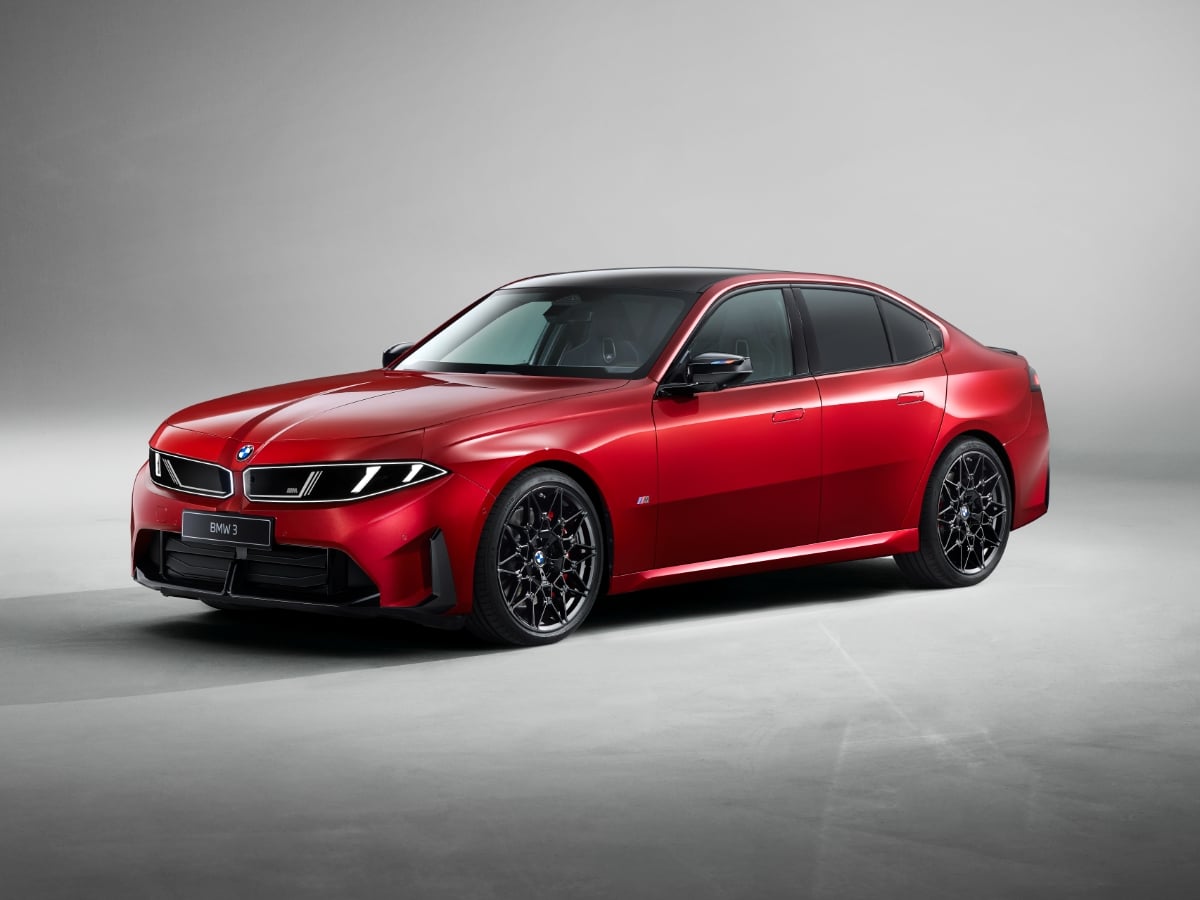
Part of BMW’s Neue Klasse (new class) rollout of redesigned models, the 2027 BMW 3 Series is all-new and goes on sale in the first quarter of 2027.
Read the Full Article