
Many car owners overlook the significance of each component of their vehicle; the serpentine belt. The serpentine belt is a vital component of a car. If it breaks, you might end up stranded on the road waiting for a tow truck. The serpentine belt is responsible for powering most of the engine's components. If the belt fails, the car may stop running, so it is crucial to keep up with regular inspections and maintenance to replace a worn-out belt.
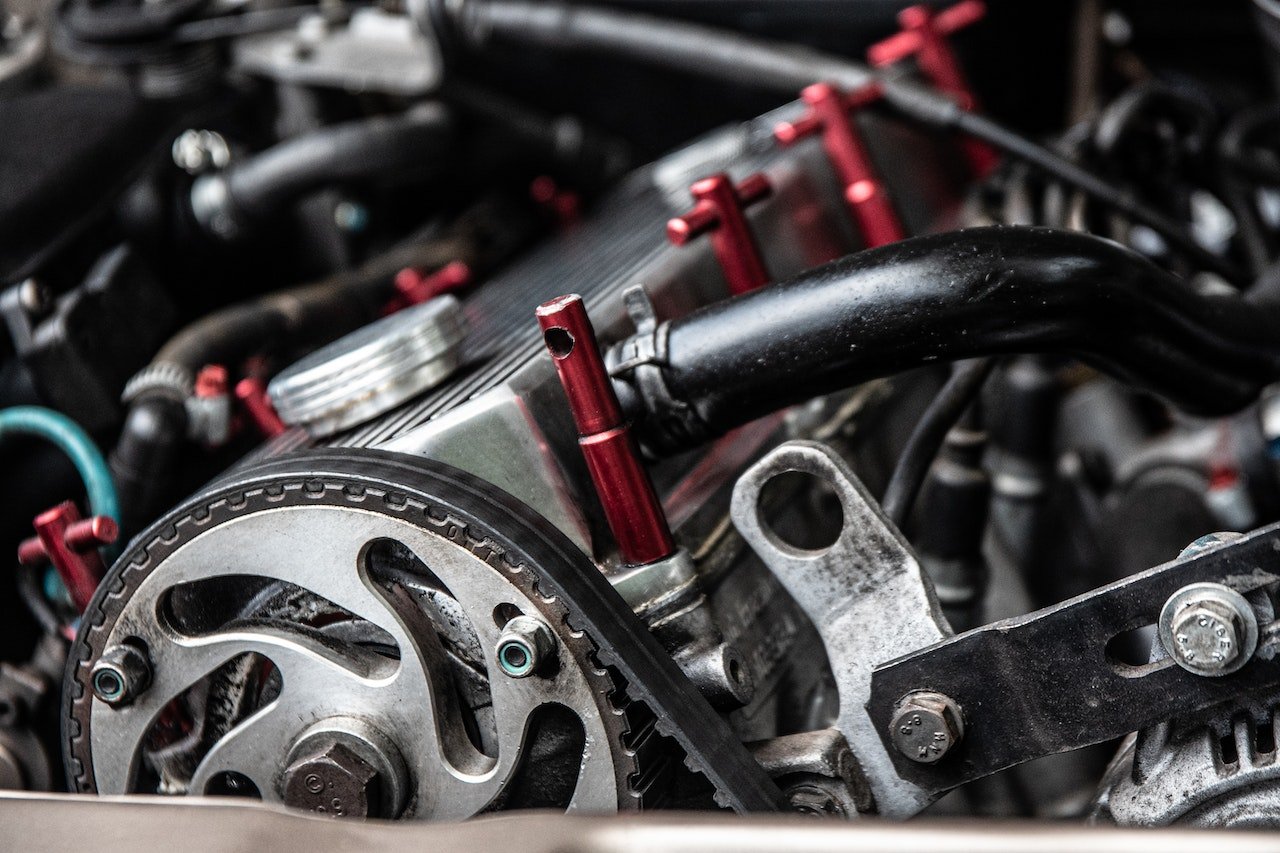
The serpentine belt, also known as the drive belt or fan belt, is the part of the engine that links all its components together. It is a long rubber belt that wraps around several pulleys connected to the engine’s components, such as the alternator, water pump, power steering pump, and air conditioning compressor. The belt provides power to the connected components, allowing them to operate. The belt, driven by the crankshaft pulley, is connected to the engine’s crankshaft. As the crankshaft rotates, it turns the pulley, which pulls the belt, providing power to the components. The belt also helps to keep the engine running smoothly.
Over time, the serpentine belt can become worn and stretched and needs to be replaced with a new one to keep the engine running efficiently and from malfunctioning. A malfunctioning serpentine belt may result from various factors, including a worn belt or dry serpentine belt, a worn-out pulley or wrong pulley alignment, exposure to coolant, cold weather, and a misaligned belt due to improper installation.
Signs of a bad serpentine belt in your car can be challenging to spot, but several indicators can point to its impending failure. Common symptoms of a malfunctioning serpentine belt include
The most common symptom is a loud noise from the engine bay. If the belt is slipping or worn, it can create a squealing sound easily noticeable when the engine is running.
If the serpentine belt fails and breaks, you will notice a loss of power steering, air conditioning not working, and the engine will no longer be able to be cooled. If the power steering fails when moving, it could cause serious safety issues.
Since the serpentine belt helps provide power to cool the engine, a failing belt can cause your engine to overheat as the water pump will not turn. As soon as your engine starts overheating, have it inspected by a mechanic because it can lead to a breakdown and cause damage to your engine if it is left to keep overheating.
Check for cracks, missing chunks, abrasions, rib separation, uneven rib wear, and damaged ribs. If you notice these, it is time to replace your serpentine belt.
As soon as you notice a squealing noise, loss of power steering, the engine overheating, or the belt looks bad, call a mechanic immediately to diagnose the problem further. Your mechanic makes getting repairs to your serpentine belt easy by coming to your location to diagnose or fix issues.
Replacing a serpentine belt is a straightforward task and may take a few hours using essential tools. The driver or professional mechanic must replace the serpentine belt every 50,000 miles to ensure the proper functioning of the vehicle’s various systems. However, if the belt is loose or damaged, it should be inspected and replaced as soon as possible.
When replacing a serpentine belt, ensure that the belt is properly tensioned and aligned correctly. All pulleys should be inspected and cleaned before installing the new belt. Finally, according to the vehicle manufacturer's instructions, ensure that the belt gets routed and that the idler and tensioner pulleys are appropriately lubricated.
The average cost for serpentine belt replacement is between $109 and $134. Labor costs are estimated between $57 and $72, while parts range between $52 and $62. Whether you go to the mechanic or do it yourself, replacing a serpentine belt costs $58 to $126. The price of a serpentine belt starts at around $25 and goes up to $75 at most. It typically takes about an hour to replace the serpentine belt, and if you know some car repair basics, you could change the belt yourself.
The serpentine belt is the part of the engine that links all its components together. The belt provides power to the connected components, allowing them to operate. Some signs of a bad serpentine belt include a squealing noise, loss of power steering, the engine overheating, and cracks on the belt. It is essential to replace the belt before it breaks, as it can cause several mechanical failures and leave you stranded on the side of the road. The average cost for serpentine belt replacement is between $109 and $134.



With a purposeful new design and some trail-ready upgrades, the 2027 Hyundai Tucson is pushing the brand's best-selling crossover SUV into more aggressive territory.
Read the Full Article
For more than 25 years, the BMW X5 has helped to define the luxury SUV segment. Now, the redesigned fifth-generation 2027 BMW X5 arrives with the automaker’s Neue Klasse styling, a roomier interior, ...See More
Read the Full Article
One of Lexus's most popular models, the NX crossover SUV is also one of the most affordable in the company’s lineup. The 2027 Lexus NX transitions to hybrid-only powertrains, and gets revised ...See More
Read the Full Article
The new 2027 BMW i3 boasts an estimated range of up to 440 miles, 400-kilowatt DC fast charging capability, bidirectional charging to a home or the grid, and next-generation technology.
Read the Full Article