How Much Does It Cost To Replace A Head Gasket?

Dustin Hawley | Jul 06, 2023

A head gasket is a crucial component of your vehicle's engine, sealing the engine block and cylinder head to prevent coolant and oil from mixing. When a head gasket fails, it can cause various problems, including engine overheating, oil leaks, and decreased engine performance. 

How Much Does It Cost To Replace A Head Gasket

This article will explore the cost of replacing a head gasket, including factors that can impact the price, and provide tips on choosing a reputable mechanic and avoiding head gasket issues.

What is a Head Gasket and How Does it Work?

A head gasket is a thin, multi-layered gasket between the engine block and cylinder head. Its primary function is to seal the engine and prevent coolant, oil, and other fluids from mixing and contaminating each other. The head gasket also helps maintain proper engine compression, ensuring the engine runs smoothly and efficiently.

Factors That Impact the Cost of Replacing a Head Gasket

Several factors can impact the cost of replacing a head gasket, including:

  • Vehicle type. The cost can vary depending on your vehicle's make, model, and year. Some vehicles, such as sports cars and high-performance vehicles, may require more specialized parts and labor, increasing the repair cost.
  • Location. Your area's cost of living and labor rates can also impact the price. For example, in large cities with high living costs, replacing a head gasket may be costlier than in rural areas with lower living costs.
  • Mechanic. The cost can vary depending on the mechanic you choose. Some mechanics charge more for their services, while others may offer discounts or promotions.
  • Parts. The cost of the head gasket and any additional parts that may be required for the repair can impact the overall cost of the repair. High-quality parts may cost more but can provide better performance and service life.
  • The severity of the problem. The cost of replacing a head gasket can also depend on the severity of the problem. If the gasket has failed, more time may be required, increasing the overall cost of the repair.

Replacement Costs And Choosing A Mechanic

The cost of replacing a head gasket can vary widely, depending on the abovementioned factors. On average, you can expect to pay between $1,000 and $3,000 for a head gasket replacement, with the average cost being around $1,500.

When choosing a mechanic for a head gasket replacement, it's important to choose a reputable and experienced professional who can provide high-quality work at a fair price. Here are a few tips to help you choose the right mechanic:

  • Ask for recommendations. Ask friends, family, and colleagues for recommendations on reputable mechanics in your area.
  • Research mechanics online. Check online reviews and ratings of mechanics in your area to see what others say about their services.
  • Check certifications. Look for mechanics certified by professional organizations, such as the National Institute for Automotive Service Excellence (ASE), to ensure they have the knowledge and skills to provide high-quality work.
  • Compare prices. Get quotes from several mechanics to compare prices and ensure you're getting a fair deal.
  • Check the warranty. Make sure the mechanic offers a warranty on their work to protect you in case of any issues.

Tips for Avoiding Head Gasket Issues

In addition to choosing a reputable mechanic, there are also steps you can take to avoid head gasket issues and minimize the risk of having to replace a head gasket in the first place. Here are a few tips to help you keep your head gasket in good condition:

  • Maintain proper engine coolant level. Regularly check your engine coolant level and top it off as needed to prevent overheating and damage to the head gasket.
  • Change your oil regularly. Regular oil changes can help to prevent contamination and extend the life of your engine components, including the head gasket.
  • Avoid overloading your engine. Avoid overloading your engine by not towing heavy loads or using your vehicle for excessive idling, as this can put additional stress on the head gasket and cause it to fail.
  • Address engine issues promptly. If you notice any unusual engine noises, leaks, or warning lights, have them inspected and repaired promptly to prevent further damage to the head gasket and other engine components.

Summary

Replacing a head gasket can be costly, but it's important to ensure that it's done correctly to prevent further damage and extend the life of your vehicle. By choosing a reputable mechanic, avoiding head gasket issues, and taking care of your engine, you can help to minimize the risk of a head gasket failure and keep your vehicle running smoothly.

What’s Next?


Cars for Sale
Want to Take Action?
Shop Cars for Sale

Car Trade-in Values
Curious About Your Car’s Trade-in Value?
Find out With Our Car Trade-in Values Tool

Best Cars and Trucks
Want to Maximize Your Purchasing Power?
Explore Our Listings of the Best Cars and Trucks

EV Charging Stations Near Me
Need to Find EV Charging Stations Near You?
Check Out Our EV Charging Stations Map

Explore New Car Previews

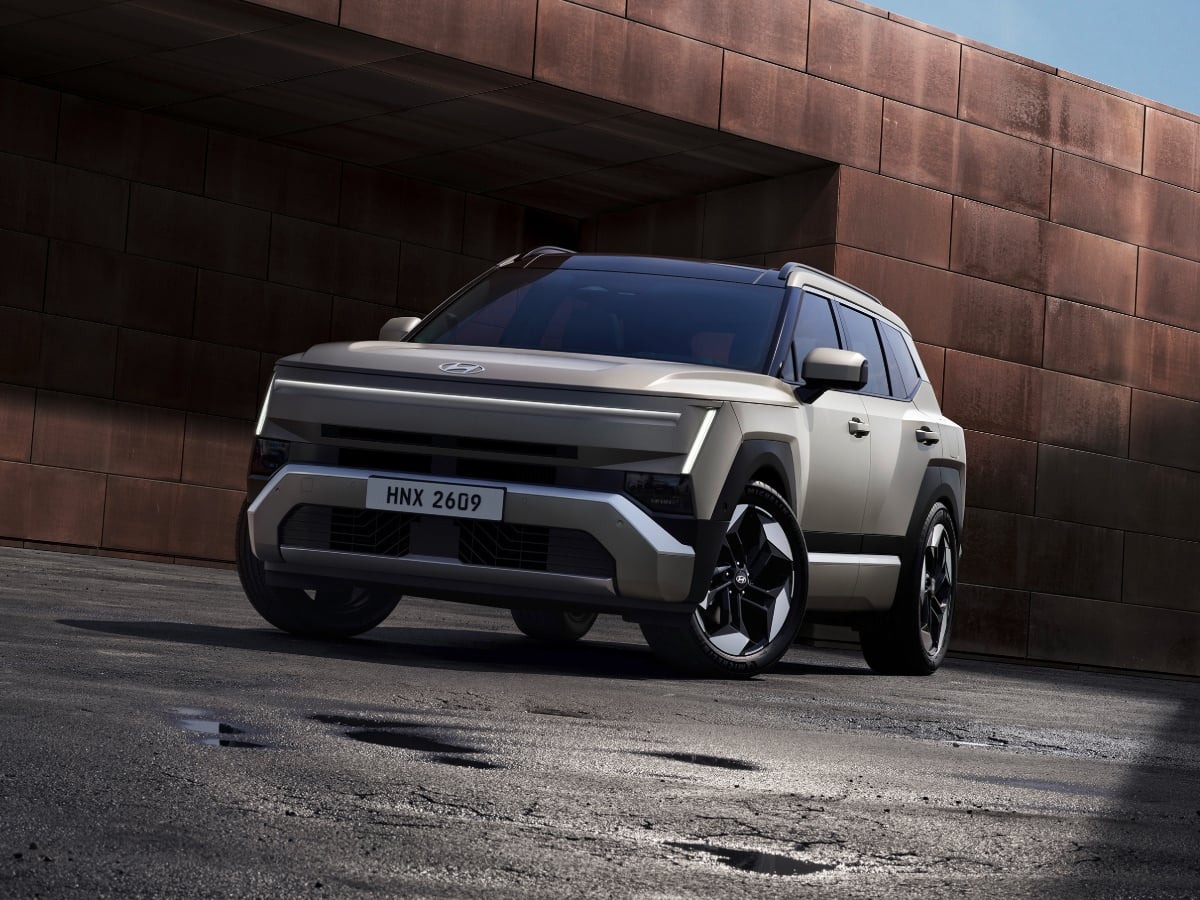
2027 Hyundai Tucson Preview

2027 Hyundai Tucson Preview

With a purposeful new design and some trail-ready upgrades, the 2027 Hyundai Tucson is pushing the brand's best-selling crossover SUV into more aggressive territory.

Read the Full Article
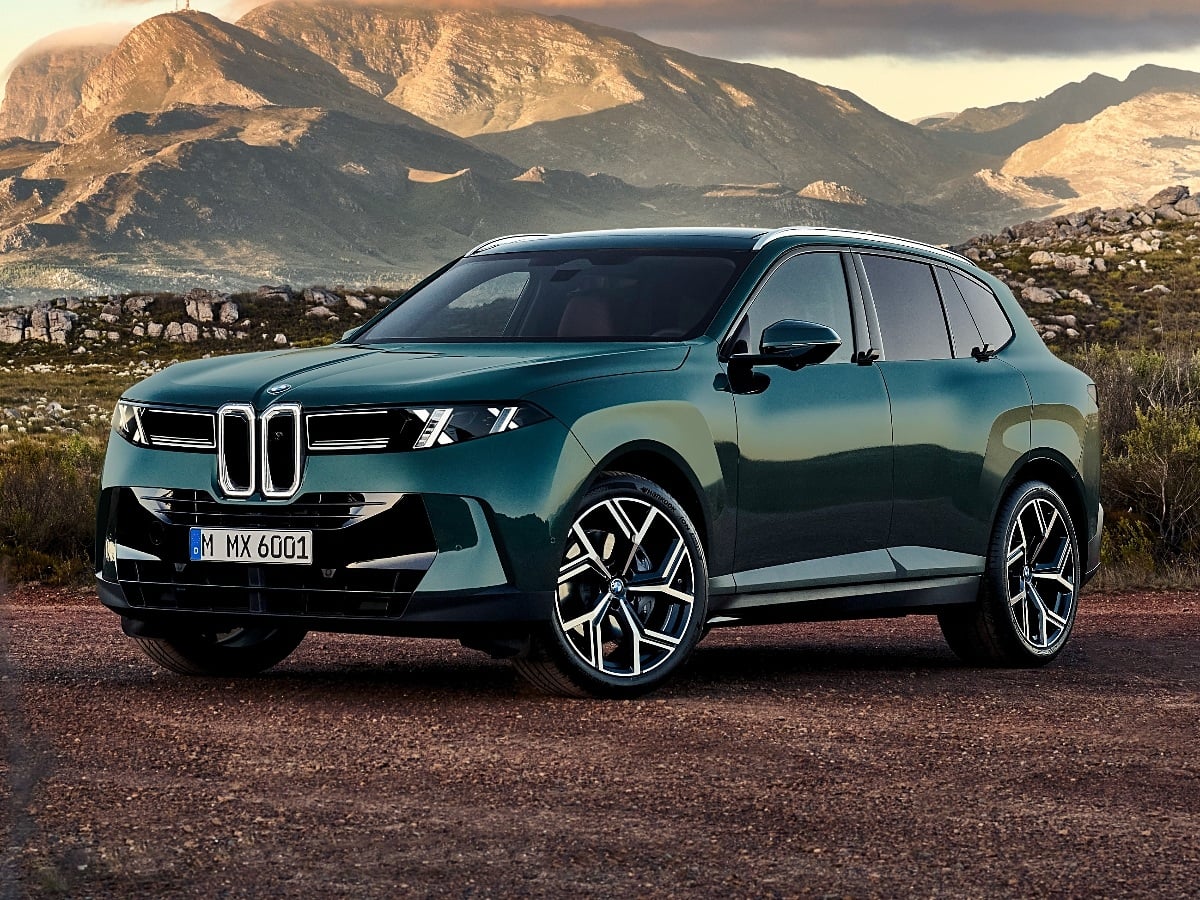
2027 BMW X5 Preview

2027 BMW X5 Preview

For more than 25 years, the BMW X5 has helped to define the luxury SUV segment. Now, the redesigned fifth-generation 2027 BMW X5 arrives with the automaker’s Neue Klasse styling, a roomier interior, ...See More

Read the Full Article
2027 Lexus NX Preview

2027 Lexus NX Preview

One of Lexus's most popular models, the NX crossover SUV is also one of the most affordable in the company’s lineup. The 2027 Lexus NX transitions to hybrid-only powertrains, and gets revised ...See More

Read the Full Article

2027 BMW i3 Preview

2027 BMW i3 Preview

The new 2027 BMW i3 boasts an estimated range of up to 440 miles, 400-kilowatt DC fast charging capability, bidirectional charging to a home or the grid, and next-generation technology.

Read the Full Article