
Constant velocity axles, also known as CV axles, play a vital role in a vehicle's ability to drive. They are the drivetrain's final components that connect to the wheels and transfer the power required to drive the vehicle. If a CV axle becomes worn-out or faulty, the automobile will struggle greatly. This article explains what CV axles are and covers the costs involved in replacing the CV axle.

Constant Velocity (CV) axles and the Constant Velocity (CV) joints transmit the engine's power delivered through the transmission to the wheels, enabling the wheels to propel the vehicle. Every CV axle has two joints, an inner and an outer joint. The inner joint couples to the transmission and the differential, while the outer joint couples to the wheel hub. These joints can twist and turn at sharp angles and continue to send constant torque to the wheels, enabling the wheels to turn from side to side at corners and move up and down over bumps without cutting power. Hence the name constant velocity.
Initially, CV axles were primarily featured in front-wheel drive vehicles but are now available in rear and all-wheel drive cars even if they have independent suspensions as they allow the wheels to freely move up and down with the suspension and still transmit the torque required to drive the vehicle.
CV joints require enough grease to keep them lubricated at all times. For this reason, they're covered in heavy-duty rubber boots with ample grease that flexes with the joints and protects them from the elements. Nonetheless, these rubber boots wear out over time due to the harsh conditions beneath the vehicle. Water and mud, road salt, and other elements cause the boots to crack, lose lubrication and render the joints vulnerable.
On average, a single axle replacement costs between $300 and $1,500, depending on the type of vehicle and labor hours. The cost of parts ranges between $760 and $1,030, while labor cost is between $170.00 and $180.
Replacing a single axle usually takes about 1.5 to 3 hours, so replacing all four others can take up to 12 hours, which increases the cost if you factor in both parts and labor. However, replacing all four axles is optional. You can replace just one axle if it is all that is required. Additionally, CV axles can last as long as the vehicle.
Generally, there are signs that show that a CV axle requires replacement, and the most common ones will be listed below.
If there is constant clicking and popping noise anytime the vehicle turns, this is due to the loose joints and reduced lubrication. However, it’s not uncommon for a clunking or knocking sound to appear and gradually intensify.
Constant vibrations in the vehicle, which increase as the vehicle picks up speed, and an unusually bouncy drive indicate a worn-out CV joint or axle. It is risky to drive the vehicle at this point since the axle is on the verge of being broken. If shattered, it can strike other components, such as the suspension, exhaust, struts, and brake lines, in its way.
The joints wobble out of balance whenever the accelerator is engaged since they no longer have the strength to handle the torque from the engine. You can inspect the axle by placing the vehicle on a lift and grabbing and shaking the axle at the joints on both sides. Any movement indicates a failing axle.
Flings of grease inside the wheel well, tires, underneath the car, and around the joints also indicate a failing axle. It is crucial to check the condition of the rubber boots that cover the joints when having an oil change or other maintenance items taken care of, and have the axles inspected when there are signs of cracks or grease on the boots.
CV axles significantly affect a vehicle's ability to drive. Therefore any sign that signifies a worn-out CV axle should be taken seriously, as ignoring the problem can lead to accidents or an even worse situation. Regarding replacement costs, expect to pay $300 at least and $1,500 at most for a single axle.


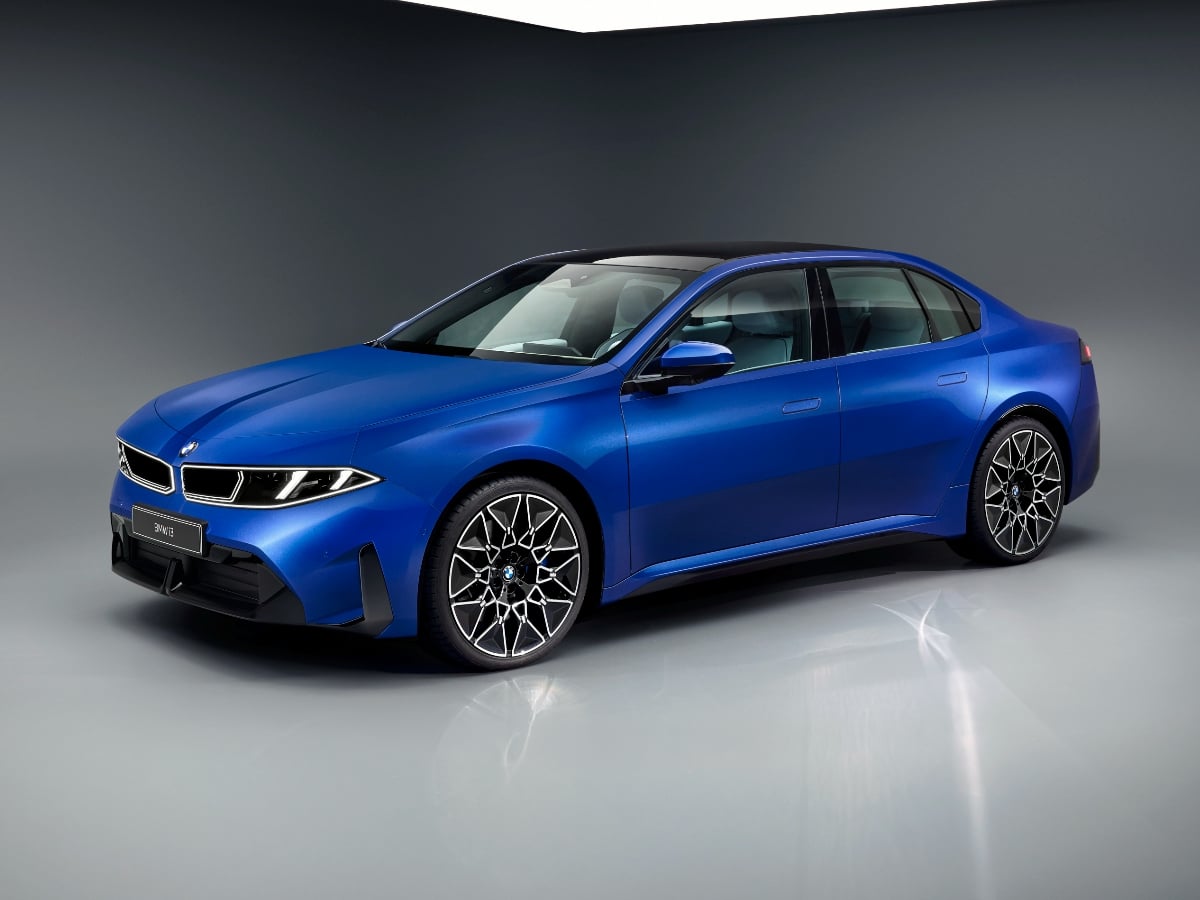
The new 2027 BMW i3 boasts an estimated range of up to 440 miles, 400-kilowatt DC fast charging capability, bidirectional charging to a home or the grid, and next-generation technology.
Read the Full Article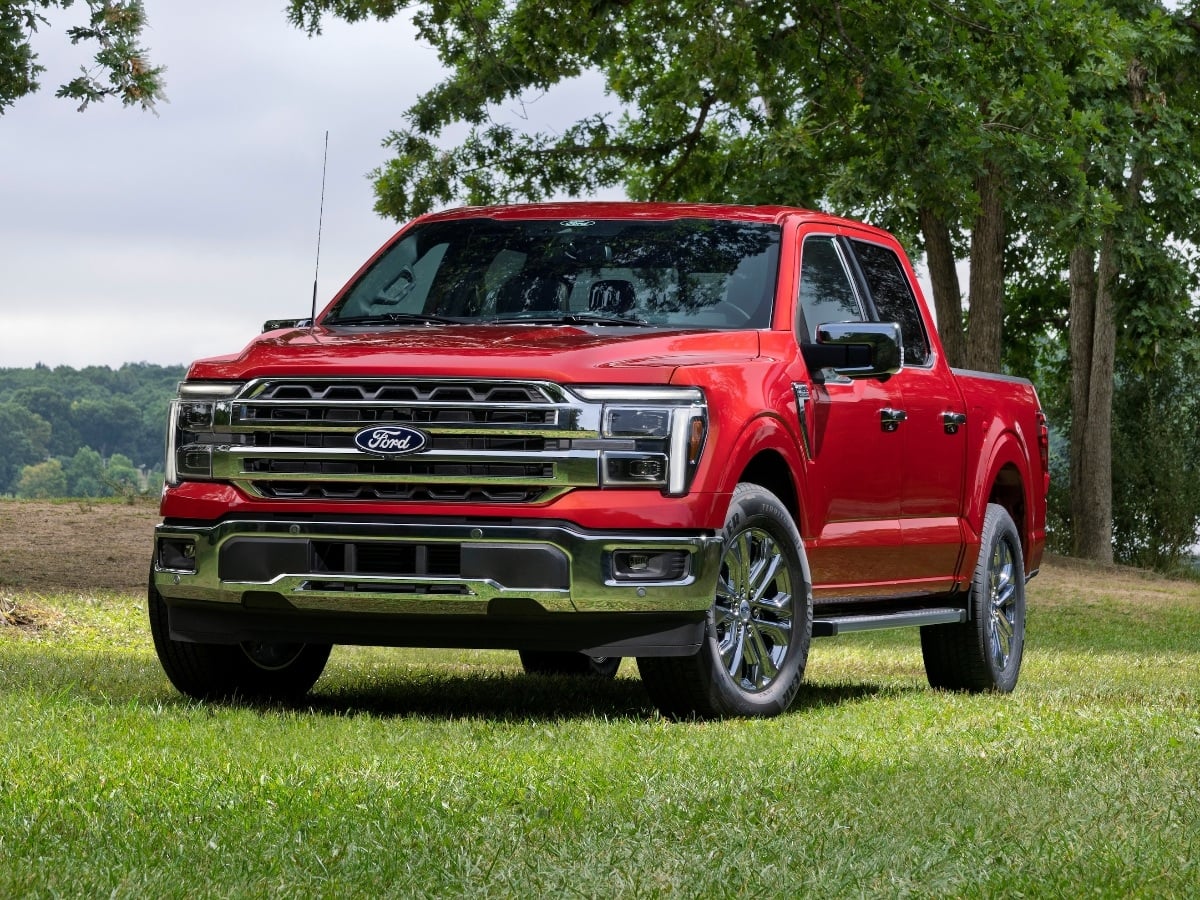
Facing renewed competition in the full-size, light duty pickup truck segment, the 2027 Ford F-150 receives subtle styling updates, a new standard engine, broader availability of its 5.0-liter V8, and ...See More
Read the Full Article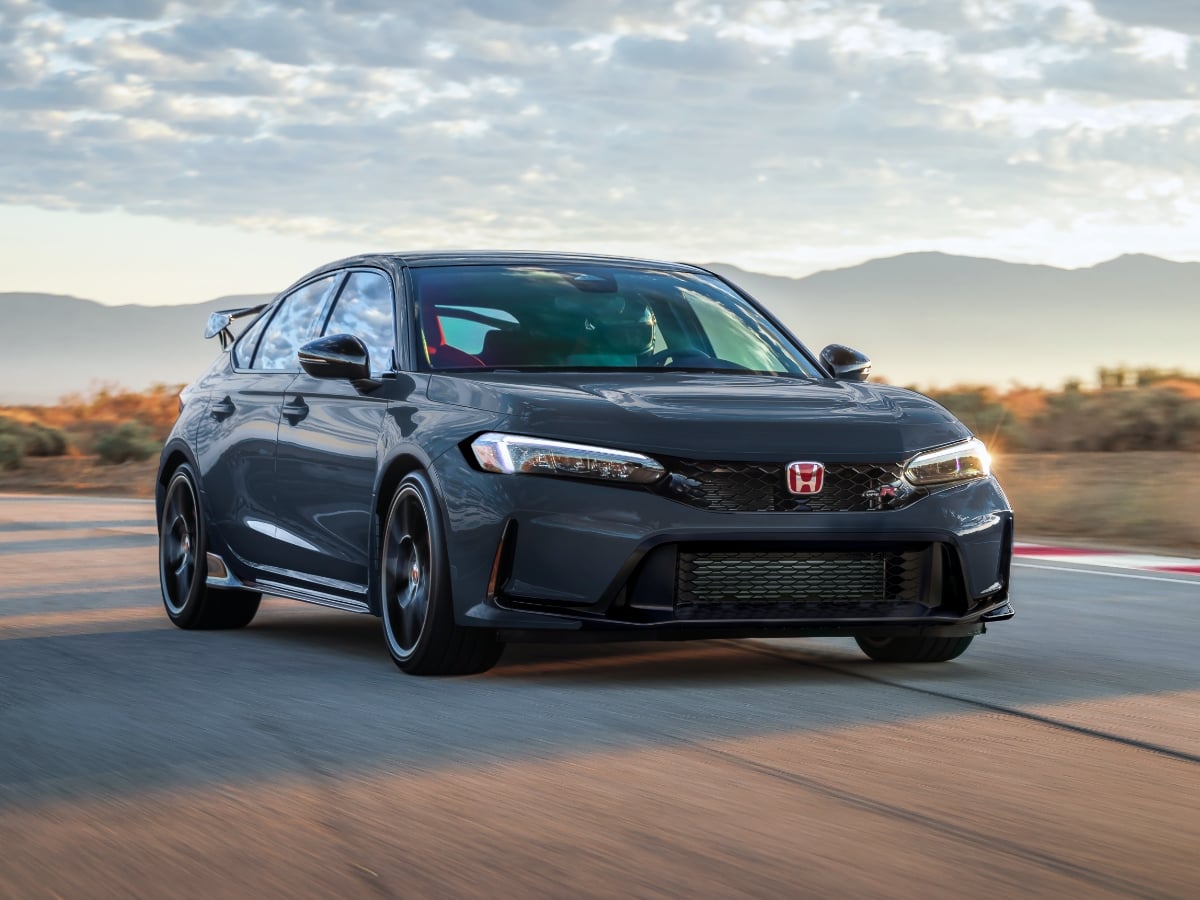
The 2027 Civic Type R goes on sale in October 2026, and it starts at $49,990, including the $1,295 destination charge.
Read the Full Article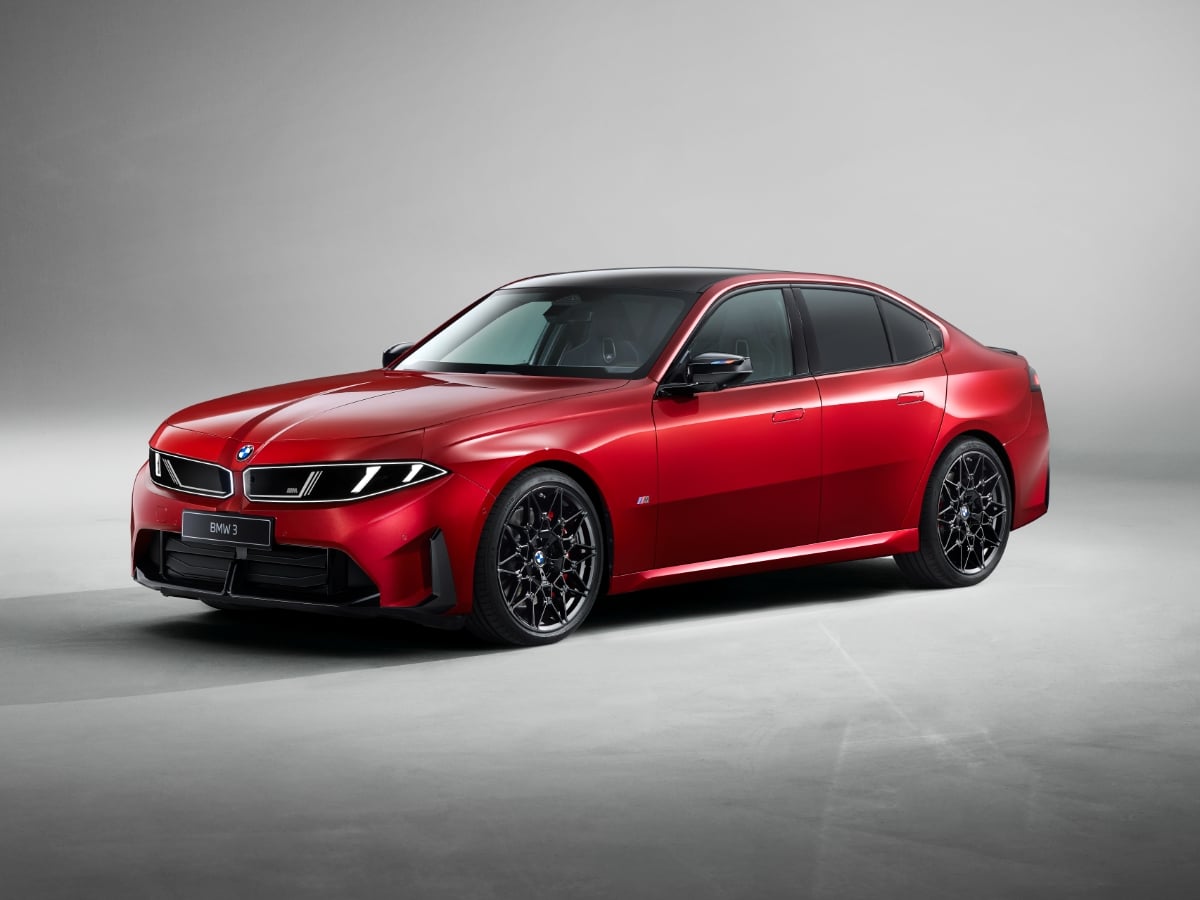
Part of BMW’s Neue Klasse (new class) rollout of redesigned models, the 2027 BMW 3 Series is all-new and goes on sale in the first quarter of 2027.
Read the Full Article