
Purchasing an EV is an eco-friendly solution that helps reduce air pollution, slow down natural resource depletion, and save you cash. However, charging such a vehicle can quickly become a hassle, so many owners choose to install a charger at home.

If you’ve recently bought an EV or are actively considering it, it’s essential to know the basics. And we can certainly show you the ropes by exploring the topic in-depth.
All EVs are powered by rechargeable batteries, each with a different capacity. Because of this, each model has its own mileage range which contributes to how often you stop at charging stations.
The formula is simple if you want to calculate how long it takes to charge your battery to full capacity: You take the net capacity and divide it by your charger capacity. For instance, if your net capacity is 60 kilowatt-hours (kW-h) and the charger capacity is 15 kW, you’ll need 4 hours to properly charge your car.
The cheapest method to charge an EV is at home. Home EV charging electricity consumption is comparable to working electric equipment, like a heater or an AC unit. By charging your EV at home, you’ll generally pay 30-50% less than at the designated charging stations.
Charging stations are classified into three categories assigned by levels. Each level has a different set of characteristics, but the most important thing you need to know is that the higher the level, the faster you charge the battery.
Level 1 chargers are the most basic. You get them when you purchase the vehicle and plug them into standard 120 V outlets. Their capacity is around 1.9 kW, which translates to about 6 miles per charging hour, meaning you charge your battery to full in 32 hours. While they’re not that fast, level 1 chargers are more convenient.
Most charging conversations typically focus on full battery electric vehicles. Let’s consider a driver who owns a Toyota RAV4 Prime PHEV (Plug-in Hybrid Electric Vehicle). Given the RAV4 Prime can travel approximately 42 miles on an electric charge alone before its gas-powered hybrid engine kicks in, owners may decide to forgo purchasing a separate Level 2 home charging station.
Compared to a Level 1 charger, Level 2 chargers allow you to charge the automobile 5 to 7 times faster. They connect to a 240-volt unit and have up to a 19.2-kW capacity. You could also hardwire them to the home circuit. Such chargers don’t come with the car purchase, but you can easily find them on the market.
Level 3 stations use DC and 480-volt units and can fully charge a vehicle within 30 minutes. Those installed at home require special permits and a total upgrade of the electric circuit.
Level 1 Chargers typically do not require an additional installation cost as most houses have standard 120-volt outlets. However, if your home is only wired for up to 15-amp circuits or the plug is not close enough to the distribution box, you will need to hire an electrician. Local labor rates and whether the home is attached or detached affect the cost to upgrade a Level 1 outlet, but one can expect to pay at least $400.
Level 2 charging stations could be universal or vehicle-specific.
For example, Tesla sells two different Wall Connectors, one for Tesla models only and a Universal Wall Connector that can be used for all EVs.
Priced from $450, the Tesla exclusive Wall Connector features a NACS plug, a 24-foot cable, and the ability to add up to 44 miles per charging hour. It can be used in both indoor and outdoor settings and features a 4-year warranty for residential use.
Building on these same capabilities is the Universal Wall Connector which is $580 and includes a J1772 electrical connector (the most common connector type) in addition to the NACS plug making it usable for all EVs, including Tesla. This option makes sense for someone who wants to get the most freedom out of their home EV charger. For instance, guests visiting who have a Ford Mustang Mach-E could use the charger, or if you don’t want to restrict yourself to only driving a Tesla, it gives you the freedom to choose a different EV in the future.
Another example of a home charging station sold by an automaker is the Ford Connected Charge Station which is compatible with the Mustang Mach-E. Priced at $799, the station can charge 27 miles per charging hour on the Mach-E and 20 miles per charging hour on the F-150 Lightning Extended Range. It provides up to 48 amps, includes weatherproofing, and contains a 20-foot-long cable.
Ford F-150 Lightning owners can also opt for the Ford Charge Station Pro which delivers up to 80 amps on demand. More importantly, this $1,310 charger enables bi-directional flow so that power can be sent from the stored battery to power the home when paired with Ford’s Home Integration System.
On average, the home charger costs start at $500. If you already have a 240-volt spot at your place, the basic installation process might cost $200 to $500. However, if you are essentially starting from scratch and need to do the wiring and install a new service panel and 240-volt outlet, then add about $1,000 to $1,500 to your estimate, with the electrician’s work and materials like wiring and plugs included.
Federal, state, and municipal incentives encouraging EV adoption include bonuses and credits on home charger installation, so check out what they offer before making a decision.
A Level 3 home charger installation could cost up to $50,000, depending on where you live, what you drive, how fast you want your vehicle to charge, and what electrical changes your home requires.
After you decide which charger type to purchase, inspect things more closely, and look into plug or connector types. As noted earlier, Teslas require specific connectors and plugs, so make sure you get compatible equipment.
Then you need to consider if the charger should be hardwired or plugged in. If the unit is more than 40 amps, you should hardwire it. Other than that, mind the cable length and choose the right place to mount the charger, especially if you’re dealing with two cars at once.
When you get an EV, it’s best to carefully consider your charging options. Depending on the level and type of charging station you choose, you could spend anywhere from a few hundred to tens of thousands of dollars. Still, the final price also depends on particulars, like additional electric system upgrades. Fortunately, there are a range of options to meet various driver needs and budgets.


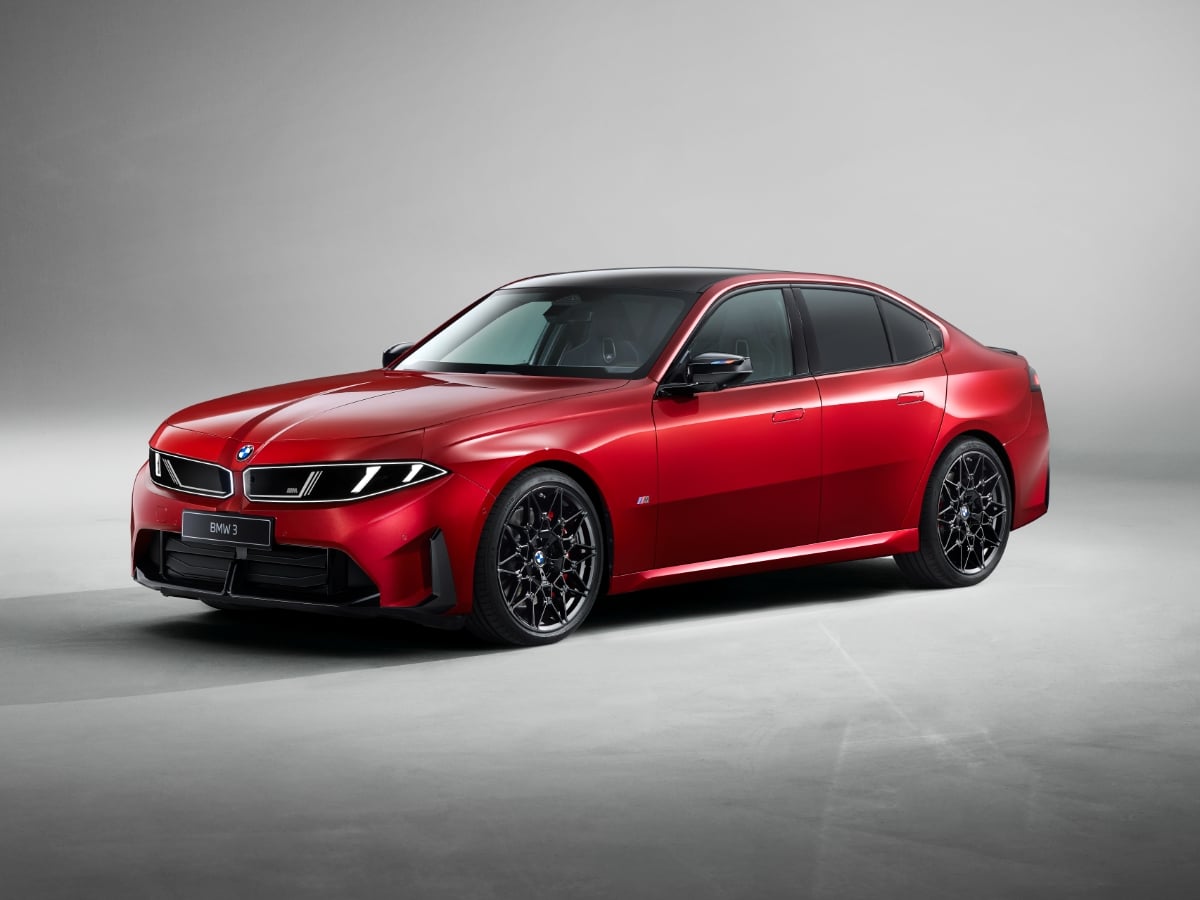
Part of BMW’s Neue Klasse (new class) rollout of redesigned models, the 2027 BMW 3 Series is all-new and goes on sale in the first quarter of 2027.
Read the Full Article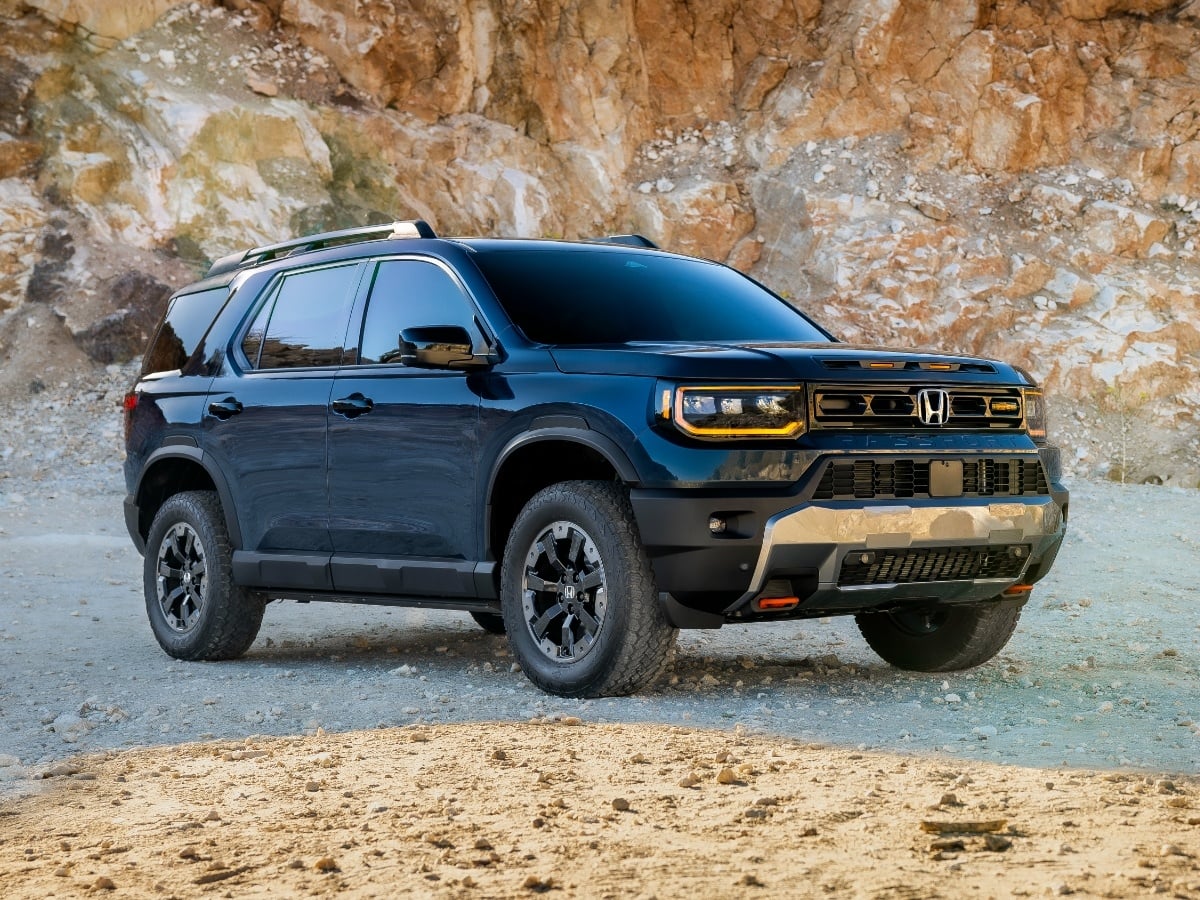
Updates to the 2027 Honda Passport TrailSport include a reworked suspension, improved steering, subtle styling enhancements, and added standard equipment.
Read the Full Article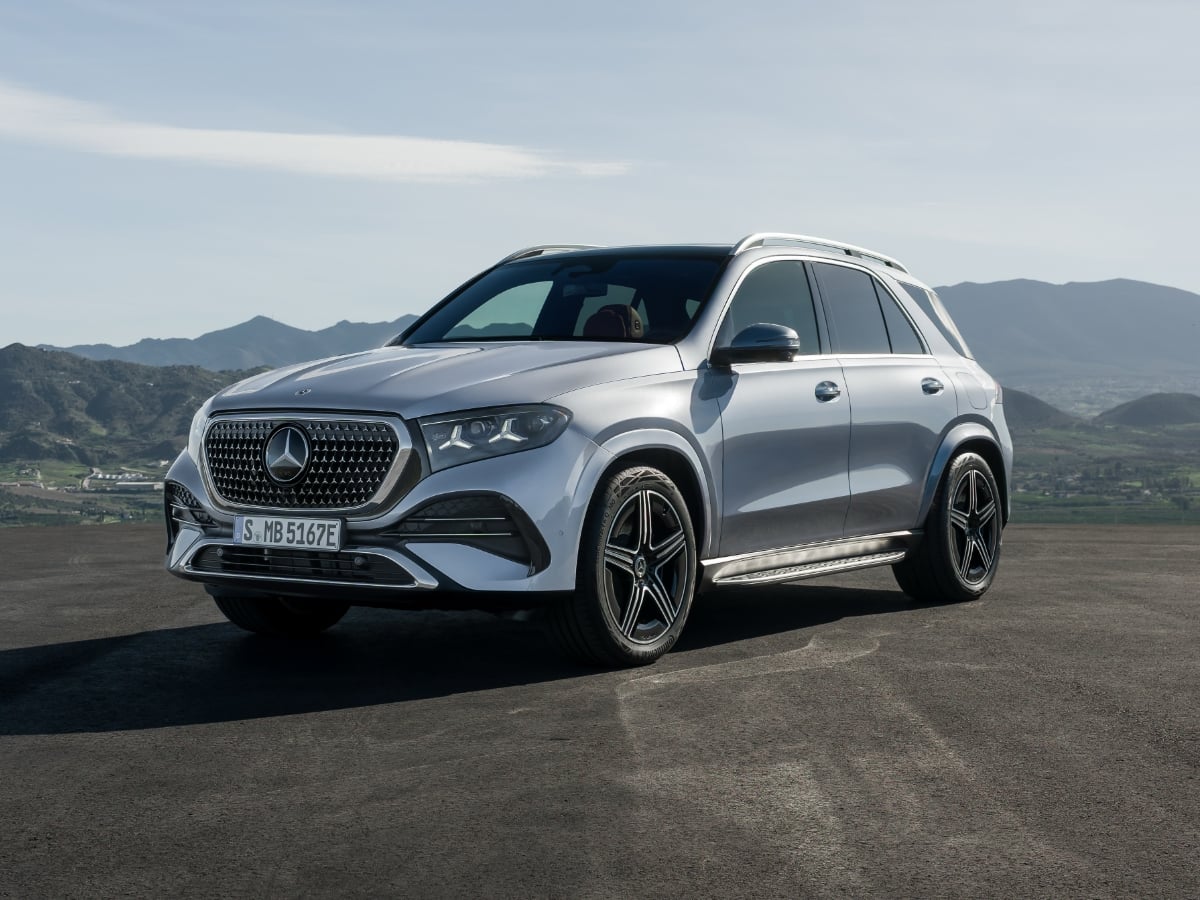
The midsize 2027 Mercedes GLE remains available in original and spicy Coupe recipes, now with standard 4Matic all-wheel drive (AWD), MBUX Superscreen technology, and a panoramic glass sunroof for ...See More
Read the Full Article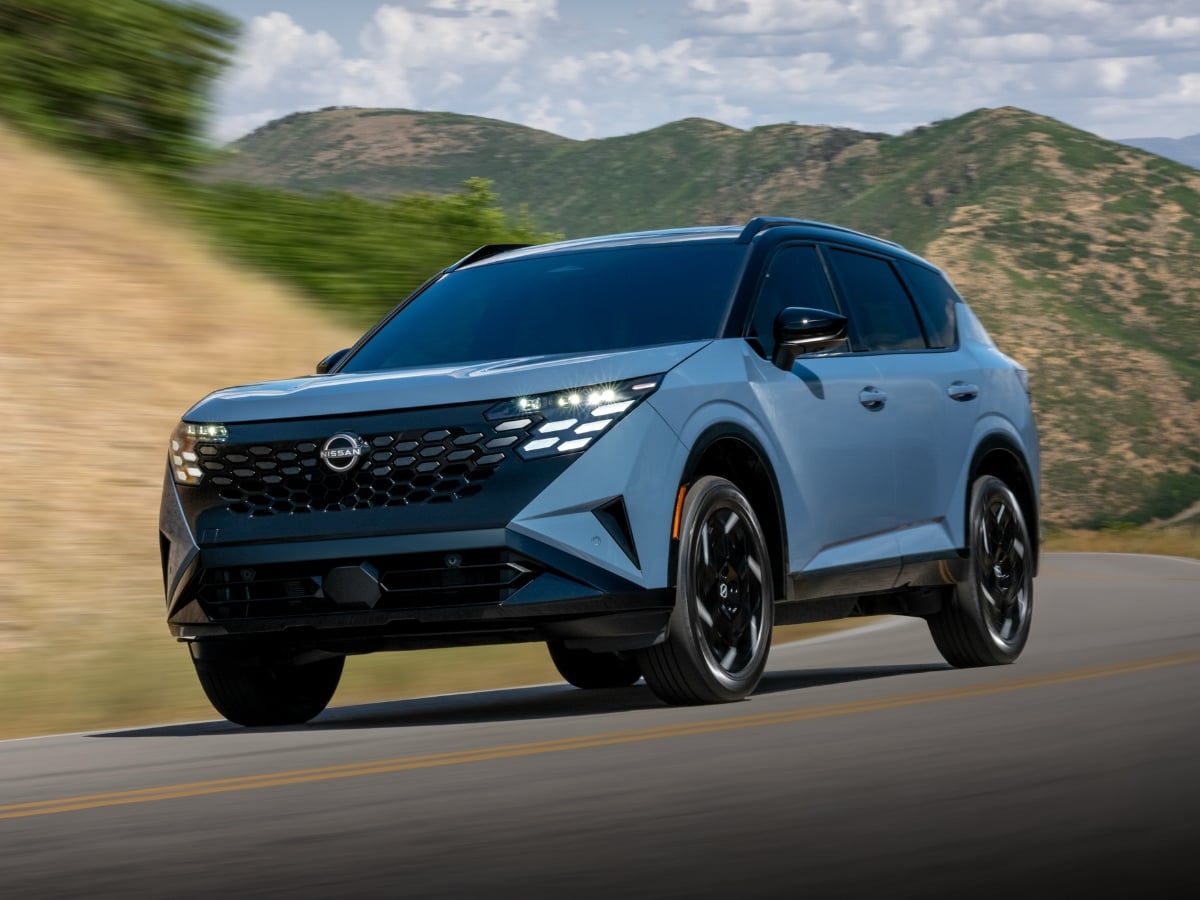
Nissan is about to introduce an innovative new SUV. The 2027 Nissan Rogue Hybrid has a gasoline engine, but it does not power the wheels. Instead, electric motors at each axle provide propulsion, ...See More
Read the Full Article