
Modern rides have a wide range of characteristics and thus, different types of owners look for different things in their vehicle of choice. Some like things heavy and bulky, others prefer to go for long hauls and big payloads, while some actively look for something high-tech like a Tesla.
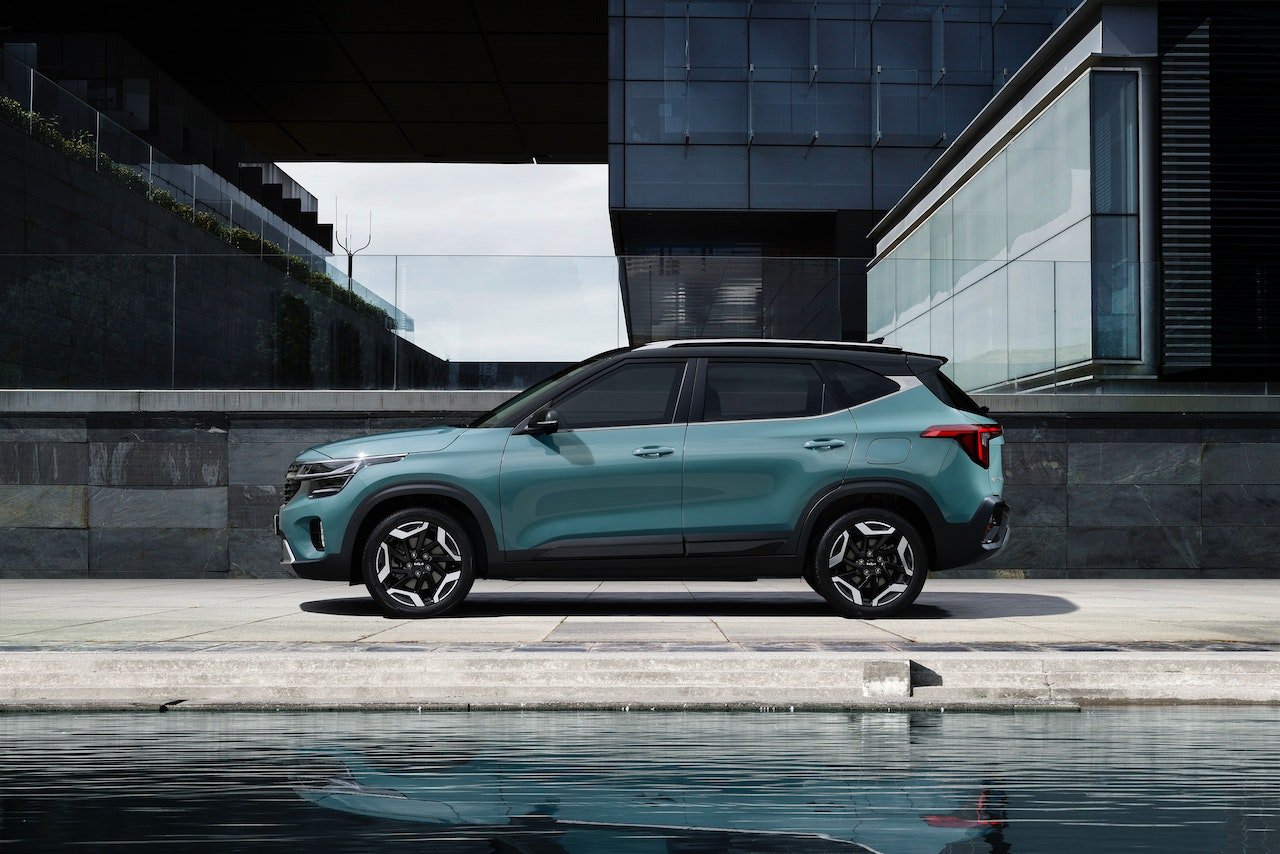
Even though we all have our preferences, not a lot of people take vehicle weight into account. And it affects many things, like fuel consumption and rolling resistance, which factor into overall performance.
As the automotive market grew over time, newer and newer types of vehicles were invented. All of this had to do with particular needs that a certain group of people had, and now there are many car types to cover. We will, however, distinguish between three weight types: small, mid-weight, and large.
Smaller cars are usually the ones oriented for high performance. As we mentioned, low weight helps reduce fuel consumption, rolling resistance, and aerodynamic characteristics. It also helps in making vehicles more compact and boosts maneuverability. Good examples of such autos would include Mitsubishi Mirage, Mazda MX-5 Miata, Subaru BRZ, or Toyota GR86. Usually, such rides weigh anywhere from ~2,100 to 3,000 pounds.
Mid-weight vehicles, as the name suggests, are right in the middle of overall performance and maneuverability. They are your standard casual autos that are suited for regular drivers. Mid-weight cars fit in more passengers and can haul bigger payloads. They include Porsche Cayenne, Kia K5, Audi A6, and Jaguar XF. For this type, the weight can be ~3,100-4,800 pounds.
Lastly, there are large vehicles. These are for hauling enormous payloads and conquering the off-road, which means they lean towards being your all-purpose automobiles. As they are quite hefty, don’t necessarily expect them to reach high speeds or be that easy to maneuver. Nissan Titan, GMC Sierra, BMW X7, and Chrysler Pacifica are all representatives of this category, weighing anywhere from ~5,000-7,00 pounds.
While this classification is quite basic and not highly accurate, it can give you an idea of how weight correlates with the characteristics of an auto or its purpose. But is it that important to know the poundage otherwise?
The real answer to the question in the previous paragraph is a definite yes. Knowing your car’s weight brings about various benefits, which include and are not limited to:
As you can see, knowing your car’s poundage is quite beneficial. However, the general car weight guide is not an excellent source for that, so you can try to do a couple of things.
Your car manual should have a specification section where the curb weight, automobile’s poundage without passengers or cargo, is given. Alternatively, you could check the driver’s side door and find a sticker that usually contains the GVWR and curb weight.
If none of that works, navigate to the manufacturer’s website and find your model and specifications. But if that doesn’t solve your problem, have your car weighed at an inspection center or a junkyard.
Different automobile types can have various poundages, factoring in how the car feels and drives. As weight affects fuel economy, maintenance, auto safety, maximum payload, GVWR, and your maintenance routine, it’s good to learn it beforehand.
As a driver, it’s crucial to know the knicks and knacks of your ride. So, if you thought weight wasn’t that important, we hope the article made you reconsider.


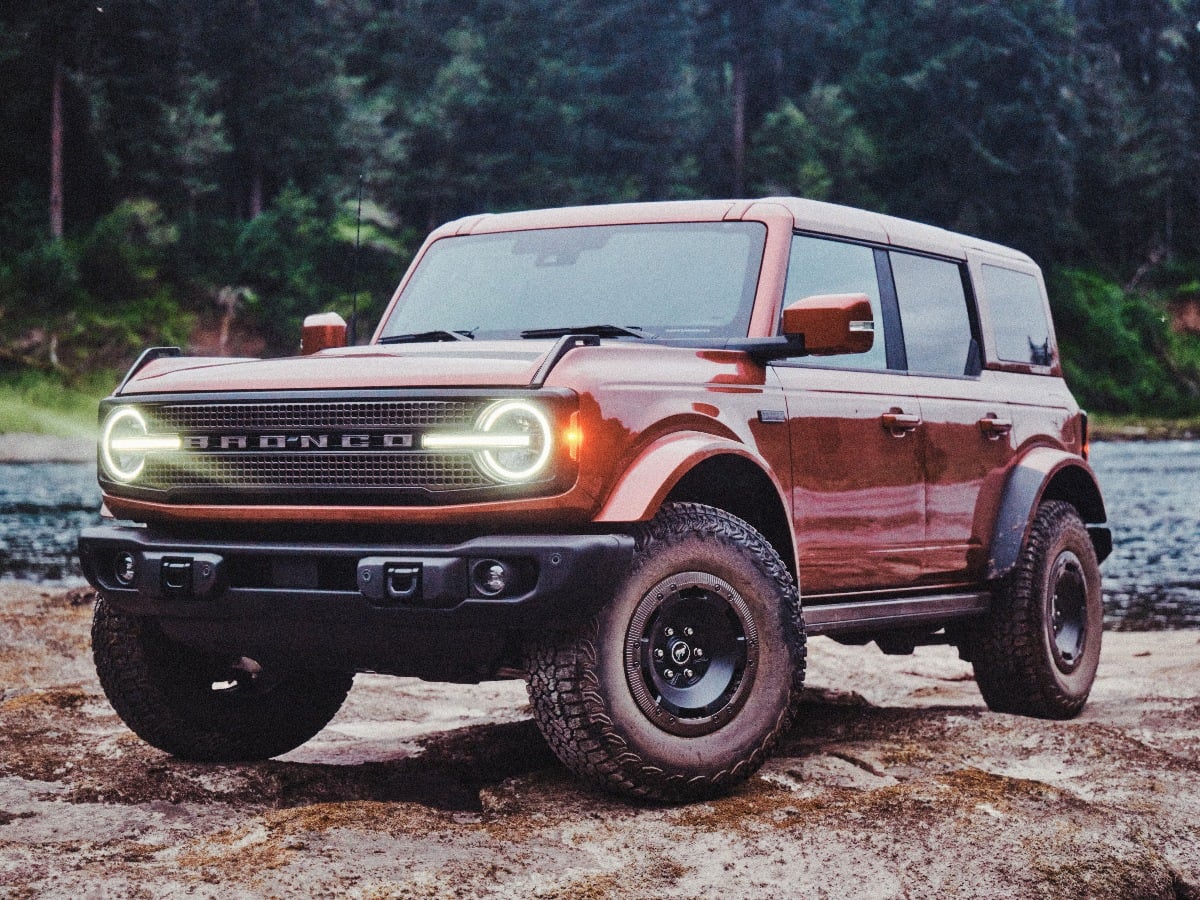
The 2027 Ford Bronco Filson falls on the fancier (and handsomer) end of the classic off-roader's lineup, with added comfort and convenience backed by confident power and trail capability.
Read the Full Article
The Ford Transit is the automaker’s full-size cargo and passenger van offering, designed to serve a wide range of commercial and lifestyle applications. With 37 available configurations, the platform ...See More
Read the Full Article
The Chevrolet Tahoe is a full-size, three-row SUV with a standard V8 engine and available diesel power. Built on the same platform as the Chevrolet Silverado 1500 pickup, the Tahoe benefits from its ...See More
Read the Full Article
It is the end of the line for the Ford Escape. After 25 years as a fixture of Ford’s lineup, 2026 will be the compact SUV’s last model year.
Read the Full Article