
As the coolant is directly responsible for keeping the engine at a reasonable temperature, it becomes crucial to monitor things. After all, knowing how much coolant your car can hold and what type of coolant is used can help with maintenance and solve overheating issues.

But if you’re new to this and have never been a fan of DIY maintenance, this article can remove the informational gap and cover all there is to coolants. So, let’s get into it.
The coolant does several things for your car:
There are various types of coolants for different cars. Some vehicles need an environmentally friendly coolant, while others require a unique chemical makeup to function correctly in certain conditions. While most modern vehicles use ethylene glycol or one of its derivatives as the basis for their cooling systems, there are other options to consider if you want your car to work well.
The types of coolants that exist include:
This kind of coolant is suitable for both old and new cars. Although it’s suitable for various cars, its primary purpose is to protect the aluminum parts of new vehicles and offer maximum protection from corrosion. It’s known to have a long-lasting lifespan, even though you should replace it every 3-5 years.
The IAT doesn’t last that long and needs to be changed at least every two years. This coolant was used several decades ago and is still somewhat popular today. However, many automobile owners prefer other kinds of coolant for their cars.
HOAT has the properties of both OAT and IAT. It offers impressive corrosion resistance that makes it the most preferred choice among drivers. Manufacturers like Audi, BMW, and Ford have designed some car models to use HOAT. If you’re unsure about the most suitable coolant for your car, simply refer to the manual. Better still, you can ask your mechanic.
The amount of coolant in a car's reservoir depends on several factors, including the car you drive and the type of coolant you have. Engine type, model, and coolant type influence just how much fluid you’ll be using.
An average engine holds about 3 quarts (2 liters) of coolant, but this amount may vary depending on the vehicle's make, model, and type. For example, some Toyota models use only 1.5 quarts (1.5 liters), while others require 3 quarts (3 liters). Similarly, suppose you have a newer Ford model that uses Dexcool liquid instead of traditional ethylene glycol-based antifreeze. In that case, it will require 4 quarts rather than 2 quarts like older models.
If you have an older vehicle that uses silicate-based coolants, its reservoir will probably hold anywhere from 24 ounces to 50 ounces. But if your car has an aluminum block, as many Japanese models do, it may require as much as 60 ounces per liter just to keep things under control.
Car size also dictates how much space there is in your engine compartment and, thus, how much air the radiator can squeeze out. Most cars use up to 30-40% coolant capacity when driven in optimal conditions.
You can quickly check the level by looking at the gauge in the dashboard. Many new cars have a digital display that shows exactly how much fluid is in the system, with an icon like the thermometer to indicate when it's time to refill.
A standard dipstick should do if you don't have such a display. It'll be located in the engine compartment where the radiator is connected. If you have a small car with only one radiator, it's probably on the left side of your engine block near the driver's side fender. If you have a larger vehicle with two radiators, there’ll be two dipsticks on opposite sides of your engine block.
There's no hard-and-fast rule for when to change your coolant, but the consensus is that you should do it every three years or 30,000 miles. If you drive in hot weather and use the car too often, you may want to change it more frequently.
You also might want to check if your coolant level is low before driving long distances. The reason is apparent: low levels of this fluid can cause overheating problems.
The amount of coolant your car needs primarily depends on engine size. If you need to figure out how much coolant to put in, consult your owner's manual or talk to a mechanic. Both these options should prove sufficient.
Having enough coolant in your car is essential because it affects the performance and engine service life. If the levels are low, you could have overheating problems, which can be costly and potentially dangerous. So, check coolant levels periodically and refill when necessary.



The new 2027 BMW i3 boasts an estimated range of up to 440 miles, 400-kilowatt DC fast charging capability, bidirectional charging to a home or the grid, and next-generation technology.
Read the Full Article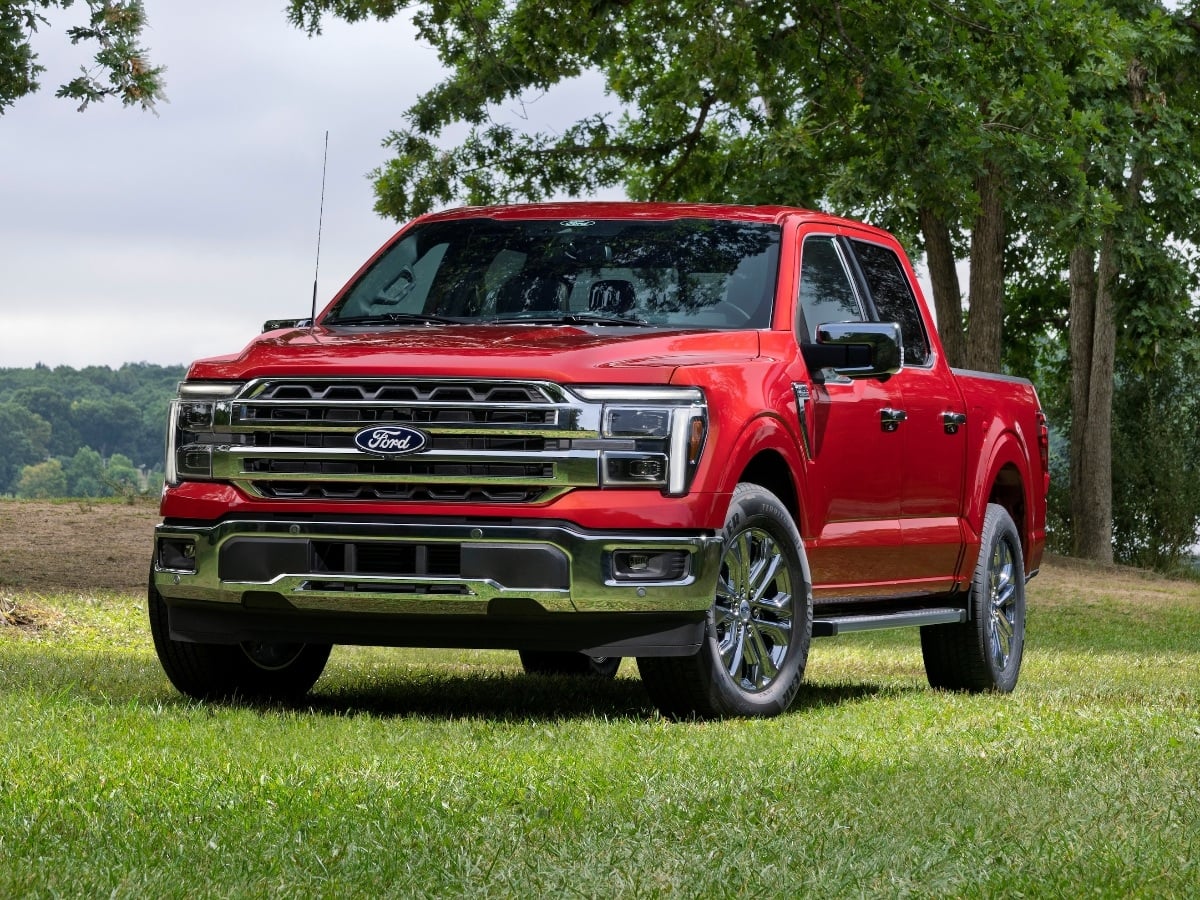
Facing renewed competition in the full-size, light duty pickup truck segment, the 2027 Ford F-150 receives subtle styling updates, a new standard engine, broader availability of its 5.0-liter V8, and ...See More
Read the Full Article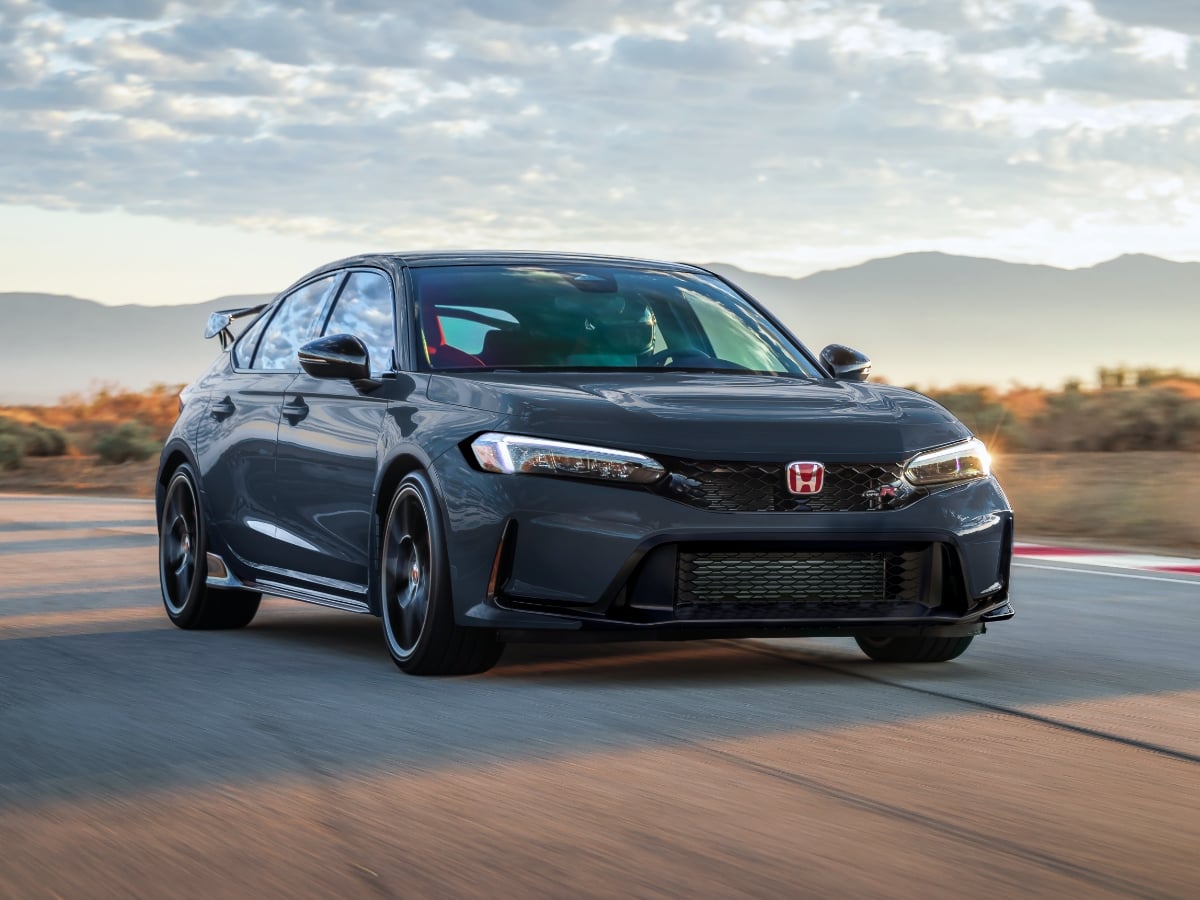
The 2027 Civic Type R goes on sale in October 2026, and it starts at $49,990, including the $1,295 destination charge.
Read the Full Article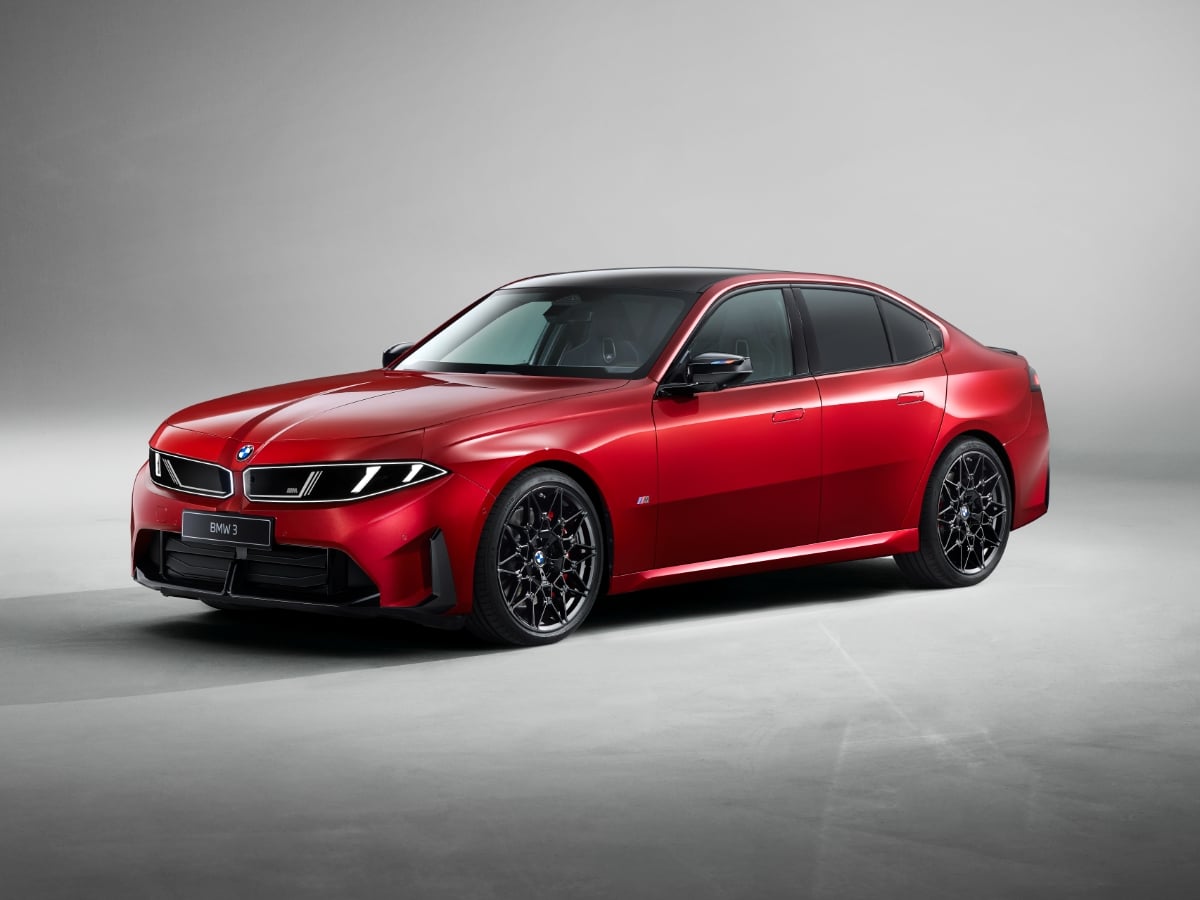
Part of BMW’s Neue Klasse (new class) rollout of redesigned models, the 2027 BMW 3 Series is all-new and goes on sale in the first quarter of 2027.
Read the Full Article