
The process works because liquids are incompressible, and the density remains almost unchanged even during pressure and temperature rises. However, the fluid must retain its properties at all temperatures as it’s a lubricator for all movable parts in the braking system and prevents corrosion.

Another function the fluid performs is heat absorption. Braking generates heat, and it can cause moisture to condense in the brake system. At this point, the brake fluid acts as an absorbent that prevents water from boiling and causing brake failure.
Even though it’s crucial, regular car maintenance doesn’t usually include adding brake fluid. However, noticing a sudden drop in its level could be because your car brake pads have worn out, the system is acting up, or some components might require changing.
Knowing your car's braking system will enable you to choose the right one for your vehicle. But, as all brake fluids must always meet ISO and DOT (Department of Transportation) standards and are glycol-based, there are only so many to pick.
All in all, there’re four types of brake fluid on the market:
DOT 3, DOT 4, and DOT 5.1 are glycol-based fluids, while DOT 5 is silicone-based. The main difference is that DOT 3, DOT 4, and DOT 5.1 absorb water, while DOT 5 does not. But even though they’re distinguishable from each other, what matters is which type of fluid is compatible with the brake system.
When choosing the right type of fluid, you should consult the owner’s manual, which should contain the type of fluid you should use. Another way to do it is to simply check the master cylinder reservoir cap with the same information written on it.
After you’re done with that, all that’s left is to change the fluid. But to know just how much you should put in, determine the location of the reservoir and look at the fluid level marks, namely “full” and “add.” The first indicates the absolute max fluid level, while the latter implies you should top up when fluid is below it.
The idea here is simple: whenever the brake fluid is below “add,” you must pour in the brake fluid until it reaches the “full” mark, at which point you’ve put in just the right amount. Going over the maximum capacity or not topping up enough may cause additional problems with the brake system, so if you’re not confident you can handle it, simply delegate all this to a qualified mechanic.
As the brake system is hydraulic, it requires brake fluid to function correctly. If you want to change it yourself because the previous one got contaminated or there was an issue with the system, you must consult the owner's manual or reservoir cap containing the type needed. After that, you must look at the fluid level marks on the reservoir to ensure you’ll put in just enough.
But if you’re not confident you can handle fluid changing, you should drive to the nearest auto shop and ask for assistance. Even though it’ll cost you money, it’ll save you from further problems and allow you to retain peace of mind.


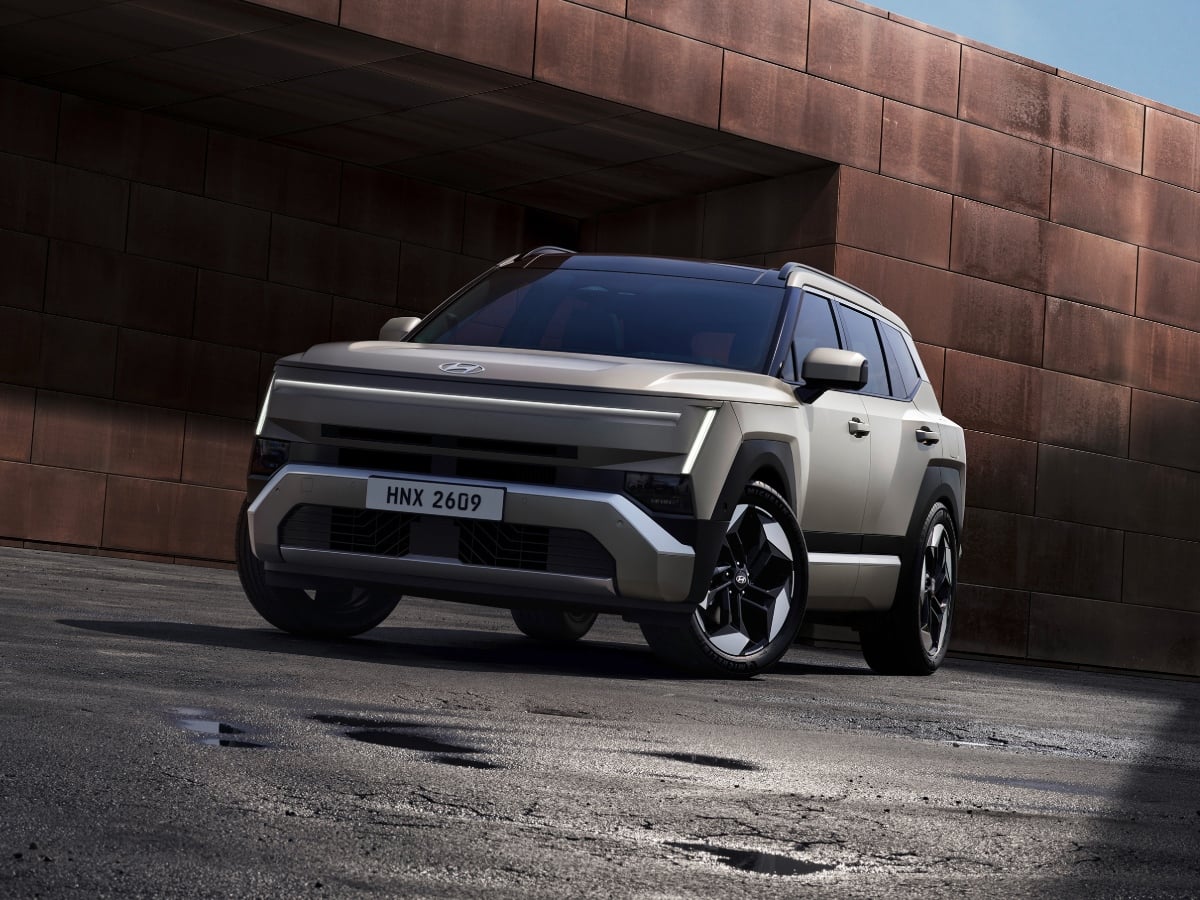
With a purposeful new design and some trail-ready upgrades, the 2027 Hyundai Tucson is pushing the brand's best-selling crossover SUV into more aggressive territory.
Read the Full Article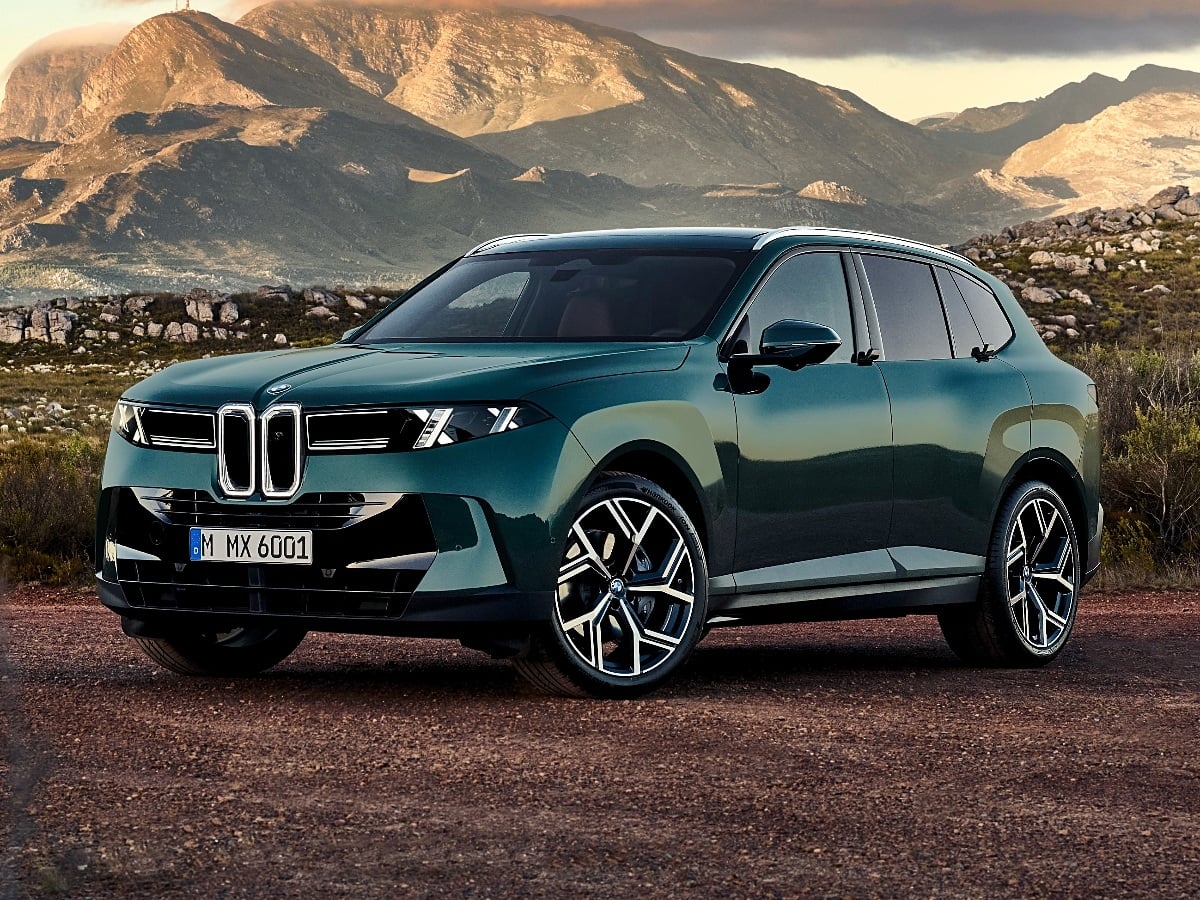
For more than 25 years, the BMW X5 has helped to define the luxury SUV segment. Now, the redesigned fifth-generation 2027 BMW X5 arrives with the automaker’s Neue Klasse styling, a roomier interior, ...See More
Read the Full Article
One of Lexus's most popular models, the NX crossover SUV is also one of the most affordable in the company’s lineup. The 2027 Lexus NX transitions to hybrid-only powertrains, and gets revised ...See More
Read the Full Article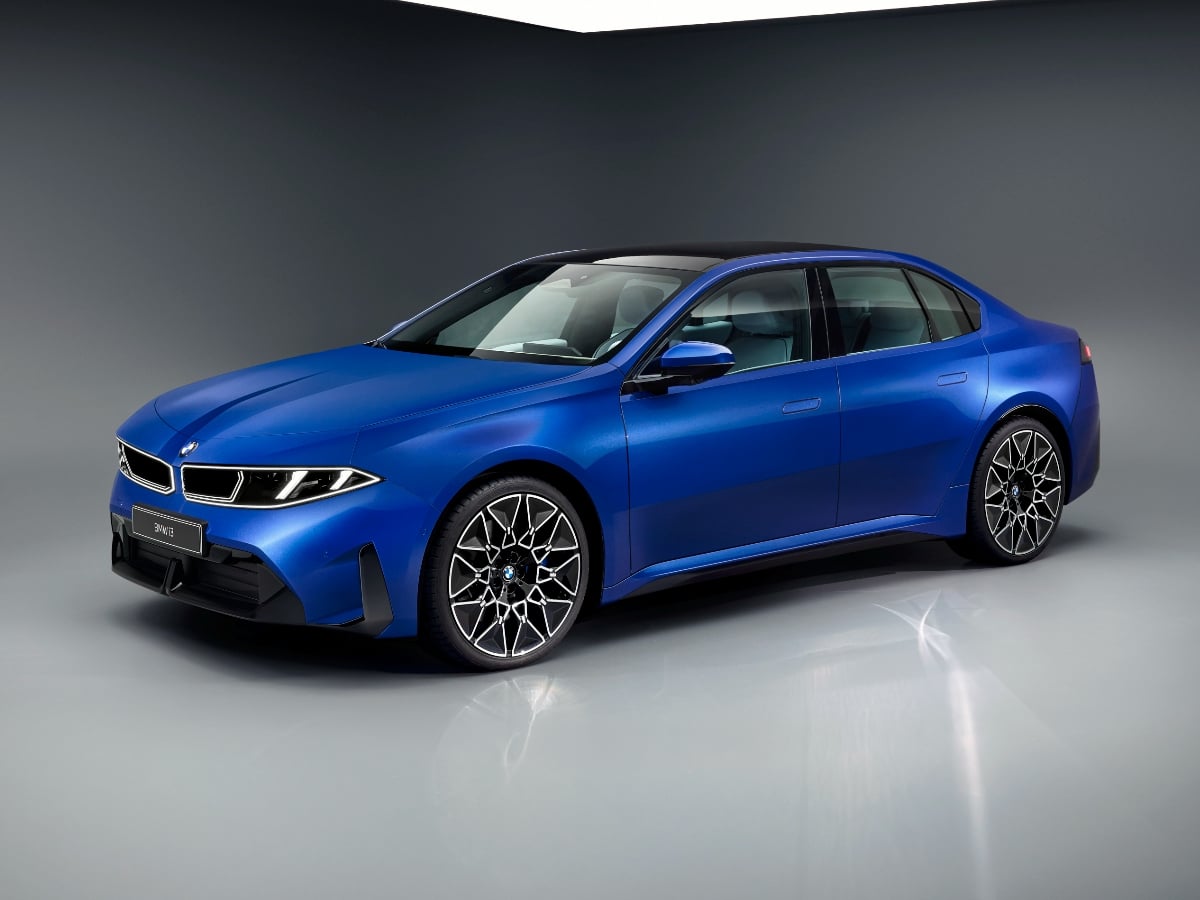
The new 2027 BMW i3 boasts an estimated range of up to 440 miles, 400-kilowatt DC fast charging capability, bidirectional charging to a home or the grid, and next-generation technology.
Read the Full Article